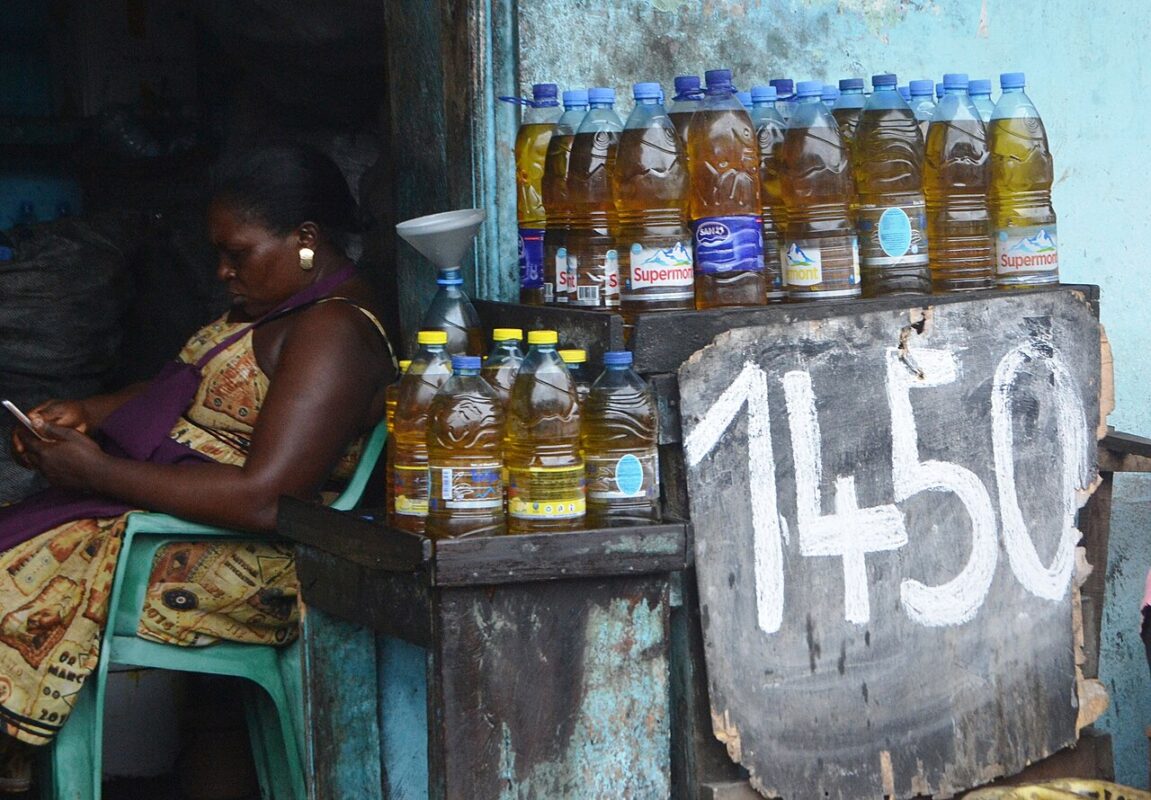
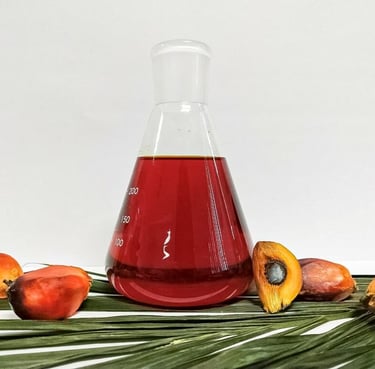
ISPO certified palm oil comes from Indonesian plantations and mills audited under the Indonesian Sustainable Palm Oil scheme, and it’s one of the palm products we export by the container to buyers in Asia, the Middle East, Africa, Europe and the Americas. We ship crude palm oil, RBD palm oil, palm olein CP10, CP8 and super olein, in bulk or packed, with the certification details your customers expect. If a buyer, an auditor or a tender has asked you for ISPO, here’s what that involves and what we can load for you.

Table of Contents
Indonesia is the largest palm oil producer in the world, so a lot of the oil on the market starts there. Buying it with a certificate behind it is mostly a question of knowing what to ask for. This guide covers the scheme, the grades, the specifications, the documents, the price, and the traps we’ve seen buyers fall into.
What We Supply as ISPO Certified Palm Oil
These are the grades we can offer as ISPO certified palm oil. Quality specifications match our standard grades exactly.
- Crude palm oil (CPO): bulk, for refineries, biodiesel and oleochemical plants. Our crude palm oil CP0 page has more.
- RBD palm oil: for shortening, bakery fats and industrial frying.
- RBD palm olein CP10: everyday cooking and frying oil. See refined palm olein CP10.
- RBD palm olein CP8: for cooler markets. See refined palm olein CP8.
- Super olein: double fractionated for clarity in cold weather, covered in our guide to double fractionated palm olein.
- RBD palm stearin: on request.
We pack in flexitanks, ISO tanks, 190 kg drums, 18 litre tins, 20 litre jerrycans and PET bottles from 1 to 5 litres, with your label if you want it. One 20ft container is the minimum. Everything else palm related is on our palm oil page.
The ISPO Scheme in Plain Words
ISPO stands for Indonesian Sustainable Palm Oil. It’s the Indonesian government’s certification system for the palm oil industry, overseen through the Ministry of Agriculture. Certification bodies accredited by Indonesia’s national accreditation committee carry out the audits.
The scheme started in 2011 and was strengthened by a presidential regulation in 2020, which made it a firmer legal requirement and extended it to smallholder farmers, not only plantation companies. The principles cover legal compliance, good plantation management, environmental protection, labour standards, social responsibility, transparency and continuous improvement.
Like Malaysia’s scheme, ISPO is mandatory. That’s the key difference from voluntary international programmes like the RSPO. In practice it means a large share of Indonesian production can be supplied as ISPO certified palm oil, though how far certification has reached, especially among smallholders, is still developing. Always check the certificate for your own shipment rather than assuming.
For background on the industry itself, Wikipedia’s article on palm oil production in Indonesia is a useful read, and the Indonesian growers’ association GAPKI publishes industry news and data.
What “Certified” Means for Your Cargo
When you buy ISPO certified palm oil, the certification is held by the plantation companies and mills that produced the oil, and increasingly by the downstream businesses that process it. We’re the exporter. Our job is to source from certified supply and give you the certificate numbers and the documents that tie your cargo to it.
There are three things to understand:
- Upstream coverage. ISPO has always been strongest at the plantation and mill level. That’s where the certificates you’ll see most often sit.
- Downstream handling. Refineries and packers are part of the chain. Ask how the certified status is tracked through the refinery to your tank or tins.
- What your customer accepts. Some buyers accept ISPO certified palm oil on its own. Others want RSPO, or both. Get that settled before you contract.
And the honest caveat we give every European buyer. ISPO certification is not by itself proof of compliance with the EU deforestation regulation, which asks for geolocation of production plots and a due diligence statement. Tell us early if that applies to you.
ISPO Certified Palm Oil Specifications
Certification doesn’t change the oil’s chemistry. ISPO certified palm oil is loaded against the same specifications as our regular grades.
| Parameter | Crude palm oil | RBD palm oil | RBD palm olein CP10 |
|---|---|---|---|
| Free fatty acid (as palmitic) | 5.0% max | 0.10% max | 0.10% max |
| Moisture and impurities | 0.5% max | 0.10% max | 0.10% max |
| Iodine value (Wijs) | 50 to 55 | 50 to 55 | 56 min |
| Slip melting point | n/a | 33 to 39°C | 24°C max |
| Cloud point | n/a | n/a | 10°C max |
| Colour (5¼” Lovibond) | n/a | 3.0 red max | 3.0 red max |
| DOBI | 2.3 min | n/a | n/a |
| Peroxide value | n/a | 10 meq/kg max | 10 meq/kg max (typically 5 or lower) |
Refined grades meet the Codex standard for named vegetable oils, published on the Codex Alimentarius site. We contract on FOSFA terms or our own sales contract, whichever you prefer.
Who Buys ISPO Certified Palm Oil
Food manufacturers with sourcing policies
Noodle, snack, biscuit and confectionery makers often have a group policy that asks for certified palm oil. ISPO certified palm oil is an accepted route for many of them, particularly in Asia.
Importers supplying supermarkets
Retail chains are asking suppliers harder questions about where palm oil comes from. A certificate makes those conversations shorter.
Refiners and oleochemical plants
Buyers of crude palm oil who resell refined products or fatty acids want certification upstream so they can pass it on.
Tender and aid buyers
Public procurement increasingly includes legal origin and sustainability requirements.
If none of this applies and your customers just want good cooking oil at the best price, standard palm olein might be all you need. We’ll tell you if that’s the case.
ISPO vs MSPO vs RSPO
| Point | ISPO | MSPO | RSPO |
|---|---|---|---|
| Country | Indonesia | Malaysia | International |
| Type | National, mandatory | National, mandatory | Voluntary, multi-stakeholder |
| Who runs it | Indonesian government | MPOCC, Malaysia | RSPO members |
| Oil specs | Standard | Standard | Standard |
| Typical premium | Low | Low | Varies, often higher |
If you can accept either national scheme, ask us to quote both origins. Our guide to MSPO certified palm oil explains the Malaysian side in the same detail. Depending on the month, one may load sooner or come in a little cheaper.
Packing and Container Loads
| Packing | Approx. load per 20ft | Good for |
|---|---|---|
| Flexitank | 20 to 22 MT | Bulk buyers with pumps and tanks |
| ISO tank | 20 to 24 MT | Factories, heated discharge |
| 190 kg drums | About 80 drums | Small and mid size factories |
| 18 litre tins | About 1,250 tins | Restaurants, wholesale |
| 20 litre jerrycans | About 1,100 cans | Food service, markets |
| Bottles 1 to 5 L | Depends on bottle | Retail, private label |
If you’re planning a label claim about certification, check the rules first. Printing a sustainability claim you can’t back up causes more trouble than it’s worth. For tin buyers, our post on finding a palm olein 18 litre tin supplier covers can quality in detail.
Documents You Get
A shipment of ISPO certified palm oil from us comes with:
- Commercial invoice and packing list
- Bill of lading
- Certificate of analysis for the actual lot
- Certificate of origin
- ISPO certificate details for the supplying companies
- Halal certificate
- Health certificate and independent inspection report on request
File them together. Auditors and customers tend to ask months later, and it’s much easier when the certificate, the analysis and the bill of lading sit in the same folder.
Pricing ISPO Certified Palm Oil
Our quotes for ISPO certified palm oil are built from:
- The day’s market price for the grade, which tracks crude palm oil futures.
- Any certification premium, which for ISPO is usually small because certified supply is broad.
- Indonesian export levies and duties, which are set by the government and change from time to time. These can move the FOB price noticeably, so a quote from last month may not hold.
- Packing, freight and insurance.
We quote FOB, CFR or CIF. The Incoterms article explains each, and our bulk vegetable oil price CIF guide works through an example.
The export levy point catches buyers out more than anything. If two Indonesian offers differ a lot, check whether both include the current levy. And be wary of ISPO certified palm oil offered far below the market. There’s always a reason, and it’s rarely a good one.
7 Proven Tips for Buying ISPO Certified Palm Oil
None of these are complicated. They come from years of watching deals go well and a few go badly. Most of the buyers who had trouble with certified oil, from any origin, skipped one or two of these steps because a price looked too good to wait. A day spent checking certificates and terms is nothing next to a container that arrives with the wrong paperwork, or one that never arrives at all. Here is what we would do in your place before buying ISPO certified palm oil from anyone.
1. Ask for the certificate before the proforma
Get the company names and certificate numbers first. A real supplier has them ready.
2. Confirm what your customer accepts
“Certified palm oil” in a contract can mean RSPO only. Make sure ISPO certified palm oil is named as acceptable.
3. Check expiry dates
Certificates have validity periods and surveillance audits. An expired certificate doesn’t help you.
4. Keep an eye on export levies
They change. Ask whether the quote is based on the current rate.
5. Don’t let certification distract from quality
Check FFA, colour, peroxide value and moisture on the lot analysis, the same as any other oil.
6. Book inspection for bulk
An independent surveyor at loading is cheap insurance.
7. Trial one container first
Then build up volume once you trust the oil, the paperwork and the service.
Common Mistakes
Mixing up ISPO and RSPO. They’re different schemes with different rules and logos.
Assuming everything Indonesian is certified. Coverage is wide but not total, particularly among smaller growers. Ask for proof for your shipment.
Ignoring the levy. It can change the price between quote and contract.
Printing claims too early. Get label wording checked before artwork goes to the printer.
Paying a stranger in full up front. Real exporters of ISPO certified palm oil work with letters of credit, documents against payment or staged deposits.
Smallholders and ISPO Certified Palm Oil
Close to half of Indonesia’s oil palm area is farmed by smallholders, many on just two or three hectares. For years most of them sat outside any certification at all. Audits cost money, paperwork is hard when your land title isn’t settled, and the price premium didn’t always reach the farmer.
The 2020 regulation set out to change that by bringing smallholders into ISPO, with group certification and support from local government. Progress has been real but uneven, and it varies a lot by province. For you as a buyer, this matters in two ways. First, ISPO certified palm oil from a mill that buys heavily from uncertified smallholders may only cover part of its intake, so ask how the mill’s certificate handles third party fruit. Second, if your brand wants to talk about supporting smallholders, there are supply chains where that can be documented, and we can ask for them.
Where Demand Is Coming From
The biggest buyers of Indonesian palm oil are India, China, Pakistan, the European Union, Bangladesh and the Middle East, with growing volumes into Africa. Requests for ISPO certified palm oil come most often from food manufacturers in Asia with group sourcing policies, from Middle East supermarket suppliers, and from importers who sell on to multinationals. In South Asia, price still drives most buying, but larger groups now ask for certification on at least part of their volume. In Europe the conversation is usually about RSPO and the deforestation rules, with ISPO as a supporting document rather than the main one.
If you’re unsure whether your market will move towards certified oil, ask your two or three largest customers directly. In our experience, the ones who will need it next year are usually already hinting at it.
Storage and Shelf Life
ISPO certified palm oil stores exactly like any other palm oil, because it is the same oil. Refined olein in sealed tins, jerrycans or bottles keeps 18 to 24 months in a cool, dry, shaded store. Crude palm oil in bulk should be refined or used within a few weeks of arrival, as free fatty acids keep creeping up over time.
Whole RBD palm oil and crude oil are semi solid below about 25°C, so bulk tanks need heating coils for discharge. Olein stays liquid much lower, though CP10 can cloud in cool weather. That’s crystallised fat, not spoilage, and gentle warming clears it. Don’t heat tins or drums with an open flame, and don’t store oil next to chemicals or strong smelling goods, because fats pick up odours.
Questions to Ask Any ISPO Supplier
- Which companies hold the ISPO certificates behind this oil, and what are the numbers?
- When do those certificates expire, and when was the last audit?
- How is the certified status tracked through the refinery and packing plant?
- Does the price include the current export levy and duty?
- Can you send a lot specific certificate of analysis?
- Will you accept an independent surveyor at loading?
- What payment terms do you offer a first time buyer?
We answer every one of these for our ISPO certified palm oil offers, in writing, before you’re asked to pay anything.
Why Buy Through an Exporter Like Us
You could try to buy direct from an Indonesian refinery. Big buyers with large monthly volumes often do. For everyone else, minimum quantities, payment terms and the work of arranging packing, inspection and freight make that hard. We sit in the middle: we consolidate supply, handle packing to your spec, book freight and pull the paperwork together into one set of documents. You deal with one company that answers the phone, and you can combine ISPO certified palm oil with other oils in the same programme.
Quality Checks at Loading
Certificates tell you where the oil came from. They don’t tell you whether this particular tank is in spec. So for every lot of ISPO certified palm oil we ship, the oil is sampled and tested before loading. For bulk, samples are drawn from the shore tank and again from the flexitank or ISO tank once it’s filled, and sealed reference samples are kept in case a question comes up later. For packed goods, we check fill weight, seal and label on a share of the tins, jerrycans or cartons as they come off the line.
The lab checks free fatty acid, moisture and impurities, iodine value, colour, peroxide value and, for olein, cloud point. Those results go on the certificate of analysis you receive. If you appoint SGS, Intertek or another surveyor, their inspector draws the samples and their report travels with the documents.
Private Label ISPO Certified Palm Oil
A good number of our buyers sell ISPO certified palm oil under their own brand, mostly in 1, 2 and 5 litre bottles and 18 litre tins. We fill to your label, print cartons with your artwork and code each lot so it can be traced back to the analysis. First orders take two to four weeks longer than bulk because of artwork approval. Repeat orders run faster. Remember that a certification claim on the label has its own rules, separate from simply supplying certified oil, so check the wording with us before you print.
From Mill to Port: The Journey
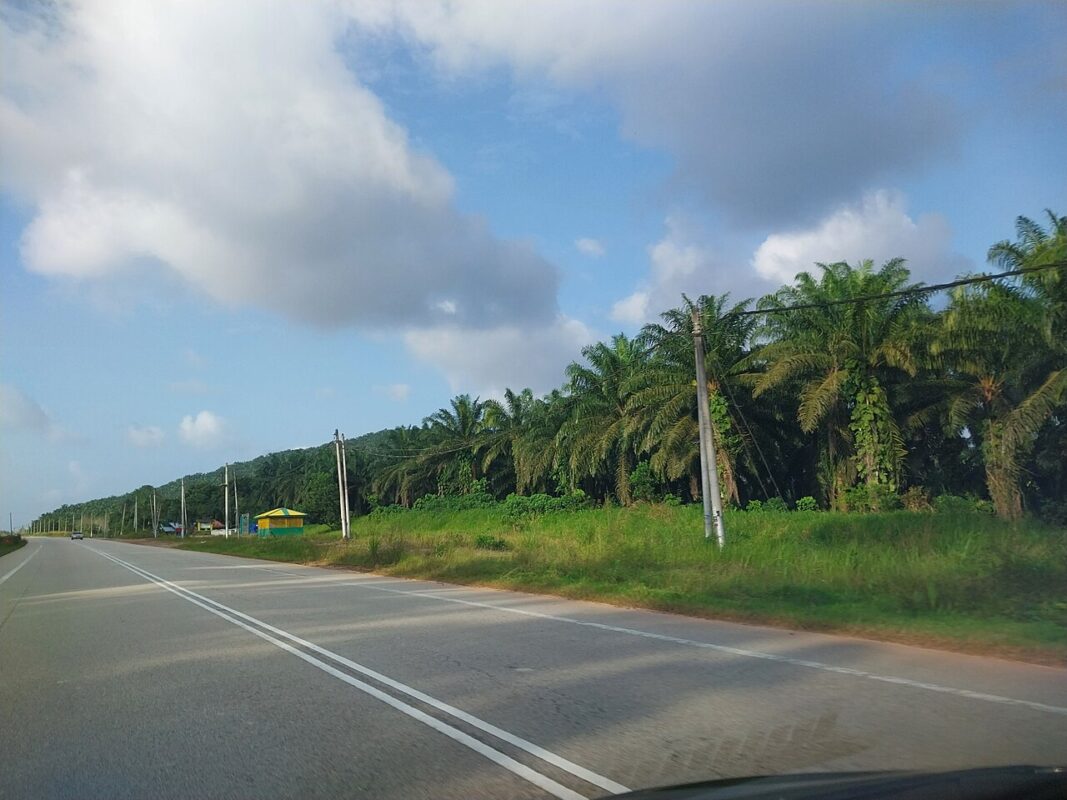
Fresh fruit bunches reach the mill within hours of harvest. The mill turns them into crude palm oil, which moves by tanker truck or barge to a refinery. In Indonesia, much of the refining sits near ports in Sumatra, Kalimantan and Java. The refinery produces RBD palm oil and fractionates it into olein and stearin. From there the oil is loaded into flexitanks or ISO tanks for bulk buyers, or filled into tins, jerrycans and bottles at a packing plant.
At each step, the certified status depends on the operator being part of the scheme and keeping records. When we source ISPO certified palm oil, we stick to supply chains where we can follow that trail and show it to you. If there’s a gap in the chain, we tell you, rather than letting you find out later.
How to Order
- Send us the grade, quantity, packing, port and any certification requirements from your customer.
- We reply with price, loading date and certificate details, usually within one working day.
- We agree a contract with the full specification and certification terms.
- Payment by letter of credit, documents against payment, or deposit plus balance against documents.
- We load and ship, then send all documents and tracking.
More about our company is on our about us page, and the full range is on the products page, including sunflower oil, soybean oil and coconut oil. If you’re comparing palm grades, read red palm oil vs refined palm oil too.
ISPO Certified Palm Oil FAQ
Is ISPO certified palm oil better quality?
The specification is the same. What’s different is the certified origin and the paperwork.
Is ISPO mandatory in Indonesia?
Yes, for plantation companies, and it’s been extended to smallholders. Coverage among smallholders is still growing.
Can I get it in tins or bottles?
Yes. 18 litre tins, 20 litre jerrycans, drums and bottles, with private label if you want.
Is ISPO accepted by European buyers?
Some accept it, many prefer RSPO, and EU deforestation rules need extra data. Ask your customer.
Does it cost more?
Usually only slightly, if at all. Export levies affect the price more than the certification does.
What’s the minimum order?
One 20ft container.
Is the oil halal?
Yes, and each shipment comes with a halal certificate.
Request a Quote for ISPO Certified Palm Oil
Send us your grade, quantity, packing and destination, plus any certification wording your customer uses, and we’ll come back with a firm offer for ISPO certified palm oil and a loading date, usually within a working day.
Email info@dthcompanyltd.com, call or WhatsApp +66 91 765 9104, or use our contact page. A real person reads every enquiry and replies.