

If you buy oil by the container, the bulk vegetable oil price CIF is the number that matters most. It tells you what the oil costs once it’s sitting at your discharge port, with sea freight and insurance already paid. We sell refined soybean oil, refined sunflower oil, RBD palm olein, canola oil and coconut oil in bulk, and we quote CIF to ports all over the world. This guide shows what we sell, the specs we load to, and how a CIF price is really put together so you can compare offers properly.
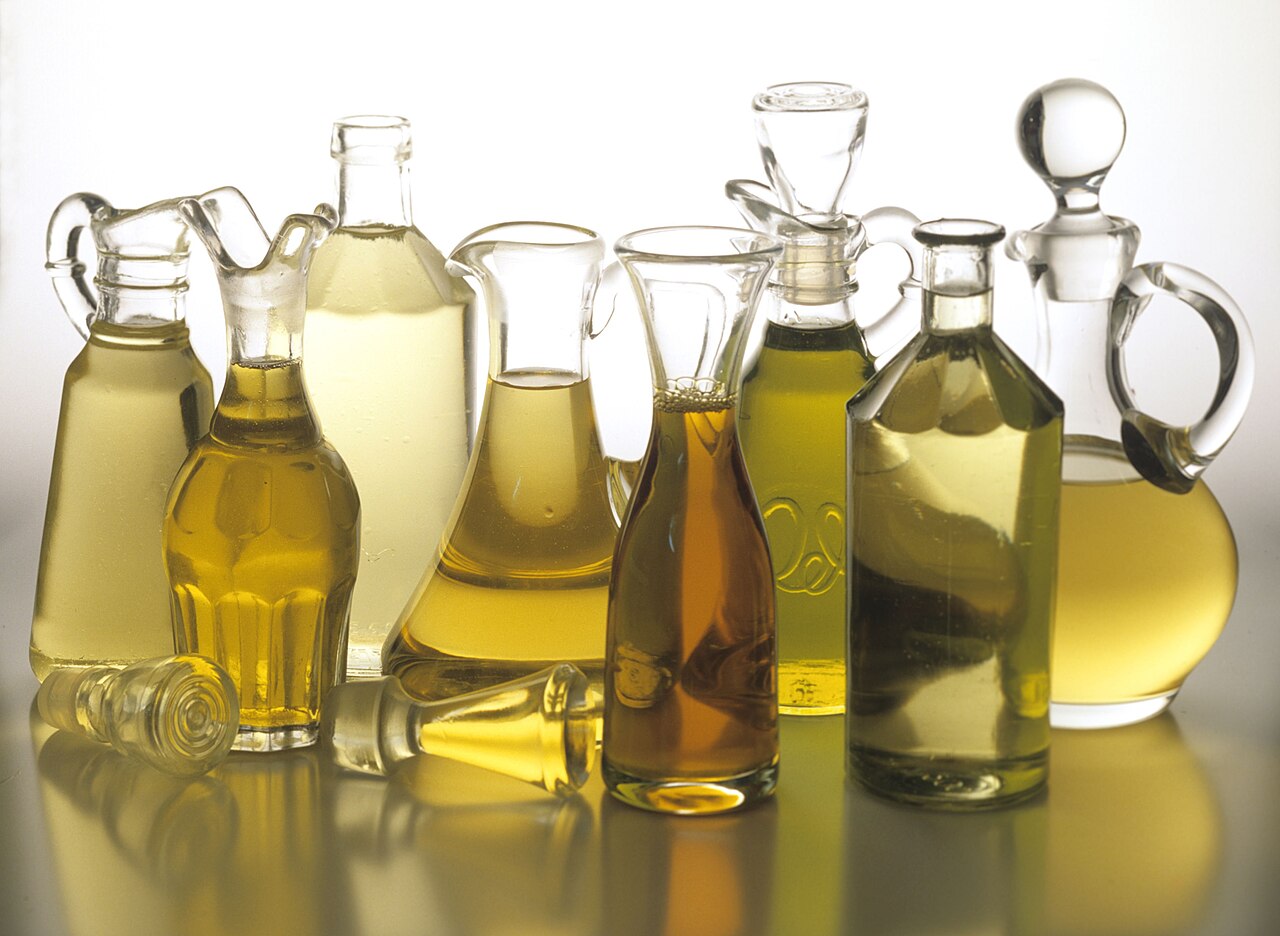
We’ve been doing this long enough to know that most buyers don’t struggle with the oil itself. They struggle with offers that look cheap on paper and then cost more once the ship lands. A clear bulk vegetable oil price CIF, built on a fixed spec and a named port, removes most of that guesswork. That’s what we give our customers, and below we’ll show you exactly how.
Table of Contents
What We Sell: Bulk Oils Quoted on a CIF Basis
We are an exporter, not a broker passing your enquiry to someone else. We load the following oils for importers, refiners, bottlers, food factories, soap makers and distributors:
- Refined soybean oil (RBD), plus crude degummed soybean oil for refiners
- Refined sunflower oil, high oleic sunflower oil and crude sunflower oil
- RBD palm olein in CP10 and CP8 grades, and crude palm oil
- Refined canola oil and RBD canola oil
- RBD coconut oil, virgin coconut oil and crude coconut oil
Every one of these can be quoted FOB or CIF. Most of our customers ask for the bulk vegetable oil price CIF because it lets them compare our offer with local stock and with other origins in one step. Packing can be flexitank, ISO tank, drums, IBC totes, jerrycans or retail bottles, though bulk flexitanks are where CIF pricing makes the biggest difference.
Why Buyers Ask for the Bulk Vegetable Oil Price CIF
CIF stands for Cost, Insurance and Freight. Under the ICC Incoterms rules, the seller pays the cost of the goods, books and pays the sea freight to your named port, and buys marine insurance for your benefit. Risk passes to you once the oil is loaded on board at origin, but the seller has already paid to get it to you.
For a buyer that’s handy for a few reasons. You don’t need your own freight forwarder at the origin port. You don’t need to chase shipping lines for space. And you get one number to put next to your local wholesale price. If the bulk vegetable oil price CIF plus your duty and clearing is below what you pay locally, the decision is easy.
There’s one thing people miss, though. CIF ends at the port, on board the ship. Unloading, terminal charges, customs duty, VAT, clearing agent fees and trucking to your warehouse are still yours. Keep that in mind when you compare.
CIF, CFR or FOB: Which One Should You Ask For?
We quote all three, and the right one depends on how your business is set up.
| Term | Who pays freight | Who pays insurance | Best for |
|---|---|---|---|
| FOB | Buyer | Buyer | Buyers with their own forwarder and freight contracts |
| CFR | Seller | Buyer | Buyers whose local rules or banks require local insurance |
| CIF | Seller | Seller | Buyers who want one landed-at-port figure |
If you’re a smaller importer, or you’re buying from us for the first time, we usually suggest you ask for the bulk vegetable oil price CIF. You get one figure, our freight rates are usually better than what a single buyer can get on one or two containers, and you’re not stuck sorting out a booking from the other side of the world.
Larger buyers with annual freight contracts sometimes prefer FOB. That’s fine. We’ll show you the FOB number and the bulk vegetable oil price CIF side by side, so you can see whether your own freight actually beats ours. Quite often it doesn’t, and buyers are surprised.
One honest note. Some sellers quote a low CIF by using the cheapest insurance they can find, or by booking slow transshipment routes. Ask who the insurer is and whether the vessel goes direct. A cheap bulk vegetable oil price CIF on a ship that sits in a hub port for three weeks isn’t cheap if your factory runs dry while you wait.
Specifications for Our Main Bulk Oils
Every offer we send comes with a spec sheet. The oil is tested at loading by an independent surveyor and you get the certificate of analysis with the shipping documents. These are the specs we load our refined grades to.
Refined soybean oil
| Parameter | Specification |
|---|---|
| Free fatty acid (as oleic) | Max 0.1% |
| Peroxide value | Max 2.0 meq O2/kg at loading |
| Moisture and impurities | Max 0.1% |
| Colour (Lovibond 5¼”) | Max 2.5 Red / 25 Yellow |
| Iodine value (Wijs) | 124 to 139 |
| Saponification value | 189 to 195 mg KOH/g |
| Odour and taste | Neutral, bland |
Refined sunflower oil
| Parameter | Specification |
|---|---|
| Free fatty acid (as oleic) | Max 0.1% |
| Peroxide value | Max 2.0 meq O2/kg at loading |
| Moisture and volatile matter | Max 0.05% |
| Colour (Lovibond 5¼”) | Max 2.0 Red / 20 Yellow |
| Iodine value (Wijs) | 118 to 141 |
| Cold test | Clear after 5.5 hours at 0°C |
| Odour and taste | Neutral |
RBD palm olein CP10
| Parameter | Specification |
|---|---|
| Free fatty acid (as palmitic) | Max 0.1% |
| Moisture and impurities | Max 0.1% |
| Iodine value (Wijs) | Min 56 |
| Cloud point | Max 10°C |
| Melting point | Max 24°C |
| Colour (Lovibond 5¼”) | Max 3 Red |
Refined canola oil
| Parameter | Specification |
|---|---|
| Free fatty acid (as oleic) | Max 0.1% |
| Peroxide value | Max 2.0 meq O2/kg at loading |
| Moisture and impurities | Max 0.1% |
| Erucic acid | Max 2% |
| Iodine value (Wijs) | 105 to 126 |
| Colour (Lovibond 5¼”) | Max 1.5 Red / 15 Yellow |
If your country uses its own national standard, send it to us. We check it against what we load and tell you plainly whether we can meet it. Most standards are close to Codex Alimentarius for named vegetable oils, so it’s rarely a problem.
How a Bulk Vegetable Oil Price CIF Is Built
A lot of confusion goes away once you see the pieces. Every bulk vegetable oil price CIF has the same five parts:
- The oil itself, priced off the world market for that oil on the day
- Refining, packing and handling at origin, including the flexitank or ISO tank
- Inland transport to the loading port and port charges at origin
- Ocean freight to your port, which changes with the route and the season
- Marine insurance, usually 110% of the invoice value
The oil part moves with the global market. Soybean oil follows the US and South American crush, sunflower oil follows the Black Sea crop, palm olein follows Malaysian and Indonesian futures, and canola follows Canadian and Australian supply. If you want to see where the world market is heading, the USDA oilseeds world markets report is a good free read each month.
Freight is the part buyers tend to underestimate. The same oil, from the same tank farm, can carry very different freight to Rotterdam, Jeddah, Mombasa, Santos or Manila. Some routes have plenty of empty containers heading that way and are cheap. Others don’t, and you pay for it.
A worked example
Here’s a simple example with made-up round numbers, just to show the method. It is not today’s price.
| Item | Per metric ton (example) |
|---|---|
| Refined oil at origin, packed in flexitank | 1,000 |
| Inland trucking and origin port charges | 25 |
| Ocean freight, one 20ft container with about 21.5 MT | 70 |
| Marine insurance | 3 |
| Bulk vegetable oil price CIF | 1,098 |
Notice how freight is spread across the tonnage in the container. A flexitank holds 20 to 22 metric tons of oil, so the cost of one container’s freight gets divided across all of it. That’s why a full flexitank almost always gives a lower bulk vegetable oil price CIF than drums or jerrycans, which carry less oil per container.
Comparing Offers the Right Way
We see buyers make the same mistakes again and again. Most of them aren’t about the oil. They’re about comparing offers that aren’t on the same basis.
- One supplier quotes FOB, another quotes CIF. You can’t compare them until you add freight to the FOB one.
- One offer is per metric ton, another per litre. Refined vegetable oils weigh roughly 0.91 to 0.92 kg per litre, so convert before you compare.
- One offer includes the flexitank, another charges it separately. Ask.
- One spec says FFA max 0.1%, another says 0.3%. Those aren’t the same oil, and the cheaper one may cost you in shelf life.
- One price is valid for a week, another for 24 hours. The short one usually means the supplier is quoting live.
When we send a bulk vegetable oil price CIF, we spell out the oil, the spec, the packing, the quantity, the port, the shipment window and the validity. If any of those change, the price changes too. That’s normal in this trade and we’d rather tell you straight.
Relative Price Levels at a Glance
Prices move every day, so we won’t print numbers that will be wrong next week. What does stay fairly steady is the order of the oils from cheaper to dearer. As a rough rule, the bulk vegetable oil price CIF usually lines up like this:
| Oil | Usual price level | Good for |
|---|---|---|
| RBD palm olein CP10 | Lowest of the group most months | Frying, food service, blending |
| Refined soybean oil | Low to middle | Bottling, food factories, mayonnaise |
| Refined sunflower oil | Middle | Retail bottles, frying, bakery |
| Refined canola oil | Middle to high | Retail, salad oils, health-led brands |
| High oleic sunflower oil | Higher | Long-life frying, snacks |
| RBD coconut oil | Highest of the group | Confectionery, cosmetics, soap |
There are months when this order shifts. A poor sunflower harvest can push sunflower above canola for a while, and palm can firm up during low production months. That’s one reason we suggest buyers keep two oils approved, so they can switch to whichever gives the better bulk vegetable oil price CIF that month.
Packing Options and Their Effect on Price
Packing changes your cost more than people expect. Here’s what we offer.
Flexitank in a 20ft container
A single-use food-grade flexitank holds about 20 to 22 MT of oil. It’s the cheapest way to move edible oil by container, and it’s what most of our bulk customers use. You need a pump or gravity discharge at your end and a tank to put the oil in. We wrote a full guide on how to unload oil from a flexitank if you’re new to it.
ISO tank
An ISO tank holds roughly 20 to 24 MT and is stainless steel, so it’s reusable and easy to heat. It costs more than a flexitank but some buyers prefer it for high-value oils or for palm products that need heating.
Drums, IBCs and jerrycans
190 kg drums, 1,000 litre IBC totes and 20 litre jerrycans suit buyers who don’t have bulk tanks. You’ll fit less oil in each container, so your bulk vegetable oil price CIF per ton will be higher. For wholesalers selling into markets and restaurants, it’s often still the better choice because there’s no repacking.
Retail bottles
We also pack 1L, 2L, 3L and 5L PET bottles with private label. Bottled oil is priced per carton rather than per ton, and we can still give you a bulk vegetable oil price CIF per carton if that suits you.
Ports We Ship To
We quote CIF to any port with a container service. Some of the regular ones:
- Africa: Apapa (Lagos), Tema, Abidjan, Dakar, Lomé, Mombasa, Dar es Salaam, Durban, Djibouti
- Middle East: Jebel Ali, Jeddah, Dammam, Aqaba, Sohar, Umm Qasr
- Asia: Chittagong, Karachi, Nhava Sheva, Colombo, Manila, Ho Chi Minh City, Yangon
- Europe: Rotterdam, Antwerp, Hamburg, Valencia, Piraeus
- Americas: Santos, Callao, Cartagena, Manzanillo, Kingston, Houston
- Oceania: Sydney, Melbourne, Auckland, Port Moresby
If your port isn’t on the list, ask anyway. If a line calls there, we can get a bulk vegetable oil price CIF for it, usually the same day.
What Moves the Price Up or Down
You can’t control the world market, but it helps to know what’s pushing it. These are the things we watch every week:
- Crop size. Big soybean crops in Brazil and Argentina, or a strong sunflower harvest, pull prices down. Droughts do the opposite.
- Biodiesel demand. When governments raise blending mandates, more vegetable oil goes into fuel and food buyers pay more.
- Export taxes and levies in producing countries. A change in Indonesia’s palm export levy, for example, can move palm olein within days.
- Freight. Container rates swing with global trade, fuel costs and route disruptions.
- Currency. Oil trades in US dollars, so a weak local currency makes your landed cost higher even if the bulk vegetable oil price CIF in dollars hasn’t moved.
We send regular customers a short market note when something big shifts, so they’re not caught out.
7 Smart Ways to Get a Better Bulk Vegetable Oil Price CIF
These are the things that actually move the number in your favour. None of them are tricks.
1. Fill the container
A flexitank with 21 or 22 MT spreads freight much better than a half-loaded one. If you’re short on storage, talk to us about splitting a shipment across two dates instead.
2. Book more than one container
Five containers on one booking usually get better freight than five single bookings. Our pricing for the oil itself also improves with volume.
3. Be flexible on shipment dates
If you can take a 30-day shipment window instead of a fixed week, we can catch cheaper vessels. That saving goes straight into a lower bulk vegetable oil price CIF.
4. Keep two oils approved
If your factory or customers accept both soybean and sunflower, or both palm olein and soybean, you can buy whichever is cheaper that month. Blenders do this all the time.
5. Lock contracts when the market is soft
When prices dip, a three or six month contract with fixed monthly shipments can protect you from the next rise. We offer fixed price and formula price contracts.
6. Pick the right port
Sometimes a port 300 km away has much cheaper freight than your nearest one. Do the maths with trucking included before you decide.
7. Don’t overspec
If your use is frying in a restaurant chain, you may not need the tightest retail spec. Ask us which grade fits your use. A grade that matches the job can trim your bulk vegetable oil price CIF, and you might save money without losing anything that matters.
How to Order
Ordering is simple, and we try to keep paperwork light.
- Send us the oil, spec, quantity, packing and destination port
- We send a firm bulk vegetable oil price CIF with validity and a loading window
- You confirm and we issue a proforma invoice and sales contract
- Payment by LC at sight or TT, depending on volume and history
- We book the vessel, load, and send you the documents
The document set normally includes the commercial invoice, packing list, bill of lading, insurance certificate, certificate of origin, certificate of analysis, health certificate and, where your country needs it, a halal or non-GMO certificate. Inspection at loading can be by SGS, Intertek or another surveyor you name. Contract terms follow FOSFA standard forms where the buyer prefers them.
Quality Checks We Run Before Loading
A low bulk vegetable oil price CIF means nothing if the oil turns up off-spec. Before any container leaves, we do the following:
- Check the oil in tank against the contract spec
- Inspect the flexitank or ISO tank for food-grade certificates and damage
- Take sealed retention samples, one for us and one for the surveyor
- Record the seal numbers on the bill of lading
- Send you photos of loading on request
If something is wrong when the oil arrives, the retention samples and the surveyor’s report make it clear where the problem came from. In our experience, that alone keeps everyone honest.
Who Buys From Us
Our customers range from small distributors buying one container a month to food factories taking twenty or thirty containers a quarter. The common thread is that they want a clear bulk vegetable oil price CIF, steady quality and someone who picks up the phone. Typical buyers include:
- Edible oil importers and wholesalers
- Bottlers and private label brands
- Snack, noodle and bakery factories
- Restaurant and catering suppliers
- Soap, cosmetics and oleochemical makers
- Refiners buying crude oils
If you want to read more about specific oils, see our guides for a deodorized sunflower oil bulk supplier, a sunflower oil flexitank supplier, cold pressed coconut oil from Thailand and our Africa supply guide. We also have buyer guides on RBD palm olein CP10 bulk price, bulk refined sunflower oil supply and high oleic sunflower oil wholesale price. You can also browse the main categories for soybean oil, sunflower oil, palm oil, canola oil and coconut oil, or see everything on our products page.
Landed Cost: What Comes After CIF
Once you have a bulk vegetable oil price CIF, add these to get your real cost into the warehouse:
- Import duty, which varies a lot by country and by oil
- VAT or sales tax, if it applies at import
- Port and terminal handling at destination
- Clearing agent fees and any lab testing your food authority requires
- Flexitank discharge and container return
- Trucking to your site
We can help you put rough figures on these if you tell us your port. We’re not customs brokers, but we’ve shipped to enough places to know what usually comes up.
About Us
We’re a Thai-based exporter of bulk vegetable oils, with sourcing from producing regions in Asia, the Black Sea and the Americas. Our team handles sourcing, quality, packing and shipping, so you deal with one company from offer to arrival. Every bulk vegetable oil price CIF we send is backed by our own loading team, not a third party we’ve never met. You can read more on our about us page.
The same CIF price build-up applies to crude oils. For a worked example on canola, read our guide for buyers dealing with a crude canola oil exporter.
Frequently Asked Questions
Is the bulk vegetable oil price CIF the final price I pay?
The bulk vegetable oil price CIF is the price to your port. Duty, taxes, port charges, clearing and trucking are extra and depend on your country.
What’s the minimum order?
One 20ft container for bulk, which is about 20 to 22 MT in a flexitank. For bottled oil, one container of mixed sizes is fine.
How long is a quote valid?
Usually 24 to 72 hours, because the oil market moves daily. Contracts lock the price once signed.
Can I get a sample?
Yes. We send samples by courier for spec checks before your first order.
Do you sell CFR as well?
Yes. CFR is the same as CIF without our insurance, for buyers who insure locally.
How long is shipping?
It depends on the route. Most destinations are 2 to 6 weeks from loading.
Get Today’s Bulk Vegetable Oil Price CIF
Tell us the oil, the spec, the quantity, the packing and your port. We’ll come back with a firm bulk vegetable oil price CIF, the spec sheet and a loading date, normally within one working day.
Email info@dthcompanyltd.com, call or WhatsApp +66 91 765 9104, or send your enquiry through our contact page.










6 thoughts on “Bulk Vegetable Oil Price CIF: Honest Buyer Guide and 7 Smart Ways to Save”