

Looking for a vegetable oil supplier to Africa from Thailand? That’s what we do. We load RBD palm olein, refined soybean oil, refined sunflower oil, canola oil and coconut oil from Thai ports to importers, wholesalers and factories across Africa. You can buy in flexitanks, drums, 20 litre jerrycans or private label bottles, and we quote CIF to your port. This page covers the products, the specs, the packing, the shipping routes and how ordering works, so you know exactly what you’d be getting.

We started shipping to African buyers because they kept asking us for the same thing: steady palm olein in jerrycans, delivered on time, with documents that clear customs the first time. Being a vegetable oil supplier to Africa from Thailand isn’t complicated, but it does mean getting a lot of small details right. That’s where we put our effort.
Table of Contents
Why Buy Vegetable Oil from Thailand?
Thailand is one of the world’s bigger palm oil producers, with plantations and mills across the south of the country. It also has modern refineries, bottling lines and a deep-sea port at Laem Chabang with regular sailings to East, West and Southern Africa. For anyone looking for a vegetable oil supplier to Africa from Thailand, that adds up to a few real advantages:
- Palm olein is produced locally, so it’s fresh and the supply chain is short
- Thai refineries work to export standards and are used to food safety audits
- Packing options are wide: flexitanks, drums, jerrycans, tins and PET bottles
- Laem Chabang has direct and transshipment services to most African ports
- Thai suppliers are used to halal requirements, which matters in many African markets
We’re a vegetable oil supplier to Africa from Thailand that also sources soybean, sunflower and canola oil from other origins, then packs and ships them through Thailand or direct from origin. That means you can buy several oils from one supplier and, when it makes sense, combine them in one shipment.
What We Supply to African Buyers
These are the oils we ship most often as a vegetable oil supplier to Africa from Thailand:
- RBD palm olein CP10, our biggest seller to Africa, ideal for frying and general cooking in a warm climate
- RBD palm olein CP8, a clearer, more liquid grade for retail bottles
- Crude palm oil for local refiners and soap makers
- Refined soybean oil for bottlers and food factories
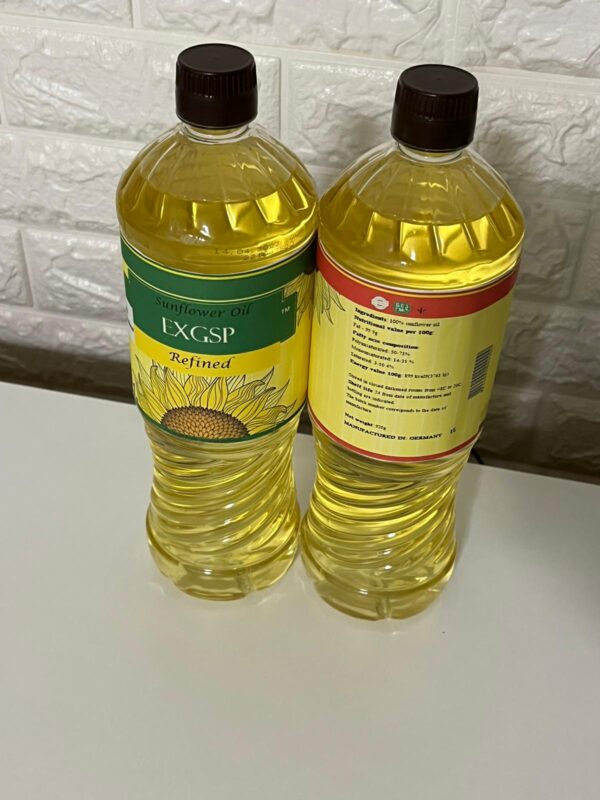
- Refined sunflower oil for premium retail brands
- Refined canola oil for health-focused brands
- RBD coconut oil and virgin coconut oil for food, cosmetics and soap
Palm olein makes up most of what we send as a vegetable oil supplier to Africa from Thailand. It’s affordable, it stands up to heavy frying, and it doesn’t go cloudy in a hot warehouse the way it might in a cold country. For many African wholesalers it’s the bread-and-butter product.
Product Specifications
As a vegetable oil supplier to Africa from Thailand, we have every shipment checked by an independent surveyor at loading. You get the certificate of analysis with the documents, so your regulator and your bank both see the same numbers.
RBD palm olein CP10
| Parameter | Specification |
|---|---|
| Free fatty acid (as palmitic) | Max 0.1% |
| Moisture and impurities | Max 0.1% |
| Iodine value (Wijs) | Min 56 |
| Cloud point | Max 10°C |
| Melting point | Max 24°C |
| Colour (Lovibond 5¼”) | Max 3 Red |
| Peroxide value | Max 2.0 meq O2/kg at loading |
RBD palm olein CP8
| Parameter | Specification |
|---|---|
| Free fatty acid (as palmitic) | Max 0.1% |
| Moisture and impurities | Max 0.1% |
| Iodine value (Wijs) | Min 58 |
| Cloud point | Max 8°C |
| Colour (Lovibond 5¼”) | Max 3 Red |
Refined soybean oil
| Parameter | Specification |
|---|---|
| Free fatty acid (as oleic) | Max 0.1% |
| Peroxide value | Max 2.0 meq O2/kg at loading |
| Moisture and impurities | Max 0.1% |
| Iodine value (Wijs) | 124 to 139 |
| Colour (Lovibond 5¼”) | Max 2.5 Red / 25 Yellow |
Refined sunflower oil
| Parameter | Specification |
|---|---|
| Free fatty acid (as oleic) | Max 0.1% |
| Peroxide value | Max 2.0 meq O2/kg at loading |
| Moisture and volatile matter | Max 0.05% |
| Iodine value (Wijs) | 118 to 141 |
| Cold test | Clear after 5.5 hours at 0°C |
Our specs follow Codex Alimentarius standards for named vegetable oils. If your country adds vitamin A fortification rules or its own limits, tell us at the offer stage and we’ll confirm whether we can meet them. Fortified palm olein is available for markets that require it.
Packing for African Markets
Packing is where a good vegetable oil supplier to Africa from Thailand earns its keep. The right pack depends on who you sell to.
| Packing | Oil per 20ft container (approx.) | Who it suits |
|---|---|---|
| Flexitank | 20 to 22 MT | Refiners, bottlers, large factories with tanks |
| 20 litre jerrycans | About 1,000 to 1,100 jerrycans | Market wholesalers, restaurants, caterers |
| 18 litre tins | About 1,100 tins | Bakeries, traditional trade |
| 190 kg drums | 80 drums | Soap makers, small factories |
| 1L to 5L PET bottles | Varies by mix | Supermarkets, retail distributors |
Jerrycans are the favourite in West Africa. They’re tough, they stack, and the end customer can reuse them. We use food-grade HDPE with tamper-evident caps and your label printed or stuck on. For bottles, we can print your brand, your language and your regulator’s registration number.
If you’re buying bulk for the first time, have a read of our guide on how to unload palm oil from a flexitank. Palm olein can firm up in cooler weather or after a long voyage, and a little warming makes discharge much easier.
Shipping Routes and Transit Times
We load from Laem Chabang, and sometimes Bangkok or Songkhla. Some services to Africa are direct, others transship in Singapore, Port Klang or Colombo. Typical transit times from loading:
| Region | Common ports | Typical transit |
|---|---|---|
| East Africa | Mombasa, Dar es Salaam, Djibouti | 20 to 30 days |
| Southern Africa | Durban, Maputo, Walvis Bay | 25 to 35 days |
| West Africa | Apapa, Tin Can, Tema, Abidjan, Lomé, Cotonou, Dakar | 35 to 50 days |
| North Africa | Alexandria, Casablanca, Algiers | 30 to 45 days |
| Central Africa | Pointe-Noire, Libreville, Matadi | 40 to 55 days |
These are rough guides from our own records as a vegetable oil supplier to Africa from Thailand. Port congestion and transshipment can add a week or more, especially into busy West African ports. As a vegetable oil supplier to Africa from Thailand, we always tell you the vessel, the routing and the expected arrival before you pay, and we update you if anything slips.
For landlocked countries such as Uganda, Rwanda, Zambia, Malawi, Burkina Faso or Mali, we ship to the nearest coastal port and your clearing agent handles the inland leg. We can quote CIF to the port and leave inland transport to you, or put you in touch with forwarders we’ve worked with.
Prices and How We Quote
As your vegetable oil supplier to Africa from Thailand, we usually quote CIF to your port in US dollars per metric ton for bulk, or per jerrycan or carton for packed oil. The price is built from the oil, packing, origin charges, ocean freight and insurance. Palm olein prices follow the Malaysian and Indonesian palm market, and freight to Africa moves with container demand on the route.
If you want to understand how a CIF price is put together, we’ve written a full guide on the bulk vegetable oil price CIF. It walks through a worked example and the most common mistakes buyers make when comparing offers.
As a vegetable oil supplier to Africa from Thailand, we don’t publish fixed price lists, because they’d be wrong within a week. Instead we send a firm offer with a clear validity, normally 24 to 72 hours.
Documents and Import Rules
African customs and food regulators tend to be strict on documents, and a missing certificate can hold a container for weeks. That costs you demurrage and lost sales. We send a full set with every shipment:
- Commercial invoice and packing list
- Bill of lading
- Certificate of origin, including Form A or other forms where they help on duty
- Certificate of analysis from an independent surveyor
- Health certificate or fitness for human consumption certificate
- Halal certificate
- Fumigation or phytosanitary certificate if your country asks for it
- Insurance certificate on CIF shipments
Some countries also need product registration before import. In Nigeria, edible oils need NAFDAC registration. Kenya has KEBS standards and pre-export verification. Ghana runs registration through its Food and Drugs Authority. We’ve helped buyers prepare the technical files for these, including spec sheets, test reports and label artwork. Being a vegetable oil supplier to Africa from Thailand means we’ve seen most of these processes before, so we can usually tell you what’s coming.
Who We Work With in Africa
Customers of ours as a vegetable oil supplier to Africa from Thailand range from family wholesalers buying a container every two months to large distributors taking ten or more a month. Typical buyers:
- Edible oil importers and market wholesalers
- Supermarket and retail distributors
- Bottlers and private label brands
- Noodle, snack, biscuit and bakery factories
- Hotels, restaurant groups and caterers
- Soap and detergent makers buying crude palm oil or coconut oil
What they want from a vegetable oil supplier to Africa from Thailand is mostly the same: the same quality every time, honest communication, and paperwork that doesn’t cause trouble at the port.
How to Order
- Send us the oil, grade, packing, quantity and destination port
- We send a firm CIF offer with spec sheet and shipment window
- You confirm and we issue a sales contract and proforma invoice
- Payment by irrevocable LC at sight, or TT with a deposit and balance against documents
- We load, inspect, seal and ship, then send scanned documents within a few days
- Original documents go by courier or through your bank
If you’re new to working with a vegetable oil supplier to Africa from Thailand, we suggest starting with one or two containers. Once you’re happy with the oil and the service, we can move to a monthly contract with fixed shipments, which usually gets you better pricing.
8 Proven Tips for Buying Vegetable Oil from Thailand
We’ve learned these over many shipments. They’ll save you money and headaches, whichever vegetable oil supplier to Africa from Thailand you end up using.
1. Register your products early
If your country needs product registration, start before you order. It can take months, and you don’t want oil sitting at the port while you wait.
2. Pick palm olein for hot climates
CP10 handles heat well and is good value for frying. If your customers want a clearer oil in bottles, CP8 or soybean oil look better on the shelf in cooler areas.
3. Watch the West African transit time
Routes to West Africa often transship. Order with enough lead time, and keep some stock on hand so a late vessel doesn’t empty your warehouse.
4. Check your clearing agent’s experience with food
A good agent who knows your food authority will clear oil in days. A poor one can cost you weeks.
5. Use jerrycans for wholesale, bottles for retail
Jerrycans move fast in open markets. Supermarkets want branded bottles with a barcode. Don’t mix them up in your planning.
6. Ask about vitamin A fortification
Several African countries require it for edible oils. Tell your vegetable oil supplier to Africa from Thailand early so it’s done at the refinery.
7. Plan around the rainy season
Heavy rains slow down port trucking in some places. Ship a little earlier, or hold more stock, before the wet months.
8. Build a monthly contract
Once trust is there, a monthly contract gives you steady supply and better prices than buying spot each time.
Quality Control From Tank to Container
We don’t just trust the refinery’s paperwork. Before any container leaves Thailand:
- The oil in tank is checked against your contract spec
- An independent surveyor samples and tests at loading
- Flexitanks are new, single use and food grade, with certificates
- Jerrycans and bottles are checked for leaks and correct labelling
- Containers are inspected for cleanliness and damage before stuffing
- Seals are recorded and photographed
We keep retention samples for six months. If there’s ever a question when the oil arrives, there’s evidence on both sides. That’s how a vegetable oil supplier to Africa from Thailand should work, and it’s how we run every load.
Why Choose Us as Your Vegetable Oil Supplier to Africa from Thailand
There are plenty of traders who’ll send you a price. The difference shows up after you pay. Here’s what our customers tell us they value:
- We answer quickly, usually the same day, and we tell you if there’s a problem before you find it yourself
- We give you vessel and routing details up front, so you can plan your stock
- Our documents are checked twice before they’re released, because one wrong digit on a certificate can hold a container
- We keep the same refinery and the same spec for repeat buyers, so your customers don’t notice a change
- We’re happy to start small and grow with you
A vegetable oil supplier to Africa from Thailand has to be easy to reach. Time zones matter here. Thailand is a few hours ahead of East Africa and around six or seven hours ahead of West Africa, which means your morning questions land during our working afternoon, and you usually have an answer before lunch.
We also don’t disappear once the oil is loaded. If your container is held at the port, we help with whatever document or clarification the authority wants. That’s part of the job for any serious vegetable oil supplier to Africa from Thailand, and our repeat customers will tell you it’s the part that matters most.
Where We Ship Most Often
Every African market is different. A few notes from experience:
Nigeria
One of the biggest edible oil markets on the continent. Buyers here mostly want palm olein in 20 litre jerrycans and refined soybean oil for bottling. NAFDAC registration and correct labelling are essential, and Apapa and Tin Can can be congested, so build in extra time.
Ghana, Côte d’Ivoire, Togo and Benin
Strong demand for palm olein and bottled oil. Tema, Abidjan, Lomé and Cotonou are all regular destinations for us. Lomé and Cotonou also serve landlocked neighbours inland.
Senegal and the Sahel
Dakar is the gateway for Senegal, Mali and nearby countries. Buyers often want soybean or sunflower oil in bottles alongside palm olein for wholesale.
Kenya, Tanzania and Uganda
East Africa has the shortest transit from Thailand, which makes us a natural vegetable oil supplier to Africa from Thailand for this region. Mombasa and Dar es Salaam serve Uganda, Rwanda, Burundi, eastern DR Congo and Zambia too. Crude palm oil for local refineries and palm olein in jerrycans are both popular.
Southern Africa
Durban, Maputo and Walvis Bay handle most of our southern shipments. Sunflower and canola oil sell well here alongside palm olein, and retail bottles need English labels with full nutrition panels.
North Africa
Egypt, Morocco and Algeria buy a lot of soybean and sunflower oil for bottling, and palm olein for food factories. Spec sheets and halal documents are checked carefully.
Whatever your market, tell us where the oil will be sold and we’ll suggest the oil, grade and packing that usually works there. That local knowledge is something a good vegetable oil supplier to Africa from Thailand should bring to the table.
Mixing Oils and Packs in One Container
Smaller buyers often can’t sell a full container of one oil in one go. That’s fine. We can load a 20ft or 40ft container with a mix, for example jerrycans of palm olein, cartons of 1 litre sunflower oil and a few pallets of 5 litre soybean oil. You pay one freight and test the market for several products at once.
Mixed loads take a little more planning at the warehouse, so allow a few extra days. As a vegetable oil supplier to Africa from Thailand, we’ll send you a loading plan showing exactly what goes where, so your team knows what to expect when they open the doors.
Common Problems and How We Avoid Them
Things do go wrong in shipping. These are the most common issues buyers in Africa face, and what we do about each:
- Leaking jerrycans: we use heavier HDPE, induction-sealed caps and tight stacking with cardboard between layers
- Oil firming up in the flexitank: we advise on heating pads for palm olein in cooler months or long voyages
- Documents with errors: two people check every document before release
- Late vessels: we give realistic dates, not the best case, and update you if routing changes
- Label rejections: we send label artwork for your approval and your regulator’s check before printing
No vegetable oil supplier to Africa from Thailand can promise nothing will ever go wrong at sea. What we can promise is that we’ll tell you early, and we’ll help fix it.
About Us
We’re a Thai exporter of bulk and packed vegetable oils, shipping to buyers across Africa, the Middle East, Asia, Europe and the Americas. Palm products come from Thai mills and refineries; other oils are sourced from established producers and shipped under the same quality system. Read more on our about us page, or browse our full product range.
If you’re comparing options, our guides on palm oil exports to Africa, crude palm oil for Kenya, crude palm oil from Thailand and the RBD palm olein CP10 bulk price go into more detail. You can also see our main palm oil, soybean oil and sunflower oil pages.
For North African buyers, especially refiners, our guide on finding a soybean oil bulk supplier Egypt has the soybean oil specs and documents.
Frequently Asked Questions
What’s the minimum order?
One 20ft container, the same with any vegetable oil supplier to Africa from Thailand that ships by sea. For jerrycans or bottles, you can mix sizes and oils within that container.
Do you ship to my country?
If there’s a container service to your port, yes. As a vegetable oil supplier to Africa from Thailand, we ship across North, West, East, Central and Southern Africa.
Can you put my brand on the jerrycans?
Yes. We print or label jerrycans and bottles with your brand, language and registration numbers.
Is your palm olein halal?
Yes. As a vegetable oil supplier to Africa from Thailand, we supply halal certificates with every shipment that needs them.
What payment terms do you accept?
LC at sight, or TT with a deposit and balance against copy documents. Terms can improve as we build a history together.
How long does palm olein keep?
About 12 to 18 months in sealed packaging, stored out of direct sun. We also send sunflower oil in flexitanks and deodorized sunflower oil in bulk to African buyers.
Talk to a Vegetable Oil Supplier to Africa from Thailand
Tell us the oil, packing, quantity and your port, and we’ll send a firm CIF offer with the spec sheet and expected arrival date, usually within one working day. That’s the simplest way to see whether we’re the right vegetable oil supplier to Africa from Thailand for you.
Email info@dthcompanyltd.com, call or WhatsApp +66 91 765 9104, or use our contact page.








2 thoughts on “Vegetable Oil Supplier to Africa from Thailand: Reliable Direct Offer and 8 Proven Tips”