

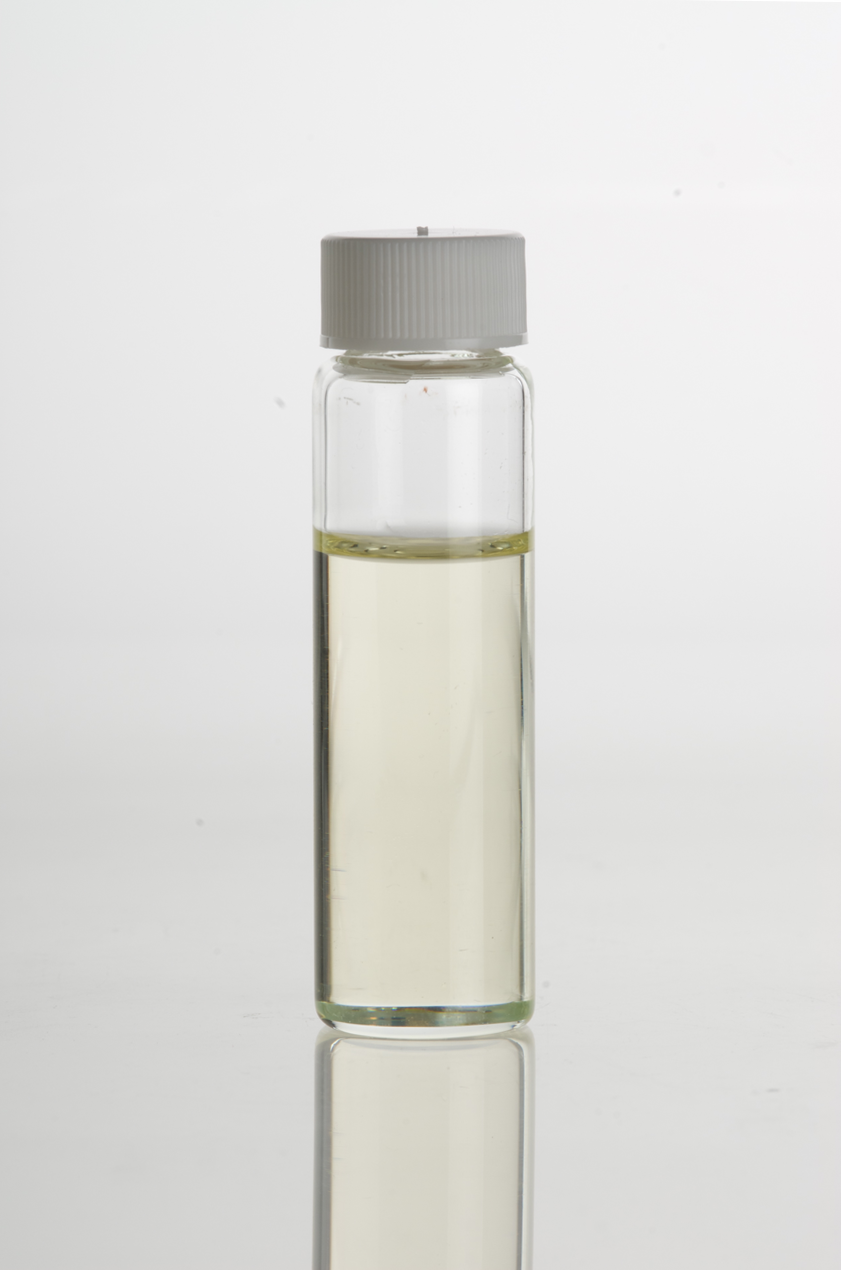
Most buyers who contact us about high oleic oil have been let down at least once already. The oleic figure came in at 72% when the contract said 80. The oil darkened in the fryer far sooner than they’d been promised. Or the seller went quiet the day after the deposit cleared. So we’ll keep this page practical. We are a high oleic sunflower oil supplier shipping refined HOSO in flexitanks, ISO tanks, drums, IBCs, jerrycans and retail bottles to food factories, distributors and restaurant groups around the world.
Below you’ll find the exact specs we load to, how we pack the oil, what moves the price, and the questions we’d put to any high oleic sunflower oil supplier before signing, including us. If you just want a price from a high oleic sunflower oil supplier today, skip to the bottom and send us your quantity and port.

Table of Contents
What You Get From Us as a High Oleic Sunflower Oil Supplier
A decent high oleic sunflower oil supplier doesn’t sell one generic “HOSO” and hope it fits. We certainly don’t. Buyers use this oil for very different jobs, so we keep a few grades on offer and match the grade to the job.
- Refined high oleic sunflower oil, 80% oleic minimum. Our standard grade. Neutral taste, pale colour, long fry life. This is what most snack makers and food service buyers take.
- Premium high oleic, 85% oleic minimum. For crisp and nut roasters who want the longest possible shelf life, and for cosmetic and pharma buyers who need tight oxidation figures.
- Crude high oleic sunflower oil. For refiners with their own plant. Lower price, wider FFA limit.
- Organic high oleic oil. Available on request from certified crops. See our organic sunflower oil page for that range.
You can see the product itself on our high oleic sunflower oil for sale page. If you’re not sure you even need the high oleic type, our plain comparison of high oleic vs regular sunflower oil will help you decide in about five minutes.
High Oleic Sunflower Oil Specifications We Load To
These are the figures we write into the contract as your high oleic sunflower oil supplier, and the figures the independent surveyor checks at loading. They are not “typical” numbers pulled from a brochure. If a lot doesn’t meet them, it doesn’t go in your tank.
| Parameter | Our limit |
|---|---|
| Oleic acid (C18:1) | 80% min (85% min on premium grade) |
| Linoleic acid (C18:2) | 10% max |
| Saturated fatty acids | About 7 to 10% |
| Free fatty acid (as oleic) | 0.1% max |
| Peroxide value | 2.0 meq O2/kg max at loading |
| Moisture and volatile matter | 0.05% max |
| Insoluble impurities | 0.05% max |
| Colour (Lovibond 5 1/4 inch cell) | 1.5 red max |
| Iodine value (Wijs) | About 78 to 90 |
| Odour and taste | Neutral, clean |
| Smoke point | About 230 to 245 °C |
| Shelf life | 18 to 24 months sealed, cool and dry |
The international reference for these oils is the Codex standard for named vegetable oils, which sets the accepted fatty acid ranges for high oleic sunflower oil. You can read the official text on the Codex Alimentarius website, and we’ve written a shorter buyer’s summary in our post on the Codex standard for named vegetable oils.
Every lot comes with a full certificate of analysis that lists the fatty acid breakdown from gas chromatography, not just FFA and colour. If you’ve never read one closely, our guide to the certificate of analysis for edible oil shows which lines matter and which you can skim.
Why the Oleic Number Matters More Than the Label
Here’s the part a lot of sellers skip. “High oleic” on an invoice means nothing on its own. Ordinary sunflower oil has roughly 20 to 35% oleic acid and 55 to 70% linoleic. Mid oleic sits around 55 to 75%. True high oleic is 80% and above. The higher the oleic, the lower the linoleic, and linoleic is the fatty acid that oxidises fastest when it meets heat and air.
In a fryer, that difference is easy to see. Regular sunflower oil foams, darkens and starts to smell after a few days of heavy use. High oleic oil holds its colour and flavour for noticeably longer, so you top up and change less often. In a packet of crisps or roasted nuts, the same chemistry decides whether the product tastes fresh at month eight or stale at month four.
That’s why a good high oleic sunflower oil supplier sends the GC report for the actual lot, not a two-year-old spec sheet. Some blended oils are sold as HOSO with oleic at 70 to 75%. They’re cheaper for a reason. If you want to see how the full fatty acid profile shifts between types, have a look at our sunflower oil fatty acid composition breakdown, our page on mid oleic sunflower oil, and the opposite end of the scale with our high linoleic sunflower oil. The general background on the fatty acid itself is on Wikipedia’s oleic acid page.
Who Buys From a High Oleic Sunflower Oil Supplier Like Us
Customers of a high oleic sunflower oil supplier are mostly businesses that use oil every day and notice when it goes wrong. Ours are no different. A few typical groups:
Snack, crisp and nut manufacturers
This is the biggest group. Oil ends up inside the product, often 30% or more of the finished weight in potato crisps. If that oil oxidises, the whole batch tastes off before the best-before date. High oleic oil fixes much of that problem without adding hydrogenated fat. Our notes on the best oil for potato chips manufacturing go deeper on fry temperatures and oil turnover. Snack plants are usually the fussiest customers any high oleic sunflower oil supplier has, and they’re right to be.
Restaurant chains, caterers and food service distributors
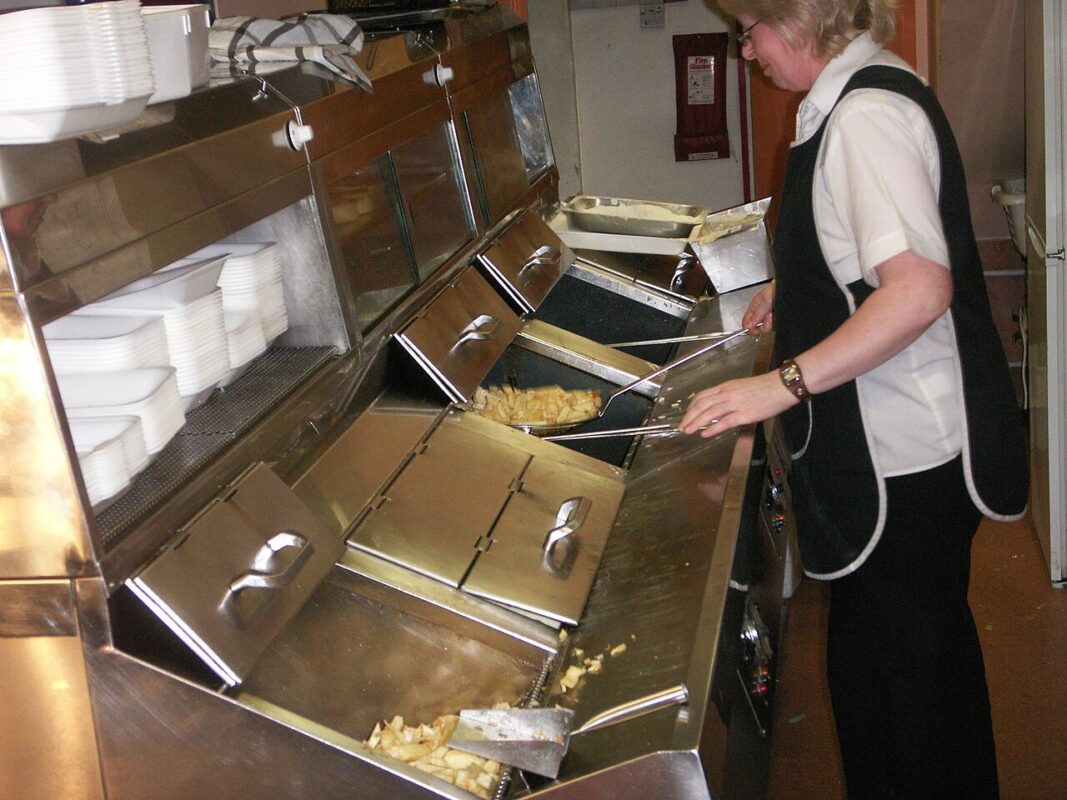
For these buyers the maths is about how many days the oil lasts in the fryer. A tin of high oleic oil costs more than a tin of regular sunflower oil, but if it lasts nearly twice as long the monthly bill usually drops. Ask any high oleic sunflower oil supplier for fry-life figures from real kitchens, not only lab tests. We cover that in more detail in our article on high oleic sunflower oil for frying applications and in our guide on how often to change fryer oil.
Bakeries and confectionery plants
Crackers, biscuits and cereal bars often get a light spray of oil after baking. That thin film is exposed to air for months, so stability matters more than price per kilo. High oleic oil also stays liquid and clear, which keeps the spray nozzles happy. Bakeries tend to buy in drums or IBCs, so pick a high oleic sunflower oil supplier that can pack those and not only flexitanks.
Infant food, cosmetics and pharmaceutical makers
These buyers need traceability and very low oxidation more than anything else. Not every high oleic sunflower oil supplier can document the chain from seed to drum, so ask early. We supply tighter-spec lots with extra documentation. If that’s you, our page for pharmaceutical grade sunflower oil explains what changes.
Importers, distributors and private label brands
Some customers buy in bulk and bottle under their own name. As a high oleic sunflower oil supplier with its own bottling partners, we can do the bottling for you too. See our private label cooking oil service if you’d rather receive finished bottles than a flexitank.
Packing Options and How Much Fits in a Container
As a high oleic sunflower oil supplier we pack to suit the buyer’s site, not ours. A snack factory with a 50 tonne storage tank wants bulk. A wholesaler in a city market wants 20 litre jerrycans on pallets. Here’s what we offer:
| Packing | Approx. quantity | Best for |
|---|---|---|
| Flexitank in 20 ft container | 20 to 22 MT | Factories and refiners with bulk tanks |
| ISO tank | 20 to 24 MT | Buyers who want a reusable steel tank |
| Steel drums, about 190 kg | 80 drums per 20 ft | Smaller plants and repackers |
| IBC, 1,000 litre | About 20 per 20 ft | Food service depots, mid-size users |
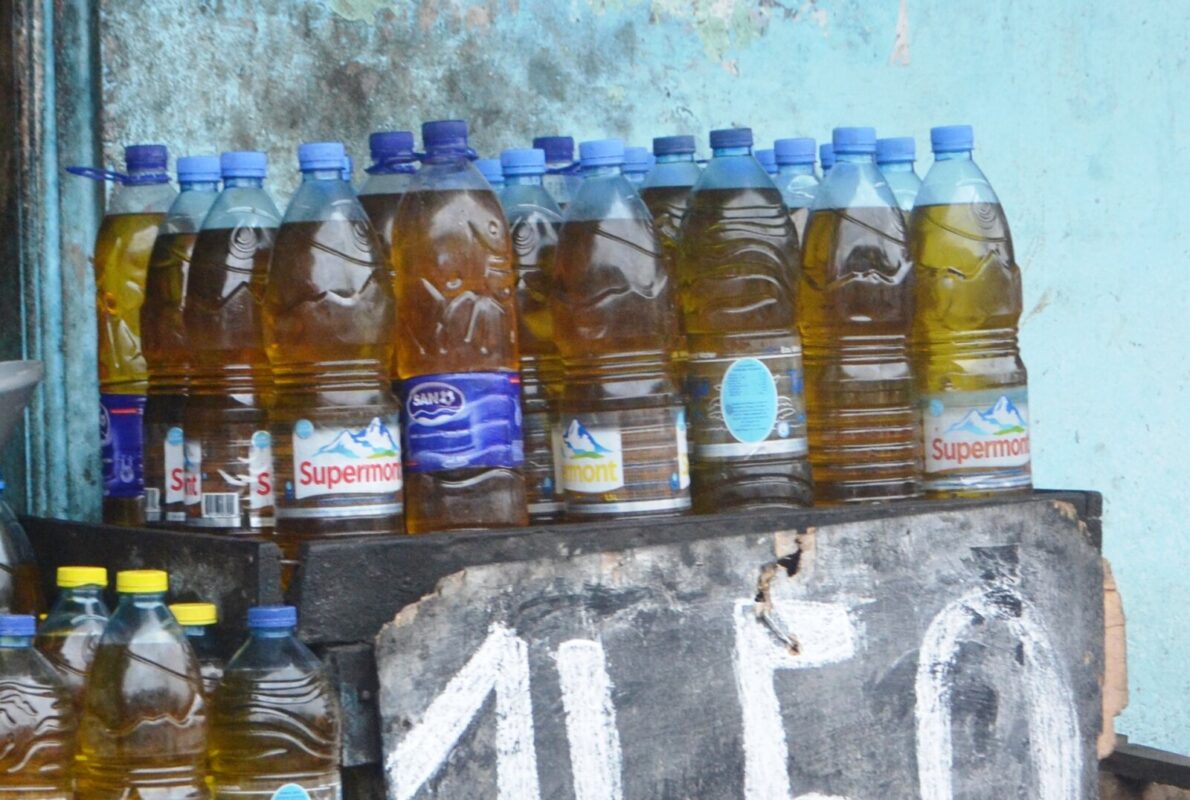
| Tins and jerrycans, 18 to 25 litre | Varies by size | Restaurants, caterers, market trade |
| PET bottles, 1 to 5 litre | Varies by mix | Supermarkets and private label |
Whichever high oleic sunflower oil supplier you use, bulk is always cheapest per tonne. If you’re weighing up bulk options, read our flexitank vs ISO tank comparison and our guide to buying sunflower oil in flexitank. For packed goods, our pages on the 20 litre jerrycan, the 18 litre tin and 5 litre bottles give loading details. If you want the numbers for a full box, see how much cooking oil fits in a 20ft container.
How Our High Oleic Oil Is Made and Checked
High oleic sunflower oil starts in the field. The seed comes from hybrids bred over decades to produce more oleic acid. It’s conventional plant breeding, so the oil is non-GMO and we can give you a non-GMO statement with each shipment.
After harvest the seed is cleaned, pressed and extracted. The crude oil then goes through full refining: degumming, neutralising, bleaching, winterising and deodorising. Winterising takes out the natural waxes so the oil stays clear in a cold warehouse. Deodorising strips out the smell and taste, which is why refined high oleic oil is so neutral. If you want the details, we’ve written about winterized sunflower oil and about deodorized sunflower oil uses.
With us as your high oleic sunflower oil supplier, quality checks happen three times. The refinery tests each batch. We take our own retained sample. Then an independent surveyor draws samples while the oil is pumped into your tank or packed, and their report goes out with your documents. Our post on pre-shipment inspection for edible oil explains how to nominate your own surveyor if you prefer.
The two numbers that tell you most about freshness are free fatty acid and peroxide value. If you want to understand what they mean in plain words, our guide to free fatty acid and peroxide value is a good place to start.
What Drives the Price From a High Oleic Sunflower Oil Supplier
High oleic oil normally trades at a premium over regular refined sunflower oil. The size of that premium moves with the seed crop, because only part of each year’s sunflower harvest is high oleic. A poor season in one of the main growing regions can widen the gap quickly. On top of the base oil price, your final cost depends on:
- Oleic level. 85% oil costs more than 80% oil.
- Packing. A flexitank is far cheaper per tonne than 1 litre bottles with labels and cartons.
- Incoterm. FOB, CFR and CIF include different costs. Our page on CIF vs FOB vegetable oil shows the difference.
- Volume and contract length. A monthly contract for six months gets a better price than a single spot container.
- Certificates. Organic, halal, kosher and pharma documents can add cost.
- Payment terms. LC at sight, TT with deposit and deferred terms all price differently.
When you compare offers, make sure each high oleic sunflower oil supplier is quoting the same oleic minimum, packing, Incoterm and payment terms. If they aren’t, you’re comparing apples with pears. For a deeper look at how the numbers stack up, read our high oleic sunflower oil wholesale price guide and our sunflower oil price forecast for 2027.
One more thing on price. Look at cost in use, not cost per tin. A restaurant that changes regular oil every four days and high oleic oil every seven ends up spending less on the dearer oil over a month. We’ve seen this play out again and again with food service customers who switched.
7 Proven Tips for Choosing a High Oleic Sunflower Oil Supplier
These come from years of watching deals go well and go badly. Use them on us. Use them on any high oleic sunflower oil supplier you talk to.
- Ask for the GC fatty acid report for the lot you’re buying. Not a sample report from last year. Oleic, linoleic and saturates should all be listed. If the high oleic sunflower oil supplier can’t produce it, walk away.
- Test a sample from the real lot. A pre-shipment sample tells you far more than a pretty bottle sent from an office. See how to request edible oil samples.
- Put the oleic minimum in the contract with a remedy. Write what happens if oleic comes in below 80%: a price discount per point, or the right to reject. Any serious high oleic sunflower oil supplier will accept a clause like this.
- Check peroxide value at loading and think about transit time. A long voyage in hot weather adds oxidation. Ask about nitrogen blanketing for bulk and keep the oil out of direct sun when it lands.
- Check the paperwork before you pay. Our list of documents required to import vegetable oil covers what your customs broker will ask for.
- Use safe payment terms on a first order. A letter of credit protects both sides. Read LC vs TT payment before you agree to 100% advance with anyone.
- Be suspicious of prices far below the market. They are the oldest trick in this trade. No genuine high oleic sunflower oil supplier can sell far below the cost of the seed for long. Our guide on spotting a fake vegetable oil supplier lists the warning signs we see every month.
Documents and Certificates That Ship With Every Order
Every order from our high oleic sunflower oil supplier desk leaves with a full set of papers so your goods clear customs without a fight:
- Commercial invoice and packing list
- Bill of lading
- Certificate of analysis with full fatty acid profile
- Certificate of origin
- Health or sanitary certificate where the destination needs it
- Independent inspection report for quality and quantity
- Non-GMO statement
- Halal and kosher certificates on request
- Safety data sheet (see our sunflower oil MSDS page)
For certified orders, see our pages on halal certified cooking oil, kosher sunflower oil and our ISO 22000 food safety system. Your customs broker will also want the right tariff line, which we list in our sunflower oil HS code guide.
How to Order From Our High Oleic Sunflower Oil Supplier Team
Ordering is straightforward. Most first orders with a new high oleic sunflower oil supplier go like this:
- Send us the basics. Grade (80% or 85% oleic), quantity, packing, destination port and any certificates you need.
- Get a written offer. Usually within one working day, with recent COAs attached.
- Approve a sample if you want one. We courier it from the lot.
- Sign the contract and arrange payment. LC at sight or TT with deposit and balance against documents.
- Loading and inspection. Bulk usually loads one to three weeks after payment. Private label bottles take longer on a first order, often four to six weeks.
- Documents are sent by courier or through the bank.
- Your oil arrives. Transit time depends on your port. Asia is often one to three weeks, Europe and the Americas longer.
If you’re a new buyer, our page on minimum order quantity for bulk cooking oil explains why we start at one full container. You can also learn more about our company or browse all our edible oil products, including refined sunflower oil and high oleic soybean oil.
Shipping Times From Your High Oleic Sunflower Oil Supplier
People often ask how long the oil takes to reach them. It depends on the port, the shipping line and whether there’s a transhipment on the way. These are rough door-to-port times from loading, based on recent shipments:
| Destination | Approx. transit |
|---|---|
| South and Southeast Asia | 1 to 3 weeks |
| East Asia and Oceania | 2 to 4 weeks |
| Middle East | 3 to 5 weeks |
| Africa | 3 to 6 weeks |
| Europe | 4 to 6 weeks |
| North America and the Caribbean | 4 to 7 weeks |
| Latin America | 5 to 8 weeks |
Add loading time on top. A good high oleic sunflower oil supplier tells you the vessel name, the ETD and the ETA as soon as the booking is confirmed, and updates you if anything slips. We send tracking details with the draft documents so you can follow the container yourself.
High oleic oil handles long voyages better than regular sunflower oil because it oxidises more slowly. Still, heat is the enemy. For routes through very hot regions we load as close to the vessel cut-off as we can, and for bulk we can add a nitrogen blanket. When you land the oil, move it into clean, dry storage away from sunlight. If you’re unloading a flexitank for the first time, our note on sunflower oil flexitank shipment walks through it step by step.
Regular buyers often set up a monthly or fortnightly schedule. That’s where a high oleic sunflower oil supplier earns its keep: the same spec, the same documents and the same packing every time, so your production team never has to adjust.
Common Problems Buyers Have Had With Other Suppliers
We hear the same stories from buyers who moved to us from another high oleic sunflower oil supplier. Knowing them helps you avoid them.
The oleic figure was lower than promised. This is the most common one. The seller quoted HOSO, the oil arrived at 70 to 75% oleic, and the buyer only found out when the fryer started foaming early. The fix is simple: a GC report per lot and a clause in the contract.
The oil was cloudy in winter. That usually means it wasn’t winterised properly. It doesn’t make the oil unsafe, but supermarkets reject cloudy bottles. Ask your high oleic sunflower oil supplier for the cold test result.
The flexitank leaked or wasn’t fitted well. Bad fitting causes most flexitank problems. We use approved bags, fitted by trained crews, and we photograph every installation. A careful high oleic sunflower oil supplier sends you those photos without being asked.
The documents were wrong. A misspelled consignee name or the wrong HS code can hold a container in port for weeks and run up storage charges. We have the draft documents checked by the buyer before the originals are issued.
Frequently Asked Questions
What is the minimum order for high oleic sunflower oil?
For us, and for most bulk high oleic sunflower oil supplier offers you’ll see, it’s one 20 ft container. That’s about 21 MT in a flexitank, or a full container of drums, IBCs, tins or bottles. We can mix pack sizes in one container for packed goods.
Is high oleic sunflower oil genetically modified?
No. The high oleic trait comes from conventional breeding. We supply a non-GMO statement with each order.
How long does high oleic sunflower oil keep?
Usually 18 to 24 months in sealed packs kept cool and out of the light. Bulk oil should go into clean storage tanks soon after arrival. Our post on the shelf life of sunflower oil has storage tips.
Can you supply oil above 85% oleic?
Yes, in limited volumes. Tell us the figure you need and we’ll check what lots are available.
Which countries do you ship to?
As a high oleic sunflower oil supplier we ship worldwide, including Asia, the Middle East, Africa, Europe, North and South America, the Caribbean and Oceania. If a container line calls at your port, we can usually get oil there.
Is high oleic oil good for deep frying?
It’s one of the best choices you can make for deep frying. It has a high smoke point and resists breakdown far better than regular sunflower oil. See is sunflower oil good for frying and our cooking oil smoke point chart.
How do I know you’re a real high oleic sunflower oil supplier?
Ask for our company registration, a video call, recent bills of lading with names hidden, and an LC on your first order. A real exporter won’t mind any of that.
Get a Price From a High Oleic Sunflower Oil Supplier That Answers Fast
Tell us the oleic grade, quantity, packing and destination port. We’ll send a written offer with recent COAs, normally within one working day. No pressure, no endless chasing.
Email info@dthcompanyltd.com, call or WhatsApp +66 91 765 9104, or use our contact page.





One thought on “High Oleic Sunflower Oil Supplier: Trusted Bulk Specs, Packing and 7 Proven Buying Tips”