

Finding a high linoleic sunflower oil supplier sounds easy, since most sunflower oil sold in the world is the linoleic type. It isn’t quite that simple. If you make cosmetics, coatings, nutrition products or certain foods, you need oil with a guaranteed linoleic acid level, not just whatever came off the line that week. We supply high linoleic sunflower oil in refined, crude and cold pressed grades, in bulk and drums, to buyers worldwide. This page covers the specs we guarantee, where the oil is used, how it’s packed and what drives the price.

I work on the export side and spend a lot of my day answering questions from technical buyers. Chemists in cosmetic labs, purchasing managers at resin plants, food technologists. Their questions are sharper than most, so I’ve tried to answer them properly here, the way a high linoleic sunflower oil supplier should.
Table of Contents
What Is High Linoleic Sunflower Oil?
Sunflower oil comes in three main types, based on the seed variety:
- High linoleic (regular) sunflower oil, where linoleic acid makes up most of the oil, usually 55 to 72%.
- Mid oleic sunflower oil, with roughly 55 to 75% oleic acid and 15 to 35% linoleic. Read more in mid oleic sunflower oil.
- High oleic sunflower oil, with 75 to 90% oleic acid and very little linoleic.
High linoleic is the traditional sunflower oil. It’s what most people have in their kitchen. Linoleic acid is an omega 6 polyunsaturated fat, and it’s an essential fatty acid, meaning the body needs it but can’t make it. There’s a clear summary of the chemistry on Wikipedia’s linoleic acid page.
The catch is that linoleic content varies with climate. Seed grown in cooler areas tends to produce more linoleic acid, while hot growing seasons push it down. So a serious high linoleic sunflower oil supplier has to pick seed by origin and test every lot, rather than assume it’ll be in range.
High Linoleic Sunflower Oil Grades We Supply
As a high linoleic sunflower oil supplier, we offer:
| Grade | Linoleic acid | Main uses |
|---|---|---|
| Refined, bleached, deodorized (RBD), winterized | 60% min, 65% min on request | Food, mayonnaise, dressings, bottled oil |
| Refined cosmetic grade, low peroxide | 62% min | Skin care, hair care, massage oils |
| Cold pressed virgin | 60% min | Natural cosmetics, health food |
| Crude degummed | 58% min | Refineries, alkyd resins, biodiesel, feed |
| Organic refined or cold pressed | 60% min | Organic food and cosmetics |
The base products are listed on refined sunflower oil, crude sunflower oil and organic sunflower oil. If you need unrefined oil, we’ve written a separate guide for buyers looking for an unrefined sunflower oil bulk supplier.
Fatty Acid Specification
This is the part technical buyers care about most. We guarantee the linoleic minimum and report the full profile by GC on every certificate of analysis.
| Fatty acid | Range we ship |
|---|---|
| Palmitic C16:0 | 5.0 to 7.5% |
| Stearic C18:0 | 2.5 to 6.0% |
| Oleic C18:1 | 16 to 30% |
| Linoleic C18:2 | 60 to 72% (guaranteed min 60%) |
| Linolenic C18:3 | 0.3% max |
| Arachidic C20:0 | 0.5% max |
| Behenic C22:0 | 0.5 to 1.0% |
| Trans fatty acids (refined grade) | 1.0% max |
For more background on these numbers, read sunflower oil fatty acid composition. The Codex Alimentarius standard for named vegetable oils gives the official ranges for each sunflower type, and our grades sit inside them.
Refined High Linoleic Sunflower Oil Specifications
| Parameter | Specification |
|---|---|
| Free fatty acid (as oleic) | 0.10% max |
| Peroxide value at loading | 2.0 meq/kg max (1.0 max cosmetic grade) |
| Anisidine value | 10 max |
| Moisture and volatile matter | 0.05% max |
| Insoluble impurities | 0.05% max |
| Colour (Lovibond 5¼ inch) | 3.0 Red max |
| Iodine value (Wijs) | 125 to 140 |
| Saponification value | 188 to 194 mg KOH/g |
| Unsaponifiable matter | 1.5% max |
| Relative density at 20 °C | 0.918 to 0.923 |
| Cold test | 5.5 hours min at 0 °C |
| Vitamin E | 400 to 700 mg/kg, mostly alpha tocopherol |
Iodine value is a quick way to check how unsaturated the oil is. High linoleic oil has a higher iodine value than high oleic. If you want the detail, read iodine value of vegetable oils. Physical data like density are in sunflower oil density, and safety data is in our sunflower oil MSDS.
Crude High Linoleic Sunflower Oil Specifications
| Parameter | Specification |
|---|---|
| Free fatty acid (as oleic) | 2.0% max |
| Moisture and impurities | 0.3% max combined |
| Phosphorus | 50 ppm max (degummed) |
| Linoleic acid | 58% min |
| Iodine value (Wijs) | 125 to 140 |
| Flash point | Over 250 °C |
Where High Linoleic Sunflower Oil Is Used
The reason buyers look for a high linoleic sunflower oil supplier, rather than just any sunflower oil, is that the linoleic acid does a job in their product. Here are the main uses we ship for as a high linoleic sunflower oil supplier.
Food
High linoleic oil is a good everyday cooking and salad oil. It has a neutral taste and stays liquid in the fridge when it’s winterized, which makes it the standard oil for mayonnaise and dressings. See sunflower oil for mayonnaise manufacturing and winterized sunflower oil. It’s fine for normal frying at home, but for long frying shifts in a factory high oleic lasts longer.
Cosmetics and personal care
Linoleic acid is part of the skin’s own barrier, and oils rich in it feel light and absorb quickly. Formulators use high linoleic sunflower oil in creams, lotions, cleansing oils and baby oils. For this market, low peroxide matters as much as the linoleic number, because oxidised oil smells and can irritate skin. We ship a cosmetic grade with a tighter peroxide limit for this reason. Few buyers realise how much this varies from one high linoleic sunflower oil supplier to the next.
Soap
Sunflower oil gives a soft, conditioning bar, and it’s usually blended with harder oils. Our page on sunflower oil for soap making has blend ideas and saponification values.
Paints, resins and coatings
High linoleic sunflower oil is a semi drying oil. With its double bonds, it reacts with oxygen and slowly hardens. Alkyd resin makers use it where they want a paint that yellows less than one made with linseed oil. For this use, crude degummed oil is often fine, and it’s cheaper.
Animal feed and pet food
Feed makers add linoleic acid as an essential fatty acid for poultry, pigs and pets. Crude or off spec lots are common here.
Nutrition and chemical uses
Some buyers use high linoleic oil as a raw material for conjugated linoleic acid (CLA) and other derivatives. These buyers usually want the highest linoleic level we can offer, 65% or more. If that’s you, tell your high linoleic sunflower oil supplier early, because it limits which seed lots can be used. Data on the molecule itself is on PubChem.
High Linoleic vs High Oleic: Which Should You Buy?
It depends on what you’re making.
| Factor | High linoleic | High oleic |
|---|---|---|
| Main fat | Omega 6 polyunsaturated | Omega 9 monounsaturated |
| Oxidative stability | Lower | Much higher |
| Shelf life (refined, sealed) | 12 to 18 months | 18 to 24 months |
| Deep frying life | Shorter | Longer |
| Skin feel | Light, fast absorbing | Richer, slower |
| Drying oil behaviour | Semi drying | Non drying |
| Price | Lower | Higher |
If you need the linoleic acid for its function, there’s no substitute. Ask your high linoleic sunflower oil supplier for a sample of each and compare them side by side. If you just need a stable oil, high oleic is often the better buy. High oleic vs regular sunflower oil goes deeper. For the health side, omega 6 to omega 3 ratio in cooking oils, sunflower oil vitamin E and side effects of sunflower oil give a balanced view.
Keeping High Linoleic Oil Fresh
More double bonds mean the oil oxidises faster. That’s not a flaw, it’s just chemistry, but it means handling matters. Here’s what we do on our side as a high linoleic sunflower oil supplier, and what I’d suggest you do on yours.
On our side:
- We pack the oil soon after refining, so it doesn’t sit in a tank for weeks.
- Bulk tanks are nitrogen blanketed.
- Drums can be nitrogen flushed before sealing.
- Natural tocopherols are kept in the oil. If you want extra antioxidant added, such as mixed tocopherols or rosemary extract, we can do that to your spec.
On your side:
- Store below 25 °C and out of the sun.
- Keep drums closed. Once open, use them within a few weeks or blanket the headspace.
- Avoid copper and brass in pumps and fittings.
- Rotate stock so the oldest oil goes first.
Shelf life of sunflower oil, soybean and canola and free fatty acid and peroxide value cover the testing side.
Packing Options
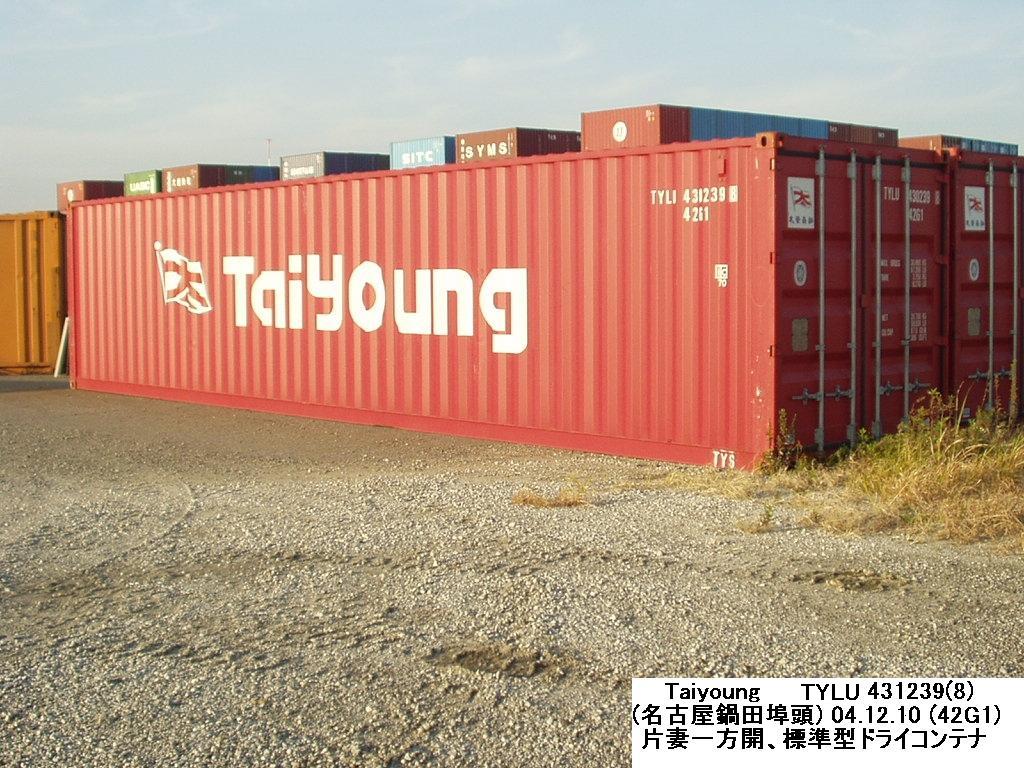
| Format | Net oil | Per 20 ft container | Best for |
|---|---|---|---|
| Flexitank | One bag | 20 to 22 tonnes | Refiners, resin plants, large food factories |
| IBC tote, 1,000 L | About 920 kg | 18 to 20 totes | Cosmetic and mid sized food plants |
| Steel drum, 200 L | About 184 kg | 80 drums | Labs, small plants, cosmetic makers |
| Jerrycan, 20 L | About 18.4 kg | 1,000 to 1,150 cans | Traders and food service |
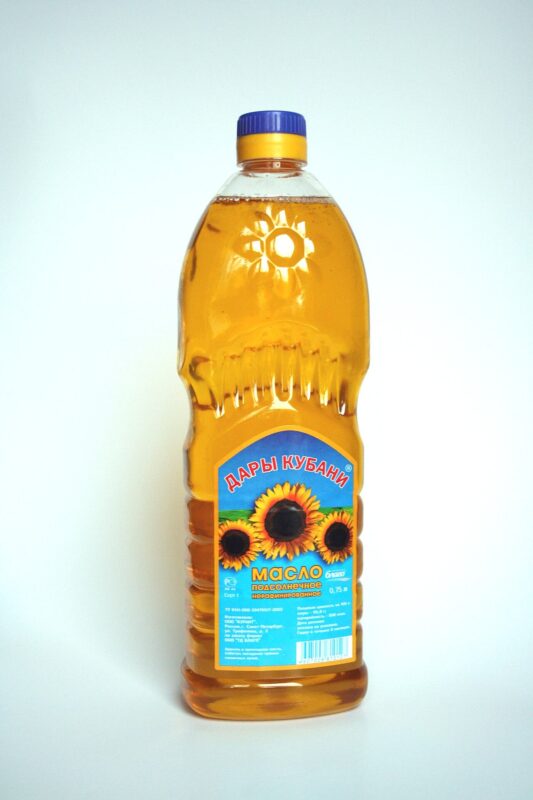
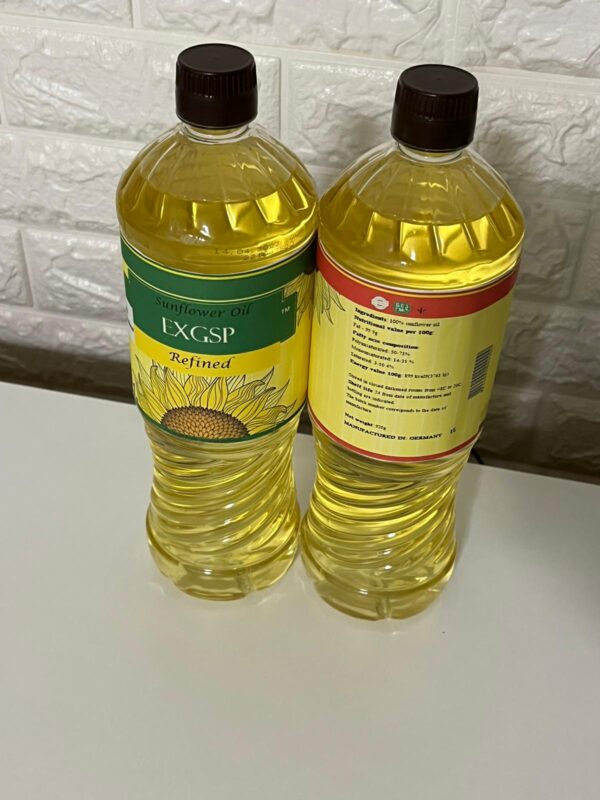
| PET bottles | 1 to 5 L | By carton | Retail and private label |
For bulk, sunflower oil flexitank supplier explains the process and flexitank vs ISO tank compares options. Cosmetic buyers usually prefer drums or IBCs, because they don’t want to pump a whole flexitank at once. Ask your high linoleic sunflower oil supplier which pack keeps the oil freshest for your usage rate.
How Price Is Set
High linoleic is the most traded sunflower oil, so its price follows the world sunflower market closely. The main drivers are:
- The size of the sunflower harvest in the main exporting regions. Top sunflower oil exporting countries explains who they are.
- The grade. Crude is cheapest, then refined. Cosmetic grade and organic carry premiums.
- A guaranteed linoleic level above the normal range costs more, because fewer seed lots qualify.
- Packing. Flexitank is cheapest per tonne, drums and bottles cost more.
- Freight to your port. A high linoleic sunflower oil supplier with regular sailings from a big port can often save you money here.
For recent levels, look at sunflower oil wholesale price per ton and sunflower oil price forecast 2027. Make sure every quote you compare uses the same Incoterm. CIF vs FOB vegetable oil shows why. Our customs code reference is in sunflower oil HS code.
Testing and Documents
Each lot ships with a certificate of analysis that includes the full fatty acid profile by gas chromatography, along with FFA, peroxide, moisture and iodine value. We can also add anisidine value and tocopherol content on request. An independent surveyor is welcome at loading. That is standard practice for any high linoleic sunflower oil supplier exporting to technical buyers. See certificate of analysis for edible oil and pre-shipment inspection for edible oil.
Standard documents include invoice, packing list, bill of lading, certificate of origin and health certificate. As a high linoleic sunflower oil supplier, we also offer halal and kosher certificates. For import rules in your country, check documents required to import vegetable oil.
7 Proven Tips for Choosing a High Linoleic Sunflower Oil Supplier
1. Ask for a guaranteed linoleic minimum
A typical range on a spec sheet isn’t a guarantee. Ask the high linoleic sunflower oil supplier to put a minimum in the contract, with a price adjustment or rejection if a lot falls short.
2. Ask for the GC report, not just the COA summary
The chromatogram shows the full profile. It’s the best proof the oil is what it’s sold as, and that it hasn’t been blended with something cheaper.
3. Check peroxide and anisidine together
Peroxide shows early oxidation, anisidine shows later stages. Fresh, well handled oil is low on both.
4. Match the grade to your use
Don’t pay for refined cosmetic grade if you’re making alkyd resin. And don’t use crude oil in skin care. A good high linoleic sunflower oil supplier will tell you when you’re over or under buying.
5. Test a sample in your own process
Run it in your formulation, your fryer or your reactor. How to request edible oil samples explains what to ask for.
6. Agree on packing for your climate
If your warehouse is hot, ask for smaller packs and nitrogen flushing so you’re not opening a big container and watching it oxidise.
7. Check the seller
Genuine suppliers will do a video call, send company papers and ship a sample. If they won’t, walk away. Read fake vegetable oil supplier for the common tricks.
Common Buyer Mistakes
The first one I see is ordering “sunflower oil” and assuming it’s high linoleic. Some markets now get a lot of mid or high oleic oil, so if you need linoleic, spell it out. The second is skipping the fatty acid profile on the COA. Without it, you don’t know what you bought. The third is storing high linoleic oil like it’s high oleic, in hot sheds with drums half open. It won’t last, and no high linoleic sunflower oil supplier can fix storage problems at your end. And the fourth is chasing the cheapest price from a high linoleic sunflower oil supplier you’ve never checked.
Where Our Seed Comes From
Since the linoleic number depends so much on where and how the seed was grown, we’re careful about origin. Most of our high linoleic oil comes from seed grown in cooler, temperate regions, where the summer nights stay mild and the plant builds more linoleic acid. Seed from hotter areas goes into grades where the linoleic minimum is lower, or into crude for refiners and feed.
We test incoming seed lots for oil content and run a quick fatty acid check on pressed samples before they’re blended. That way we know early if a lot won’t make the grade, instead of finding out after it’s refined. Being a high linoleic sunflower oil supplier means treating the linoleic number as a spec you control, not a lucky result.
If origin matters for your labels or your customers, tell us. We can state the country of origin of the seed on the documents, and supply non GMO statements. Sunflower seed in commercial trade is generally non GMO, which is one reason some buyers switch to sunflower from other oils.
Notes for Cosmetic Formulators
Cosmetic buyers tend to need more paperwork than food buyers, and they need it before the first order. As a high linoleic sunflower oil supplier to cosmetic plants, this is what we normally provide:
- Product specification with INCI name: Helianthus Annuus (Sunflower) Seed Oil
- Certificate of analysis with full fatty acid profile, peroxide and acid value
- Safety data sheet
- Allergen statement
- Non GMO statement
- Statement that no animal derived materials are used in processing
- Pesticide residue and heavy metal results on request
- Organic certificate for organic grades
Formulators often ask about colour and smell. Our cosmetic grade is refined and deodorized, so it’s pale and nearly odourless, which keeps fragrance work simple. Cold pressed oil has more colour and a seed smell, which some natural brands want on purpose.
A practical tip: buy drums or small IBCs rather than one big flexitank. High linoleic oil is at its best when it’s fresh, and smaller packs mean you open less oil at a time. Any good high linoleic sunflower oil supplier should be happy to split a container into smaller packs for you.
Notes for Resin and Coating Makers
Resin buyers care about iodine value, colour after heating, and how the oil behaves during alkyd cooking. They care less about taste and smell. For most alkyd work, crude degummed or refined but not deodorized oil does the job, and it saves money.
If you’re making light coloured paints, ask for a refined grade with a low colour. If you’re making darker products, crude is fine. Iodine value for our high linoleic oil is usually 125 to 140, and we can report it on every COA. Tell your high linoleic sunflower oil supplier how you’ll use the oil and they can steer you to the cheapest grade that still works.
Long Term Supply Contracts
Many of our high linoleic customers buy every month. For them we offer supply contracts of six or twelve months, with a fixed linoleic minimum and a pricing formula tied to the market. The formula keeps it fair for both sides when prices move. Monthly loading slots are booked in advance, which means your oil arrives on a steady rhythm instead of you scrambling for a spot load when stock runs low.
A contract with a high linoleic sunflower oil supplier also helps with quality. When we know your volumes in advance, we can set aside seed lots that fit your spec, so every shipment looks like the last one. For buyers with strict specs, that consistency is often worth more than a small discount on a one off deal.
If you’re not ready for a contract, that’s fine. Spot orders are welcome, and many contract buyers started with one trial container. That is how most relationships with a high linoleic sunflower oil supplier begin.
Payment, Lead Time and Minimum Order
Our minimum order is one 20 foot container, and you can mix grades and pack sizes inside it. Lead time is usually two to three weeks from contract for bulk and drums. New buyers normally pay by letter of credit or a TT deposit with balance against documents. Read letter of credit vs TT payment and minimum order quantity for bulk cooking oil.
Why Buyers Choose Us as Their High Linoleic Sunflower Oil Supplier
We test every lot for the full fatty acid profile and put the numbers on the COA. We’ll put a linoleic minimum in your contract. We answer technical questions properly, and if we can’t hit a spec, we say so. Our refinery runs under HACCP, and we ship worldwide every month. For an independent view on the crop, the National Sunflower Association is a useful source. To find out more about us, read about us or see all products.
Frequently Asked Questions
Is regular sunflower oil the same as high linoleic?
Usually, yes. Regular or traditional sunflower oil is the high linoleic type. But check, as some markets now sell mid oleic as regular.
What linoleic level can you guarantee?
60% minimum as standard. 65% minimum is available on request from selected seed lots.
Is high linoleic sunflower oil good for frying?
For home cooking, yes. For long industrial frying, high oleic lasts longer. See is sunflower oil good for frying.
Can you add antioxidants?
Yes, mixed tocopherols, rosemary extract or other approved antioxidants to your spec.
Do you supply cosmetic grade with documents?
Yes. We supply COA, MSDS and allergen and GMO statements on request.
Can I buy less than a container?
Our minimum is one 20 foot container, but you can split it across grades and packs.
What should I send a high linoleic sunflower oil supplier to get a quote?
Send the grade, the linoleic minimum you need, packing, quantity and destination port. With those details a high linoleic sunflower oil supplier can check seed availability and give a firm price.
How often does a high linoleic sunflower oil supplier test the fatty acid profile?
We test every lot by GC before release and put the result on the COA. A high linoleic sunflower oil supplier that only tests occasionally can’t guarantee a minimum.
Get a Quote From a High Linoleic Sunflower Oil Supplier
If you need a high linoleic sunflower oil supplier you can count on, send us the grade, the linoleic minimum, the packing, quantity and destination port. We’ll reply with a written offer, normally within one working day. If you’re not sure what grade you need, tell us the application and we’ll suggest one.
Email info@dthcompanyltd.com, call or WhatsApp +66 91 765 9104, or use our contact page.







One thought on “High Linoleic Sunflower Oil Supplier: Reliable Exporter Specs, Uses and 7 Proven Buying Tips”