

Sunflower oil for soap making is one of those ingredients soapers either love or have had trouble with. Used the right way, it gives a mild, conditioning bar with a creamy lather and keeps your oil cost down. Used the wrong way, you get soft bars and orange spots after a few months. We sell refined and high oleic sunflower oil for soap making in bulk, to soap factories, cosmetics makers and handmade soap businesses worldwide. Here’s what we offer, the numbers you need, and how to get the best out of it.
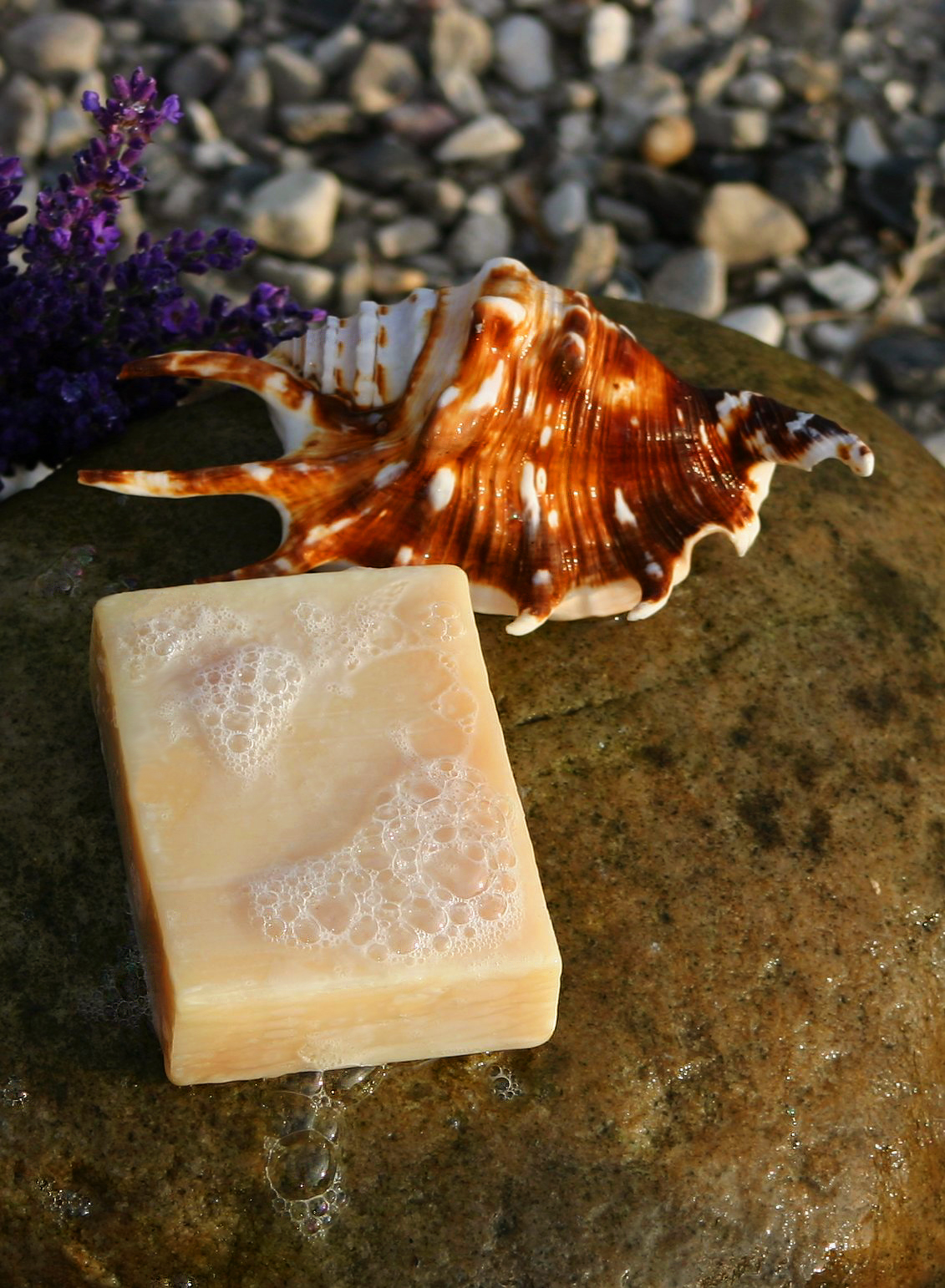
We’re oil people, not soap gurus. But we’ve supplied a lot of soap makers over the years, and we’ve heard what works and what doesn’t. This page shares that, along with the specs you’ll want before you buy.
Table of Contents
Sunflower Oil for Soap Making: What We Sell
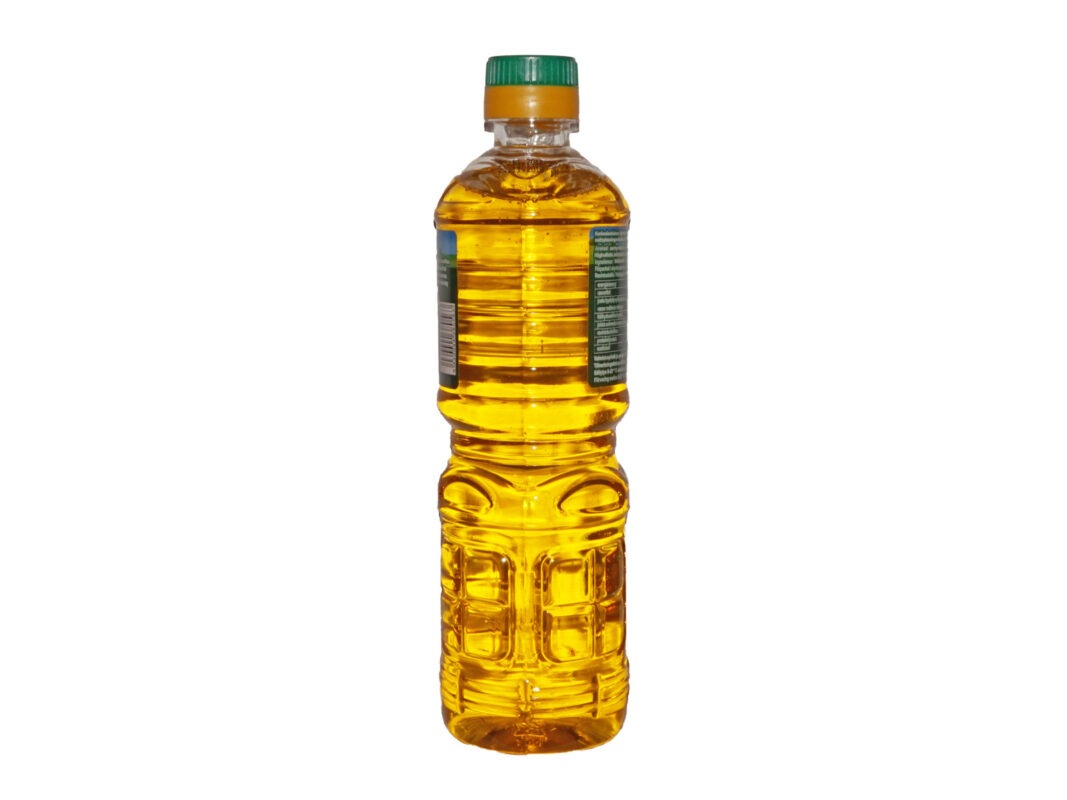
- High oleic sunflower oil. Our top pick for soap. Much more stable, makes a harder bar, and can stand in for part of the olive oil in many recipes.
- Refined sunflower oil. Cheaper, very mild, fine at lower percentages in a balanced recipe.
- Mid oleic sunflower oil. Sits between the two on price and stability.
- Organic sunflower oil. For natural and organic soap brands.
We also sell the other oils most soap recipes need, including RBD coconut oil, palm oil and canola oil, so you can fill one container with your whole oil blend.
Specifications
Typical specs for the two main grades of sunflower oil for soap making. A certificate of analysis comes with every order.
| Parameter | Refined sunflower oil | High oleic sunflower oil |
|---|---|---|
| Free fatty acid (as oleic) | 0.10% max | 0.10% max |
| Peroxide value at loading | 2.0 meq/kg max | 2.0 meq/kg max |
| Moisture and volatiles | 0.05% max | 0.05% max |
| Colour (Lovibond 5¼ inch) | 3.0 Red max | 2.5 Red max |
| Iodine value (Wijs) | 118 to 141 | 78 to 90 |
| Oleic acid (C18:1) | 14% to 40% | 75% min |
| Linoleic acid (C18:2) | 48% to 74% | Under 15% |
| Saturated fats (palmitic + stearic) | About 9% to 13% | About 7% to 10% |
| Odour | Neutral | Neutral |
| Shelf life sealed | 18 to 24 months | 24 months or more |
For a deeper look at the fats, see sunflower oil fatty acid composition and iodine value of vegetable oils.
SAP Values for Sunflower Oil
The saponification value tells you how much lye you need to turn a given weight of oil into soap. These are the commonly used figures for sunflower oil for soap making:
| Lye | SAP value (per gram of oil) | Used for |
|---|---|---|
| Sodium hydroxide (NaOH) | About 0.134 to 0.136 | Bar soap |
| Potassium hydroxide (KOH) | About 0.188 to 0.191 | Liquid and soft soap |
High oleic and standard sunflower oil have very similar SAP values, so you won’t need to change your lye much if you switch grades. Always run your final recipe through a lye calculator and build in a superfat, usually around 5%. If you want the general science of how fats turn into soap, the soap article on Wikipedia is a decent start.
What Sunflower Oil Does in a Bar
Every oil brings something to a soap recipe. Here’s what sunflower oil for soap making adds:
- Conditioning. Sunflower oil is rich in unsaturated fats, which give a gentle, moisturising feel on the skin.
- Creamy, stable lather. It doesn’t make big bubbles on its own, but it softens and supports the lather from coconut or palm kernel oil.
- Mildness. It’s a good oil for sensitive skin and baby soaps.
- Low cost. It’s usually much cheaper than olive, avocado or sweet almond oil.
- Light colour and neutral smell. It doesn’t fight with your fragrance or colourants.
What it doesn’t do on its own is make a hard bar. That’s the job of coconut, palm, shea or other saturated fats. Sunflower oil is a team player, not the whole team.
Standard vs High Oleic for Soap
This is the most important choice you’ll make with sunflower oil for soap making.
Standard sunflower oil is high in linoleic acid. Linoleic acid is lovely on skin but it oxidises fairly easily. In soap, too much of it can lead to softer bars and, over time, small orange or brown spots, which soapers call DOS. It can also make the soap smell slightly rancid after a long time on the shelf.
High oleic sunflower oil is mostly oleic acid, like olive oil. It’s far more stable, gives a firmer bar, and is much less prone to DOS. That’s why many soap makers use it as a cheaper partial swap for olive oil.
| Standard sunflower | High oleic sunflower | |
|---|---|---|
| Typical use in bar soap | 5% to 15% of oils | Up to 30% to 50% of oils |
| Bar hardness | Softer | Firmer |
| Risk of DOS | Higher at high levels | Low |
| Shelf life of finished soap | Good when used sparingly | Very good |
| Price | Lower | Higher |
We go into the grades more in high oleic vs regular sunflower oil.
Sample Recipes Using Sunflower Oil
These are starting points, not finished formulas. Run them through a lye calculator with your own numbers and test small batches first.
Everyday bar with standard sunflower oil
| Oil | Share of total oils |
|---|---|
| Palm oil (or a palm-free hard butter blend) | 30% |
| Coconut oil | 25% |
| Olive oil | 30% |
| Refined sunflower oil | 10% |
| Castor oil | 5% |
Budget olive-style bar with high oleic sunflower oil
| Oil | Share of total oils |
|---|---|
| High oleic sunflower oil | 40% |
| Coconut oil | 25% |
| Palm oil or shea butter | 30% |
| Castor oil | 5% |
The second recipe is one we hear about a lot from small soap businesses. Swapping much of the olive oil for high oleic sunflower oil for soap making cuts the oil bill noticeably and still gives a mild, long lasting bar.
Liquid soap
For liquid soap made with potassium hydroxide, sunflower oil works well alongside coconut oil. A blend with a high share of coconut for lather and a solid share of sunflower for mildness is a common pattern. Use the KOH SAP value, not the NaOH one.
7 Proven Tips for Using Sunflower Oil for Soap Making
1. Choose high oleic if you can
It solves most of the problems people associate with sunflower oil in soap. The extra cost per bar is small.
2. Keep standard sunflower at modest levels
If you use standard sunflower oil for soap making, keep it to about 15% of your oils or less, and balance it with harder fats.
3. Add an antioxidant
A little rosemary oleoresin extract or vitamin E added to the oils before you mix in the lye helps slow oxidation and orange spots.
4. Use fresh oil
Old oil with a high peroxide value makes soap that goes off faster. Ask for the peroxide value on the certificate and use oil in rotation.
5. Store oil cool and dark
Keep drums and jerrycans out of the sun, closed tight, and away from heaters.
6. Cure in an airy room
Good airflow and a cool room during the cure give harder bars and fewer spots.
7. Don’t overdo the superfat
A big superfat of unsaturated oil leaves more free oil to oxidise in the bar. Around 5% is plenty for most recipes.
Dreaded Orange Spots and How to Avoid Them
DOS shows up as small orange or brown patches, usually weeks or months after the soap is made, often with a faint stale smell. It’s caused by the unsaturated oils in the bar oxidising. It doesn’t usually make the soap unsafe, but customers don’t buy spotty soap.
The biggest risks are a high share of linoleic-rich oils, old oil, too much superfat, humid storage, and contact with metal. Using high oleic sunflower oil for soap making, adding an antioxidant, wrapping bars only after a full cure and storing them cool all help a lot.
Industrial Soap Makers
Big soap plants mostly build bars from soap noodles based on palm and coconut, or tallow in some markets. But sunflower oil still has a place. Some factories add it to their kettle blend to make the bar milder, some use it in liquid soaps and shower gels, and some use high oleic sunflower oil in natural or palm-light product lines.
For a factory, the advantages are steady supply, consistent quality and a clean, light colour. We supply sunflower oil for soap making to manufacturers in flexitanks, IBCs and drums. If palm oil is your main base, our post on palm oil for soap making covers it, and for lather oils see coconut oil for soap making.
Packaging Options
| Pack | Oil per unit | Good for |
|---|---|---|
| 20 litre jerrycan | About 18.4 kg | Small and medium soap businesses |
| Drum | About 190 kg | Workshops and small factories |
| IBC, 1,000 litre | About 920 kg | Medium factories |
| Flexitank, 20ft container | 20 to 22 MT | Large plants with tanks |
See our sunflower oil 20 litre jerrycan supplier page and our guide to a sunflower oil flexitank shipment for more about each pack.
Who Buys Sunflower Oil for Soap Making From Us
Our soap customers are a mixed bunch, and that’s part of what we like about this trade. They include:
- Handmade and artisan soap businesses selling online and at markets
- Natural cosmetics brands making bars, liquid soaps and body washes
- Contract manufacturers producing soap for retail private labels
- Hotel amenity producers making small guest soaps
- Industrial soap factories adding sunflower oil to their kettle blends
- Distributors who repack and resell soap making oils to hobby makers
The small businesses tend to buy jerrycans or drums, often mixed with coconut and palm oil in one container. The factories usually buy sunflower oil for soap making in IBCs or flexitanks on a regular schedule. Either way, the oil and the paperwork are the same.
Food Grade Oil for Soap: Why It Matters
All the sunflower oil we sell is food grade, fully refined, and made in plants with food safety certification. You might wonder whether soap really needs that. In our view it does, for three reasons.
First, consistency. Food grade oil is tested to tight limits on acidity, peroxide value and moisture, so your soap behaves the same from batch to batch. Second, cleanliness. There’s no risk of industrial contaminants or off smells ending up in a product people put on their skin. Third, claims. If you sell natural or skin-friendly soap, it helps to be able to say your oils are food grade.
Cheaper technical grade oils exist, but for sunflower oil for soap making the price difference is rarely worth the risk.
Documents and Certificates
- Certificate of analysis for each batch
- Fatty acid profile on request, useful for your lye calculations
- Safety data sheet
- Product specification sheet
- Organic certificate for organic grades
- Halal and kosher certificates on request
- Certificate of origin, invoice, packing list and bill of lading
If you sell into markets with cosmetics rules, your regulator may ask for supplier documents on each raw material. We’ll provide what we can. See our sunflower oil MSDS guide and certificate of analysis for edible oil for more.
Storing Your Oil
Sunflower oil for soap making keeps well if you treat it right. Sealed and stored cool and dark, refined oil lasts 18 to 24 months and high oleic even longer. Once a drum or jerrycan is open, use it within a few months, and keep the lid tight. Avoid storing oil next to fragrance oils or solvents, since it picks up smells. More detail in shelf life of sunflower, soybean and canola oil.
Price and Minimum Order
The price of sunflower oil for soap making follows the bulk sunflower oil market, plus refining, packaging and freight. High oleic costs more than standard. Organic costs more again. In autumn 2026, crude sunflower oil from the Black Sea is trading at roughly 1,200 to 1,300 US dollars per tonne FOB, and refined grades sit above that. Send us your grade, pack and port for a firm figure. For market background, see sunflower oil wholesale price per ton.
Our minimum order is one 20 foot container. That can be mixed: some sunflower oil for soap making, some coconut oil, some palm oil, in the packs you need. Read minimum order quantity for bulk cooking oil for how that works. If a whole container is too much for you, buying through a local distributor who imports from us may be the easier route.
Sunflower vs Other Liquid Soap Oils
Most soap recipes include at least one liquid oil for mildness. Here’s how sunflower oil for soap making compares with the usual choices.
| Oil | Bar feel | Stability in soap | Relative cost |
|---|---|---|---|
| High oleic sunflower | Mild, firm, conditioning | Very good | Moderate |
| Standard sunflower | Mild, softer | Fair, use sparingly | Low |
| Olive oil | Mild, slow to harden, long cure | Very good | High |
| Canola or rapeseed | Mild, fairly soft | Fair to good | Low |
| Soybean oil | Soft | Fair | Low |
| Rice bran oil | Mild, creamy | Good | Moderate |
For many makers, high oleic sunflower oil for soap making gives the best balance of mildness, stability and cost. Standard sunflower is fine as a smaller part of the blend. If you’d like to compare oils on a wider basis, our post on sunflower oil vs olive oil may help.
A Typical Order, Step by Step
- You tell us the grade, quantity, packaging and port. If you want other oils in the same container, list those too.
- We send a written offer with price, specs and timing.
- We send samples if you’d like to test a batch of soap first. See how to request edible oil samples.
- You confirm and arrange payment.
- We fill, test, pack and load.
- We ship and send the documents.
- You receive the oil and start making soap.
Loading is usually two to three weeks from confirmation. High oleic and organic may need a little longer, so plan ahead before your busy season, which for most soap brands is the run-up to the year end holidays.
Labelling Soap Made With Sunflower Oil
If you sell your soap, you’ll need to list ingredients. On a cosmetic label, the oil is usually listed by its INCI name, Helianthus Annuus (Sunflower) Seed Oil. Once it’s saponified, many makers list it as Sodium Sunflowerate, which is what the oil becomes after reacting with sodium hydroxide. If you superfat, a small amount of unreacted oil stays in the bar, so some makers list both.
Rules differ by country, so check what your market expects. We can supply the specification sheet and safety data sheet for the sunflower oil for soap making you buy from us, which your safety assessor or regulator may ask to see.
Mistakes We See Soap Makers Make
- Using a lot of standard sunflower oil because it’s cheap, then fighting soft bars and spots
- Buying oil from an unknown source with no certificate, and getting a blend
- Storing open drums in a hot workshop for months
- Using the NaOH SAP value for a liquid soap recipe
- Changing oil grade without re-running the lye calculation
- Wrapping bars in plastic before they’re fully cured
Every one of these is easy to avoid. Pick the right grade of sunflower oil for soap making, keep it fresh, calculate carefully and cure properly, and it’ll serve you well for years. If you’re ever unsure about a batch of our oil, send us the lot number and we’ll pull the test records for you.
Buying Mixed Containers of Soap Oils
A lot of soap businesses don’t need 20 tonnes of one oil. They need a few tonnes each of four or five oils. We can build a mixed container for that: high oleic sunflower in drums, coconut oil in drums or jerrycans, palm oil, and canola if you use it. One shipment, one set of documents, one customs clearance. For a growing soap brand, this is often the cheapest way to buy sunflower oil for soap making and everything that goes with it.
Why Soap Makers Buy From Us
We’re not the only place to get sunflower oil for soap making. What our customers tell us they value is simple: the oil is fresh, the grade is what we said it was, and we’ll put the full blend of oils for their recipes in one container. We ship worldwide, to Africa, the Middle East, Asia, Europe, the Americas and the Pacific. Read more about us or see all our products. Growers’ news on the crop itself is published by the National Sunflower Association, and there’s a useful general overview of sunflower oil on Wikipedia.
Frequently Asked Questions
Is sunflower oil good for soap making?
Yes, especially high oleic sunflower oil. Standard sunflower oil for soap making is fine at lower levels in a balanced recipe.
How much sunflower oil can I use in soap?
About 5% to 15% of your oils for standard sunflower, and up to 30% to 50% for high oleic, depending on the rest of the recipe.
What is the SAP value of sunflower oil?
About 0.134 to 0.136 for sodium hydroxide and 0.188 to 0.191 for potassium hydroxide, per gram of oil.
Why does my sunflower oil soap get orange spots?
Usually oxidation of linoleic acid. Use high oleic oil, fresh oil, an antioxidant and a modest superfat.
Can I buy small quantities?
Our minimum is one 20 foot container, which can be jerrycans or drums and mixed with other oils.
Do you ship worldwide?
Yes. Tell us your port and we’ll quote.
Get a Quote for Sunflower Oil for Soap Making
Send us the grade you want, the quantity, packaging and destination port, plus any other oils you’d like in the same container. We’ll send a clear written offer, usually within one working day.
Email info@dthcompanyltd.com, call or WhatsApp +66 91 765 9104, or use our contact page.







2 thoughts on “Sunflower Oil for Soap Making: Trusted Bulk Supplier Specs and 7 Proven Tips for Better Bars”