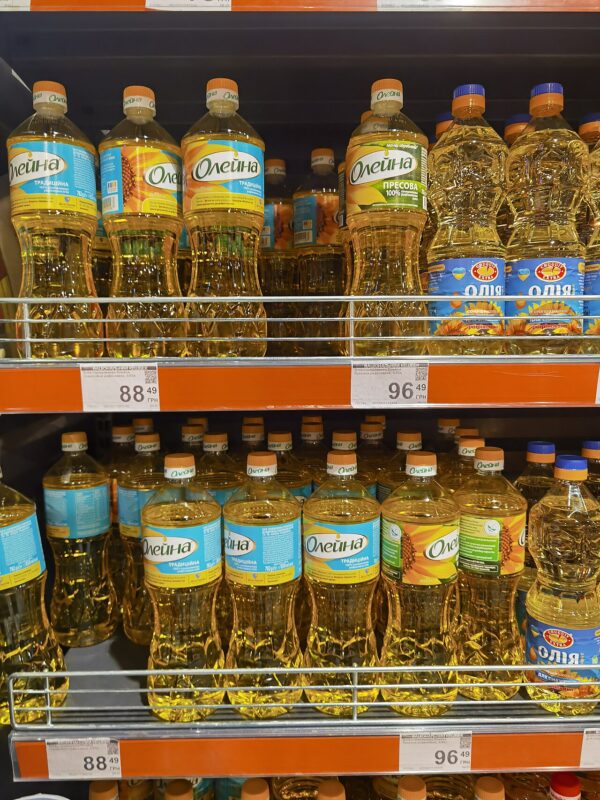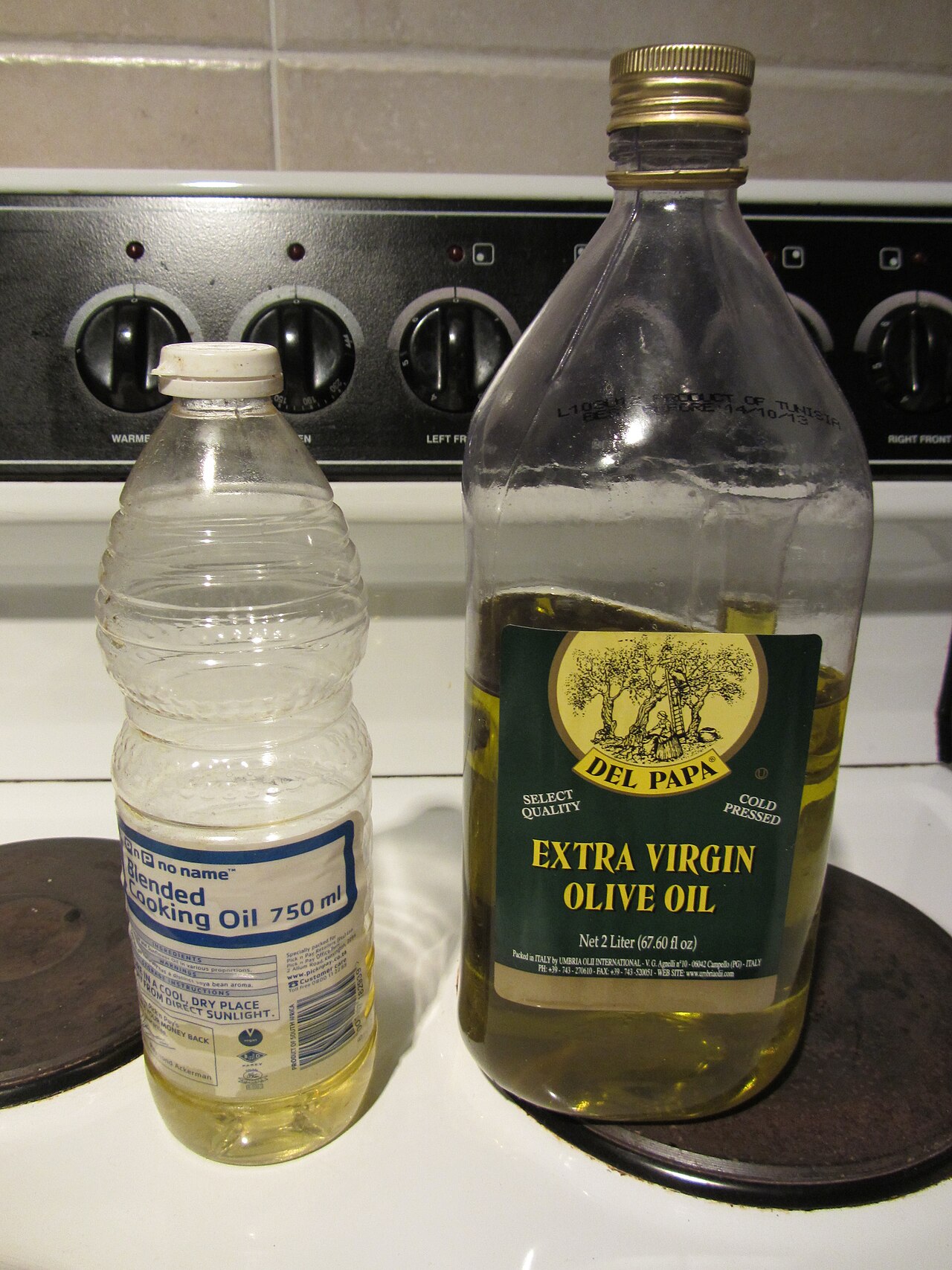
Sunflower oil vs olive oil sounds like a kitchen question, and it is. But for anyone who buys oil by the pallet or the container, it’s also a money question. Olive oil can cost three to five times more per litre than refined sunflower oil. So before you fill a menu, a factory line or a supermarket shelf with one of them, it’s worth knowing exactly what you get for the price.
We produce and export refined sunflower oil, high oleic sunflower oil and a range of other edible oils, and we also supply olive oil grades to customers who want both in one container. We sell to importers, distributors, restaurant groups and food makers worldwide. Below is how we walk customers through sunflower oil vs olive oil: taste, cooking, health, cost, and which one fits which job. At the end you’ll find our sunflower oil specifications and pack sizes.
Table of Contents
The Short Answer
If you want flavour on the plate and a premium story on the label, olive oil wins. If you want a clean, neutral oil for frying, baking and large-scale cooking at a sensible price, sunflower oil wins. And if you want something in between, high oleic sunflower oil gives you an olive-like fat profile with a neutral taste and a much lower price.
That’s the sunflower oil vs olive oil answer in three sentences. The rest of this guide explains why, with numbers.
Sunflower Oil vs Olive Oil Side by Side
| Point | Refined sunflower oil | High oleic sunflower oil | Extra virgin olive oil |
|---|---|---|---|
| Source | Sunflower seeds | Special sunflower seeds | Olive fruit |
| How it’s made | Pressed, extracted, refined | Pressed, extracted, refined | Cold pressed, not refined |
| Taste | Neutral, light | Neutral, light | Fruity, grassy, peppery |
| Colour | Very pale gold | Pale gold | Green to gold |
| Main fat | Linoleic (omega-6), 48 to 74% | Oleic (omega-9), 75 to 90% | Oleic (omega-9), 55 to 83% |
| Saturated fat | About 10 to 12% | About 7 to 10% | About 13 to 17% |
| Vitamin E | Very high | High | Moderate |
| Polyphenols | Very low | Very low | High |
| Smoke point | About 225 to 230 C | About 230 C | About 190 to 210 C |
| Price per litre | Low | Low to medium | High |
The column people forget is the middle one. When we talk sunflower oil vs olive oil with food service buyers, high oleic sunflower is often the oil they end up choosing.
How Each Oil Is Made
Olive oil comes from the fruit, not a seed. Olives are crushed into a paste, mixed gently, then the oil is separated, usually in a centrifuge. Extra virgin olive oil is never chemically refined. It must pass strict lab and taste tests, set by the International Olive Council, for acidity, peroxides and flavour defects.
Sunflower oil comes from seeds. The seeds are cleaned and pressed, the cake is extracted, and the crude oil is refined: degummed, neutralised, bleached, winterized and deodorised. Refining strips out colour, smell and free fatty acids, so you end up with a clean, stable oil that tastes of almost nothing.
This is the root of every sunflower oil vs olive oil difference. One is a fruit juice you keep as close to natural as possible. The other is a seed oil you clean up on purpose so it behaves well in cooking. Our article on crude vs refined sunflower oil shows what refining removes and what it keeps.
Olive Oil Grades You Should Know
Not all olive oil is extra virgin, and the grade changes the sunflower oil vs olive oil comparison a lot.
- Extra virgin olive oil: the top grade, unrefined, free acidity 0.8% max, full flavour.
- Virgin olive oil: unrefined, a little more acidity and some minor taste flaws allowed.
- Pure olive oil (or just “olive oil”): mostly refined olive oil with some virgin oil added for colour and taste.
- Olive pomace oil: extracted from the leftover paste with solvent, then refined. Cheapest grade.
Pure and pomace olive oils behave much more like refined sunflower oil in the pan. They’re milder and handle heat better than extra virgin. If you’re weighing these grades, read our guide on pure olive oil vs extra virgin olive oil.
Taste and Aroma
This is where the two oils go completely different ways. Good extra virgin olive oil tastes of something: green apple, cut grass, artichoke, a peppery kick at the back of the throat. It’s an ingredient in its own right, and chefs use it to finish dishes.
Refined sunflower oil is meant to taste of nothing. It lets the food speak. That’s exactly why bakers, mayonnaise makers, fryers and Asian kitchens prefer it. You don’t want olive notes in a sponge cake, a tempura batter or a jar of mayonnaise for a mass market.
So for flavour, sunflower oil vs olive oil isn’t a contest of better or worse. It’s a question of whether you want the oil to be heard or not.
Fat Profile Compared
Both oils are low in saturated fat compared with butter, lard or palm oil. The difference is in the type of unsaturated fat.
Regular sunflower oil is mainly linoleic acid, an omega-6 polyunsaturated fat. Olive oil is mainly oleic acid, a monounsaturated fat. High oleic sunflower oil sits right next to olive oil here, with 75 to 90% oleic acid.
| Fatty acid | Regular sunflower oil | High oleic sunflower oil | Olive oil |
|---|---|---|---|
| Palmitic (C16:0) | 5 to 7.6% | 2.6 to 5% | 7.5 to 20% |
| Stearic (C18:0) | 2.7 to 6.5% | 2.9 to 6.2% | 0.5 to 5% |
| Oleic (C18:1) | 14 to 39% | 75 to 90.7% | 55 to 83% |
| Linoleic (C18:2) | 48 to 74% | 2.1 to 17% | 2.5 to 21% |
| Linolenic (C18:3) | 0 to 0.3% | 0 to 0.3% | Up to 1% |
If you want the full picture by grade, see our post on sunflower oil fatty acid composition. On fat profile alone, sunflower oil vs olive oil is really regular sunflower vs the rest. High oleic sunflower and olive oil are close cousins.
Health: What the Evidence Says
We’re oil makers, not nutritionists, so we’ll keep this to plain facts.
Olive oil, especially extra virgin, has the strongest research behind it. It’s the base of the Mediterranean diet, and studies link it to better heart health. Part of that comes from its oleic acid, and part from polyphenols, natural antioxidants that refined oils don’t keep.
Sunflower oil brings something different. It’s one of the richest common sources of vitamin E, mostly alpha tocopherol. A tablespoon covers a good share of an adult’s daily need. It’s also low in saturated fat. The question people raise is its high omega-6 content. Most guidance says omega-6 fats are fine as part of a balanced diet, but they shouldn’t crowd out omega-3. Our post on the omega-6 to omega-3 ratio in cooking oils explains that balance.
So on health, sunflower oil vs olive oil goes to extra virgin olive oil for everyday cold use and gentle cooking. High oleic sunflower is a good, cheaper alternative for heat. For more on sunflower nutrition, read sunflower oil benefits and sunflower oil vitamin E.
Smoke Point and Cooking Heat
Refined sunflower oil smokes at around 225 to 230 C. Extra virgin olive oil smokes somewhere around 190 to 210 C, depending on its quality and free acidity. Refined olive oil and pomace oil sit closer to 230 C.
Smoke point isn’t the whole story, though. Extra virgin olive oil is surprisingly stable under normal home cooking heat, because its oleic acid and natural antioxidants protect it. Regular sunflower oil has a higher smoke point but more polyunsaturated fat, which oxidises faster during long frying. That’s why the sunflower oil vs olive oil heat debate never quite ends.
In practice:
- Sauteing, roasting and home pan frying: both work.
- Short deep frying at home: both work, sunflower is cheaper.
- Long commercial deep frying: high oleic sunflower oil lasts best. Regular sunflower and extra virgin olive oil both break down faster or cost too much.
Our cooking oil smoke point chart and our guide is sunflower oil good for frying go deeper on this.
Price and Value for Money
This is the part that decides most commercial sunflower oil vs olive oil choices. Extra virgin olive oil has traded at several times the price of refined sunflower oil per ton in recent seasons, after poor olive harvests in Spain and other Mediterranean producers. Even pure olive oil and pomace oil cost well above sunflower.
For a restaurant using 100 litres of oil a week, that gap adds up to thousands of dollars a year. For a food factory, it can wipe out the margin on a product.
The smart move many of our customers make is to split the job:
- Extra virgin olive oil for salads, finishing and front-of-house dishes where taste shows.
- Refined or high oleic sunflower oil for frying, baking and back-of-house cooking.
That way you pay for olive oil only where customers can taste it. For sunflower prices, see our page on sunflower oil wholesale price per ton and our cooking oil price forecast 2027.
Which Oil for Which Job
Here’s how we usually advise customers on sunflower oil vs olive oil by use.
| Use | Better choice | Why |
|---|---|---|
| Salad dressing, drizzling | Extra virgin olive oil | Flavour is the point |
| Mayonnaise | Refined sunflower oil | Neutral taste, stays liquid when chilled |
| Deep frying (restaurant) | High oleic sunflower oil | Long fryer life, neutral taste |
| Deep frying (home) | Refined sunflower oil | Low cost, high smoke point |
| Baking cakes and muffins | Refined sunflower oil | No olive taste in sweet goods |
| Mediterranean cooking | Olive oil | Authentic taste |
| Canned fish | Both, depending on market | Olive for premium, sunflower for value |
| Snack manufacturing | High oleic sunflower oil | Shelf life and cost |
| Cosmetics and soap | Both | Sunflower for light skin feel, olive for traditional soaps |
Blends: Getting the Best of Both
A lot of shoppers don’t know this, but many “olive oil blend” bottles on supermarket shelves are mostly sunflower or other seed oils with 10 to 20% olive oil added. Done honestly and labelled clearly, a blend is a fair product. It gives a hint of olive taste at a much lower price.
If you’re a brand owner thinking about sunflower oil vs olive oil for a new product, a clearly labelled blend could be the answer. We can supply the refined sunflower oil or high oleic sunflower oil base in bulk, and fill the blend under your private label. Just make sure the label states the real percentages. Mislabelled olive oil blends are one of the most common food fraud cases, which we cover in how to detect adulterated cooking oil.
Shelf Life and Storage
Extra virgin olive oil is best within 12 to 18 months of harvest. After that, the fruity flavour fades even if the oil is still safe. Light and heat speed up the loss, which is why good olive oil comes in dark glass or tins.
Refined sunflower oil keeps about 12 to 18 months unopened. High oleic sunflower oil keeps longer, often up to 24 months, because it’s so resistant to oxidation. Both should be stored cool, dark and sealed. So on storage, sunflower oil vs olive oil favours high oleic sunflower for long supply chains. Our guide on shelf life of sunflower oil, soybean and canola has practical tips.
Sustainability and Supply
For sunflower oil vs olive oil supply, remember that olive oil depends on a small group of Mediterranean countries, and a dry year can cut output sharply. That’s what pushed prices to record levels a couple of seasons back.
Sunflower oil comes from a wider base: the Black Sea region, Argentina, the EU, Turkey and Kazakhstan. Supply can still be hit by war or weather, but there’s more room to switch origins. For buyers who need stable volume all year, sunflower oil vs olive oil favours sunflower on supply security.
Customs Codes
The two oils clear customs under different headings:
- Sunflower oil: HS 1512.11 (crude) and 1512.19 (refined).
- Olive oil: HS 1509, split by virgin and other grades.
- Olive pomace oil: HS 1510.
Duty rates differ by country. Our sunflower oil HS code guide explains classification and paperwork.
Our Sunflower Oils for Sale
If the sunflower oil vs olive oil question ends with sunflower for most of your volume, here’s what we supply. Every lot is made under ISO 22000, HACCP and GMP, is halal certified and non-GMO, and ships with its own certificate of analysis.
- Refined sunflower oil: winterized and bright, for retail, food service and factories.
- High oleic sunflower oil: the olive-like option, 75% oleic minimum, for frying and long shelf life.
- Deodorized sunflower oil: fully neutral, for cosmetics and delicate foods.
- Organic sunflower oil: for organic brands.
- Crude sunflower oil: for refiners.
Specifications
| Parameter | Refined sunflower oil | High oleic sunflower oil |
|---|---|---|
| Free fatty acid (as oleic) | 0.10% max | 0.10% max |
| Peroxide value | 2.0 meq/kg max | 2.0 meq/kg max |
| Moisture and volatiles | 0.05% max | 0.05% max |
| Colour (Lovibond 5.25 inch) | Red 1.5 / Yellow 15 max | Red 2.0 / Yellow 20 max |
| Oleic acid | 14 to 39% | 75% min |
| Linoleic acid | 48 to 74% | 17% max |
| Iodine value | 118 to 141 | 78 to 90 |
| Cold test | 5.5 hours at 0 C | 5.5 hours at 0 C |
| Smoke point | About 225 to 230 C | About 230 C |
| Shelf life | 18 months | 24 months |
Full test methods are in our refined sunflower oil specification post. For the two sunflower types compared, see high oleic vs regular sunflower oil.
Pack sizes
- PET bottles: 1 L, 2 L, 3 L, 5 L.
- Jerrycans: 10 L, 18 L, 20 L.
- Tins: 16 L and 18 L.
- Bulk: flexitank (about 21 to 22 tons per 20 ft container), ISO tank.
- Your own brand: full private label service.
We can also load olive oil alongside sunflower oil in one mixed container, which helps smaller importers test both. See our minimum order quantity guide.
A Quick Buyer Checklist
Before you lock in a sunflower oil vs olive oil decision for a contract, check these points:
- What does your end customer pay for: flavour or performance?
- How hot and how long will the oil be heated?
- Do you need a non-GMO, halal or organic claim?
- How long is your supply chain from plant to shelf?
- Can you split use, with olive oil where it shows and sunflower oil where it doesn’t?
Once you have those answers, ask for samples. Our guide on how to request edible oil samples explains what to ask for, and our certificate of analysis guide shows what to check on the lab sheet.
What Chefs Tell Us
We talk to a lot of kitchen managers, and their views on sunflower oil vs olive oil are refreshingly practical. Most keep a bottle of good extra virgin olive oil at the pass for finishing plates and a jerrycan of sunflower oil or high oleic sunflower oil by the stove and fryer. A head chef at one hotel group put it simply: olive oil is for the guest to taste, sunflower oil is for the cook to work with. Very few use olive oil in a deep fryer, and the ones who tried it usually stopped after seeing the monthly bill.
Bakery and pastry teams are even more clear cut. Almost all of them use a neutral oil like sunflower for cakes, muffins and sweet doughs, because olive notes clash with vanilla, chocolate and fruit.
Sunflower Oil vs Olive Oil for Home Cooks
At home the stakes are smaller, but the logic is the same. If you cook a lot of Mediterranean food, salads and roasted vegetables, a bottle of extra virgin olive oil earns its place. If you fry eggs, make pancakes, bake, stir fry or cook dishes from Asia, Africa or Latin America, refined sunflower oil is the easier daily oil. It doesn’t change the taste of the dish and it costs far less per litre.
Most households we know keep both. One bottle of each on the counter settles the sunflower oil vs olive oil argument without anyone having to win it. If you only want one bottle, pick by what you cook most. A family that fries and bakes every day will go through oil fast, and sunflower keeps that habit affordable.
Sunflower Oil vs Olive Oil for Restaurants and Caterers
For a commercial kitchen, the numbers speak louder than taste. Say a restaurant uses 80 litres of cooking oil a week. Switching all of it from refined sunflower oil to extra virgin olive oil could add several thousand dollars to the yearly oil bill, often more, depending on the season. Very few menus can carry that.
That’s why most caterers end up with a simple split in the sunflower oil vs olive oil choice. They buy sunflower oil or high oleic sunflower oil in 18 or 20 litre jerrycans for the stove and fryer, and a smaller stock of olive oil for dishes where guests expect it. Hotels often add a third oil, a pure olive oil, for sauteing Mediterranean dishes where some olive character helps but extra virgin would be wasted.
If you run a kitchen and want a hand working out your own numbers, send us your weekly oil use and menu type. We’ll suggest a mix and price it for you. Our post on refined sunflower oil for hotels and restaurants covers pack sizes and delivery for food service.
Common Myths
A few things we hear about sunflower oil vs olive oil that aren’t quite right:
- “You can’t fry with olive oil.” You can. Extra virgin olive oil handles home frying fine. It’s just expensive for commercial fryers.
- “Sunflower oil is unhealthy.” Regular sunflower oil is low in saturated fat and rich in vitamin E. Like any oil, the amount matters.
- “Light olive oil has fewer calories.” “Light” refers to colour and taste, not calories. All oils have about 120 kcal per tablespoon.
- “All sunflower oil is the same.” Regular and high oleic sunflower oil behave very differently under heat.
These myths muddy a lot of sunflower oil vs olive oil conversations, so it helps to clear them up early.
FAQs on Sunflower Oil vs Olive Oil
Which is healthier, sunflower oil vs olive oil?
Extra virgin olive oil has more research behind it, thanks to oleic acid and polyphenols. Sunflower oil is lower in saturated fat and richer in vitamin E. High oleic sunflower oil is close to olive oil in fat profile.
Can I use sunflower oil instead of olive oil?
Yes, for cooking, frying and baking. You’ll lose the olive flavour, so keep olive oil for dressings and finishing.
Which is better for frying?
For commercial deep frying, high oleic sunflower oil. For home frying, refined sunflower oil is cheaper and works well. Extra virgin olive oil works too but costs much more.
Why is olive oil so much more expensive?
Olives yield less oil per hectare, harvest and pressing cost more, and supply comes from a small number of countries. Poor harvests push prices up fast.
Do you sell sunflower oil and olive oil in the same shipment?
Yes. We can combine refined sunflower oil, high oleic sunflower oil and olive oil grades in one container for buyers worldwide.
Get a Quote
Now that you’ve seen sunflower oil vs olive oil from every angle, tell us which oil, pack size, quantity and destination port you need. We’ll send prices, specifications and lead time, plus samples if you want to test first. Email info@dthcompanyltd.com, WhatsApp +66 91 765 9104, or use our contact page. You can also browse our sunflower oil range, compare sunflower oil vs vegetable oil, or read more about olive oil in general.