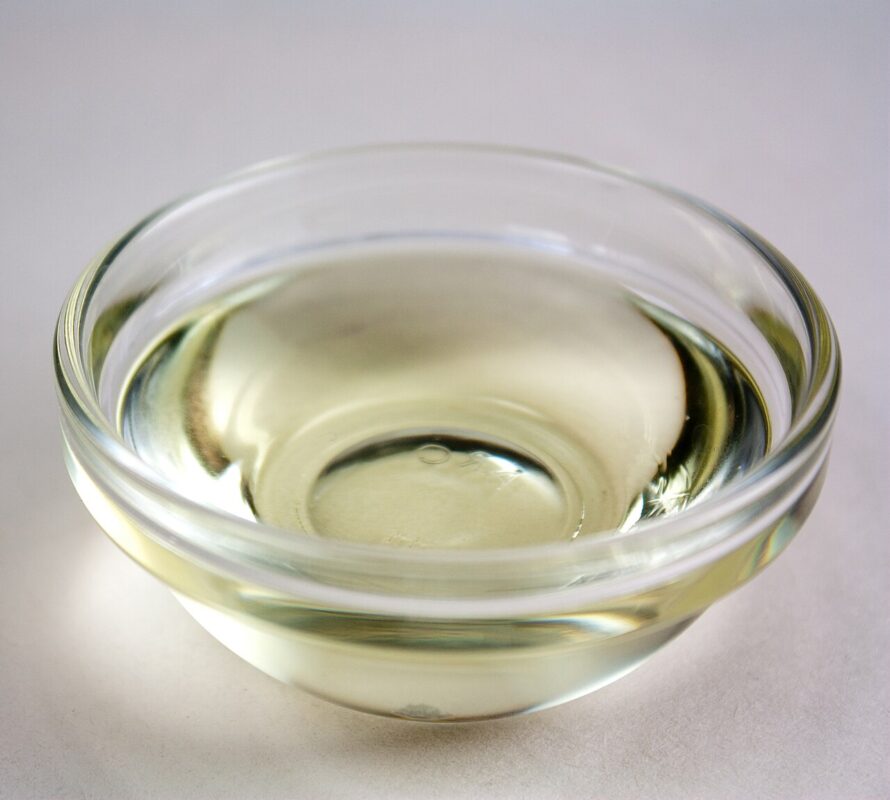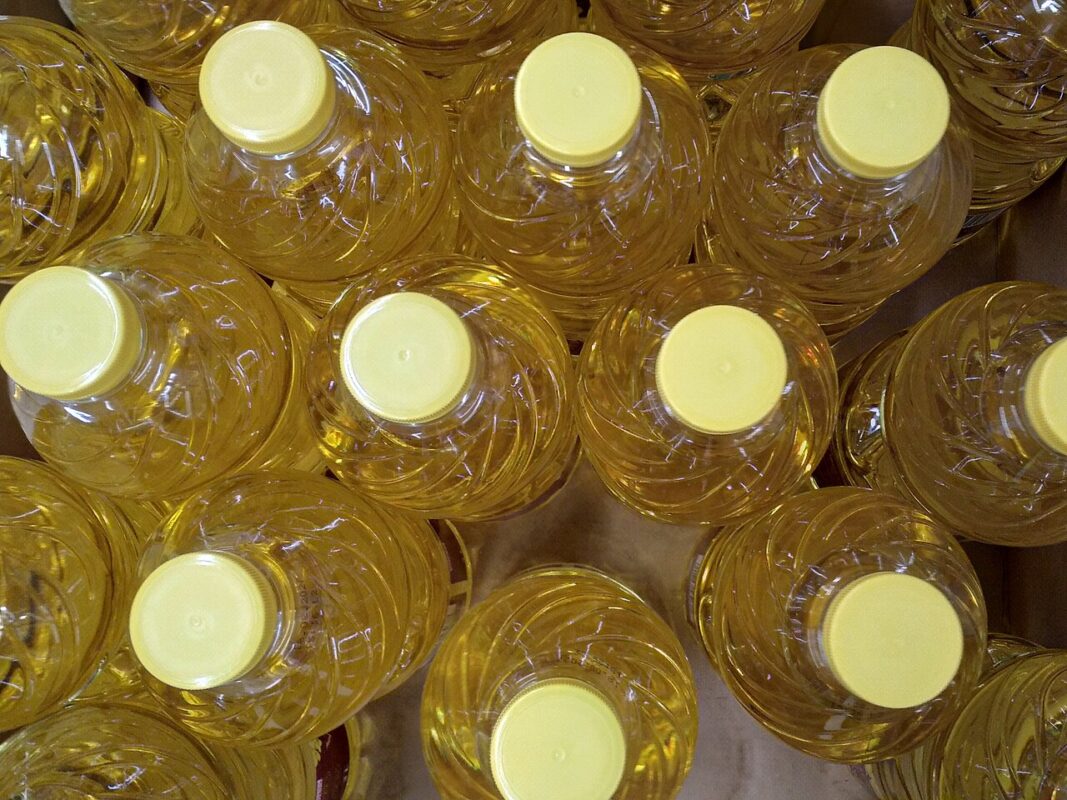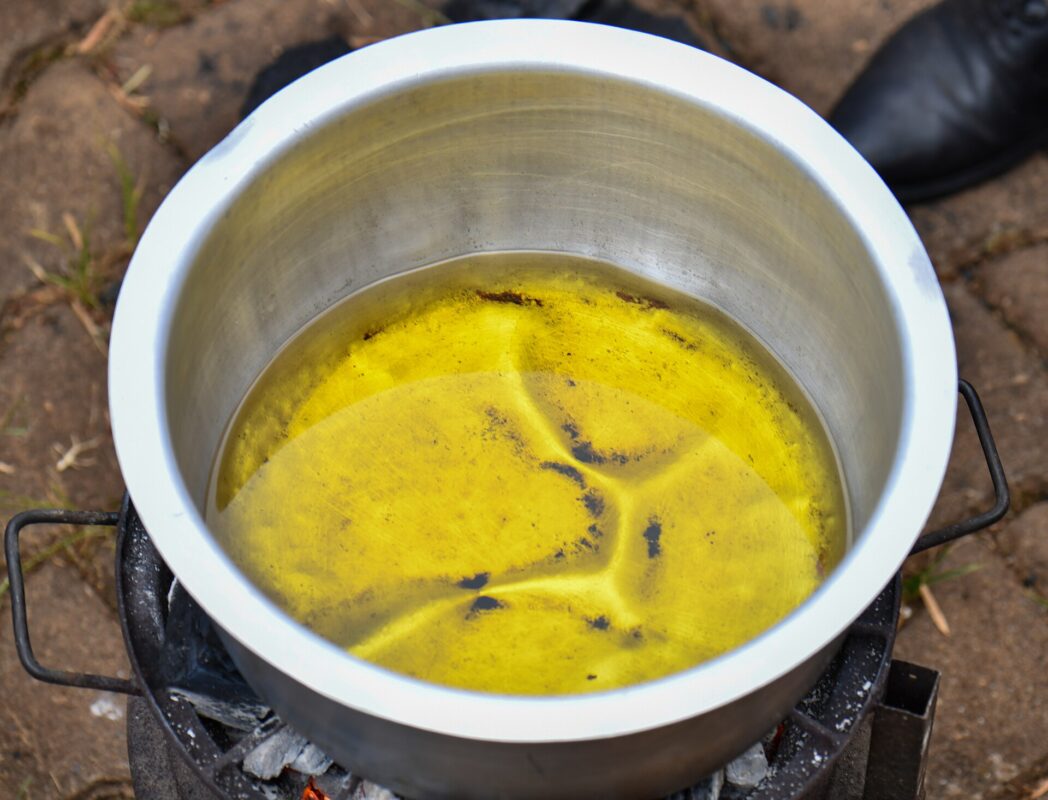
Hardly a week goes by without a restaurant owner, a food service buyer or a snack plant manager asking us the same thing: sunflower oil vs canola oil for frying, which one should I buy? We sell both, in bulk and in tins, jerrycans and bottles, to kitchens and factories around the world. So we don’t have a horse in the sunflower oil vs canola oil for frying race. We’d rather you buy the right oil and come back next month.
The short version is that both are good frying oils, but they behave differently once the fryer has been running for a few days. Below is the long version, with real specs, how each oil holds up, what it costs you over a month, and which one we’d pick for different kinds of kitchens.

Table of Contents
Sunflower Oil vs Canola Oil for Frying: The Short Answer
If you only read one section on sunflower oil vs canola oil for frying, read this one.
- Regular refined sunflower oil is clean tasting and has a high smoke point, but it’s high in linoleic acid, so it breaks down faster under long, heavy frying.
- Refined canola oil has more oleic acid and less linoleic than regular sunflower oil, so it usually lasts a bit longer in the fryer. It also contains some omega 3, which can give a faint off-smell after long use.
- High oleic sunflower oil beats both for fry life. It costs more per tin but often less per month in a busy kitchen.
So in the sunflower oil vs canola oil for frying question, canola usually edges out regular sunflower oil on stability, and high oleic sunflower oil beats them both. Price in your market then decides the rest. If you’ve read our older comparison of canola oil vs sunflower oil, this page goes further into frying only.
Side-by-Side Specs for Frying
Here are typical figures for refined oils. These are what drive the whole sunflower oil vs canola oil for frying debate.
| Property | Regular sunflower | High oleic sunflower | Refined canola |
|---|---|---|---|
| Oleic acid (C18:1) | About 14 to 39% | 80% or more | About 55 to 65% |
| Linoleic acid (C18:2) | About 48 to 74% | 10% or less | About 18 to 23% |
| Alpha-linolenic acid (C18:3, omega 3) | Under 0.3% | Under 0.5% | About 8 to 11% |
| Saturated fat | About 10 to 12% | About 7 to 10% | About 7% |
| Smoke point (refined) | About 225 to 230 °C | About 230 to 245 °C | About 205 to 230 °C |
| Iodine value | 118 to 141 | 78 to 90 | 105 to 126 |
| Taste | Neutral | Neutral | Neutral |
| Clarity in cold | Very good (winterised) | Very good | Very good |
If you want the full fatty acid picture, see our sunflower oil fatty acid composition post and our RBD canola oil specification. General background is on the Wikipedia pages for sunflower oil and canola oil.
Smoke Point Is Not the Whole Story
Most articles on sunflower oil vs canola oil for frying stop at smoke point. That’s a mistake. Smoke point tells you when fresh oil starts to smoke. It doesn’t tell you how fast the oil falls apart after hours at 180 °C with wet food going in and out.
What matters more in a real fryer is oxidative stability. Heat, water from the food, air and bits of batter all attack the oil. Polyunsaturated fats, especially linoleic and linolenic acid, react fastest. As they break down, the oil darkens, gets thicker, foams, smokes at lower temperatures and starts to taste of old oil. Many food safety authorities check frying oil by measuring total polar compounds, and a lot of countries treat oil above roughly 24 to 27% polar compounds as spent.
So the fatty acid profile is the real answer to sunflower oil vs canola oil for frying. Regular sunflower oil has the most linoleic acid. Canola has much less linoleic but carries some linolenic acid (omega 3). High oleic sunflower oil has very little of either. Smoke point still matters, and you can compare all the main oils on our cooking oil smoke point chart or read the basics on Wikipedia’s smoke point page.
How Each Oil Behaves in a Real Fryer
These notes on sunflower oil vs canola oil for frying come from what our food service and factory customers tell us, not from a lab. Your results will depend on what you fry, how hot, and how well you look after the oil.
Regular refined sunflower oil
Fresh, it’s lovely. Clean taste, light colour, crisp results. Under light or medium use, such as a restaurant frying a few batches of chips and fish at lunch and dinner, it does the job well and it’s usually one of the cheaper oils on the shelf. Under heavy use, it darkens and foams sooner than canola or high oleic oil. Kitchens running it hard often change it every three to four days. That fry life is the weak spot in the sunflower oil vs canola oil for frying comparison for regular sunflower.
Refined canola oil
Canola is a solid all-rounder. It’s neutral, light, and its higher oleic content gives it a longer fry life than regular sunflower oil in most kitchens. The catch is the omega 3. After long frying, linolenic acid can give a faint fishy or painty smell some chefs notice. It isn’t harmful, but it’s one reason why the sunflower oil vs canola oil for frying debate never quite ends. Our refined canola oil and RBD canola oil pages list our canola grades.
High oleic sunflower oil
This is the one big chains and snack makers move to when they’re serious about oil cost. With 80% or more oleic acid and very little linoleic or linolenic, it resists breakdown much better than either regular oil. Kitchens that change regular sunflower oil every four days often stretch high oleic to a week or more. See our high oleic sunflower oil supplier page for specs.
High oleic canola
There’s also a high oleic, low linolenic canola, used by some large fast food chains. It’s very stable too, but it isn’t always easy to buy outside a few markets. If you can get it at a good price, it competes well with high oleic sunflower oil. In that case, sunflower oil vs canola oil for frying really becomes a question of price and supply in your market.
Taste, Colour and Smell
On taste, the sunflower oil vs canola oil for frying comparison is close to a draw. Both refined oils are neutral. A trained taster can sometimes tell canola from sunflower in very plain food such as boiled-then-fried potatoes, but most diners can’t.
Colour is where the sunflower oil vs canola oil for frying gap shows after a few days. Regular sunflower oil tends to darken faster. Canola darkens more slowly. High oleic sunflower oil stays lighter the longest. Darker oil gives darker food, and in a fish and chip shop or a doughnut bakery that can matter to customers.
Smell follows the same pattern. Old sunflower oil smells heavy and stale. Old canola can pick up that faint fishy note. Old high oleic oil holds out longest before it smells tired. If you’re curious how sunflower compares with other oils, our posts on sunflower oil vs olive oil and canola oil vs soybean oil are worth a read.
Health Questions People Ask
Health comes up in almost every sunflower oil vs canola oil for frying conversation. We’re oil traders, not doctors, so we’ll stick to what’s on the label and leave diet advice to the experts.
- Saturated fat. Both oils are low. Canola is slightly lower than regular sunflower oil.
- Omega 3 and omega 6. Canola has some omega 3 and a lower omega 6 content. Regular sunflower oil is very high in omega 6 and has almost no omega 3. High oleic sunflower is low in both. Our post on the omega 6 to omega 3 ratio in cooking oils sets out the numbers.
- Erucic acid. Canola is, by definition, a low erucic acid rapeseed. Food-grade canola is bred to keep it very low. The old worries were about traditional rapeseed. See erucic acid on Wikipedia and our canola oil vs rapeseed oil post.
- Trans fat. Neither refined oil is a meaningful source of trans fat when bought fresh. Overused, burnt oil is a different matter, which is another reason to change oil on time. More in our trans fat in vegetable oil article.
Cost Per Tin vs Cost Per Month
Here’s where the sunflower oil vs canola oil for frying question gets practical. Buyers compare the price per tin. Kitchens pay per month. These two numbers aren’t the same.
Take a restaurant using one 18 litre tin a day of top-up and fresh oil, with a full change whenever the oil is spent. The table below uses price indexes rather than real prices, because prices move every week and differ by country. The fry life figures are typical of what our customers report.
| Item | Regular sunflower | Refined canola | High oleic sunflower |
|---|---|---|---|
| Price per tin (index) | 100 | 95 to 110 | 125 |
| Days before full change | 4 | 5 | 7 |
| Tins used per month (approx.) | 7.5 | 6 | 4.3 |
| Monthly oil cost (index) | 750 | 570 to 660 | 538 |
Your numbers will differ, and that’s why sunflower oil vs canola oil for frying has no single answer. But the pattern is common: the dearer oil per tin is often the cheaper oil per month. Canola’s price varies a lot by region. In some markets it’s cheaper than sunflower, in others dearer. For current market levels, see our canola oil price per ton guide and sunflower oil wholesale price per ton.
Which Oil for Which Kitchen
This is how we’d answer sunflower oil vs canola oil for frying for different buyers. It’s a starting point, not a rule.
| Kitchen or plant | Our usual pick | Why |
|---|---|---|
| Fast food, fried chicken, all-day fryers | High oleic sunflower | Longest fry life, lowest cost per month |
| Fish and chips | High oleic sunflower or canola | Stable colour, clean taste |
| Casual restaurant, light frying | Regular sunflower or canola | Price, neutral taste |
| Asian wok cooking | Regular sunflower or canola | Short, hot cooking, frequent oil change |
| Doughnut and bakery frying | High oleic sunflower | Light colour, less greasy finish |
| Snack and crisp factory | High oleic sunflower | Shelf life of the finished product |
| Home cooking, retail bottles | Regular sunflower or canola | Price and availability |
For more detail on specific foods, read our notes on the best oil for deep frying chicken and the best oil for potato chips manufacturing. Our post asking is sunflower oil good for frying covers regular sunflower in more depth.
The Frying Oils We Supply
Whichever side of sunflower oil vs canola oil for frying you land on, we can ship it. Our main frying grades are:
- Refined sunflower oil, FFA 0.1% max, PV 2.0 meq/kg max at loading, winterised. See refined sunflower oil for sale.
- High oleic sunflower oil, oleic 80% min, FFA 0.1% max. See high oleic sunflower oil for sale.
- Refined canola oil, low erucic acid, FFA 0.1% max, neutral. See our canola oil range.
- High oleic soybean oil, another stable option in some markets. See high oleic soybean oil for commercial frying.
For both sides of the sunflower oil vs canola oil for frying choice, packing runs from flexitanks and ISO tanks through drums and IBCs to 18 litre tins, 20 litre jerrycans and retail bottles. Bulk buyers should read how to buy sunflower oil in flexitank and our canola oil flexitank page. Hotels and restaurant groups can also look at our refined sunflower oil for hotels and restaurants offer.
7 Smart Tips for Choosing Your Frying Oil
- Count days, not tins. Track how long each oil lasts in your fryer for two weeks. That settles sunflower oil vs canola oil for frying better than any article, including this one.
- Test both oils in the same fryer. Same food, same temperature, same filtering routine. Otherwise you’re comparing your habits, not the oils. A fair sunflower oil vs canola oil for frying test needs identical conditions.
- Ask for the fatty acid profile. Oleic and linoleic numbers predict fry life. A supplier who can’t give them isn’t selling a consistent product.
- Check FFA and PV on arrival. Even good oil goes stale if it sat in a hot warehouse. Our guide to free fatty acid and peroxide value explains both.
- Look at the cold test if you store oil in cold rooms. Badly winterised oil clouds and looks wrong to staff and customers.
- Buy a pack size that fits your fryer. An 18 or 20 litre pack that empties into one fryer in one go means less waste and less handling.
- Lock in a supply contract once you’ve decided. Switching oils every month because one was a bit cheaper makes your fried food inconsistent. Settle sunflower oil vs canola oil for frying once, then stick with it.
Fryer Care: Make Any Oil Last Longer
Whatever you choose in the sunflower oil vs canola oil for frying debate, how you treat the oil matters as much as which oil you buy. Some simple habits we see in the best kitchens:
- Filter the oil at least once a day, more on busy days.
- Keep the temperature at 170 to 180 °C for most foods. Hotter wastes oil.
- Turn fryers down to idle when there’s a lull.
- Shake off ice and excess water before frying.
- Never salt food over the fryer. Salt speeds up breakdown.
- Skim crumbs often.
- Cover fryers when not in use to keep out light and dust.
- Change the oil when it foams, smokes early or smells off, not on a fixed day.
We go further in our guide on how often to change fryer oil. And for storing oil before use, see the shelf life of sunflower oil, soybean and canola.
A Simple Fry Test You Can Run This Week
The best way to settle sunflower oil vs canola oil for frying in your own kitchen is a side-by-side test. It costs a few tins of oil and gives you an answer that fits your menu, your fryers and your staff. Here’s how our restaurant customers do it.
- Use two identical fryers. Same model, same size, cleaned and boiled out first.
- Fill one with sunflower oil and one with canola. Write the date and the oil on a strip of tape on each fryer.
- Fry the same foods in each. Split orders between the two so both get the same load.
- Keep the same routine. Same temperature, same filtering, same top-up rules.
- Check the oil daily. A cheap test strip or a polar compound meter gives you a number. Note colour, smell and foaming too.
- Change each oil when it’s spent, not before. Count the days.
- Taste the food. Ask two or three staff to taste blind on day one and on the last day.
Two weeks of this tells you more about sunflower oil vs canola oil for frying than any spec sheet. If you want to add a third fryer with high oleic oil, even better. Most kitchens that run all three end up with a clear winner, and it isn’t always the one they expected.
What Buyers in Different Regions Usually Choose
Habit and local supply shape the answer to sunflower oil vs canola oil for frying as much as chemistry does. Broadly, this is what we see among our own customers.
Europe, the Middle East and much of Africa lean towards sunflower oil because it has long been the common cooking oil there, and supply from the big sunflower growing regions is close. High oleic sunflower is popular with chains and snack makers.
North America and Australia use a lot of canola because it’s grown locally and is often the cheaper oil. High oleic canola is common in large chains.
Asia mixes it up. Palm olein dominates a lot of commercial frying, with sunflower and canola used where buyers want a lighter oil or a cleaner label. Restaurants serving western-style fried food often pick sunflower.
Latin America and the Caribbean use soybean, sunflower and canola depending on price and import routes.
None of this makes one oil right for you. It just explains why your local supplier may push one oil over the other.
Factory-Scale Frying: A Different Question
For a snack, noodle or frozen food plant, sunflower oil vs canola oil for frying becomes a question about the finished product as much as the fryer. Oil gets absorbed into the food, so the oil’s stability decides how long the product tastes fresh on a shelf.
Continuous fryers also turn oil over fast. Fresh oil is pumped in as oil leaves with the product, so the oil in the fryer stays fairly young. That means factories can sometimes use regular oil where a restaurant couldn’t, as long as their product has a short shelf life. For long shelf life products, almost every plant we supply ends up on high oleic oil.
Factories also care about bulk logistics: flexitank or ISO tank delivery, heated or unheated storage, and a steady spec every month. We cover that in our deodorized sunflower oil uses guide and on our organic sunflower oil wholesale page for organic lines.
Frequently Asked Questions
Sunflower oil vs canola oil for frying: which lasts longer?
In the sunflower oil vs canola oil for frying comparison, canola usually lasts a little longer than regular sunflower oil in the fryer. Against high oleic sunflower oil, canola usually loses on fry life.
Which has the higher smoke point, sunflower or canola?
Refined sunflower oil is often quoted slightly higher, around 225 to 230 °C, against roughly 205 to 230 °C for refined canola. In practice, smoke point is the least important part of sunflower oil vs canola oil for frying, because both are well above normal frying temperatures.
Can I mix sunflower and canola oil in the same fryer?
Yes. If you can’t decide on sunflower oil vs canola oil for frying, a blend works fine. They mix without any problem. Just be aware the blend behaves somewhere between the two.
Does canola oil taste fishy when frying?
Fresh refined canola is neutral. After long, heavy use some people notice a faint fishy note from its omega 3 content. Regular filtering and timely oil changes keep it in check.
Which is cheaper, sunflower or canola oil?
Price is the wild card in sunflower oil vs canola oil for frying. It depends on your country and the season. Ask us for both prices delivered to your port and compare cost per month, not per tin.
Do you supply both oils in the same container?
Yes, for packed goods. We regularly load mixed containers of sunflower and canola oil in tins, jerrycans and bottles.
Sunflower Oil vs Canola Oil for Frying: Get Both Prices
Still weighing sunflower oil vs canola oil for frying? Tell us what you fry, how much oil you use a week, the pack size you want and your port. We’ll quote both oils side by side, usually within one working day, so you can decide on real numbers. You can also browse our full product range.
Email info@dthcompanyltd.com, call or WhatsApp +66 91 765 9104, or use our contact page.