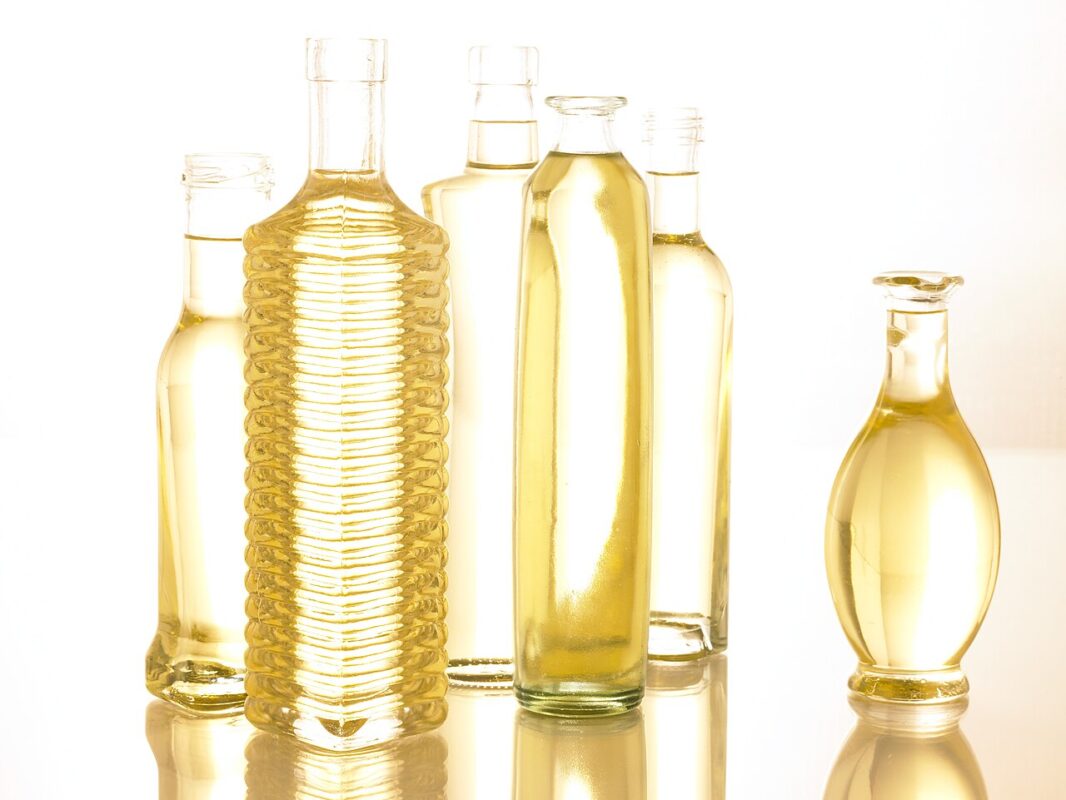
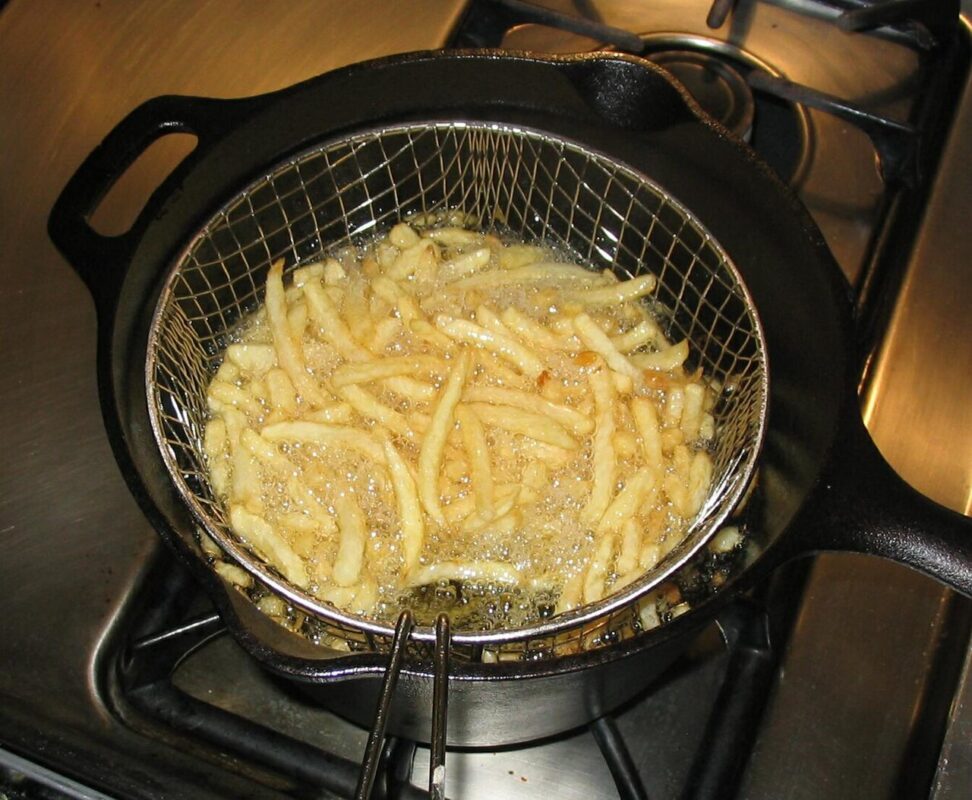
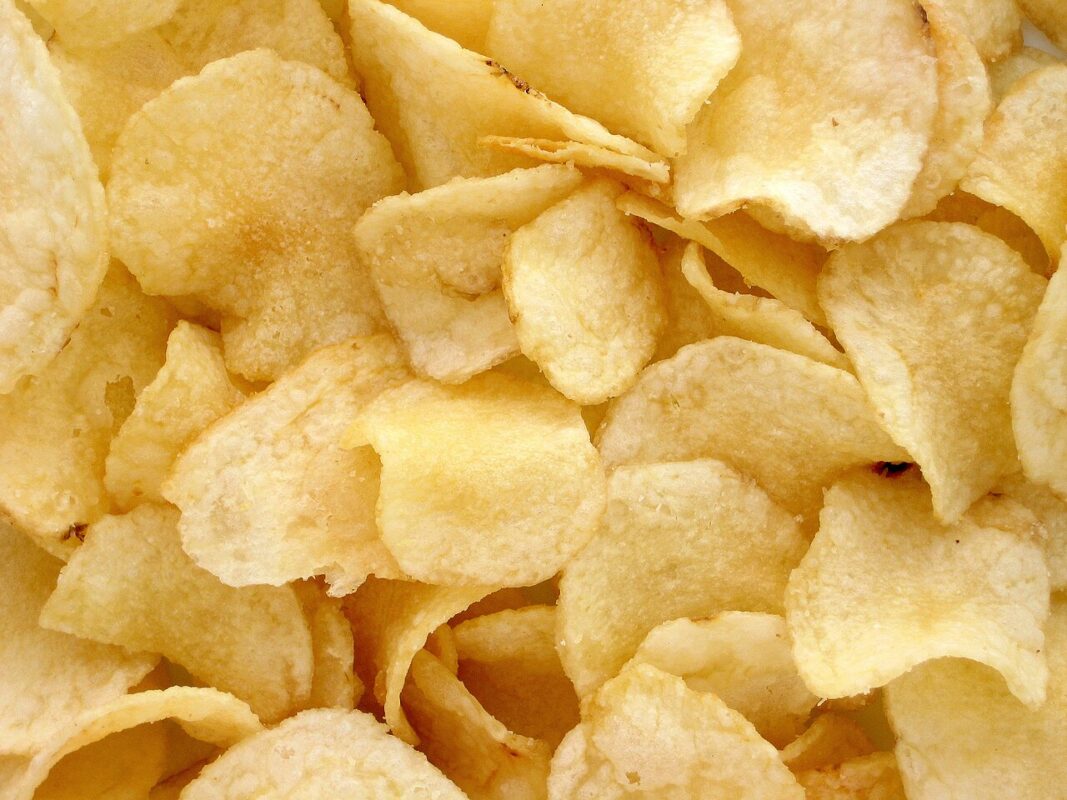
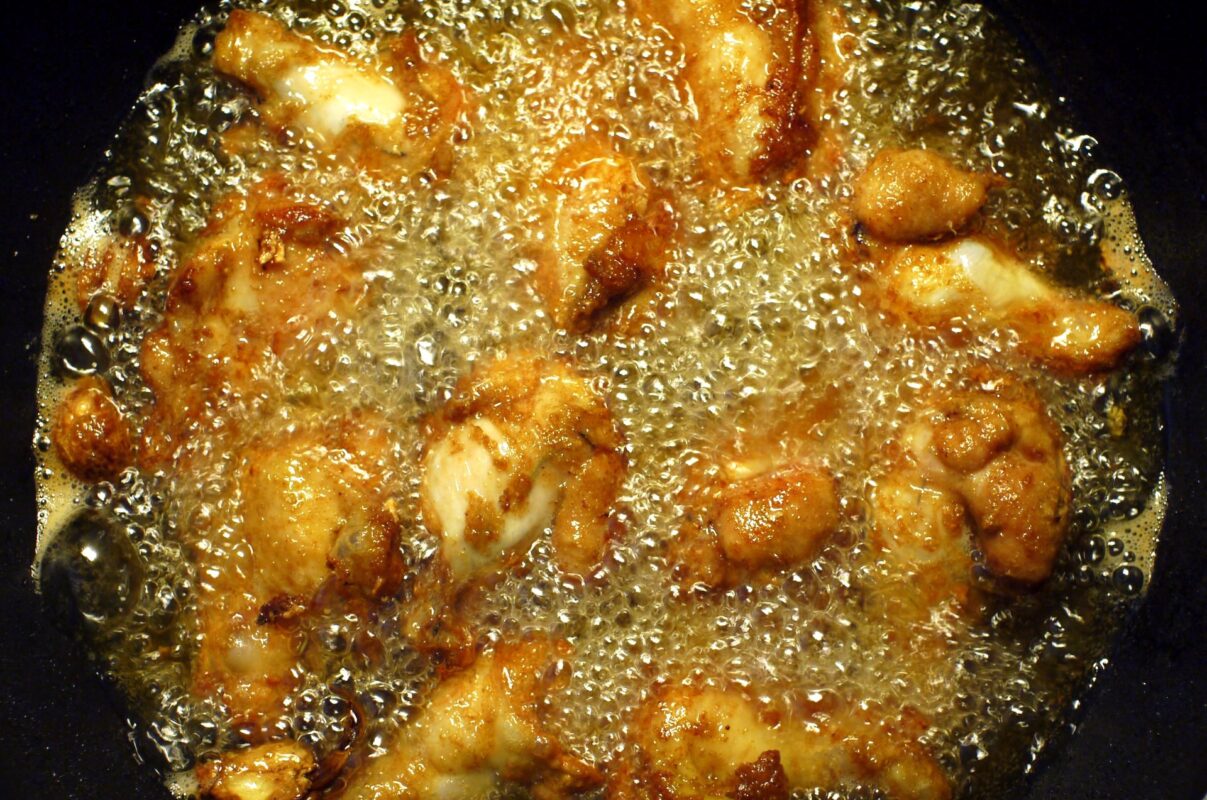
If you run fryers all day, oil is one of your biggest running costs after labour. Every time you dump a fryer, you’re pouring money down the drain. High oleic soybean oil for commercial frying is one of the simplest ways to make that oil last longer, keep food tasting consistent, and stay clear of trans fat rules, without changing your recipes.

We supply high oleic soybean oil for commercial frying from Thailand to restaurant chains, snack factories, caterers and food service distributors around the world. This page explains what the oil is, why it stands up to heat better than regular soybean oil, the specs we ship, how to get the most out of it in your fryers, and how to buy it from us.
Table of Contents
What Is High Oleic Soybean Oil?
It’s soybean oil from soybean varieties bred to produce much more oleic acid and much less of the fats that break down quickly under heat. Oleic acid is the main fat in olive oil. It’s a monounsaturated fat, and it’s far more stable at frying temperatures than the polyunsaturated fats that make up most of regular soybean oil.
Here’s the difference in rough numbers:
| Fatty acid | Regular soybean oil (typical) | Our high oleic soybean oil |
|---|---|---|
| Oleic acid (C18:1) | About 20 to 25% | 70% min |
| Linoleic acid (C18:2) | About 50 to 55% | 20% max |
| Alpha-linolenic acid (C18:3) | About 6 to 8% | 3% max |
| Saturated fat | About 14 to 16% | 12% max |
That shift is the whole reason high oleic soybean oil for commercial frying works. Linoleic and linolenic acids react with oxygen much faster than oleic acid does, and the hotter the oil, the faster it happens. Take most of them out and the oil lasts longer in the fryer. There’s a longer explanation in our article on high oleic soybean oil vs regular soybean oil.
Why Use High Oleic Soybean Oil for Commercial Frying
Longer fry life
This is the big one. Because the oil oxidises and breaks down more slowly, you can usually go longer between oil changes. How much longer depends on what you fry, how many hours a day the fryer runs, and how well you look after it. Test it in your own kitchen. You’ll usually see the difference within a couple of weeks.
More consistent food
As oil breaks down it darkens, foams and gives food a heavier, more bitter taste. Stable oil keeps food looking and tasting the same at the end of the week as at the start.
No trans fat, no hydrogenation
In the past, kitchens that wanted a stable frying oil used partially hydrogenated oils, which contain trans fat. Many countries have now banned or limited those, and the World Health Organization has pushed for industrial trans fat to be removed from food worldwide. High oleic soybean oil gives you stability without hydrogenation, so there’s no trans fat from processing. Our guide on trans fat in vegetable oil explains the rules in more detail.
Lower saturated fat than palm
Palm oil and its fractions are very stable too, and they’re cheap. But they’re high in saturated fat and go solid when cool, which some customers don’t like. High oleic soybean oil for commercial frying stays liquid and is lower in saturated fat.
Neutral flavour
It’s bland, so your food tastes of the food. It doesn’t carry the beany or fishy notes regular soybean oil can pick up as it ages.
Specs for High Oleic Soybean Oil for Commercial Frying
This is the standard spec we load. Every lot comes with a Certificate of Analysis, so you can check it.
| Parameter | Specification |
|---|---|
| Appearance | Clear, light yellow liquid |
| Odour and taste | Neutral, bland, free from rancidity |
| Oleic acid (C18:1) | 70% min of total fatty acids |
| Linoleic acid (C18:2) | 20% max |
| Alpha-linolenic acid (C18:3) | 3% max |
| Saturated fatty acids | 12% max |
| Free fatty acids (as oleic) | 0.1% max |
| Moisture and volatile matter | 0.10% max |
| Peroxide value | 10 meq O2/kg max (typical 5 or less) |
| Iodine value (Wijs) | 85 to 100 |
| Saponification value | 189 to 195 |
| Shelf life | 18 to 24 months, cool and dry |
Notice the iodine value. At 85 to 100 it’s well below regular soybean oil’s 120 to 141. Lower iodine value means fewer double bonds for oxygen to attack, which is a simple way to see why the oil is more stable. You’ll find the full product details on our high oleic soybean oil page.
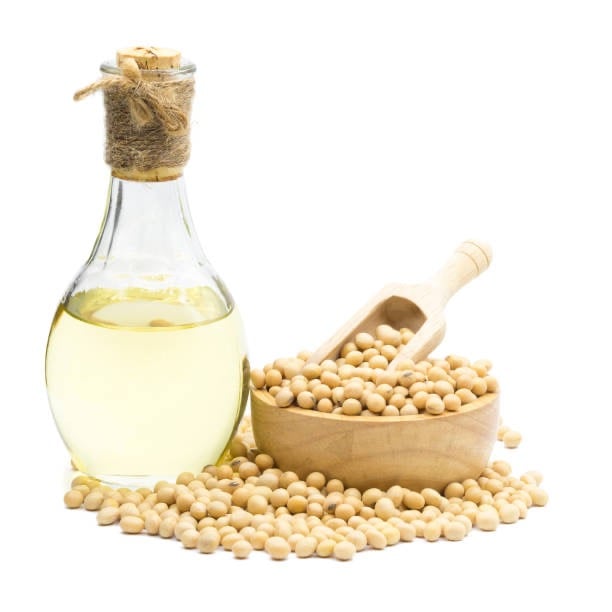
Where High Oleic Soybean Oil for Commercial Frying Is Used
- Quick service restaurants frying fries, chicken and fish all day
- Snack factories making potato chips, extruded snacks, nuts and crackers, where shelf life of the finished snack matters as much as fry life
- Bakeries frying doughnuts and other fried dough
- Par-fry plants making frozen fries, nuggets and coated products
- Caterers, hotels and canteens with high-volume fryers
- Food service distributors supplying all of the above
For snack makers there’s a second benefit. A more stable frying oil means the oil picked up by the snack goes stale more slowly, so your chips stay fresh on the shelf for longer. Our guide on the best oil for potato chips manufacturing goes into this.
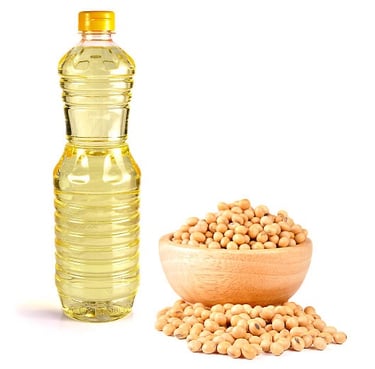
High Oleic Soybean Oil vs Other Frying Oils
| Oil | Stability in the fryer | Saturated fat | Solid when cool? | Notes |
|---|---|---|---|---|
| High oleic soybean | High | Low | No | Long fry life, no trans fat |
| Regular soybean | Moderate | Low to medium | No | Cheap, shorter fry life |
| Palm olein | High | High | Can cloud or set | Cheap, very stable |
| High oleic sunflower | High | Low | No | Very similar to high oleic soy |
| Canola | Moderate to good | Lowest | No | Good, but contains some omega-3 |
We sell all of these, so we’re not trying to push you into one. But when buyers ask us which one we’d use for long frying hours, it’s usually high oleic soybean oil for commercial frying or high oleic sunflower. If you fry a lot and care about fry life and a clean label, high oleic soybean oil for commercial frying is hard to beat. If price is all that matters, palm olein or regular soybean oil may suit you better. For other comparisons, see high oleic sunflower oil for frying applications, the best oil for deep frying chicken, and our cooking oil smoke point chart.
Does It Really Save Money?
High oleic soybean oil for commercial frying costs more per ton than regular soybean oil. Whether it saves you money depends on how much longer it lasts in your fryers. Here’s a simple way to work it out.
Say you have a fryer that holds 25 litres. With regular oil you change it every 4 days. With high oleic soybean oil for commercial frying, after testing, you find you can go 6 days. Say a fryer fill of regular oil costs you 100 in your currency, and the same fill of high oleic costs 118.
| Item | Regular soybean oil | High oleic soybean oil |
|---|---|---|
| Price index | 100 | 118 |
| Days between changes | 4 | 6 |
| Oil changes per month (30 days) | 7.5 | 5 |
| Monthly oil cost index | 750 | 590 |
In that example you’d spend about 20 percent less on oil, plus less time cleaning fryers and less waste oil to get rid of. The numbers are made up to show the method. Your own will depend on your food, hours and fryer care, so run your own test before you commit. Top-up oil also counts: oil soaked up by the food has to be replaced either way.
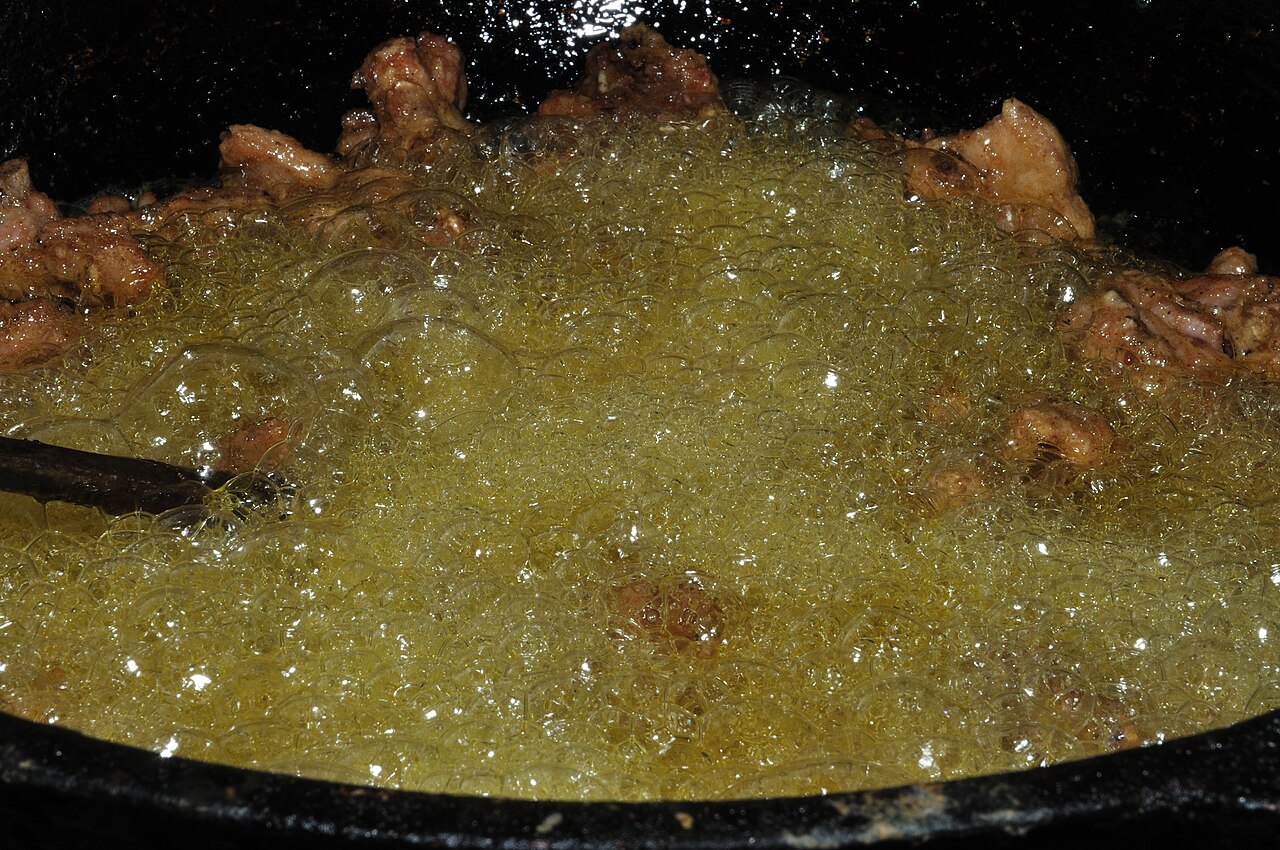
How to Get the Most From Your Frying Oil
Good oil only goes so far if the fryer is mistreated, and that includes high oleic soybean oil for commercial frying. These habits make any oil last longer, and they make high oleic soybean oil for commercial frying last a lot longer.
Keep the temperature right
Most frying is done between about 170°C and 185°C. Going hotter speeds up breakdown without cooking food much faster. Check your thermostats.
Turn fryers down when they’re idle
An empty fryer sitting at full heat is wearing out your oil for nothing. Turn it down or cover it during quiet periods.
Filter every day
Crumbs and batter burn and speed up breakdown. Filter at least once a day, more in busy kitchens.
Top up with fresh oil
Food takes oil with it. Topping up regularly keeps the level right and refreshes the oil.
Keep salt and water away
Don’t salt food over the fryer. Shake off ice and water before frying frozen food. Both damage the oil.
Test the oil, don’t guess
Many kitchens use a polar compounds tester. In a lot of countries oil is considered spent when total polar compounds reach around 24 to 27 percent. Our guide on how often to change fryer oil explains the signs and the tests.
What Chain Buyers Usually Ask Us
When a restaurant group or distributor first looks at high oleic soybean oil for commercial frying, the same few questions come up. Here are the short answers we give.
Will our food taste different? Not in a way most customers notice. If anything, food tastes more consistent across the week, because the oil isn’t breaking down as fast.
Do we need new fryers or settings? No. Same fryers, same temperatures, same cooking times. The oil is a straight swap.
Can we label our menu “no trans fat”? The oil isn’t hydrogenated, so there’s no trans fat from processing. What you can say on a menu depends on your local rules, so check them, but many chains do make that claim.
Can every branch get the same oil? Yes. We can ship to several ports on one programme, under one spec, so the oil in one country matches the oil in the next. That’s a big part of why multi-country chains buy high oleic soybean oil for commercial frying on a contract rather than buying locally.
What if a lot is off spec? We agree that in writing before the first order. Every lot has a COA and a retained sample, so if there’s a problem we can trace it.
Can we start small? Yes. One container, mixed pack sizes if you like, and a sample for your trial before that.
Packing Options
We supply high oleic soybean oil for commercial frying in whatever suits your operation:
| Packing | Best for |
|---|---|
| Flexitank or ISO tank | Snack and par-fry plants with bulk storage |
| 180 to 200 kg steel drums | Medium factories and central kitchens |
| 18 L tins or 25 L jerrycans | Restaurants, caterers, food service distributors |
| 1 L and 5 L PET bottles | Retail and small food service |
| Custom packaging | Private label for chains and distributors |
If you’re a chain or distributor, we can pack under your brand. See our private label vegetable oil page. For help choosing between pack types, read PET bottle vs jerrycan cooking oil packaging.
What It Costs
High oleic soybean oil for commercial frying sells at a premium over regular refined soybean oil. The premium moves with supply of high oleic beans and with demand from food companies. Like all soybean oil, the base price follows the world soybean oil market, which in 2026 has been pushed around by biofuel demand and swings in crude petroleum.
For the current market level, read our soybean oil price per ton guide, and for packed container pricing see our soybean oil 40ft container price breakdown. Then send us your pack, volume and port, and we’ll quote today’s figure.
7 Proven Ways to Cut Oil Costs With High Oleic Soybean Oil for Commercial Frying
1. Run a proper trial
Put the new oil in one or two fryers and the old oil in the others. Record days between changes, top-up oil, and food quality. Two to four weeks gives you real numbers.
2. Measure polar compounds
Change oil when it’s spent, not on a fixed day. That alone often saves oil.
3. Train the team
Most waste comes from habits: fryers left on high, no filtering, salting over the oil. A short training session pays for itself.
4. Buy the right pack size
Bigger packs cost less per litre. If you have the space, 18 L tins or jerrycans beat bottles.
5. Buy on a programme
Agree regular deliveries and you’ll get steadier prices and never run short.
6. Check every delivery
Look at the colour, smell it, and check the COA. Here’s how to read one: certificate of analysis for edible oil.
7. Buy from a real supplier
Some “high oleic” oil on the market isn’t. Ask for the fatty acid profile on the COA, and test it if you can. Our guide on how to detect adulterated cooking oil has a few simple checks.
Fryer Types and How the Oil Behaves
Not all fryers treat oil the same way, and that changes how much you’ll gain from high oleic soybean oil for commercial frying.
Open fryers in restaurants
The most common setup. The oil is exposed to air at the surface, and it’s often left hot during quiet periods. This is where stable oil helps most, because so much of the damage happens while the fryer is waiting.
Pressure fryers
Used a lot for chicken. Pressure keeps more moisture in the food and less air on the oil, so oil tends to last a bit longer anyway. High oleic oil still helps, especially with breaded and seasoned products that shed crumbs.
Continuous fryers in snack and par-fry plants
Here the oil turns over quickly, because the product carries a lot of it out and fresh oil is added all the time. Fry life matters less than the quality of the oil the snack takes with it. High oleic soybean oil for commercial frying helps the finished snack stay fresh for longer on the shelf, which is why snack makers like it.
Batch fryers in bakeries
Doughnut fryers run at steady temperatures for hours. A stable liquid oil gives a clean finish, and because it doesn’t set when cool, the product doesn’t feel waxy.
There’s a good general background on frying methods in the deep frying article on Wikipedia.
Switching From Palm or Regular Soybean Oil
Changing oil isn’t complicated, but a few steps make the switch smooth.
- Boil out the fryer. Drain the old oil, clean the fryer properly and rinse it. Old oil and residue left behind will shorten the life of the new oil.
- Dry it fully. Water and hot oil don’t mix, and water speeds up breakdown.
- Fill with fresh oil and heat it gently to your frying temperature.
- Tell the team why. If staff know the new oil is meant to last longer, they’re more likely to filter and turn fryers down.
- Record everything for a few weeks. Days between changes, top-up oil and food quality. That’s how you’ll know whether high oleic soybean oil for commercial frying is saving you money.
If you’re switching from palm olein, the biggest difference your staff will notice is that the oil stays liquid when the fryer cools, so cleaning is easier. Food may feel slightly less greasy on the outside too.
Less Waste Oil
Longer fry life also means less used cooking oil to store and get rid of. In many cities used cooking oil is collected and turned into biodiesel, so it isn’t wasted, but you still have to store it and arrange collection. Fewer oil changes means fewer drums of waste in the back yard, fewer collections, and less risk of spills. It’s a small thing, but kitchen managers notice it.
Quality Checks on Every Lot
Any good supplier of high oleic soybean oil for commercial frying should give you the fatty acid profile on the COA, not just FFA and peroxide value. That’s the only way to confirm you’re getting the high oleic product you paid for. Ask for the oleic, linoleic, linolenic and saturated fat figures on every COA, and check them against the spec above. For the international identity standards for soybean oil, the Codex Alimentarius Commission publishes the Codex standard for named vegetable oils.
Storage Before It Reaches the Fryer
High oleic soybean oil keeps 18 to 24 months in good storage, longer than regular soybean oil. To get the full shelf life:
- Store it cool, dry and out of direct sun
- Keep containers sealed until you use them
- Use first in, first out
- Keep tins and jerrycans off the floor in humid kitchens
Certifications
Our plants work under ISO 22000, HACCP, GMP and Halal systems. Food service chains often need to show where their oil comes from and how it’s controlled, and we can send the certificates with each shipment. More detail on what those mean is in our HACCP certified cooking oil manufacturer article. Background on soybean oil in general is on the soybean oil Wikipedia page.
How to Order
- Tell us your pack, monthly volume and destination port.
- We send a quote, the spec sheet and a sample if you want to trial it.
- You run your fryer trial and approve the oil.
- We agree a contract with the spec, price basis and payment terms.
- We load and send photos, the COA and documents.
- You receive it and start frying.
Minimum order is one container. Loading is usually one to three weeks after the contract, longer for private label the first time. See our page on minimum order quantity for bulk cooking oil for the detail.
Who Buys High Oleic Soybean Oil for Commercial Frying From Us
We sell high oleic soybean oil for commercial frying to restaurant groups, snack manufacturers, bakeries, caterers and food service distributors across Asia, the Middle East, Africa, Europe, the Americas and the Pacific. If your port takes container ships, we can get oil there. See our wider range on the soybean oil and products pages, and our standard refined soybean oil if you want to compare.
Frequently Asked Questions
Is high oleic soybean oil good for deep frying?
Yes. It’s one of the most stable liquid oils for deep frying, because it has a lot of oleic acid and very little linolenic acid.
How much longer does high oleic soybean oil for commercial frying last?
It depends on your food and fryer care. Kitchens usually see a clear increase in days between changes. Run a trial to get your own number.
Does it contain trans fat?
It isn’t hydrogenated, so there’s no trans fat from processing.
Does it taste different from regular soybean oil?
It’s neutral and bland. Diners usually can’t tell the difference in the food, except that it stays fresher for longer.
What’s the minimum order?
One container. We can mix pack sizes in it.
Can you supply it under our brand?
Yes, we offer private label packing.
Get a Quote for High Oleic Soybean Oil for Commercial Frying
Send us your pack size, how much you use each month and your destination port. We’ll come back with a price, the spec sheet and a loading date, usually within one working day, and we’re happy to send a sample for your fryer trial.
Email info@dthcompanyltd.com, call or WhatsApp +66 91 765 9104, or use the form on our contact page.