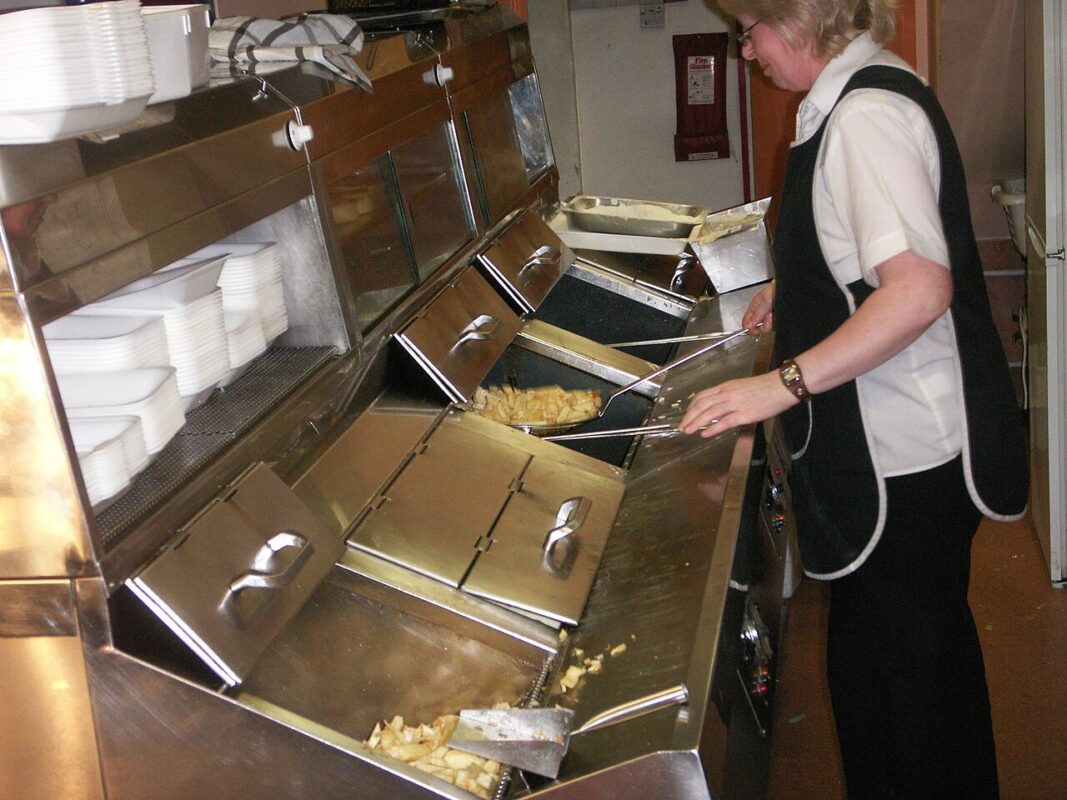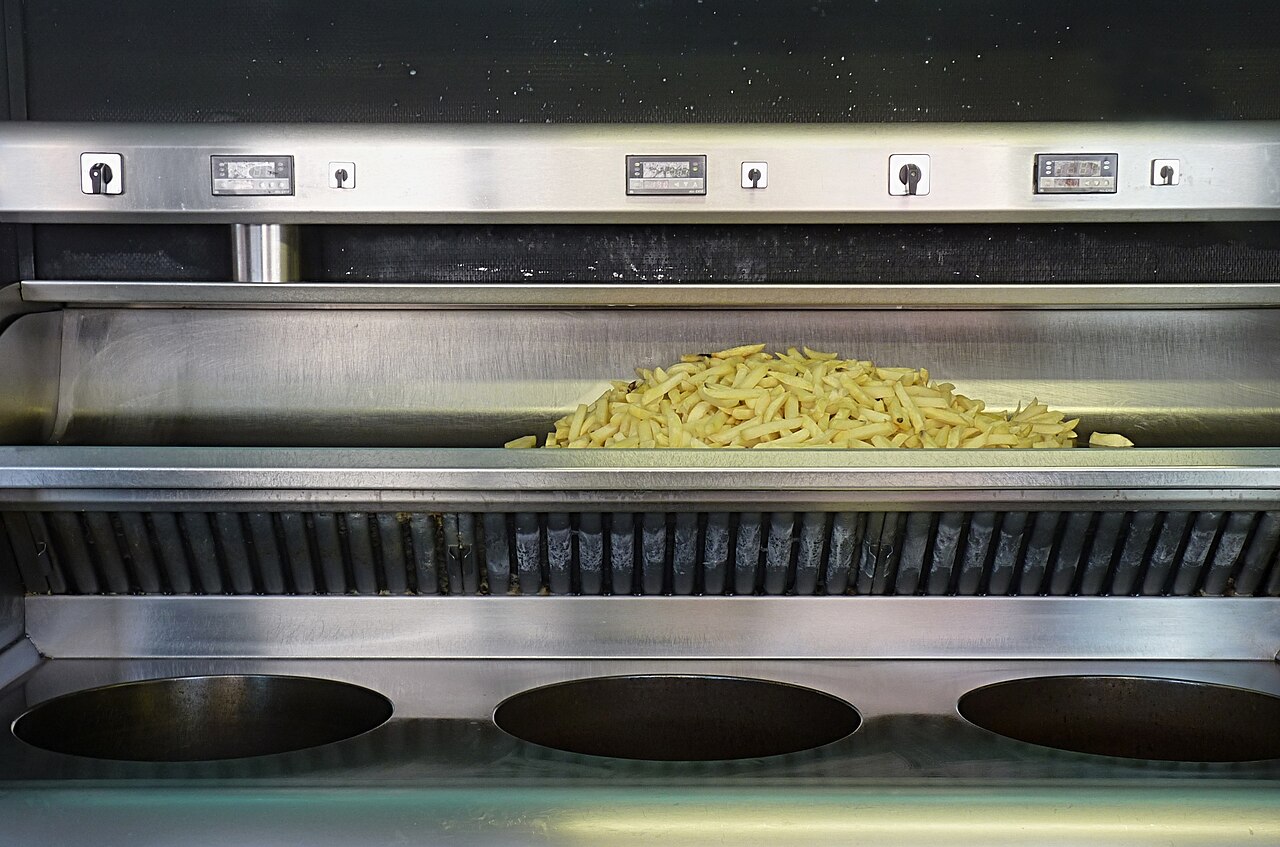
Walk into the back of almost any busy restaurant, hotel or canteen and there’s a good chance the fryer is full of canola oil. It’s light, it doesn’t fight with the food, it handles heat well and it doesn’t cost a fortune. We supply canola oil for commercial kitchens worldwide, in tins, jerrycans, bottles and bulk, to restaurant groups, hotels, caterers, cloud kitchens and the distributors who serve them. This page covers what we sell, the specification, which packing suits which kitchen, and the things chefs and kitchen managers can do to get more out of every litre.
There’s no magic here. Good oil, used well, saves money. That’s really the whole story.

Table of Contents
Why Chefs Choose Canola Oil for Commercial Kitchens
There are plenty of oils out there. Here’s why so many kitchens settle on canola.
- Neutral taste. It lets the food taste of the food. Fried chicken tastes of chicken, not of oil.
- High smoke point. Good refined canola oil has a smoke point around 230 C, comfortably above normal frying temperatures.
- Light texture. Food comes out crisp rather than greasy when the oil and temperature are right.
- Low saturated fat. About 7%, among the lowest of the common cooking oils. That’s a selling point on menus and for health conscious customers.
- Versatile. One oil for frying, sauteing, roasting, baking, dressings and marinades means less stock to manage.
- Fair price. Usually good value compared with sunflower or specialty oils, though prices move with the market.
That mix is why canola oil for commercial kitchens has become a default choice in so many places, from burger chains to hotel banquet kitchens.
The Canola Oil We Supply to Commercial Kitchens
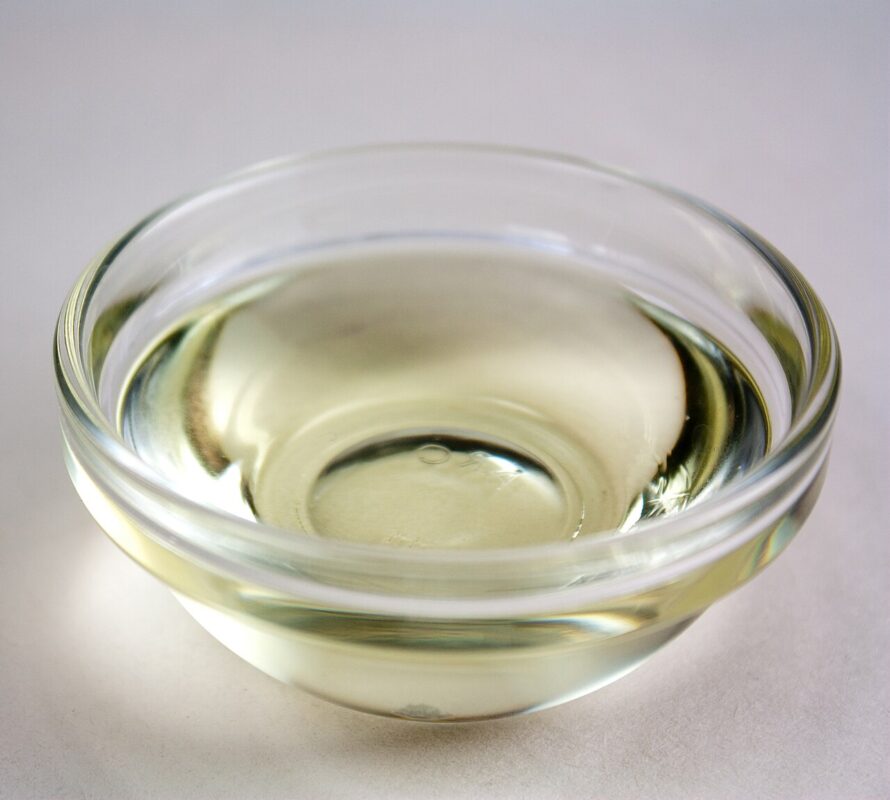
We sell refined, bleached and deodorized canola oil, the grade kitchens need. It’s clear, light yellow and neutral, and every lot is tested before it leaves us.
| Parameter | Our guarantee |
|---|---|
| Appearance | Clear, light yellow, free from sediment |
| Odour and taste | Neutral, no off flavours |
| Free fatty acid (as oleic) | 0.05% max |
| Peroxide value at loading | 1.0 meq/kg max |
| Moisture and impurities | 0.1% max |
| Colour (Lovibond 5.25 inch cell) | 1.5 red max |
| Erucic acid | 2.0% max |
| Smoke point | About 230 C |
| Cold test at 0 C | Clear after 5.5 hours |
| Shelf life | 18 to 24 months sealed |
If your QA team wants the full detail, our guide to refined canola oil specifications explains every line. Product details are on our refined canola oil for sale page.
Packing That Works in a Real Kitchen
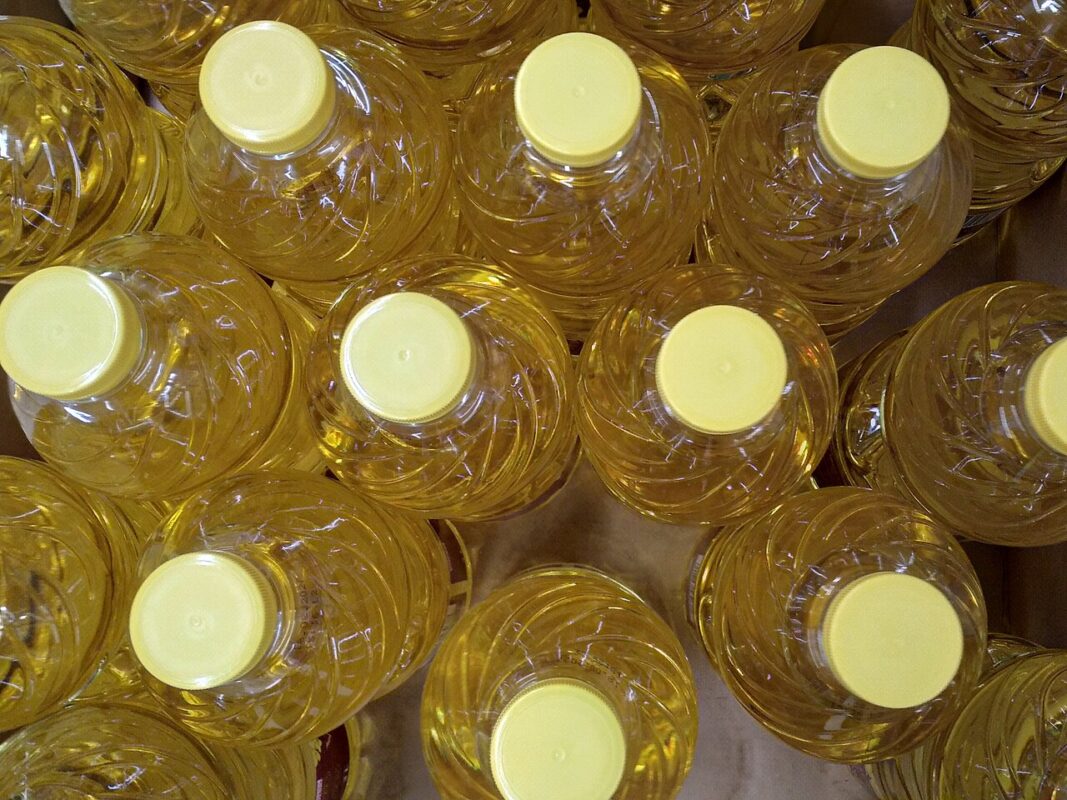
Packing matters more in a kitchen than in a factory, and it's a big part of choosing canola oil for commercial kitchens. Staff carry it, pour it and store it in tight spaces. Here’s what we offer as canola oil for commercial kitchens.
| Packing | Best for | Notes |
|---|---|---|
| 18 litre tins | Busy fryers in restaurants and hotels | Tough, stackable, protects oil from light |
| 20 and 25 litre jerrycans | Caterers, canteens, quick service chains | Easy pour spout, lighter to handle |
| 5 litre bottles | Smaller restaurants, cafes, food trucks | Easy to store, good for dressings and saute |
| 1, 2 and 3 litre bottles | Bars, cafes, retail resale | Private label possible |
| Bulk in flexitank or ISO tank | Distributors and central kitchens with bulk systems | Lowest cost per litre |
Restaurant chains and distributors usually order full containers of tins or jerrycans, often under their own brand. We can mix packing sizes in one container so one shipment covers fryers, prep stations and retail shelves. For bigger volumes, see our RBD canola oil wholesale page.
Getting the Most Out of Canola Oil for Commercial Kitchens
This is where the real savings are. The price of oil matters, but how long it lasts in the fryer matters more. Two kitchens buying the same oil at the same price can spend very different amounts each month because of how they treat it.
Keep the temperature right
Most frying happens between 160 C and 180 C. Going hotter doesn’t cook faster in any useful way. It just breaks the oil down quicker. Check thermostats regularly, because a fryer that runs 15 degrees hot will chew through oil.
Turn the heat down in quiet periods
A fryer sitting at full temperature with nothing in it is wearing out your oil for no reason. Drop it to a lower idle setting between rushes, or switch it off if the gap is long.
Filter every day
Crumbs and bits of batter burn in the oil and speed up breakdown. Filter at least once a day, more often on heavy days. It’s the single biggest thing you can do to extend the life of canola oil for commercial kitchens.
Skim as you go
Skim floating debris between batches. Two seconds with a skimmer saves oil.
Top up with fresh oil
Adding fresh oil as the level drops keeps the overall quality higher for longer.
Keep salt and seasoning away from the fryer
Salt speeds up oil breakdown. Season food away from the fryer, not over it.
Shake off ice and water
Water makes oil foam and break down faster, and it’s dangerous because it spits. Shake frozen food over a sink or tray before it goes in.
Cover fryers when not in use
A lid keeps out dust and light and slows oxidation overnight.
Separate strong flavours
If you fry fish, keep a separate fryer for it if you can. Otherwise everything starts to taste a bit of fish.
When to Change the Oil
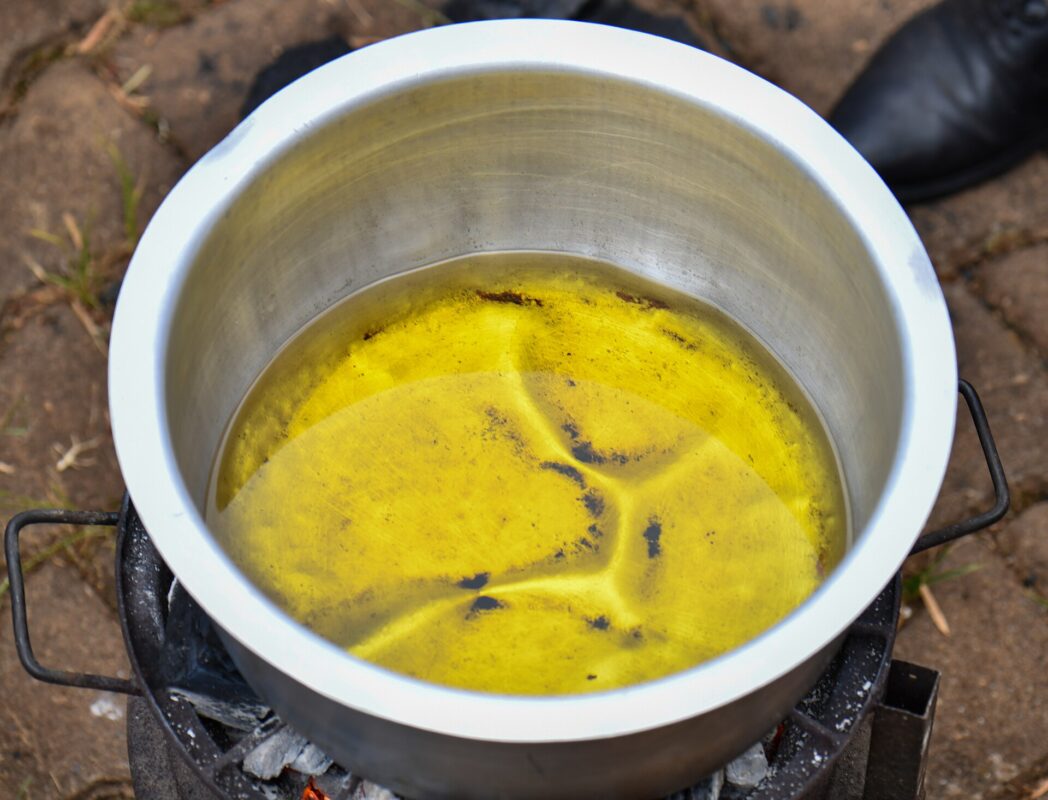
Old oil makes food dark, greasy and bitter. Changing too early wastes money. Changing too late hurts the food and the customer’s opinion of it. Here are the signs to watch when you use canola oil for commercial kitchens.
- The oil is much darker than when fresh
- It smokes at normal frying temperature
- It foams and the foam doesn’t settle
- It smells sharp, fishy or rancid
- Food comes out dark before it’s cooked through, or greasy
Many kitchens now use a simple test strip or a handheld meter that measures total polar materials, or TPM. It gives a number rather than a guess. Many food safety bodies treat oil at around 24 to 27% TPM as time to change. A meter pays for itself quickly in a busy kitchen because it stops you throwing out oil that still has life in it.
How Long Does Canola Oil Last in a Commercial Fryer?
There’s no single answer, and anyone who gives you one isn’t being straight. It depends on what you fry, how much, at what temperature and how well you look after the oil. As a rough guide:
| Kitchen type | Typical oil life with good care |
|---|---|
| Chips and plain potato only | Longer, often a week or more |
| Mixed menu, battered and breaded items | A few days to a week |
| Fish and seafood | Shorter, oil picks up flavour fast |
| Heavy breaded chicken, high volume | Shorter, crumbs break the oil down |
The good news is that canola oil for commercial kitchens responds very well to good habits. Daily filtering and correct temperatures alone can stretch oil life a long way.
Working Out Your Real Oil Cost
When they buy canola oil for commercial kitchens, managers often look only at the price per tin. A better number is oil cost per day or per cover. Here’s a simple way to work it out.
- Count how many tins or litres you use in a month.
- Multiply by the price per tin.
- Divide by the number of trading days or covers served.
Then try a month with tighter habits: correct temperatures, daily filtering, lids at night. Most kitchens see a real drop. That saving is often bigger than any discount you could negotiate on the oil itself.
For bulk buyers, our canola oil price per ton guide shows how wholesale prices are built. If you also use soybean oil, our soybean oil price trend 2026 review explains why prices moved so much this year.
Canola Oil for Commercial Kitchens, by Type of Kitchen
Every kitchen uses oil a little differently. Here’s how canola oil for commercial kitchens fits the main types we supply.
Quick service and burger chains
High volume frying all day, often fries, nuggets and breaded chicken. These kitchens need oil that holds up shift after shift and tastes the same in every branch. They usually buy 18 litre tins or jerrycans on a fixed delivery plan, and many put their own brand on the pack. For this kind of operation, canola oil for commercial kitchens is about consistency more than anything else.
Hotels and banquet kitchens
Hotels fry, saute, roast and bake, often in several outlets under one roof. One neutral oil for most of those jobs keeps stock simple. Jerrycans for the main kitchen and 5 litre bottles for outlets and room service work well.
Asian and wok kitchens
Wok cooking is fast and very hot. Canola’s high smoke point and clean taste suit it well, and it doesn’t cover the flavour of sauces and aromatics. Many wok kitchens use canola oil for commercial kitchens alongside a little sesame or peanut oil for flavour.
Bakeries and pastry kitchens
Canola works in cakes, muffins, quick breads and some doughs, and for greasing tins and trays. Its neutral taste means it won’t fight with butter or vanilla. It’s also handy for fried pastries and doughnuts.
Cloud kitchens and delivery brands
Small spaces, several brands from one kitchen, tight margins. A single oil for all brands keeps things simple, and 5 litre bottles or jerrycans fit small storerooms better than big tins.
Schools, hospitals and staff canteens
Institutional kitchens care about cost, nutrition and safety. Low saturated fat is a plus on menus, and jerrycans with good spouts are safer for staff to handle. Canola oil for commercial kitchens in this sector is often bought through a distributor on a yearly contract.
Switching Your Kitchens to Canola Oil
If you’re moving from another oil, a bit of planning makes the change smooth.
- Run a trial first. Use canola in one fryer or one branch for two weeks. Compare taste, colour, oil life and cost with your current oil.
- Clean the fryers properly. Drain, boil out and dry fryers before filling with new oil. Old oil residue shortens the life of fresh oil.
- Check your temperatures. Canola performs best in the normal 160 to 180 C range. If your kitchen has been frying hotter, bring it down.
- Brief the team. Tell staff what’s changing and why. Show them the daily filtering and topping up routine.
- Track the numbers. Count tins used per week before and after. That’s your proof the switch was worth it.
- Update allergen and nutrition records. Canola is not a major allergen in most markets, but your records and menus should list the oil you use.
Most kitchens that switch to canola oil for commercial kitchens notice the difference in the food first, a lighter, cleaner finish, and the difference in cost a month or two later.
What to Ask a Supplier of Canola Oil for Commercial Kitchens
Whether you buy from us or someone else, these questions sort out good suppliers from risky ones.
- Can you send a recent COA? A real supplier has real test results from a real lot.
- What’s your free fatty acid and peroxide value at loading? If they can’t answer, be careful.
- What packing do you offer, and how strong is it? Thin tins dent and leak in transit.
- Is the oil Halal certified? Many kitchens need this, and the certificate should come with each shipment.
- How long is the shelf life, and what’s the production date? Old stock sold as new is a common trick.
- Can you deliver on a fixed schedule? Running out of fryer oil on a Friday night isn’t an option.
- What happens if there’s a problem? A good supplier has a clear answer, not excuses.
We’re happy to answer every one of these in writing before you place an order for canola oil for commercial kitchens. In fact, we’d rather you asked.
Canola Oil Compared With Other Kitchen Oils
Most kitchens use more than one oil. Here’s where canola oil for commercial kitchens fits.
| Oil | Strengths | Trade offs |
|---|---|---|
| Canola | Neutral, light, low saturated fat, versatile | Slightly less stable than palm olein for very long frying |
| Sunflower | Light taste, widely available | Regular grade breaks down a bit faster in heavy frying |
| Soybean | Good value, widely available | Can give a slight flavour as it ages |
| Palm olein | Very stable, long fry life | High saturated fat, can feel heavier |
Want more detail? See sunflower oil vs canola oil for frying and canola oil vs soybean oil for commercial frying.
Storage in the Kitchen and Stock Room
- Store tins and jerrycans off the floor, in a cool, dry place away from ovens and sunlight.
- Keep caps closed. Open containers pick up smells and oxidize.
- Use the oldest stock first.
- Don’t store oil next to cleaning chemicals or strong smelling foods.
- Once a container is opened, use it within a few weeks.
Sealed, our canola oil for commercial kitchens keeps for 18 to 24 months. Read our post on the shelf life of sunflower, soybean and canola oil for more.
Safety Around Hot Oil
Every kitchen manager knows this, but it’s worth saying because accidents happen when people are rushed.
- Never put water on an oil fire. Use a lid, a fire blanket or the right extinguisher for cooking oil fires.
- Keep fryers clean. Built up grease is a fire risk.
- Change oil only when it has cooled.
- Train new staff before they use the fryer.
- Keep hoods, filters and ducts cleaned on schedule.
Fire safety standards for commercial cooking are published by bodies such as the National Fire Protection Association, and your local fire authority will have its own rules too.
Used Oil: Don't Pour It Away
Used cooking oil should never go down the drain. It blocks pipes and causes real damage to sewers. Most cities have collectors who take used oil for recycling, often into biodiesel, and some pay for it. Keep used oil in sealed containers, separate from other waste, and book regular collections.
Nutrition and Menu Labelling
Canola has one of the lowest saturated fat contents of any common cooking oil, and it contains omega 3 alpha-linolenic acid. Health advice from bodies like the World Health Organization encourages swapping saturated fats for unsaturated ones, which is one reason many chains have moved to canola oil for commercial kitchens. If your menu or packaging makes nutrition claims, check the rules in your market and keep our COA and fatty acid profile on file.
Supply for Chains, Hotels and Distributors
If you run several sites or supply restaurants, consistent oil matters as much as price. Here’s how we work with larger kitchen customers.
- Same specification every shipment, so food tastes the same in every branch.
- Planned deliveries, monthly or fortnightly, so you never run short.
- Private label tins and jerrycans for distributors and chains.
- Mixed containers with different pack sizes in one shipment.
- Full documents including COA, Halal certificate and health certificates where needed.
We ship canola oil for commercial kitchens worldwide, and we also supply soybean, sunflower, palm and coconut oil, so you can cover your whole oil list with one supplier. See our canola oil range and full product list.
7 Proven Tips for Using Canola Oil for Commercial Kitchens
1. Check fryer thermostats monthly
A fryer running hot is the fastest way to waste oil.
2. Filter daily, without fail
Put it on the closing checklist so it always happens.
3. Use a TPM meter or test strips
Change oil based on a number, not a guess.
4. Keep a fish only fryer if you can
It protects the flavour of everything else.
5. Train staff on simple habits
No salting over the fryer, shake off ice, skim between batches.
6. Buy the right packing
Tins for heavy frying stations, jerrycans for caterers, bottles for small sites.
7. Buy from a supplier with a steady specification
If the oil changes every delivery, your food will too. Ask for a COA with every shipment of canola oil for commercial kitchens.
Frequently Asked Questions
Is canola oil good for commercial deep frying?
Yes. Refined canola oil for commercial kitchens has a high smoke point, a neutral taste and low saturated fat, which is why so many restaurants use it for frying.
What size packs do you sell for restaurants?
18 litre tins, 20 and 25 litre jerrycans, and 1 to 5 litre bottles. Distributors and central kitchens can also buy in bulk.
How often should I change canola oil in a fryer?
It depends on what and how much you fry. Watch colour, smoke, foam and smell, or use a TPM meter. Good care can extend oil life a lot.
Do you supply restaurant chains and distributors?
Yes. We supply chains, hotels, caterers and distributors worldwide, with private label options from one container.
What is the minimum order?
One 20ft container. Distributors often mix tins, jerrycans and bottles in one load.
Is your canola oil Halal?
Yes, Halal certificates are available on request with each shipment.
Do you ship worldwide?
Yes. We ship canola oil for commercial kitchens to buyers on every continent.
Order Canola Oil for Your Kitchens
Tell us your monthly usage, preferred packing, number of sites, destination port and Incoterm. We’ll send a written offer for canola oil for commercial kitchens with full specs and a load plan, usually within one working day.
Email info@dthcompanyltd.com, call or WhatsApp +66 91 765 9104, or use our contact page. You can also see our RBD canola oil for sale page or read more about us.