

Canola oil vs rapeseed oil is one of those questions that confuses people far more than it should. A buyer in Toronto orders canola oil. A buyer in Hamburg orders rapeseed oil. A buyer in London picks up a bottle labelled “vegetable oil” that’s actually rapeseed. Very often, all three have bought almost exactly the same thing. And yet, sometimes they haven’t, and the difference can matter a lot for food safety and for customs.
We sell refined, RBD and crude canola oil to importers, bottlers and food factories worldwide, and we get asked about canola oil vs rapeseed oil all the time. This guide clears it up: where the two names come from, what really separates them, how they compare in the kitchen and in a factory, and what you should check before you buy. We’ve included the specifications of the oil we supply, so you know exactly what you’d be getting.

Table of Contents
Canola Oil vs Rapeseed Oil: The Short Answer
Canola is a type of rapeseed. All canola oil is rapeseed oil, but not all rapeseed oil is canola oil.
Canola refers to rapeseed varieties bred to have less than 2% erucic acid in the oil and very low glucosinolates in the meal. Most rapeseed grown for food today, in Europe, Australia and elsewhere, meets the same low erucic standard. So refined canola oil and refined food grade rapeseed oil from Europe are, for practical purposes, the same oil sold under different names.
The real difference shows up with older or industrial rapeseed varieties, which can contain a lot of erucic acid, and with how the oil is processed. A cold pressed rapeseed oil from a small farm tastes and behaves very differently from a refined canola oil, even if the seed is similar.
Quick Comparison Table
| Point | Canola oil | Food grade rapeseed oil (low erucic) | Industrial rapeseed oil (high erucic) |
|---|---|---|---|
| Plant | Brassica napus, B. rapa, B. juncea bred varieties | Brassica napus, mostly | Brassica napus high erucic varieties |
| Erucic acid | Under 2% | Under 2% | Around 45 to 55% |
| Main use | Food | Food | Lubricants, plastics, chemicals |
| Common name in | Canada, US, Australia | EU, UK | Industry worldwide |
| Taste when refined | Neutral | Neutral | Not for food |
| GMO status | Often GM (Canada, US) | Non-GM in the EU | Varies |
| HS code | 1514.11 / 1514.19 | 1514.11 / 1514.19 | 1514.91 / 1514.99 |
Where the Canola Oil vs Rapeseed Oil Names Come From
Rapeseed has been grown for oil for centuries. For a long time it was used mainly for lamps, soap and lubrication. It became important during the Second World War as a lubricant for steam engines, because it clings to wet metal better than most oils.
The trouble was that traditional rapeseed oil was high in erucic acid, often 30 to 50% of the fatty acids, and animal studies in the mid 20th century raised concerns about eating large amounts of it. The meal left after crushing was also high in glucosinolates, which made it bitter and less useful as animal feed.
In the 1960s and 70s, Canadian plant breeders developed rapeseed varieties low in both erucic acid and glucosinolates. These “double low” varieties were given a new name in the late 1970s: canola, from “Canada” and “oil”. The name was meant to set the new, food friendly oil apart from old rapeseed. Today the term is defined by an official standard, and the Canola Council of Canada describes it as oil with less than 2% erucic acid from seed whose meal contains under 30 micromoles of glucosinolates per gram.
Europe developed its own double low rapeseed varieties around the same time. It simply kept calling the oil rapeseed oil. That’s why the canola oil vs rapeseed oil confusion exists: two regions, two names, one modern food oil.
Erucic Acid: The Number That Really Separates Them
If there’s one thing that matters in the canola oil vs rapeseed oil discussion, it’s erucic acid. It’s a long chain fatty acid found naturally in rapeseed, mustard and some other brassica seeds.
Food grade canola and modern rapeseed oil both contain less than 2%, and most lots we test come in well under 1%. Industrial high erucic rapeseed oil, often called HEAR oil, contains around 45 to 55%. That’s deliberate. Erucic acid is valuable in industry for making slip agents in plastic films, lubricants and some cosmetics.
Food rules reflect this. The EU sets a legal maximum for erucic acid in vegetable oils and fats intended for food, which you can read in Regulation (EU) 2019/1870. Many other countries follow the Codex standard, which defines low erucic acid rapeseed oil as having under 2%.
So when you buy, the erucic acid figure on the certificate of analysis tells you whether you’ve got food grade oil or not, regardless of whether the label says canola or rapeseed.
Canola Oil vs Rapeseed Oil Around the World
The name on the bottle depends a lot on where you are.
- Canada, the US and Australia mostly say canola.
- The UK says rapeseed oil, and much of what’s sold simply as “vegetable oil” there is rapeseed.
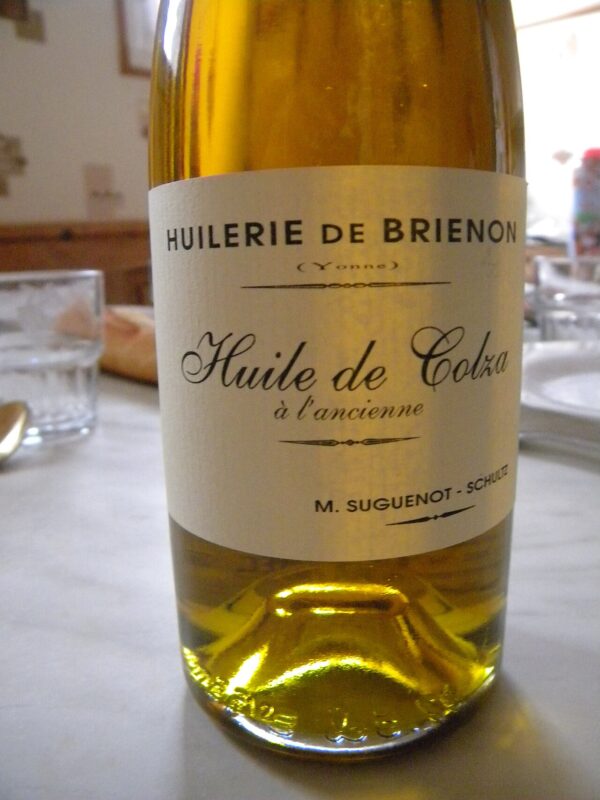
- France calls it huile de colza. Germany calls it Rapsöl.
- China calls it rapeseed oil. Traditional Chinese rapeseed varieties were higher in erucic acid, though double low varieties are now widely grown.
- India and Pakistan grow rapeseed and mustard together, and much of the cooking oil is mustard oil, which is naturally high in erucic acid and treated as a different product.
For an importer, the practical rule is simple: don’t rely on the name. Ask for the spec, especially erucic acid and the fatty acid profile.
Canola Oil vs Rapeseed Oil Fatty Acid Profile
Here’s how the main fatty acids compare in low erucic rapeseed oil (canola) and in high erucic industrial rapeseed oil.
| Fatty acid | Canola / low erucic rapeseed (%) | High erucic rapeseed (%) |
|---|---|---|
| Palmitic C16:0 | 2.5 to 7.0 | about 1.5 to 6 |
| Stearic C18:0 | 0.8 to 3.0 | about 0.5 to 3 |
| Oleic C18:1 | 51 to 70 | about 8 to 60 |
| Linoleic C18:2 | 15 to 30 | about 11 to 23 |
| Linolenic C18:3 | 5 to 14 | about 5 to 13 |
| Erucic C22:1 | Under 2 | about 45 to 55 |
Canola has one of the lowest saturated fat levels of any common cooking oil, usually around 7%. It’s high in oleic acid and carries a useful amount of omega-3 as alpha linolenic acid. That combination is why it’s popular with food companies wanting a better nutrition label.
Refined Canola vs Cold Pressed Rapeseed Oil
Processing makes as much difference as variety. This is where many people’s idea of canola oil vs rapeseed oil really comes from, because they’ve tasted one refined and one cold pressed.
Refined canola oil
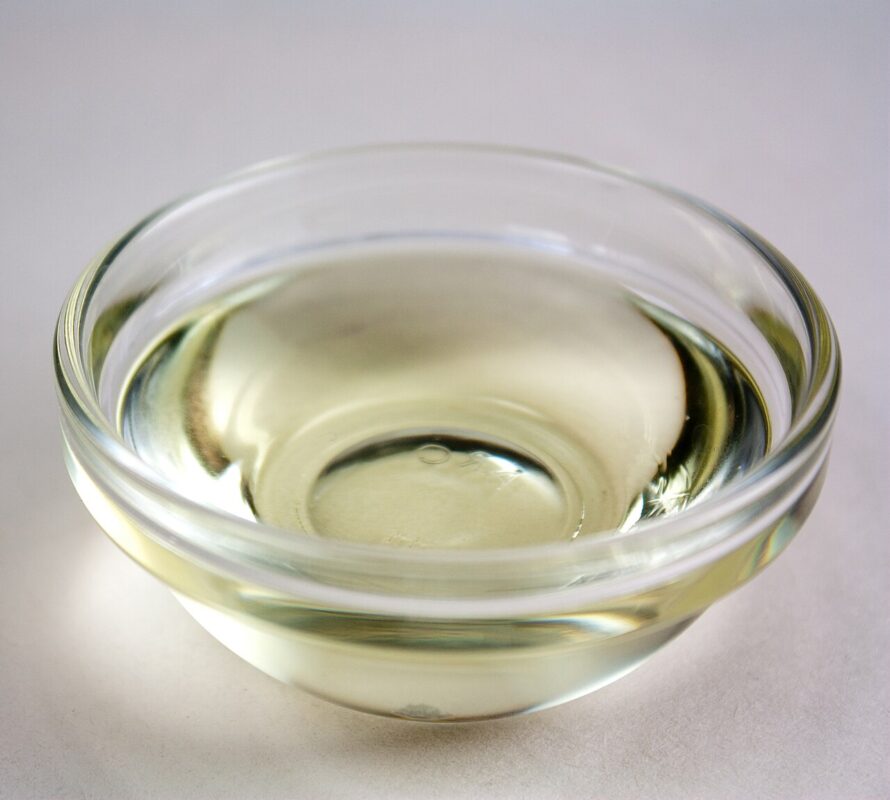
Most canola oil is solvent extracted and then refined, bleached and deodorized. The result is pale yellow, almost tasteless, with a smoke point of around 220 to 230 °C. It’s built for frying, baking and food production, where you don’t want the oil to taste of anything.
Cold pressed rapeseed oil
Cold pressed rapeseed oil, popular in the UK and parts of Europe, is pressed mechanically and only filtered. It’s deep golden yellow with a nutty, grassy, slightly cabbage-like taste. It keeps more of its natural vitamin E and colour, but its smoke point is lower, often around 160 to 190 °C, and it’s more expensive. It’s great for dressings and gentle cooking, not for deep frying.
Both can be made from the same low erucic seed. So when someone says rapeseed oil tastes different from canola oil, they’re usually comparing cold pressed with refined.
Canola Oil vs Rapeseed Oil for Cooking and Frying
Refined canola and refined low erucic rapeseed oil behave the same in a fryer. They’re stable enough for normal deep frying, they don’t smoke at normal temperatures, and they let the food taste of itself. Their omega-3 content means they’re slightly less stable than palm olein or high oleic oils over very long frying, so heavy users often choose high oleic canola, sometimes called HOLL canola, which has oleic acid of 70% or more.
You can compare smoke points with other oils on our cooking oil smoke point chart, and our guide on how often to change fryer oil has practical frying tips.
Canola Oil vs Rapeseed Oil: GMO and Origin
Here’s a real practical difference in the canola oil vs rapeseed oil question. Most canola grown in Canada and the US is genetically modified, mainly for herbicide tolerance. Australia grows both GM and non-GM canola. The EU doesn’t grow GM rapeseed, so European rapeseed oil is non-GM. Ukraine is also a large rapeseed exporter.
If your market has GM labelling rules, origin matters. You may want European or other non-GM rapeseed oil, or identity preserved non-GMO canola. Our page on non-GMO canola oil has more on this, and we can quote oil from an origin that fits your labelling.
Customs: Canola Oil vs Rapeseed Oil Codes
For customs, the name doesn’t matter. Low erucic oil, whether called canola or rapeseed, uses HS 1514.11 for crude and 1514.19 for refined. High erucic rapeseed oil and mustard oil use 1514.91 and 1514.99. Our canola oil HS code guide walks through the national lines in the US, EU and elsewhere.
Canola Oil vs Rapeseed Oil Price
Refined canola and refined low erucic rapeseed oil usually trade close to each other. The price depends more on origin, freight and timing than on the name. Canadian canola oil, European rapeseed oil, Australian canola and Ukrainian rapeseed oil all compete in the same markets, and the cheapest source changes through the year.
Non-GM European rapeseed oil sometimes carries a premium over GM Canadian canola oil, especially in markets that require GM labelling. Cold pressed rapeseed oil is a premium product and costs far more than refined oil. High erucic industrial rapeseed oil has its own market entirely.
Canola Oil vs Rapeseed Oil for Food Factories
Food manufacturers look at the canola oil vs rapeseed oil question from a slightly different angle. They aren’t worried about the name on a retail bottle. They’re worried about consistency, stability and the label on their own product.
Here’s what our factory customers usually care about:
- Consistency between lots. Whether you buy Canadian canola or European rapeseed oil, the fatty acid profile should stay inside a tight range from one shipment to the next. Big swings in linolenic acid, for example, change fry life and shelf life.
- Cold stability. Mayonnaise and dressing makers need winterized oil that passes a cold test. Both canola and rapeseed oil can be supplied winterized.
- GM status of the finished product. If your snacks or sauces go to the EU or China, the oil’s GM status follows them. European rapeseed oil makes that simpler.
- Ingredient naming. Some markets accept “canola oil” on the ingredient list, others expect “rapeseed oil”. Check your label rules before you switch suppliers, because a change of name on the ingredient list can mean reprinting packaging.
In practice, many factories write their spec as “low erucic acid rapeseed oil (canola), refined, winterized” and accept either origin as long as the numbers fit. That gives them more supply options and usually a better price.
Nutrition: Is There Any Difference?
Between refined canola oil and refined low erucic rapeseed oil, no meaningful difference. They have the same low saturated fat, high oleic acid and useful omega-3 content. Any canola oil vs rapeseed oil nutrition gap you read about online usually comes from comparing refined oil with cold pressed oil, or modern oil with old high erucic varieties.
Cold pressed rapeseed oil keeps more natural vitamin E, plant sterols and colour compounds than refined oil, which is part of why it’s sold as a premium product. Refined oil loses some of these during deodorizing but gains a much longer shelf life and a far higher smoke point. Neither is a wrong choice. They’re just made for different jobs.
Storage and Shelf Life
Because of their omega-3 content, both oils need sensible storage. Keep them cool, dark and sealed. Refined canola or rapeseed oil in sealed bottles or tins normally keeps 12 to 18 months. Cold pressed rapeseed oil keeps a shorter time, often 9 to 12 months, and should be kept away from heat and light once opened. Bulk oil should be stored in clean, dry stainless steel tanks, ideally with limited air contact. Our article on the shelf life of sunflower, soybean and canola oil goes into more detail.
Myths About Canola Oil vs Rapeseed Oil
A few ideas keep coming up in conversations with buyers.
- “Canola is a man-made plant that doesn’t exist in nature.” Canola was developed by traditional plant breeding from rapeseed, long before genetic engineering. Some canola today is also GM, but the original canola varieties weren’t.
- “Rapeseed oil is toxic.” Old high erucic rapeseed oil raised concerns, which is exactly why low erucic varieties were bred. Modern food grade rapeseed oil meets strict limits.
- “Canola oil and rapeseed oil have different HS codes.” Not if both are low erucic. They share 1514.11 and 1514.19.
- “European rapeseed oil is always better quality.” Quality depends on the refinery and storage, not the name. A well refined Canadian canola oil can beat a poorly stored European rapeseed oil easily.
Once you strip away the names and the myths, the canola oil vs rapeseed oil decision comes down to erucic acid, processing, GM status and price. Everything else is marketing.
How to Check What You’re Buying
Whatever your supplier calls the oil, ask for these on the certificate of analysis before you pay:
- Erucic acid, which should be under 2% for food use
- Full fatty acid profile by gas chromatography
- Free fatty acid, peroxide value, moisture and colour
- Cold test, if you need winterized oil
- Origin, and GM status if it matters for your market
If a supplier can’t give you erucic acid and the fatty acid profile, you have no way of knowing whether you’re getting canola, low erucic rapeseed, a blend, or something else entirely. Our guide on spotting a fake vegetable oil supplier lists more warning signs, and our article on pre-shipment inspection explains how to have the oil tested before it leaves.
Which Should You Buy?
For most buyers, the canola oil vs rapeseed oil choice isn’t really a choice between two oils. It’s a choice of origin, processing and paperwork. Here’s how we’d think about it:
- For frying, bottling and food manufacturing: refined low erucic oil, whatever it’s called. Check erucic acid and the fatty acid profile.
- For markets with GM labelling: non-GM European rapeseed oil or identity preserved non-GMO canola.
- For premium retail and dressings: cold pressed rapeseed oil.
- For industry: high erucic rapeseed oil, and never mix it into the food chain.
If you’re comparing canola with other oils rather than with rapeseed, our guides on canola oil vs sunflower oil and canola oil vs soybean oil cover those choices.
The Canola Oil We Sell
We export canola oil worldwide in refined, RBD and crude grades. All food grades are low erucic and meet the Codex identity ranges for low erucic acid rapeseed oil.
| Parameter | Refined / RBD canola oil |
|---|---|
| Free fatty acid (as oleic) | 0.10% max |
| Peroxide value | 2.0 meq/kg max at loading |
| Moisture and volatiles | 0.05% max |
| Insoluble impurities | 0.05% max |
| Colour (Lovibond 5.25 inch) | Red 1.5 max, Yellow 15 max |
| Erucic acid | Under 2%, typically under 1% |
| Oleic acid | about 55 to 65% |
| Linolenic acid | about 7 to 11% |
| Iodine value | 105 to 126 |
| Cold test (winterized) | 5.5 hours at 0 °C |
| Smoke point | about 220 to 230 °C |
Product pages and spec guides:
- Refined canola oil
- RBD canola oil and our RBD canola oil specification
- Crude canola oil and our crude canola oil specification
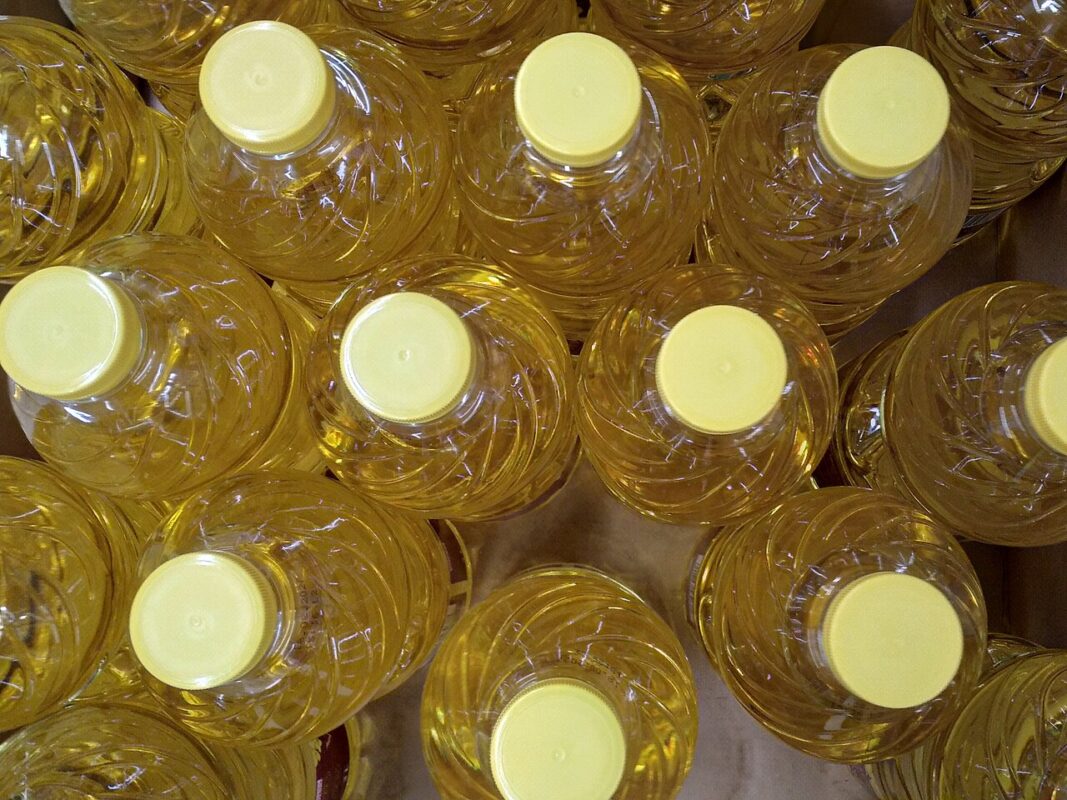
Packing: flexitanks, ISO tanks, 190 kg drums, 20 and 25 litre jerrycans, 18 litre tins and PET bottles from 1 to 5 litres, with private label available. Each shipment comes with a certificate of analysis showing erucic acid, a certificate of origin and a halal certificate, and you can appoint your own inspector before loading.
A Note on Mustard Oil
Buyers from South Asia, and importers serving South Asian communities, sometimes ask whether mustard oil is the same as rapeseed oil. It’s a close relative. Mustard and rapeseed both belong to the brassica family, and in India and Pakistan the two crops are often grown and talked about together. But traditional mustard oil is naturally high in erucic acid and has a strong, pungent taste that people value in their cooking. It isn’t canola, and it isn’t low erucic rapeseed oil.
Some countries restrict how mustard oil can be labelled or sold for cooking because of its erucic acid content. Others sell it freely. If you’re importing it, check your local rules first. For customs, mustard oil goes under 1514.91 or 1514.99, not the low erucic lines. We don’t supply mustard oil, but we’re happy to tell you how it compares with the canola oil we do sell, so you can decide which suits your customers.
Frequently Asked Questions
Is canola oil the same as rapeseed oil?
Canola is a type of rapeseed oil, low in erucic acid. Modern food grade rapeseed oil is usually low erucic too, so in practice they’re often the same oil with different names.
Is rapeseed oil safe to eat?
Food grade low erucic rapeseed oil is widely eaten and meets food safety limits. High erucic industrial rapeseed oil isn’t meant for food.
Why does rapeseed oil taste stronger than canola oil?
Usually because it’s cold pressed and unrefined. Refined rapeseed oil tastes as neutral as refined canola oil.
Is canola oil GMO?
Much of it is, especially from Canada and the US. European rapeseed oil is non-GM.
Do canola and rapeseed oil have the same HS code?
Yes, if both are low erucic. High erucic rapeseed oil uses a different subheading.
Which is better for deep frying?
Refined canola and refined rapeseed perform the same. For long fry life, look at high oleic canola.
Talk to Us About Canola and Rapeseed Oil
If you’ve sorted out canola oil vs rapeseed oil and know what you need, we can quote it. Tell us the grade, quantity, packing, port, and whether you need non-GM origin. We’ll send a price, a spec sheet and a recent certificate of analysis.
Email info@dthcompanyltd.com, WhatsApp +66 91 765 9104, or use our contact page. You can also visit our canola oil page or browse all our products.








2 thoughts on “Canola Oil vs Rapeseed Oil: 7 Honest Differences to Pick the Best”