

A sunflower oil flexitank shipment is the cheapest way to move bulk sunflower oil by sea without chartering a tanker. One 20 foot container, one food grade flexitank inside it, and around 20 to 22 tonnes of oil. We load and ship sunflower oil this way every month to refiners, bottlers, food factories and importers worldwide. This guide covers what we sell, the specs, how the shipment actually runs, and how to make sure your oil arrives the way it left.

If you’ve never booked a sunflower oil flexitank shipment before, don’t worry. It’s a well worn route. Most problems people run into come from small things that get skipped, like a badly prepared container or a wrong valve size at the receiving end. We’ll go through those too.
Table of Contents
What We Ship in Flexitanks
We supply these grades by sunflower oil flexitank shipment:
- Refined sunflower oil, fully refined, bleached and deodorized, ready to bottle
- Winterized sunflower oil, for bottlers who need a clear oil on a cold shelf
- High oleic sunflower oil, for frying, snacks and longer shelf life products
- Crude sunflower oil, for refiners who process it themselves
- Deodorized sunflower oil, for food manufacturers with tight taste specs
If you’re not sure whether crude or refined suits you, our guide on crude vs refined sunflower oil lays out the differences. Short version: if you have a refinery, buy crude. If you’re bottling or using it in food straight away, buy refined.
Oil Specifications
Here are the standard specs for refined sunflower oil on a sunflower oil flexitank shipment. A certificate of analysis from the actual batch goes with every container.
| Parameter | Refined sunflower oil | Crude sunflower oil |
|---|---|---|
| Free fatty acid (as oleic) | 0.10% max | 2.0% max |
| Peroxide value | 2.0 meq/kg max at loading | 10 meq/kg max |
| Moisture and volatiles | 0.05% max | 0.20% max |
| Impurities | 0.05% max | 0.10% max |
| Colour (Lovibond 5¼ inch) | 3.0 Red max | As produced |
| Iodine value (Wijs) | 118 to 141 | 118 to 141 |
| Phosphorus | Under 2 ppm | Varies, ask |
| Cold test (winterized) | 5.5 hours min | Not applicable |
| Taste and odour | Neutral | Typical crude |
For more on the tests behind these numbers, see free fatty acid and peroxide value and our refined sunflower oil specification. The oil is produced to the Codex standard for named vegetable oils, published by the Codex Alimentarius Commission.
The Flexitank Itself
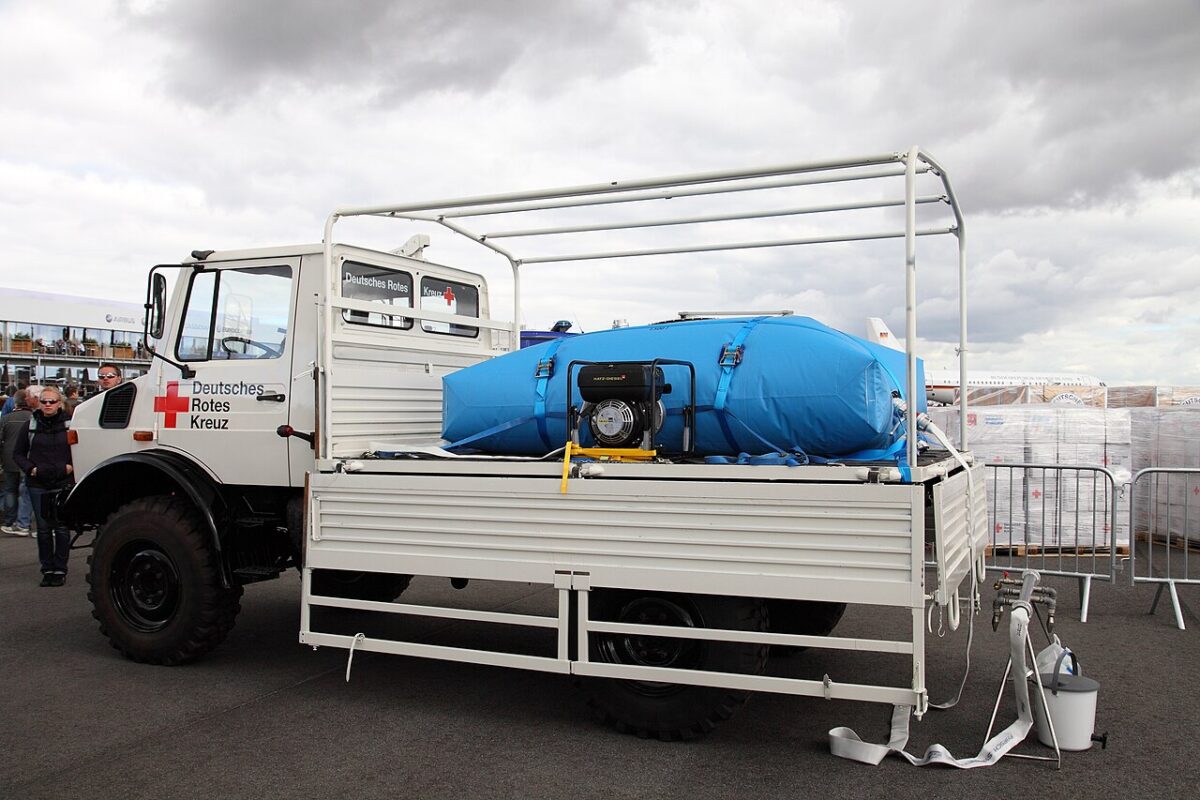
A flexitank is a big bag made from several layers of food grade polyethylene, wrapped in a tough woven polypropylene outer layer. It sits on the floor of a normal 20 foot dry container and fills up like a waterbed. It’s used once and then recycled.
| Item | Typical spec |
|---|---|
| Capacity | 16,000 to 24,000 litres (we size it to the order) |
| Inner layers | Multi-layer food grade PE |
| Outer layer | Woven PP |
| Valve | Bottom valve, usually 3 inch, with a 2 inch adaptor on request |
| Top fitting | Top loading or venting point |
| Bulkhead | Steel bars or reinforced board at the doors |
| Heating pad | Optional, rarely needed for sunflower oil |
| Certification | Food contact approval, tested to recognised flexitank standards |
Every sunflower oil flexitank shipment we load uses a new bag from an established manufacturer that carries product liability insurance. That matters if anything ever goes wrong.
How Much Oil Fits in One Sunflower Oil Flexitank Shipment
Sunflower oil weighs roughly 0.92 kg per litre. A flexitank of around 22,000 to 24,000 litres usually holds 20 to 22 metric tonnes of oil. The exact load depends on the bag size, the container’s weight limits and the road weight rules at your end. We check both before we fill.
Compared with bottles or drums, a sunflower oil flexitank shipment carries a lot more oil per box. There’s no packaging weight to speak of, so almost all the weight you pay freight on is oil. For conversions, see sunflower oil density and how many liters in a ton of vegetable oil.
Who Uses Flexitanks for Sunflower Oil
- Bottlers and packers who fill their own retail bottles
- Refiners buying crude sunflower oil
- Snack, noodle and chip factories
- Mayonnaise, sauce and dressing makers
- Margarine and bakery fat producers
- Fish canneries
- Importers who sell bulk oil on to smaller packers
What they have in common is a storage tank or a way to pump the oil straight into production. If you don’t have that, a sunflower oil flexitank shipment probably isn’t for you yet. Look at 20 litre jerrycans or our sunflower oil 5 litre wholesale price page instead.
How a Sunflower Oil Flexitank Shipment Runs, Step by Step
- Quote and contract. You tell us the grade, tonnage, number of containers and discharge port. We quote FOB or CIF and agree the contract terms.
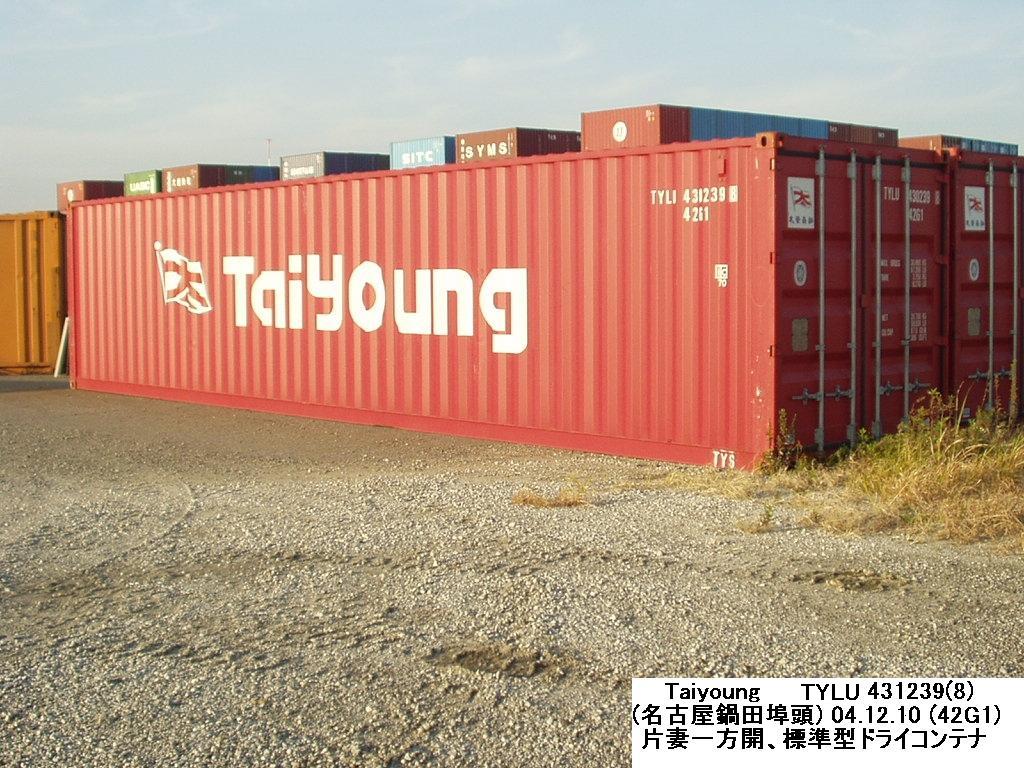
- Container selection. We pick sound 20 foot containers with clean, dry, undamaged floors and walls. No dents, no nails sticking out, no smells.
- Container preparation. The floor and walls are lined with cardboard, the bulkhead goes in, and the flexitank is laid out flat and checked.
- Pre-loading test. The oil in our tank is sampled and tested. If you’ve appointed an inspector, they draw their own samples here.
- Filling. Oil is pumped in through the valve or top fitting under controlled flow. The bag is filled to the agreed weight, never overfilled.
- Sealing and weighing. Valve capped, seals fitted, container weighed and photographed.
- Loading on the vessel. The container goes to the port and onto the ship.
- Documents. We send you the full document set so you can clear the oil on arrival.
- Discharge. At your end, the container is backed up to your tank, a hose is connected to the bottom valve and the oil is pumped out.
From contract to loading, a normal sunflower oil flexitank shipment takes around two to three weeks depending on vessel schedules.
Discharging at Your End
This is where a sunflower oil flexitank shipment can go smoothly or turn into a headache. A few things help a lot:
- Have a pump ready. Gravity alone is slow. With a decent pump, a full flexitank empties in about one to two hours.
- Check your hose fitting matches the valve. Tell us your coupling size before we ship.
- Don’t open the doors first. The bulkhead holds the bag. Open the right hand door only after the oil is out, or follow the instructions on the door.
- Keep the oil clean. Use a clean, food grade hose and a filter on your tank inlet.
- Tilt the container at the end to get the last litres out.
Our post on how to unload palm oil from a flexitank is written for palm oil, but most of the steps are the same for sunflower oil, minus the heating.
Do You Need a Heating Pad?
For palm oil, yes, almost always. For sunflower oil, usually not. Sunflower oil is liquid at normal temperatures. In very cold destinations in winter, refined oil that isn’t winterized can turn cloudy, and crude oil can get thick. Even then it normally still pumps. If your port gets properly cold, tell us and we’ll talk it through. A heating pad can be fitted, but it adds cost to the sunflower oil flexitank shipment and most buyers don’t need it.
Flexitank vs ISO Tank vs Drums
| Option | Oil per unit | Cost per tonne | Best for |
|---|---|---|---|
| Flexitank in 20ft | 20 to 22 MT | Lowest for container shipping | Most bulk buyers |
| ISO tank | Up to about 24 MT | Higher, tank must be returned | Regular lanes, special products |
| Drums (190 kg) | About 15 to 16 MT | Higher, drum cost and weight | Small users without tanks |
| IBC (1,000 L) | About 18 MT | Mid range | Factories using smaller batches |
For the long version, read flexitank vs ISO tank. For most buyers, a sunflower oil flexitank shipment wins on cost.
Pricing a Sunflower Oil Flexitank Shipment
The price of a sunflower oil flexitank shipment is built from the oil price per tonne, the flexitank and container preparation, inland transport to the port and, on CIF terms, the ocean freight and insurance. The oil is by far the biggest part.
In autumn 2026, crude sunflower oil from the Black Sea is trading at roughly 1,200 to 1,300 US dollars per tonne FOB. Refined oil costs more after refining. The flexitank and fitting add a modest amount per tonne. Freight depends a lot on your route. We’ll give you a firm number once we know the port. For more on bulk pricing, see sunflower oil wholesale price per ton and CIF vs FOB vegetable oil.
Documents With Every Sunflower Oil Flexitank Shipment
- Commercial invoice and packing list
- Bill of lading
- Certificate of origin
- Certificate of analysis for the batch
- Weight certificate
- Flexitank certificate and loading report with photos
- Health certificate, halal or kosher certificate on request
- Third party inspection certificate on request
- Safety data sheet
For a full list by country, see documents required to import vegetable oil. You can also read our sunflower oil MSDS guide and look up the right sunflower oil HS code for your customs declaration.
Container Preparation in Detail
People tend to focus on the bag. In our experience, the container matters just as much. A flexitank is only as strong as the box around it, because the box is what holds 20 tonnes of moving liquid in place when the ship rolls.
Here’s what we check before any sunflower oil flexitank shipment is filled:
- The container is a sound, cargo-worthy 20 foot dry box, ideally food grade
- The floor is flat, dry and free of holes, splinters, oil stains and loose boards
- The side walls have no sharp dents pushing inward
- The door seals are intact and the locking bars work
- There’s no smell inside. Fish, chemicals or fuel smells mean we reject it
- The corner castings and the CSC plate are in order
Then the floor and lower walls get a cardboard lining, the bulkhead goes in behind the doors, and the bag is unrolled and checked for any damage. Only then does oil go in. It takes a bit longer than just throwing a bag in a box, but it’s the difference between a clean delivery and a claim.
Weights, Losses and Claims
On every sunflower oil flexitank shipment there are three weights that matter: the weight we load, the weight on the bill of lading, and the weight you discharge. They should all be close. A small difference is normal, because a thin film of oil always stays on the inside of the bag and in the hose. On a well run discharge it’s usually well under half a percent.
If the difference is bigger than that, we want to know. Weigh the container on arrival before you discharge, and again after. Keep the seal numbers and take photos. If there’s a genuine shortage, that evidence is what lets us, the flexitank maker or the insurer sort it out quickly.
Quality claims work the same way. The sealed samples drawn at loading are the reference. If your test results at destination differ, both sets of results get compared, usually by an independent lab. This is where using an inspector at loading pays for itself.
Quality Control and Inspection
We test the oil before loading. On request, an independent inspector like SGS, Intertek or Bureau Veritas can check the container, watch the filling, draw sealed samples and issue a certificate of quality and weight. On a first sunflower oil flexitank shipment we’d really recommend it. It costs a little and it protects both of us.
Many bulk contracts in this trade use terms based on FOSFA contracts, which set out how sampling, analysis and disputes work. We’re happy to work on those terms. More in pre-shipment inspection for edible oil and certificate of analysis for edible oil.
7 Proven Tips for a Smooth Sunflower Oil Flexitank Shipment
1. Tell us your discharge set-up
Valve size, pump capacity, hose length and tank height. It sounds basic, but it’s the single most common cause of delays at the receiving end.
2. Check road weight limits
Some countries cap truck weights. A full flexitank plus container might be over the limit for your local roads. We can fill a little lighter if needed.
3. Get your import permits ready before loading
Some countries need an import permit or food registration in place before the ship arrives. Don’t let a sunflower oil flexitank shipment sit at the port earning storage fees.
4. Use an inspector on the first order
It sets a quality baseline you can both point to later.
5. Discharge quickly
Free time at the port and container detention both cost money. Plan to collect and discharge within a few days of arrival.
6. Keep your tank clean
Good oil going into a dirty tank turns into bad oil. Clean and dry the receiving tank first.
7. Book regular volumes
A steady monthly sunflower oil flexitank shipment lets us plan production and usually gets you better pricing than one-off buys.
What Can Go Wrong, and How We Prevent It
Leaks are rare when the bag and container are prepared properly, but they’re the thing everyone worries about. Most leaks come from a damaged container floor, an overfilled bag, or rough handling at port. We prevent that with careful container selection, cardboard lining, correct fill weights and photos at every step. The flexitank maker’s insurance covers bag failure, and cargo insurance covers the rest on CIF terms.
The other risk is contamination. That’s why we only use new, food grade flexitanks, never second-hand ones, and why the oil is sampled at loading.
Choosing the Right Grade for Your Use
Before you book a sunflower oil flexitank shipment, it’s worth being sure you’re buying the right oil, not just the cheapest one.
- Bottling for retail: refined and winterized. Shoppers don’t like cloudy oil.
- Deep frying in a factory: high oleic, or at least mid oleic. It lasts longer in the fryer and gives snacks a longer shelf life.
- Mayonnaise and dressings: refined, winterized, low peroxide value, neutral taste.
- Canning fish: refined, low acidity, clean taste.
- Your own refinery: crude, with a clear spec on free fatty acid, phosphorus and moisture.
If you’re unsure, send us a short description of what you make. We’ll suggest a grade and the right sunflower oil flexitank shipment size to go with it.
Planning a Regular Supply
Factories don’t like running out of oil. If you use a few hundred tonnes a year or more, it makes sense to set up a regular schedule rather than buying each sunflower oil flexitank shipment one at a time.
A typical set-up looks like this. We agree a yearly or half-yearly volume. Price is fixed either for a period or per shipment, linked to the market. Shipments go out on a set rhythm, say two containers every two weeks. You keep a safety stock of a week or two in your tanks. If the market spikes, the contract protects you. If it drops, the next price window catches it.
It’s not complicated, and it takes a lot of stress out of buying. Talk to us if you’d like to set something like this up.
Shipping Worldwide
We ship sunflower oil by flexitank to Africa, the Middle East, South and Southeast Asia, Europe, the Americas and Oceania. Every sunflower oil flexitank shipment is booked on direct services where we can, with transhipment where the route needs it. Tell us your port and we’ll check sailings, transit time and freight. See also our sunflower oil flexitank supplier page and our bulk refined sunflower oil supplier page.
Payment Terms
For a first sunflower oil flexitank shipment, most buyers use a letter of credit at sight, or a TT deposit with the balance against documents. Repeat customers often move to simpler terms. See letter of credit vs TT payment for the pros and cons.
Why Buyers Ship With Us
We don’t just sell oil. We handle the loading, the flexitank, the documents and the booking, and we stay in touch until the oil is in your tank. Our buyers come back because the oil matches the certificate, the weights are right, and when something needs sorting out, we pick up the phone. Find out more about us, look at our full list of products, or read about our deodorized sunflower oil bulk supplier offer. There’s also a good general overview of the oil itself on Wikipedia.
A Simple Checklist Before You Book
Print this out, or just run through it on the phone with your team. If you can tick every line, you’re ready for a sunflower oil flexitank shipment.
- We know the grade we need and the specs we’ll test on arrival
- We have tank space for 20 to 22 tonnes per container, plus a margin
- Our pump and hose fit a 3 inch or 2 inch valve, and we’ve told the supplier which
- Our import permit and food registration are in place
- Our clearing agent has the HS code and knows the duty rate
- Trucks at our end can legally carry a full 20 foot liquid load
- We’ve agreed who appoints the inspector and who pays
- Payment terms are agreed in writing
- We know how many free days the shipping line gives us at destination
If two or three of these are still open, that’s fine. Tell us which ones, and we’ll help you close them before the oil leaves. It’s much easier to fix things before a ship sails than after it arrives.
Frequently Asked Questions
How many tonnes are in one sunflower oil flexitank shipment?
Usually 20 to 22 metric tonnes per 20 foot container, depending on the bag size and weight rules.
Can I order a 40 foot container?
Flexitanks go in 20 foot containers. A 40 foot box can’t safely carry a full liquid load.
How long does discharge take?
About one to two hours with a proper pump.
Is the flexitank reusable?
No. Food grade flexitanks are single use. That’s part of what keeps the oil clean.
Can you ship crude sunflower oil this way?
Yes. Crude and refined both ship well by flexitank. See our crude sunflower oil exporter page.
What’s the minimum order?
One 20 foot container, so one flexitank. Most buyers take several at a time.
Book Your Sunflower Oil Flexitank Shipment
Send us the grade, tonnage, number of containers and your discharge port. We’ll reply with a written offer, the flexitank details and sailing options, usually within one working day.
Email info@dthcompanyltd.com, call or WhatsApp +66 91 765 9104, or use our contact page.







One thought on “Sunflower Oil Flexitank Shipment: Complete Exporter Guide and 7 Proven Tips for Safe Delivery”