

If you’re looking for OEM sunflower oil bottling Thailand can actually deliver on, with your brand on the label and real oil in the bottle, you’ve found us. We fill refined sunflower oil and high oleic sunflower oil into PET bottles, jerrycans, tins and pouches under our customers’ own labels, and we ship the finished goods by the container to importers, distributors and supermarket groups around the world. Below you’ll find the oil specs, the bottle sizes, carton counts, how the artwork process works, what a first order costs you in time, and the paperwork that comes with each shipment.
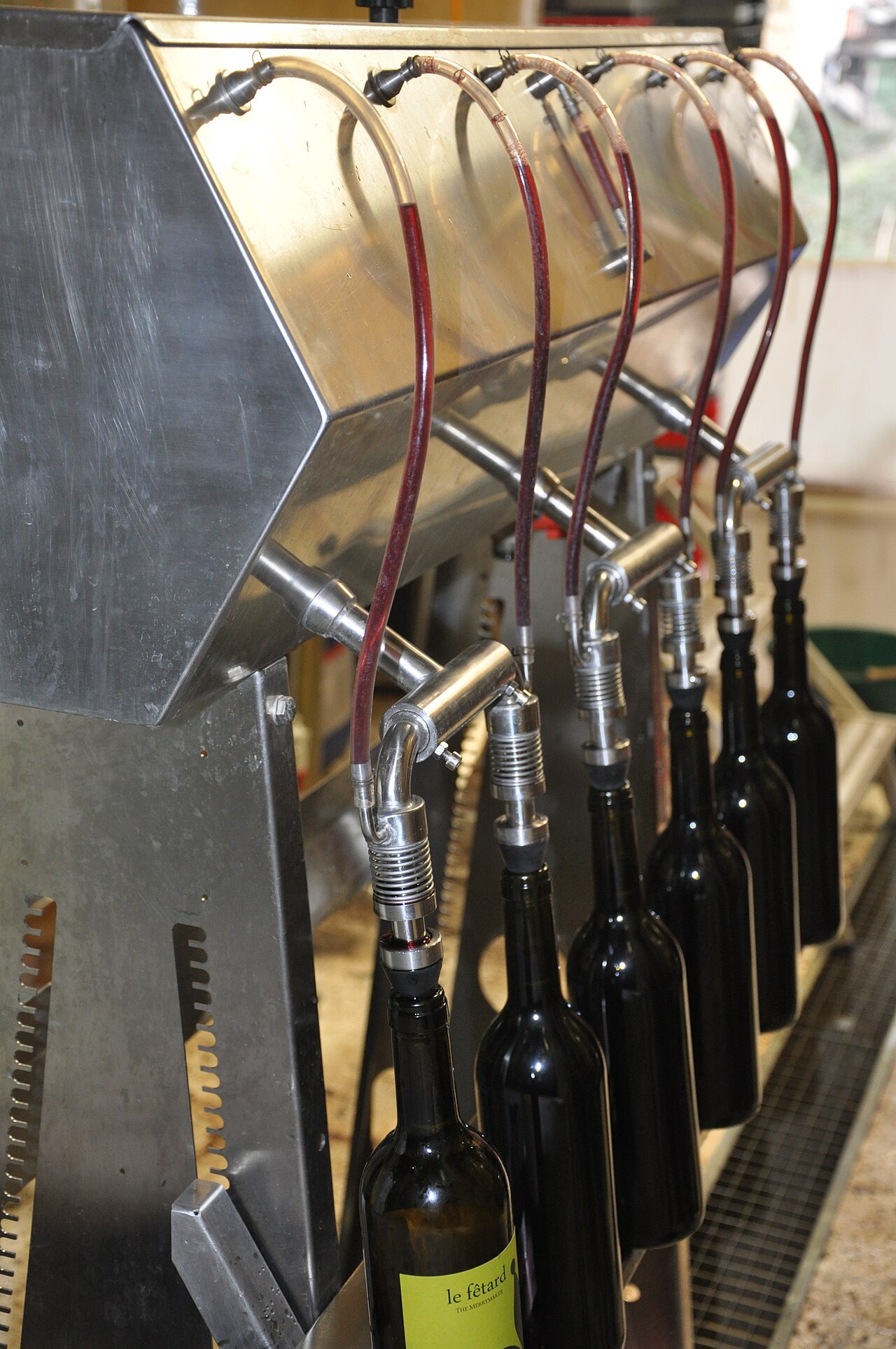
Most of the people who contact us about OEM sunflower oil bottling Thailand already know the oil business. They’ve bought sunflower oil in bulk before, or they’ve been buying someone else’s brand and they’re tired of building another company’s name. They want their own label on the shelf. That’s a good instinct. A brand you own is worth something. A brand you resell isn’t.
Table of Contents
What OEM Sunflower Oil Bottling Thailand Means in Practice
OEM is one of those terms people use loosely, so here’s what it means when we say it. You tell us the oil, the bottle, the label and the carton. We source the oil, test it, fill it, cap it, label it, pack it and load it. The product leaves our side looking exactly like it will on your customer’s shelf. You don’t need a factory, a filling line or a single employee touching the oil in your country.
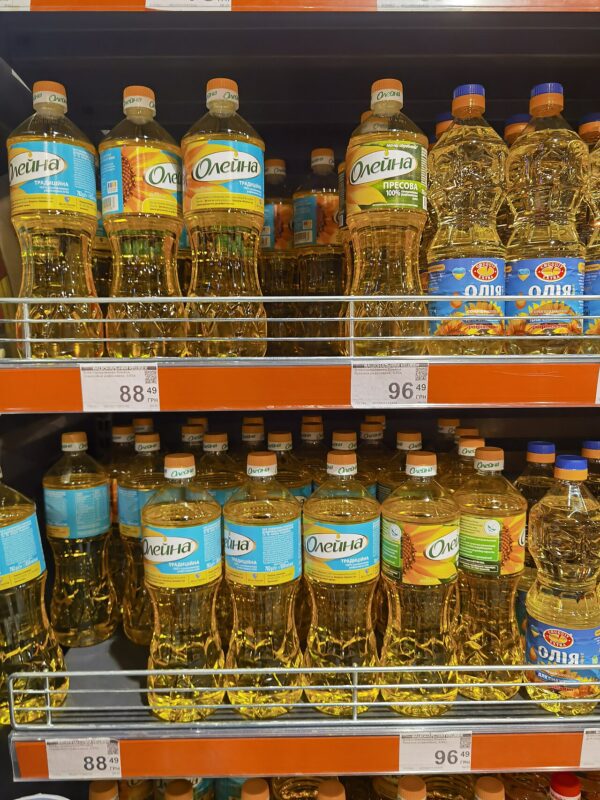
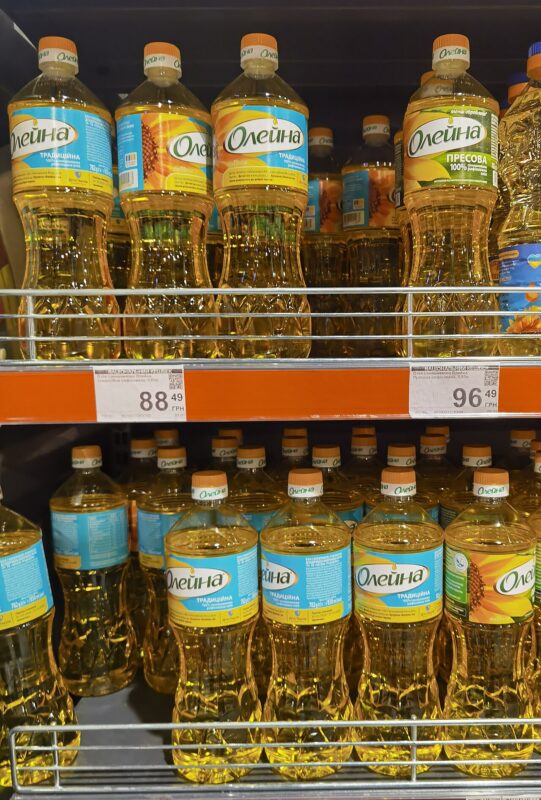
Some buyers call this private label, some call it contract packing, some call it white label. It’s the same thing with small differences. With white label you take our standard bottle and just change the sticker. With full OEM sunflower oil bottling Thailand gives you more room: you can pick the bottle shape, the cap colour, the shrink sleeve, the carton print, even the handle on the 5 litre. Our page on private label vegetable oil covers the general idea, and OEM cooking oil suppliers explains how to compare packers.
Who Uses OEM Sunflower Oil Bottling Thailand Services
Over the years the buyers fall into a handful of groups:
- Importers and distributors who want a house brand to sit next to the big names
- Supermarket chains building a store brand
- Wholesalers in markets where branded oil sells for more than unbranded
- Food service companies that want their own name on kitchen packs
- Start-up brands that don’t want to invest in a filling line yet
- Tender suppliers who need a specific label for a government or aid contract
What they have in common is that they’d rather spend their money on selling than on machinery. That’s the whole point of OEM sunflower oil bottling Thailand style. You rent our lines, our testing and our packing experience instead of building your own.
The Oils We Bottle
Refined sunflower oil. This is the one most people start with. Light colour, neutral taste, good for frying, cooking and salads. It’s what households expect when they see the word sunflower on a label. For most OEM sunflower oil bottling Thailand programmes, this is the grade on the first container. See our refined sunflower oil page.
Winterized refined sunflower oil. Same oil with the waxes removed, so it stays clear on a cold shelf or in a fridge. For retail bottles in cooler markets, we strongly suggest it, because a cloudy bottle looks like a bad bottle to a shopper even when the oil is fine. More on winterized sunflower oil.
High oleic sunflower oil. More stable under heat, longer fry life, a little more expensive. Popular for premium labels and for food service packs. See high oleic sunflower oil.
Blends. Some brands sell a sunflower and soybean blend, or sunflower with a share of palm olein, to hit a price point. If you go that route, the label has to say blend. We won’t fill a blend into a bottle that says pure sunflower oil, and no honest packer should.
The seed itself comes from oil type sunflower varieties, the kind described by the National Sunflower Association, crushed and refined before it reaches our filling lines.
OEM Sunflower Oil Bottling Thailand: Oil Specifications
Every batch we fill for OEM sunflower oil bottling Thailand clients is tested before it goes into a bottle, and each lot ships with a certificate of analysis. These are the contract values for our standard refined grade:
| Parameter | Specification |
|---|---|
| Free fatty acid (as oleic) | 0.10% max |
| Peroxide value at filling | 2.0 meq/kg max |
| Moisture and volatile matter | 0.05% max |
| Insoluble impurities | 0.05% max |
| Colour (Lovibond 5¼ inch cell) | 3.0 Red max |
| Iodine value (Wijs) | 118 to 141 |
| Relative density at 20 °C | 0.918 to 0.923 |
| Cold test (winterized grade) | 5.5 hours min at 0 °C |
| Smoke point | About 225 °C |
| Odour and taste | Neutral, no off flavour |
| Shelf life, sealed | 18 months in PET, up to 24 months in tins |
Those numbers line up with the Codex Alimentarius standard for named vegetable oils, which is the reference most food regulators work from. If your market has its own national standard, send it to us and we’ll check it line by line. For the full breakdown, see our refined sunflower oil specification, and if you want to know what each test actually tells you, read certificate of analysis for edible oil.
Bottle Sizes and Carton Packs
This is where OEM gets interesting, because the pack decides who you can sell to. Here are the formats we run most often:
| Pack | Material | Typical carton | Who buys it |
|---|---|---|---|
| 250 ml bottle | PET | 24 or 48 per carton | Small shops, trial packs, hotels |
| 500 ml bottle | PET | 24 per carton | Convenience stores, single households |
| 1 litre bottle | PET | 12 per carton | Supermarkets, the core retail size |
| 1.8 or 2 litre bottle | PET | 6 per carton | Family shoppers |
| 3 litre bottle | PET with handle | 4 or 6 per carton | Larger families, value buyers |
| 5 litre bottle | PET with handle | 4 per carton | Cash and carry, small restaurants |
| 1 litre pouch | Multilayer film | 10 or 12 per carton | Price sensitive retail |
| 10 or 20 litre jerrycan | Food grade HDPE | Loose or palletised | Restaurants, caterers, traders |
| 18 litre tin | Tinplate | Loose or palletised | Food service, bakeries, sweet shops |
You don’t have to pick just one. Plenty of our customers start their OEM sunflower oil bottling Thailand programme with 1 litre and 5 litre only, then add a 3 litre or a 20 litre once the brand is moving. If retail is your focus, our guide to sunflower oil 5L bottles wholesale price is worth a look. For kitchen packs, see sunflower oil 20 litre jerrycan supplier, sunflower oil 18 litre tin supplier and sunflower oil 1 litre pouch supplier.
Bottles, Caps and Labels
The bottle is the first thing a shopper touches, so don’t treat it as an afterthought. PET is the standard for retail oil. It’s light, it’s clear enough to show the colour of the oil, and it doesn’t shatter. Every bottle we use for OEM sunflower oil bottling Thailand orders is made from food grade resin. The plastic has to be approved for food contact, which is the idea behind the FDA rules on food packaging and similar rules elsewhere.
A few choices you’ll make with us:
- Bottle shape. Use one of our standard moulds, or bring your own design if the volume justifies a new mould.
- Bottle tint. Clear shows off the oil. A light green or amber tint gives some protection from light, which helps on brightly lit shelves.
- Cap. Flip top, screw cap or a pour spout. Tamper evident ring as standard. Any colour you like within reason.
- Label. Wrap label, front and back labels, or full shrink sleeve.
- Carton. Plain brown with a printed sticker, or fully printed in your colours.
For OEM sunflower oil bottling Thailand orders, the cheapest route to a good looking product is usually a standard bottle with a strong label. Custom moulds look great, but they add cost and weeks to the first order. Save them for when the brand has proved itself.
What Your Label Has to Say
We print what you approve, but we’ll flag anything that looks likely to cause trouble at customs. Most markets expect at least:
- Product name, for example “Refined Sunflower Oil”
- Net volume, and in some countries net weight too
- Ingredients, which for pure oil is just sunflower oil, plus any added antioxidant or vitamins
- Nutrition table, if your market requires one
- Storage advice
- Lot number and best before date
- Country of origin
- The name and address of the brand owner or importer
- Language required by your country
Some markets also want registration numbers on the pack. Saudi Arabia, Nigeria and the United States each have their own process; see SFDA registration for imported cooking oil, NAFDAC registration for imported vegetable oil and FDA requirements for importing vegetable oil. Sort the registration before the first OEM sunflower oil bottling Thailand run, not after. A container sitting at port because the label is missing a number costs a lot more than a week of planning.
How the Artwork Process Works
This part trips up first time brand owners more than anything else, so here it is step by step.
- You send us your logo, brand colours and any text you want on the label.
- We send you the label template for the exact bottle size, with the bleed and cut lines marked.
- Your designer, or ours if you don’t have one, lays out the artwork.
- We check it for size, barcode placement and legal text, then send a proof.
- You approve the proof in writing.
- Labels go to print. We send photos of the printed labels before filling.
The step people rush is number five. Read every word. Check the net volume, the date format and the address. A typo on 20,000 labels is an expensive lesson. Once the artwork is approved for OEM sunflower oil bottling Thailand runs, repeat orders are much simpler, because we just reprint the same file with new lot codes.
How Many Bottles Fit in a Container
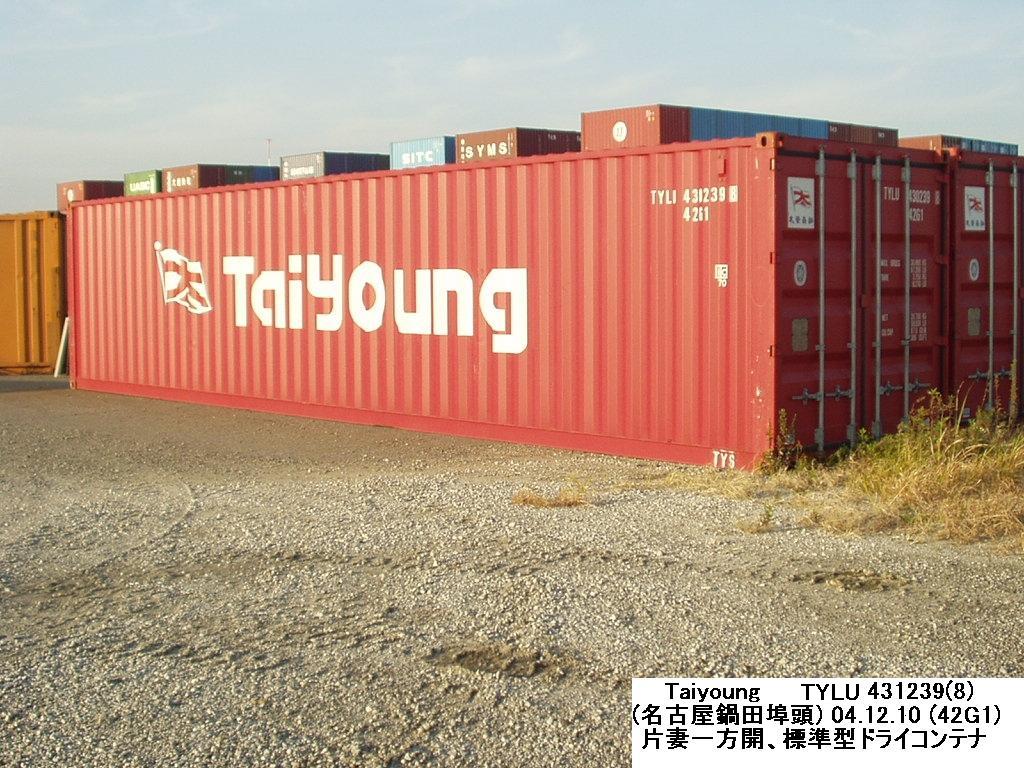
Bottled oil is different from bulk oil. With a flexitank or jerrycans the container usually hits its weight limit first. With retail bottles it often runs out of space first, because a carton of bottles has a lot of air in it.
| Pack in a 20 foot container | Approximate cartons | Approximate net oil |
|---|---|---|
| 1 litre PET, 12 per carton | 1,300 to 1,450 | 14 to 16 metric tons |
| 1 litre pouch, 12 per carton | 1,500 to 1,700 | 16.5 to 18.5 metric tons |
| 20 litre jerrycan | 1,000 to 1,150 cans | 18.5 to 21 metric tons |
| 18 litre tin | 1,050 to 1,200 tins | 17 to 19.5 metric tons |
Treat these as a starting point for OEM sunflower oil bottling Thailand loads. Bottle shape, carton size and whether you load on pallets all change the number, so we send a proper load plan with every quote. You can mix sizes in one container, which most new brands do. Read how much cooking oil fits in a 20ft container for the logic behind it.
Minimum Order and Lead Time
For OEM sunflower oil bottling Thailand work, our minimum is normally one 20 foot container, and that container can be split across two or three sizes. Below that, the label printing and line set up costs get spread over too few bottles and the price per litre stops making sense. Our article on minimum order quantity for bulk cooking oil explains why.
Timing for OEM sunflower oil bottling Thailand orders depends on what you’re asking for. A standard bottle with a new label is the quickest. A custom mould or shrink sleeve takes longer. Be honest with yourself about your launch date and give the first order some breathing room. Repeat orders move faster because the labels, cartons and specs are already locked in.
What Drives the Price
Nobody doing OEM sunflower oil bottling Thailand or anywhere else can give you a price that holds for months. The main moving parts are:
- The world sunflower oil price, which follows the crop in the big producing countries
- PET resin, which follows oil and petrochemical markets
- Label type and print run
- Carton print
- Pack size, because a 250 ml bottle costs far more per litre than a 5 litre
- Freight to your port
- Order size and how often you reorder
We break the quote down so you can see the oil and the packaging separately. That makes it easier to judge where your money goes, and easier to compare with other packers. Our offers are normally valid for a few days because the oil market moves.
Quality Control on Our Lines
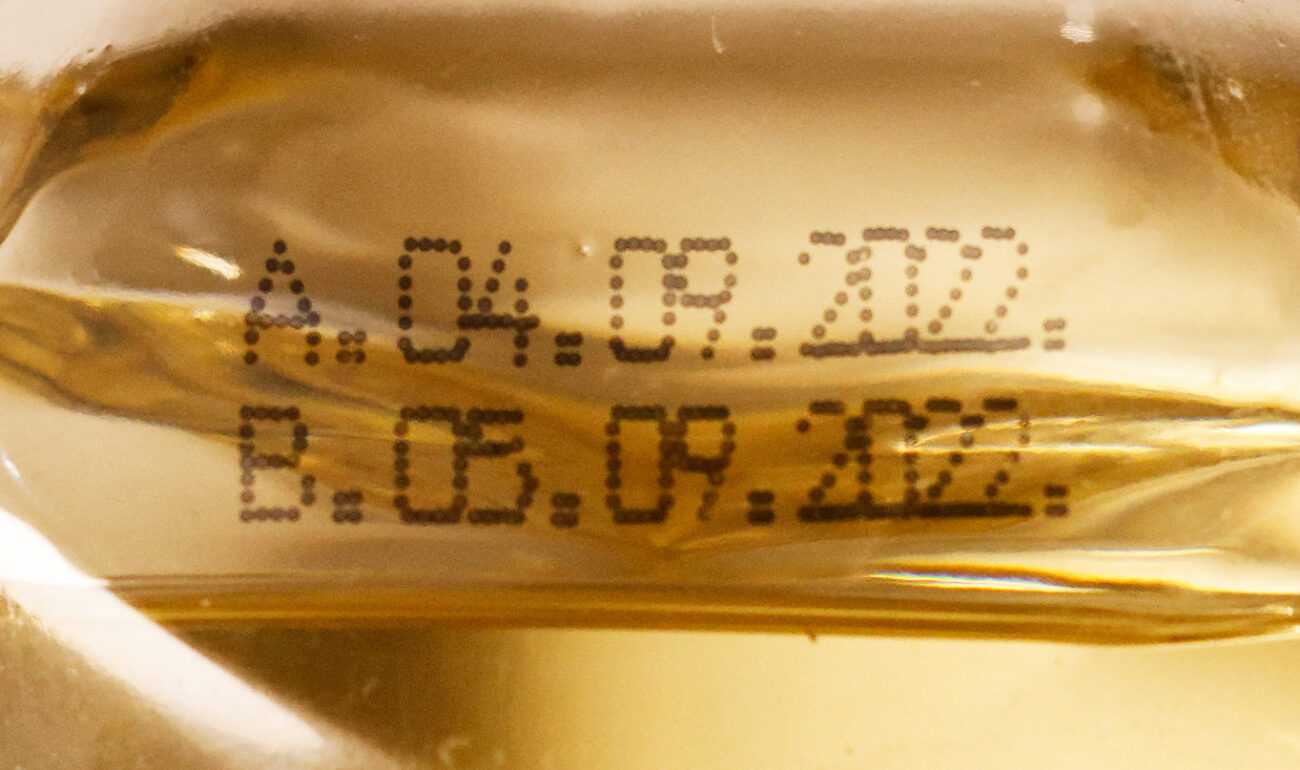
Every OEM sunflower oil bottling Thailand order runs through the same checks. Oil is tested before filling. Bottles are checked for weight and leaks. Fill levels are checked on a sample from every batch, because short filling is the fastest way to lose a retail customer’s trust. Caps are torque tested. Each bottle is coded with the lot and best before date so any question can be traced back to the tank it came from.
The refineries we work with run food safety systems such as HACCP and ISO 22000. More on that in HACCP certified cooking oil manufacturer. Halal and kosher certificates are available on request; see halal vegetable oil supplier and kosher certified vegetable oil supplier. If you’d like an independent check, you’re welcome to send SGS, Intertek or Bureau Veritas to inspect at loading. See pre-shipment inspection for edible oil.
Shipping Worldwide
We ship OEM sunflower oil bottling Thailand orders worldwide on CIF or FOB terms. Our buyers are spread across Africa, the Middle East, Asia, Europe, the Caribbean and Latin America. CIF means we arrange the freight and insurance to your port, which keeps life simple if you’re new to importing. If you already have a forwarder you trust, FOB is fine. Read CIF vs FOB vegetable oil if you’re unsure, and vegetable oil export Thailand for what shipping from here looks like.
Documents With Every Shipment
- Commercial invoice and packing list
- Bill of lading
- Certificate of origin
- Certificate of analysis for each lot
- Health certificate
- Halal or kosher certificate on request
- Fumigation certificate if wooden pallets are used
- Insurance certificate on CIF terms
For every OEM sunflower oil bottling Thailand shipment, your customs broker will want drafts before the vessel arrives. We send them early. See documents required to import vegetable oil for what each paper does.
7 Proven Tips for Choosing an OEM Sunflower Oil Bottling Thailand Partner
1. Ask who owns the artwork
You should. Make sure the contract says the label files are yours and can be moved to another packer if you ever need to.
2. Get the fill tolerance in writing
A 1 litre bottle should hold 1 litre. Agree the allowed tolerance and check a few bottles from every container.
3. Taste and fry the samples
Any serious OEM sunflower oil bottling Thailand supplier will send oil samples and a sample bottle. Use them. Fry with the oil, leave a bottle on a sunny windowsill for a week, and see how it holds up. Our guide on how to request edible oil samples helps.
4. Check the company is real
Cooking oil scams are common. Video calls, company registration, references and a sensible payment structure all help. Read fake vegetable oil supplier before you pay anyone.
5. Use safe payment terms
A letter of credit protects both sides on a first order. See letter of credit vs TT payment.
6. Plan your stock around the shelf life
PET bottles keep sunflower oil well, but not forever. Order what you can sell comfortably within the shelf life. More in shelf life of sunflower oil.
7. Start simple
Two sizes, a standard bottle, a good label. That’s how most of our OEM sunflower oil bottling Thailand customers began. Grow the range once the first containers sell through. Brands that launch with eight sizes and a custom mould often end up with slow stock in half of them.
Mistakes New Brand Owners Make
- Approving artwork without checking the legal text for their own market.
- Ordering a custom bottle before the brand has any sales.
- Comparing prices per carton without checking the bottle size and fill.
- Forgetting that bottles cube out before they weigh out, then being surprised the container holds less oil than a flexitank.
- Leaving registration until the goods are already on the water.
We see these every year. None of them are hard to avoid if you know about them before the first OEM sunflower oil bottling Thailand order goes in.
Selling Your Brand Once It Lands
Getting the bottles made is half the job, and it’s the half OEM sunflower oil bottling Thailand takes care of. Selling them is the other half, and a few things help a lot. Price your 1 litre against the brands shoppers already know, not against unbranded oil. Put the 5 litre where families buy rice and flour in bulk. Offer wholesalers a small margin boost on the first few orders so they give your brand shelf space. And keep stock steady, because nothing kills a new brand faster than empty shelves two months after launch.
Supermarkets in particular care about steady supply and clean paperwork. Our article on sunflower oil suppliers for supermarkets covers what buyers in that channel usually ask for.
Why Buyers Choose Us for OEM Sunflower Oil Bottling Thailand
- Refined, winterized and high oleic sunflower oil, all tested before filling
- Retail and food service packs from 250 ml to 20 litres
- Your artwork, your brand, your files
- Mixed containers across sizes and oils
- Real specs and a COA with every lot
- Straight answers on price and timing
Plenty of companies advertise OEM sunflower oil bottling Thailand on their websites. We’d rather be judged on how the third and fourth container look than on what we say in an email. You can read more about us on our about us page and see everything else we handle on our products page. If your market needs fortified oil, we also cover that in fortified sunflower oil supplier vitamin A and D, and if you’d rather fill locally, see sunflower oil for repacking business.
A Typical OEM Order, Step by Step
- Inquiry. Tell us the oil, sizes, quantities, label type and port.
- Offer. We send a written quote with the oil and packaging costs shown separately, plus a load plan.
- Samples. Oil samples and sample bottles go out to you.
- Artwork. Template, layout, proof, approval.
- Contract and payment. Proforma invoice or contract, then LC or deposit.
- Printing. Labels and cartons are printed. You see photos.
- Filling. Oil is tested, filled, capped, labelled, coded and packed.
- Loading. Container loaded to the plan, with photos before sealing.
- Documents. Drafts to your broker, originals by courier or through the bank.
That’s the whole OEM sunflower oil bottling Thailand process. It sounds like a lot written down, but most of it happens on our side.
Frequently Asked Questions
Can I use my own bottle design?
Yes. If the volume justifies a new mould we can make it. For a first order we usually suggest a standard bottle.
Do you design labels?
We can help with layout if you don’t have a designer. You approve the final proof before anything is printed for your OEM sunflower oil bottling Thailand run.
Can I mix sizes in one container?
Yes. Most new OEM customers do. We’ll send a load plan showing how the cartons fit.
Is the oil halal?
Yes, halal certificates are available on request.
Do you ship to my country?
Very likely. We ship OEM sunflower oil bottling Thailand orders worldwide. Tell us your port and we’ll confirm the route.
Get a Quote for OEM Sunflower Oil Bottling Thailand
Send us the oil grade, bottle sizes, quantities, label type and destination port. We’ll come back with a written offer and a load plan, usually within one working day.
Email info@dthcompanyltd.com, call or WhatsApp +66 91 765 9104, or use our contact page.







4 thoughts on “OEM Sunflower Oil Bottling Thailand: Trusted Private Label Supplier Specs and 7 Proven Tips”