

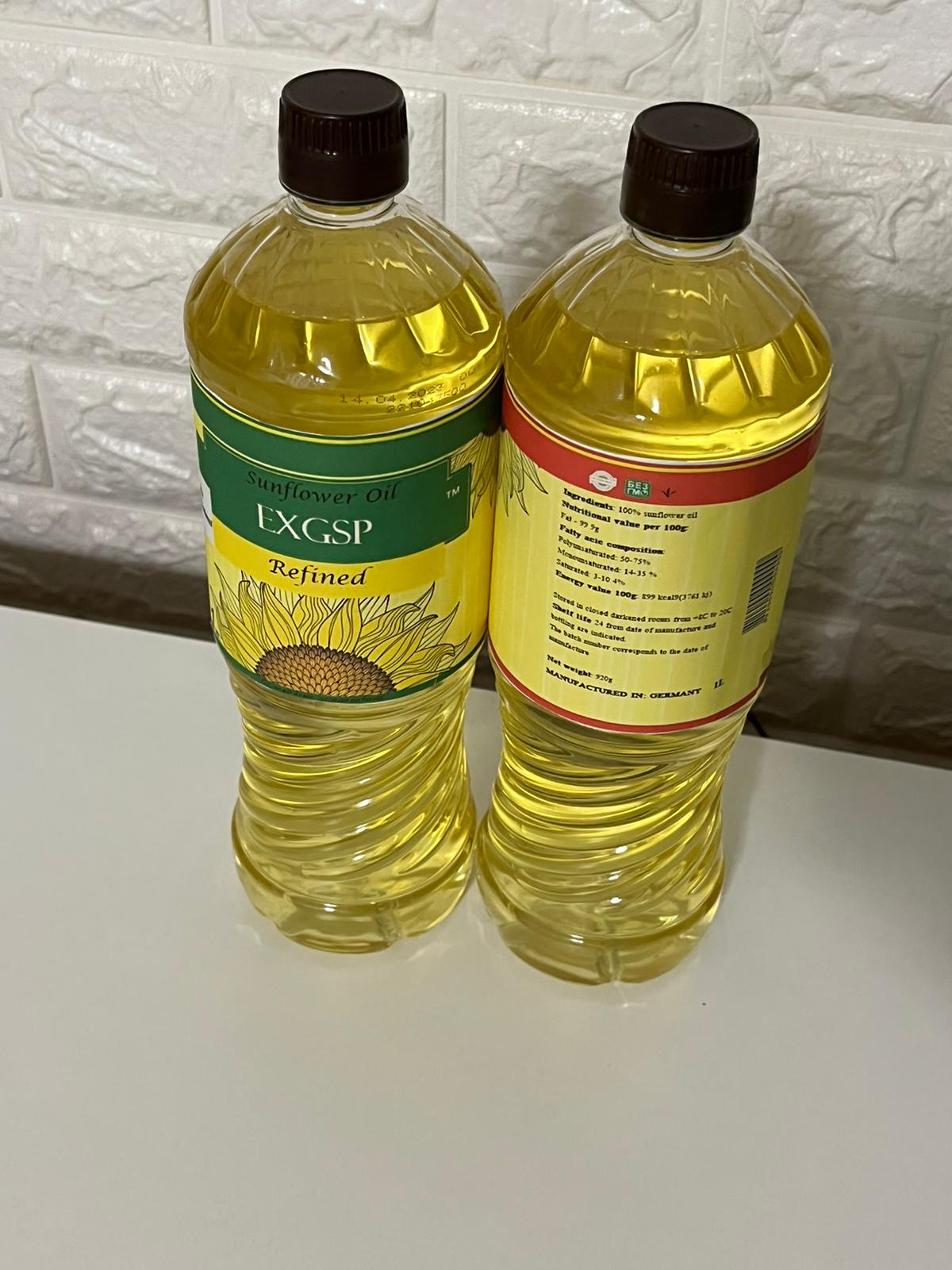
A kosher certified vegetable oil supplier is not hard to find on paper. Lots of sellers will tell you their oil is kosher. The trouble starts when your customer’s rabbinic agency asks for the letter of certification, and the plant name on it doesn’t match the plant that filled your oil, or the certificate expired four months ago, or it covers retail bottles but not bulk.
We sell refined vegetable oils to food manufacturers, distributors and packers worldwide, and kosher is something we’re asked about on a lot of enquiries, especially from food factories that hold their own kosher certification. This guide explains how a kosher certified vegetable oil supplier should work, what to check on the paperwork, the bulk transport rules people forget, and which oils we can supply with kosher certification, with full specifications.
One thing up front, because honesty matters more than a sale here. We supply kosher-certified oil on request for some products and lots, not for every oil and every pack. When you ask, we’ll tell you exactly which refinery, which agency and which products are covered, and send the current certificate before you pay. If we can’t cover your need, we’ll say so.
Table of Contents
What Kosher Means for Vegetable Oil
Vegetable oil comes from plants, so people assume any seller is a kosher certified vegetable oil supplier by default. It isn’t, at least not in a way a certifying agency will accept without checking. The oil itself, from sunflower seed, soybeans, canola or palm fruit, is fine. The questions are about everything around it.
- Shared equipment. Some refineries also process animal fats like tallow or fish oil on the same lines. That affects kosher status.
- Additives. Antioxidants, anti-foaming agents and processing aids must come from approved sources.
- Transport and storage. Tanks, tankers, flexitanks and hoses that held non-kosher products can affect the oil.
- Dairy and meat status. Most vegetable oil is pareve, meaning neither meat nor dairy, which is what food makers want because it can be used in anything.
A kosher certified vegetable oil supplier has an agency that has checked all of this at the plant, approved the ingredients and processing aids, and keeps checking with regular visits. That’s what you’re paying for. It’s supervision, not just a stamp.
Why Buyers Need a Kosher Certified Vegetable Oil Supplier
The obvious reason is selling to kosher-keeping consumers. But in our experience that’s not where most demand comes from.
Most of the people looking for a kosher certified vegetable oil supplier are food factories. A biscuit maker, snack producer or sauce factory that holds kosher certification for its own products can only use ingredients its agency approves. If their oil supplier isn’t certified, the factory’s own certification is at risk. So the purchasing team needs a kosher certified vegetable oil supplier, full stop, even if most of their customers don’t keep kosher.
Other buyers want kosher because their retail customers do. In the US especially, a large share of packaged food carries a kosher symbol, and many shoppers who aren’t Jewish see it as a sign of extra checking. Export markets with Jewish communities, such as parts of Europe, Latin America and Israel, have their own expectations, and some agencies are preferred over others in different places.
How Certification Works at a Refinery
If you’re new to this, it helps to know what a kosher certified vegetable oil supplier actually goes through.
- The plant applies to an agency. Well-known ones include OU, OK, Star-K, KOF-K and CRC, plus many regional agencies.
- The agency inspects. A rabbinic field representative, often called a mashgiach, visits the plant, looks at the process, the equipment, cleaning and every ingredient and processing aid.
- Ingredients are approved. Each input must come from an approved source. Changing a supplier of an additive means telling the agency.
- A contract and fee. The plant pays for supervision and agrees to the rules.
- Ongoing visits. Inspections happen regularly, sometimes without warning.
- Letter of certification. The agency issues a letter listing the company, plant, products and validity dates. This is the document your QA team will ask for.
So when you hear a seller say “our oil is kosher”, the next sentence should be “here is our letter of certification”. If it isn’t, keep asking.
What to Check on the Kosher Certificate
When a kosher certified vegetable oil supplier sends you a letter of certification, check these points before you place the order. We’d expect any decent buyer to check ours the same way.
| Check | Why it matters |
|---|---|
| Company name and plant address | The certificate covers a specific plant. Oil from another plant isn’t covered. |
| Product names | The exact oil and form, such as refined sunflower oil in bulk, must be listed. |
| Pareve status | Food makers almost always need pareve. Make sure it says so. |
| Validity dates | Letters are usually issued for a year. Expired means not certified. |
| Bulk or packaged | Some letters only cover consumer packs, or only bulk. Check which. |
| Private label | Using the symbol on your own brand needs separate agency approval. |
| Passover status | Year-round kosher is not kosher for Passover. More on that below. |
| Agency contact | You can verify the certificate directly with the agency. |
Most large agencies have online directories where you can look up a certified company. Use them. A good kosher certified vegetable oil supplier will be happy that you checked.
Bulk Transport: Where Kosher Oil Goes Wrong
This is the part most buyers miss, and it’s the part that worries agencies most. Oil can leave a kosher plant fully kosher and arrive at your factory not kosher because of how it travelled.
- Road tankers that carried non-kosher products before need a kosher wash under supervision, or must be dedicated to kosher loads.
- Flexitanks are single-use and new, which makes them simpler, but the loading hoses and pumps still matter.
- ISO tanks need cleaning certificates and a record of previous cargo.
- Seals. Containers and tankers should be sealed with the seal numbers on the documents, so the oil can’t be touched between plant and destination.
Some agencies require a kosher load certificate or bill of lading notation for bulk shipments. If your customer’s agency is strict on this, tell your kosher certified vegetable oil supplier before loading, not after. We plan the flexitank, the loading and the paperwork around what your agency wants.
Kosher for Passover Is a Different Question
Year-round kosher and kosher for Passover are not the same. During Passover, many Ashkenazi Jews avoid kitniyot, a group that includes legumes and some seeds. Soybeans, corn and canola are generally treated as kitniyot, and opinions differ on some other seeds. That means most common vegetable oils are not certified for Passover use in that tradition, even when they’re kosher the rest of the year.
Passover-certified oil does exist, but it needs special production runs under extra supervision and it’s limited. If you need oil for Passover products, ask early, months ahead, and expect the price to be higher. Any kosher certified vegetable oil supplier who says “no problem, all our oil is fine for Passover” probably doesn’t understand the question.
Kosher and Halal Together
Many of our buyers sell into markets that want both kosher and Halal, so they need a kosher certified vegetable oil supplier that also holds Halal. The good news is that refined vegetable oil can usually carry both, because the rules overlap a lot on oil: no animal-derived additives, clean lines and controlled transport. We supply Halal-certified oil as standard and kosher on request for some lots, so a buyer can often get both certificates covering the same shipment. Ask us which products currently have both.
The Oils We Sell With Kosher Available
As a kosher certified vegetable oil supplier on request, these are the oils buyers ask us about most. The specification below is what we typically load to. When you ask for kosher, we confirm whether it’s available for that oil, that pack and your timing, and we send the current letter.
| Oil we sell | FFA (as oleic) | Peroxide value at loading | Moisture and volatiles | Key spec |
|---|---|---|---|---|
| Refined sunflower oil | 0.1% max | 2.0 meq/kg max | 0.05% max | Iodine value 118 to 141 |
| Deodorized sunflower oil | 0.1% max | 2.0 meq/kg max | 0.05% max | Bland taste for food makers |
| High oleic sunflower oil | 0.1% max | 2.0 meq/kg max | 0.05% max | Oleic acid 75% min |
| Refined soybean oil | 0.1% max | 2.0 meq/kg max | 0.05% max | Iodine value 124 to 139 |
| Refined canola oil | 0.1% max | 2.0 meq/kg max | 0.05% max | Erucic acid under 2% |
| RBD coconut oil | 0.1% max | 1.0 meq/kg max | 0.1% max | Iodine value 7 to 11 |
| Refined palm olein CP10 | 0.1% max | 2.0 meq/kg max | 0.1% max | Cloud point 10 C max |
All our refined oils are produced under ISO 22000, HACCP and GMP, and every shipment comes with a lot certificate of analysis. For deeper detail, see our RBD coconut oil specification and RBD canola oil specification guides.
Packing options for kosher orders
- PET bottles from 1 to 5 litres, with your label if the private label is approved by the agency.
- 18 and 20 litre jerrycans and 18 litre tins for food service.
- 1,000 litre IBC totes for factories.
- Flexitanks of about 20 to 22 tonnes, loaded in line with your agency’s bulk rules.
We explain loading quantities in our guide on how much cooking oil fits in a 20ft container.
Kosher Oil for Different Industries
Which oil you need from a kosher certified vegetable oil supplier depends a lot on what you make. Here’s how our buyers usually split.
Bakeries and biscuit makers mostly want a neutral refined oil, often sunflower or canola, and sometimes palm-based fats for texture. Pareve status matters a lot here, because many kosher bakeries want their products to be usable with both meat and dairy meals.
Snack and frying operations care about fry life. High oleic sunflower oil and palm olein hold up better in the fryer than standard sunflower or soybean oil. For a kosher snack line, the oil is often the biggest single ingredient, so the certificate gets checked closely.
Sauce, mayonnaise and dressing makers need a clear, bland oil that stays liquid in the fridge. Refined soybean and canola oil are common choices. Our refined soybean oil specification guide shows the cold test and colour numbers that matter for these buyers.
Confectionery and non-dairy creamers often use RBD coconut oil because of its melting behaviour. Kosher pareve coconut oil is valuable for making dairy-style products that can be eaten with meat meals.
Food service and catering usually buy jerrycans or tins of refined oil, and the kosher symbol on the pack is what the kitchen supervisor looks for.
Whatever your sector, tell your kosher certified vegetable oil supplier how the oil will be used. It helps us pick the right oil and the right certificate.
Questions to Ask a Kosher Certified Vegetable Oil Supplier
Before you sign anything, ask these. A good kosher certified vegetable oil supplier will answer all of them quickly and in writing.
- Which plant will produce and pack my oil?
- Which agency certifies that plant, and can I have the current letter?
- Does the letter list this exact oil and this pack type?
- Is the oil pareve?
- When does the certificate expire, and will it still be valid when my container arrives?
- How will bulk oil be transported, and what does the agency require for that?
- Can my private label carry the kosher symbol, and how long does approval take?
- Is the same oil Halal certified as well?
- What happens if the plant changes an additive or a supplier?
- Will you send a lot COA with every shipment?
If the answers come back vague, that tells you something. If they come back with documents attached, you’ve probably found a kosher certified vegetable oil supplier worth working with.
What We Send With Every Kosher Shipment
Paperwork is half the value of buying from a kosher certified vegetable oil supplier. On kosher orders we send:
- The current letter of certification for the producing plant.
- A lot certificate of analysis with fatty acids, FFA, peroxide value, moisture and colour.
- Seal numbers and loading records for bulk containers.
- Flexitank certificate or tanker cleaning record where relevant.
- Halal certificate if you ordered it.
- Certificate of origin, commercial invoice, packing list and bill of lading.
Your QA team can file it and move on. That’s the goal.
Private Label Kosher Oil
If you want your own brand on the bottle with a kosher symbol, there’s an extra step. The kosher symbol is a registered trademark of the agency. You can’t print it just because the oil inside is certified. The agency has to approve your label, and usually your brand is added to the certification or covered under a private label arrangement.
This is where a kosher certified vegetable oil supplier earns its keep. We send your artwork through the approval process with the producing plant’s agency before printing. It takes a bit longer, but it means your bottles won’t need stickers or reprints later.
Common Mistakes When Choosing a Kosher Certified Vegetable Oil Supplier
We see these again and again, and they’re all avoidable.
- Accepting “kosher” in an email instead of a letter of certification.
- Not matching the plant. A trader’s certificate from one refinery, with oil from another.
- Expired certificates. Always check the dates against your shipping date.
- Ignoring bulk transport rules for tankers and ISO tanks.
- Assuming year-round kosher covers Passover.
- Printing the symbol on private label without agency approval.
- Not telling the supplier which agency your factory works with. Some agencies only accept certain other agencies.
That last point catches people out. If your factory is under one agency and the oil is certified by a smaller agency your agency doesn’t accept, the oil is no use to you. Tell your kosher certified vegetable oil supplier the name of your agency at the first enquiry.
Kosher Rules in Different Markets
The kosher rules themselves don’t change much from country to country, but what buyers and regulators expect does.
In the United States, kosher is mostly a commercial matter between your company and the agency, alongside the normal FDA rules. We cover the regulatory side in our guide to the FDA requirements for importing vegetable oil. In the Gulf, buyers often want Halal first and kosher only for specific customers; see SFDA registration for imported cooking oil for the Saudi side. In Israel, imported food goes through national import rules, and the chief rabbinate or recognised agencies matter for kosher claims. In Europe, it depends a lot on the community and the buyer.
As your kosher certified vegetable oil supplier, we work to whichever agency and market you’re selling into. Tell us early and we’ll check what’s possible.
Price and Terms
Oil from a kosher certified vegetable oil supplier normally costs a little more than the same oil without certification, because of supervision fees, cleaning, and sometimes dedicated runs. For bulk, the cost of special transport handling can add more than the certification itself. Passover-certified oil, where available, costs noticeably more.
We quote CIF or FOB depending on what you prefer. The CIF vs FOB vegetable oil guide explains the difference. For price trends, our soybean oil price per ton and coconut oil price per ton guides give useful background.
How Ordering Kosher Oil From Us Works
| Step | What happens |
|---|---|
| 1. Enquiry | You tell us the oil, pack, volume, port and your kosher agency. |
| 2. Confirmation | We confirm whether kosher is available for that oil and lot, and which agency certifies it. |
| 3. Documents | We send the current letter of certification, the spec and a sample COA. |
| 4. Label | For private label, we arrange agency approval of your artwork. |
| 5. Production | Oil is produced and packed under the kosher programme. |
| 6. Loading | Bulk loads follow your agency’s transport rules, with seal numbers recorded. |
| 7. Shipment documents | COA, kosher documents, Halal if needed, origin certificate and shipping papers. |
A kosher certified vegetable oil supplier should make this boring and predictable. That’s our aim.
Where to Check a Kosher Certificate
You can look up certified companies and products on the agencies’ own sites, such as the OU kosher directory, OK Kosher and Star-K. If your certificate comes from another agency, contact them directly. For the quality side, international limits for refined vegetable oils are set out in the Codex Alimentarius standards.
FAQs About Buying From a Kosher Certified Vegetable Oil Supplier
Is all vegetable oil kosher?
No. The plant source is fine, but the processing, additives, equipment and transport have to be checked by an agency.
Is your oil pareve?
Refined vegetable oil certified kosher is normally pareve. The letter of certification will state it.
Is kosher available for every oil you sell?
No. Kosher is available on request for some products and lots. Ask us and we’ll confirm for your order.
Can you supply kosher and Halal on the same shipment?
Often yes. Tell us you need both and we’ll confirm for that product.
Can a kosher certified vegetable oil supplier ship in flexitanks?
Yes, but bulk loading must follow the agency’s rules. We plan it with you before loading.
Do you supply oil that’s kosher for Passover?
Only in limited cases. Ask well in advance.
How do I verify a kosher certified vegetable oil supplier?
Ask for the letter of certification, check the plant and product names and dates, then look the company up in the agency’s directory or call the agency.
Does kosher oil cost more?
Usually a little, because of supervision and transport handling. Passover oil costs more again.
Can a kosher certified vegetable oil supplier also do organic?
Sometimes. We sell organic sunflower oil, and we can check whether kosher is available for it for your order.
What’s the minimum order?
Usually one 20 foot container, packed or in a flexitank.
Talk to Us About Kosher Oil
If you’re looking for a kosher certified vegetable oil supplier you can actually check, send us the oil, the pack size, the volume, the port and the name of your kosher agency. We’ll come back with a price, the specification and the current certificate for the plant that will fill your order.
Email info@dthcompanyltd.com, WhatsApp +66 91 765 9104, or use our contact page. You can also look through our full product range and read more about us.






6 thoughts on “Kosher Certified Vegetable Oil Supplier: 7 Best Buying Tips”