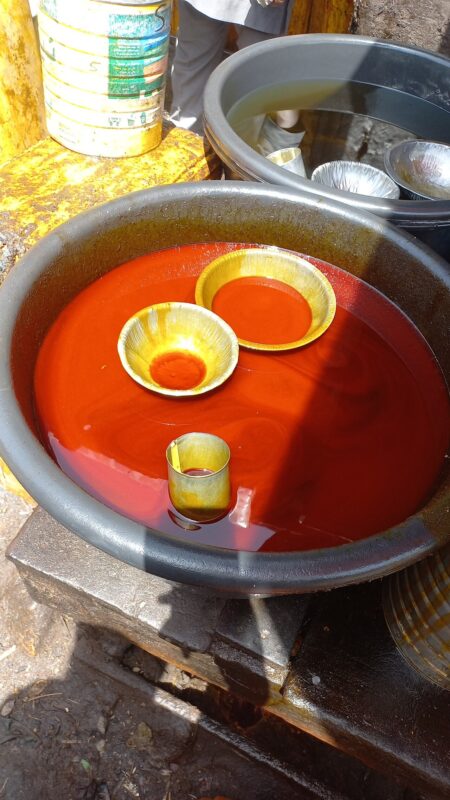
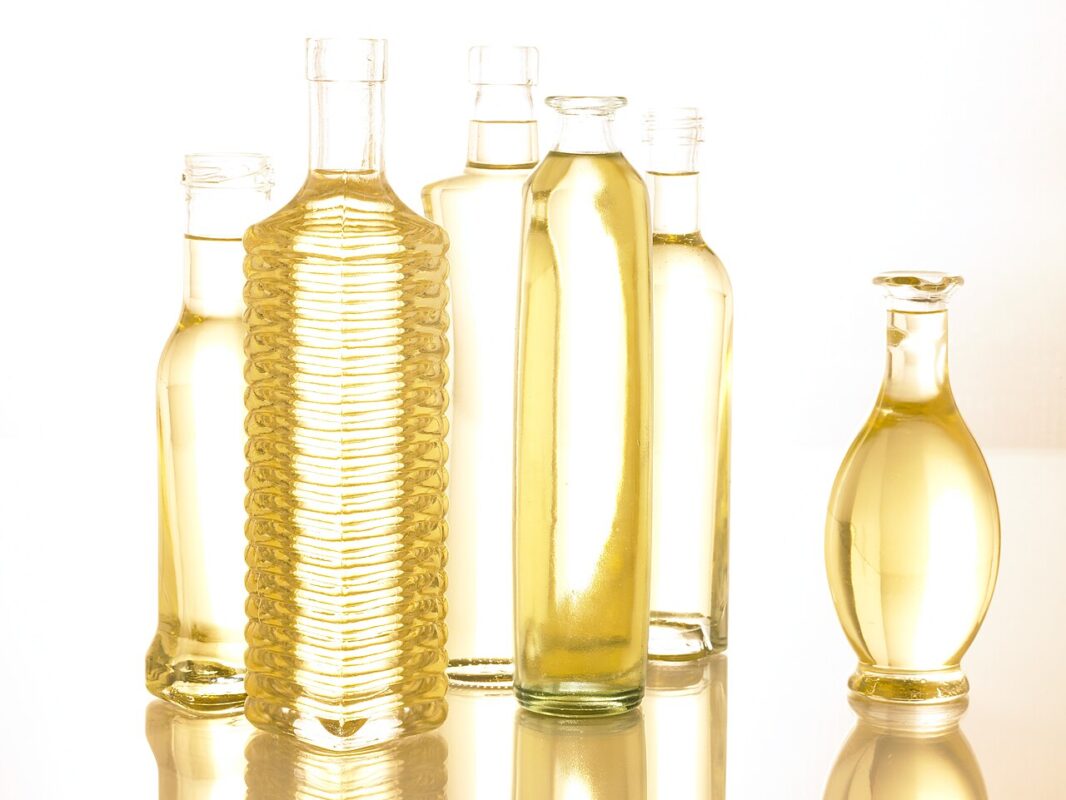
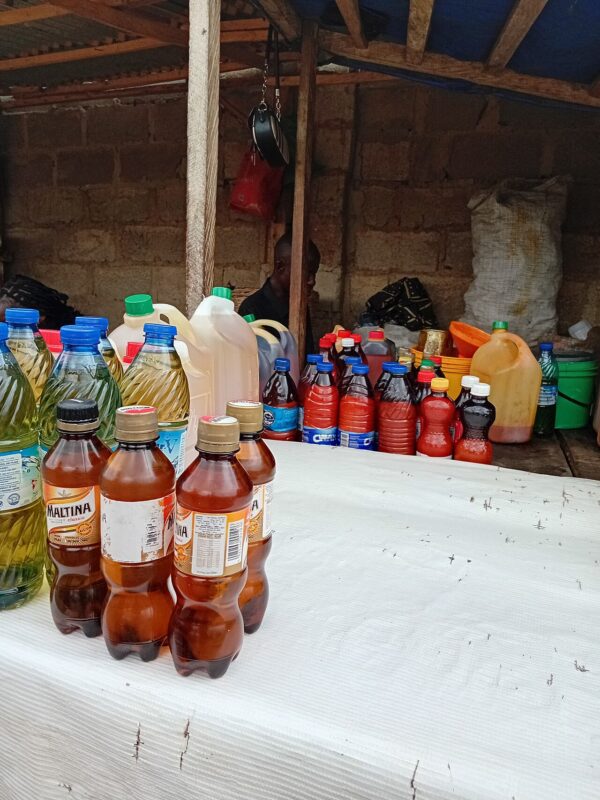
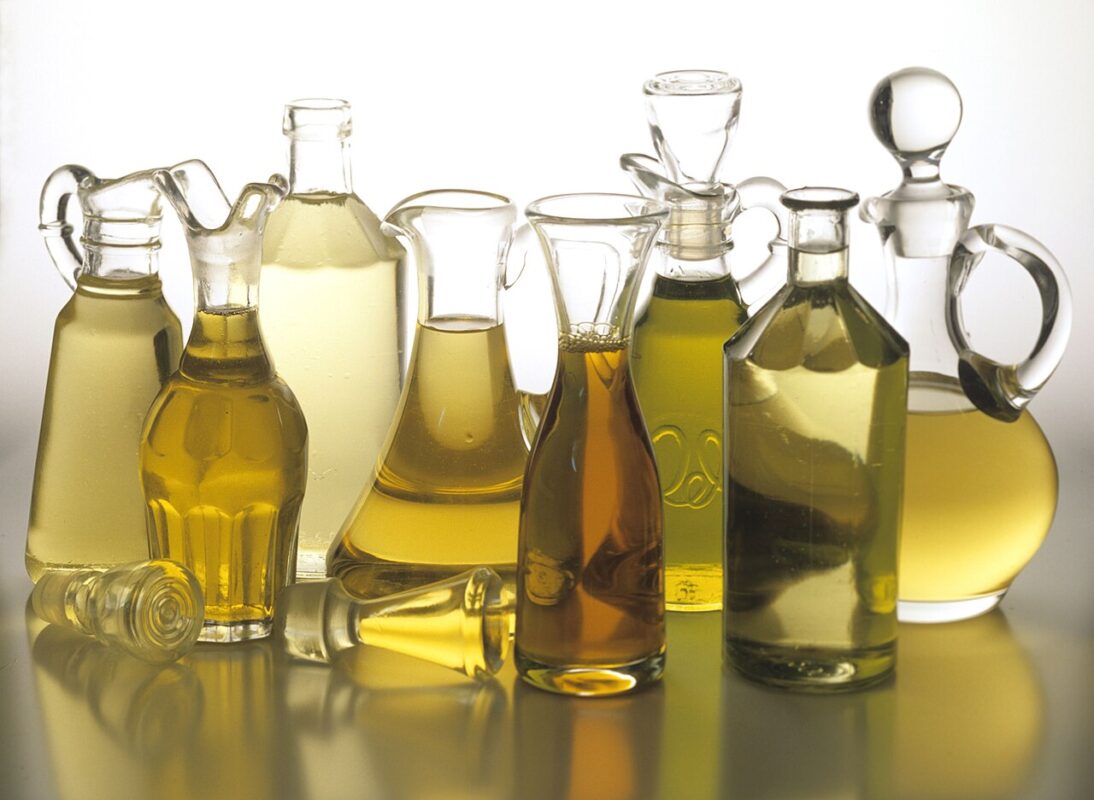
If you’re looking for an edible oil exporter Trinidad and Tobago importers can actually rely on, you’re in the right place. We sell refined sunflower oil, RBD palm olein, refined soybean oil, canola oil, corn oil and coconut oil. We pack it in PET bottles, 20 litre jerrycans, drums, IBCs or flexitanks, and we ship it CIF Port of Spain or Point Lisas. This page lays out what we sell, the actual specifications, the packing we offer, how shipping works and how we price.
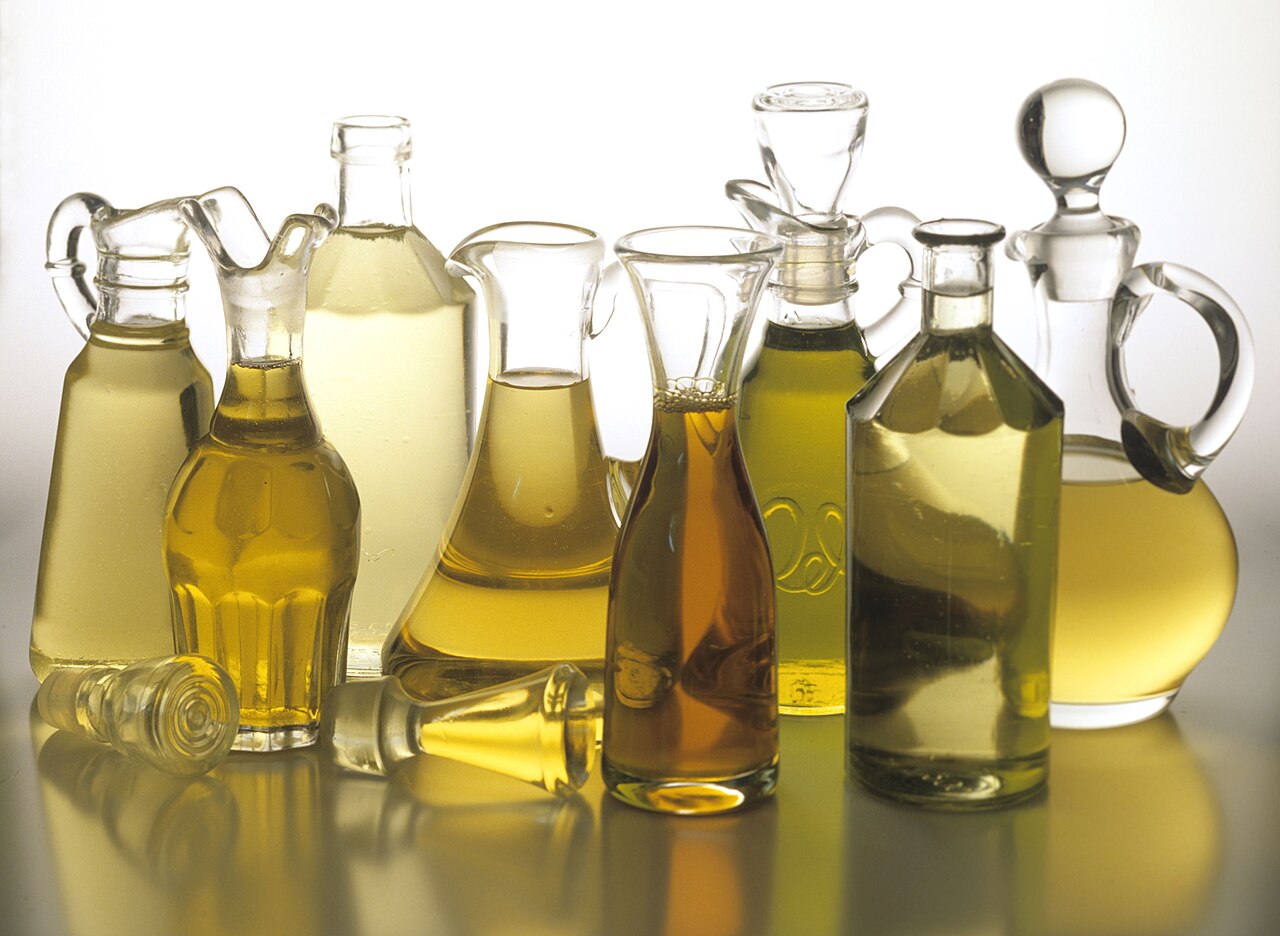
A bit of background. We’re an export company that has spent years moving vegetable oil to buyers who can’t afford a bad container. Distributors, supermarket chains, bakeries, fast food groups, snack factories and wholesalers. Most of them came to us after a supplier let them down once. As an edible oil exporter Trinidad and Tobago customers work with, our job is pretty simple: send what we promised, on the date we promised, with the papers in order.
Table of Contents
Why Buyers in Trinidad and Tobago Import Edible Oil
Trinidad and Tobago has a strong food culture. Doubles, bake and shark, pholourie, fried chicken on every corner, roti shops, Chinese takeaways, and a snack industry that sells across the Caribbean. All of that runs on cooking oil. Local refining exists, but it doesn’t cover every grade, every pack size or every price point, so importers fill the gaps.
That’s where an edible oil exporter Trinidad and Tobago traders trust comes in. Some buyers want a cheaper palm olein for street food frying. Some want sunflower oil for a retail label. Some need soybean oil in drums for a food plant in Chaguanas. We cover all of those from one supplier, which makes life easier when you’re filling a container.
Edible Oil Exporter Trinidad and Tobago: What We Sell
Here’s the range we ship most often to Port of Spain and Point Lisas. Each one links to the full product page if you want more detail.
- Refined sunflower oil. Light colour, clean taste, good for retail bottles and general cooking. See our refined sunflower oil page.
- High oleic sunflower oil. Much longer fry life. Popular with snack makers and quick service restaurants. See high oleic sunflower oil.
- RBD palm olein CP10 and CP8. The workhorse frying oil. Stays clear in Caribbean heat. See refined palm oil CP10 and CP8.
- Refined soybean oil. Common in food manufacturing and bulk catering. See refined soybean oil.
- Refined canola oil. Low in saturated fat, popular for health positioned labels. See refined canola oil.
- RBD coconut oil. For bakeries, confectionery and cosmetics. See RBD coconut oil.
- Corn oil. On request, mostly for retail. Our corn oil bulk supplier guide covers it.
You can mix products in one 20 foot container. A lot of buyers in Trinidad do exactly that: a few pallets of sunflower oil bottles, some palm olein jerrycans, and a few drums for a food plant client.
Specifications
Every order from us as an edible oil exporter Trinidad and Tobago importers can audit comes with a certificate of analysis from the refinery. These are the numbers we contract on. If you need a tighter spec, tell us before we quote.
| Parameter | Refined sunflower oil | RBD palm olein CP10 | Refined soybean oil |
|---|---|---|---|
| Free fatty acid | 0.10% max (as oleic) | 0.10% max (as palmitic) | 0.10% max (as oleic) |
| Peroxide value at loading | 2.0 meq/kg max | 2.0 meq/kg max | 2.0 meq/kg max |
| Moisture and impurities | 0.05% max | 0.10% max | 0.05% max |
| Iodine value (Wijs) | 118 to 141 | 56 min | 124 to 139 |
| Colour (Lovibond 5¼ inch) | 3.0 Red max | 3.0 Red max | 2.5 Red max |
| Cloud point | Not applicable | 10 °C max | Not applicable |
| Smoke point | About 225 °C | About 230 °C | About 230 °C |
| Shelf life | 18 to 24 months | 18 to 24 months | 18 to 24 months |
For the full sunflower sheet, see our refined sunflower oil specification. For soybean there’s a separate refined soybean oil specification page. If FFA and peroxide numbers are new to you, our short guide on free fatty acid and peroxide value explains what they mean in plain words.
All grades are produced to the Codex Alimentarius standard for named vegetable oils. That matters, because it’s the benchmark regulators in the Caribbean tend to lean on.
Packing Options for the Trinidad Market
Packing decides more about your margin than most people think. It’s also where a good edible oil exporter Trinidad and Tobago importers choose can save you real money. Here’s what we offer:
- PET bottles: 500 ml, 1 litre, 2 litre, 3 litre and 5 litre. Packed in cartons, shrink wrapped on pallets.
- 20 litre jerrycans: Food grade HDPE with tamper evident caps. The favourite with restaurants, doubles vendors and wholesalers.
- Drums: 190 to 200 kg steel or HDPE drums for food factories.
- IBC totes: 1,000 litre for mid size users who don’t have a tank.
- Flexitanks: 20 to 22 metric tons per 20 foot container, for buyers with their own storage.
Not sure which way to go? Read our comparison of PET bottle vs jerrycan cooking oil packaging, and for bulk there’s flexitank vs ISO tank. If you want to know how much fits in a box, see how much cooking oil fits in a 20ft container.
Private Label and Local Labelling
Many of our customers sell under their own brand. We can print your label, or fill bottles with labels you send us. As an edible oil exporter Trinidad and Tobago brand owners use, we’ll check your artwork against what local rules expect, like product name, net content in metric units, ingredient statement, importer details, lot number and best before date.
Labelling rules in Trinidad are set and enforced through national standards and the Ministry of Health. The Trinidad and Tobago Bureau of Standards publishes the labelling standards for prepackaged food, so it’s worth having your broker or consultant check the latest version before you print 50,000 labels. More on our side of it: private label vegetable oil.
Shipping to Port of Spain, Point Lisas and Tobago
As an edible oil exporter Trinidad and Tobago importers book with every month, most of our cargo goes into Port of Spain. Point Lisas works well for buyers in the central and southern industrial areas. For Tobago, cargo usually moves through Port of Spain and then across on the interisland service to Scarborough.
Transit times depend on the carrier and the transshipment hub. Typical routes run through hubs like Kingston, Cartagena or Caucedo before the final leg. We’ll give you the real schedule when we book, not a hopeful guess.
We normally quote CIF, so you know the landed cost before duty and clearing. FOB is also fine if you have your own forwarder. If you’re weighing the two, see CIF vs FOB vegetable oil.
Documents That Come With Every Shipment
Clearing goods into Trinidad goes much faster when the paperwork matches. The customs side runs electronically through the national single window, TTBizLink, so your broker will want clean copies early. We send:
- Commercial invoice and packing list
- Bill of lading
- Certificate of origin
- Certificate of analysis
- Health or phytosanitary certificate where needed
- Halal certificate on request
- Fumigation certificate for wooden pallets
- Insurance certificate on CIF terms
Our guide to documents required to import vegetable oil goes through each one. We also explain the certificate of analysis for edible oil in detail, because it’s the paper most often misread.
Who Works With Us in Trinidad and Tobago
The buyers who come to us as an edible oil exporter Trinidad and Tobago side are a mixed group:
- Importers and distributors supplying groceries and supermarkets
- Cash and carry wholesalers
- Restaurant groups and fast food franchises
- Snack and chips manufacturers
- Bakeries and pastry makers
- Hotels and caterers
- Traders who re-export to smaller islands
That last group is bigger than people think. Trinidad is a natural base for moving goods on to Grenada, St Vincent and other markets nearby. If that’s your plan, we can pack mixed loads with that in mind. Our article on wholesale vegetable oil distributors in Caribbean islands covers it.
Which Oil Suits Which Buyer
A quick, honest rule of thumb from what we see:
- Street food and takeaway frying: RBD palm olein. Cheap, stable, long fry life.
- Supermarket shelf: refined sunflower oil or canola oil. Light colour sells.
- Snack manufacturing: high oleic sunflower oil or palm olein.
- Food plants and bakeries: soybean oil or palm oil depending on the recipe.
When we act as your edible oil exporter Trinidad and Tobago contact, we’ll usually suggest a product split based on who your customers are and what they cook.
Want the long version? We’ve written about sunflower oil vs palm oil and palm oil vs soybean oil, and our best oil for deep frying chicken guide is popular with restaurant buyers.
What Drives the Price
No edible oil exporter Trinidad and Tobago buyers deal with can give a fixed yearly price list. Vegetable oil trades like a commodity, and the price moves with:
- World crop sizes for sunflower, palm and soybean
- Biodiesel demand
- Freight rates to the Caribbean
- Exchange rates
- Packing type, since bottles cost more per ton than flexitanks
- Order size and contract length
That’s why our offers are usually valid for a few days. Any edible oil exporter Trinidad and Tobago importers hear quoting a fixed price for months is either padding the price or guessing. To see where prices are heading, take a look at our cooking oil price forecast and bulk vegetable oil price CIF guide.
7 Proven Tips for Working With an Edible Oil Exporter Trinidad and Tobago Buyers Trust
These come from years of watching what goes right and what goes wrong.
1. Get the spec in writing before you pay
FFA, peroxide value, moisture, colour, pack size. If it’s not in the contract, you can’t claim on it later.
2. Ask for samples
Any serious edible oil exporter Trinidad and Tobago importers use will send samples. Here’s how to request edible oil samples the right way.
3. Use an independent inspection
SGS, Intertek or Bureau Veritas can check quality and quantity at loading. It costs a little and saves a lot. See pre-shipment inspection for edible oil.
4. Check the company, not just the website
Fake oil suppliers are everywhere online. Read our guide on how to spot a fake vegetable oil supplier before you wire a deposit to anyone.
5. Pick sensible payment terms
A letter of credit protects both sides on a first order. After a few clean shipments, many buyers move to TT. Compare them in letter of credit vs TT payment.
6. Plan around the holidays
Carnival season and Christmas both push up demand for frying oil. Order early, because a container booked late can miss the window entirely.
7. Talk to your broker before the ship sails
Send your broker the draft documents as soon as we issue them. Small typos in a consignee name or HS code can hold a container for days. Our page on the sunflower oil HS code and the palm oil HS code helps here.
Quality Control on Our Side
As an edible oil exporter Trinidad and Tobago food companies can audit, we work with refineries that run HACCP and ISO 22000 systems. Every batch is tested before filling. Bottles and jerrycans are filled under hygienic conditions, nitrogen flushed for bulk where needed, and coded with batch numbers so any question can be traced back.
If you’re curious how this works, our pages on HACCP certified cooking oil and how to detect adulterated cooking oil are worth a read. The second one is useful whoever you buy from.
Storage After the Container Arrives
Trinidad is hot and humid, so storage matters. It’s the first thing we raise with new clients, because even good oil from an edible oil exporter Trinidad and Tobago buyers trust won’t survive a week on a hot wharf. Keep oil out of direct sun, off the floor and away from strong smells like fuel or chemicals. Use stock first in, first out. Palm olein may go slightly cloudy in an air conditioned warehouse. That’s normal and it clears when it warms up. Our note on why palm oil solidifies explains why, and the shelf life of sunflower, soybean and canola oil page covers how long stock lasts.
Payment Terms
We work with:
- Irrevocable letter of credit at sight
- TT with a deposit and balance against copy documents
- CAD through banks for repeat buyers
We don’t ask first time buyers to send the full value upfront. If any edible oil exporter Trinidad and Tobago importers talk to demands 100% in advance on a first order, be careful.
Minimum Order and Mixed Loads
Like any serious edible oil exporter Trinidad and Tobago buyers deal with, we set the minimum at one 20 foot container. You can mix oils and pack sizes inside it. For bigger buyers we offer monthly contracts with fixed volumes and a pricing formula. See minimum order quantity for bulk cooking oil for the details.
Starting a Cooking Oil Business in Trinidad?
Some of the people who write to us aren’t importers yet. They’re planning to start. That’s fine. We’ve helped first timers set up their first container, sort out the label and choose a product mix that sells. Two guides worth reading: how to start a cooking oil distribution business and the cooking oil repackaging business guide.
Why Buyers Choose Us
Plenty of companies call themselves an edible oil exporter Trinidad and Tobago buyers can use. Here’s what we think actually separates us:
- One supplier for sunflower, palm, soybean, canola, corn and coconut oil
- Real specifications and real COAs, not copied sheets
- Packing from 500 ml bottles to flexitanks
- Private label support
- Straight answers on price and timing
- We ship worldwide, so we know Caribbean routes well
More about the company is on our about us page, and the full catalogue is on our products page.
A Typical First Order, Step by Step
People often ask what actually happens after they email an edible oil exporter Trinidad and Tobago buyers haven’t worked with before. Here’s the usual flow with us, start to finish.
- Inquiry. You tell us the oil, pack size, quantity, label and port. A rough idea is fine at this stage.
- Offer. We send a written offer with price, spec, packing, loading date and validity.
- Samples. If you want them, we courier samples before you commit.
- Contract. We issue a proforma invoice or sales contract. You check it line by line.
- Payment. LC opened, or deposit sent, depending on what we agreed.
- Production and filling. Your oil is filled, labelled, palletised and loaded.
- Inspection. Optional third party checks at loading.
- Shipping. We book the vessel and send draft documents for your broker.
- Arrival. Your broker clears the cargo through customs and you collect it.
From signed contract to a container landing in Port of Spain, most orders take somewhere between five and eight weeks. That depends on vessel space and the transshipment route at the time.
Retail Pack Sizes That Sell in Trinidad
After years as an edible oil exporter Trinidad and Tobago retailers order from, we’ve noticed a pattern. Supermarkets move a lot of 1 litre and 3 litre bottles. Mini marts and corner shops prefer smaller bottles that suit tight budgets. The 20 litre jerrycan is the standard for food vendors, roti shops and takeaways, because it’s easy to carry, stores well and pours without fuss.
If you’re building a range from scratch, a sensible start is 1 litre and 3 litre sunflower oil for the shelf, plus 20 litre palm olein for the food service side. Then add canola or soybean once you know what your customers ask for. Our piece on sunflower oil suppliers for supermarkets has more on shelf planning.
Sourcing and Sustainability
More buyers in the Caribbean now ask their edible oil exporter Trinidad and Tobago contact where the oil comes from. Hotels and international food chains in particular want sustainable palm oil. We can supply RSPO certified palm products on request, and we’re open about origin on every contract. Read about RSPO certified sustainable palm oil if that’s part of your brief.
For sunflower, soybean and canola, we can usually tell you the crushing origin and supply non GMO material where it’s available. Our page on GMO vs non GMO soybean oil explains the difference and the price gap.
Mistakes First Time Importers Make
We’ve seen these more than once. Avoiding them will save you money whichever edible oil exporter Trinidad and Tobago importers end up choosing.
- Comparing prices without comparing specs. A cheap offer often hides a weaker spec or a short fill.
- Forgetting local costs. Duty, VAT, port charges, trucking and broker fees all land on top of CIF.
- Printing labels too early. Get the label approved before you order 50,000 of them.
- Buying one product only. A mixed container spreads risk and lets you test what sells.
- Ignoring the weather. Bottles left on a hot wharf for a week don’t improve.
Building a Steady Supply Plan
The buyers who do best with us don’t buy one container and disappear. They plan. Once you’ve had a couple of shipments, we can look at a regular schedule, say one container a month, with a pricing formula tied to the market. That way you’re not scrambling every time stock runs low. A good edible oil exporter Trinidad and Tobago distributors stay with should help you plan, not just sell you one load. That’s the kind of relationship we aim for.
For bigger operations, we can also hold product at the refinery and call it forward as you need it. Ask about it when you request your first quote.
Frequently Asked Questions
What’s the cheapest oil for frying in Trinidad?
RBD palm olein is usually the lowest cost per litre and holds up well in deep fryers. Any edible oil exporter Trinidad and Tobago restaurants buy from should be able to supply CP10 or CP8 grade.
Can you send oil in 20 litre jerrycans only?
Yes. A full container of 20 litre jerrycans is one of our most common orders. See our RBD palm olein 20L jerry can price guide.
Do you ship to both Trinidad and Tobago?
Yes. As an edible oil exporter Trinidad and Tobago importers use, we ship to Port of Spain and Point Lisas directly, and Tobago cargo connects through Port of Spain.
Can I mix sunflower oil and palm olein in one container?
Yes. Mixed loads are common. Just tell us the split by carton or jerrycan count.
Is your oil halal?
Yes, halal certificates are available. See our halal certified palm oil supplier page.
How long does a quote take?
Usually one working day once we know the product, quantity, packing and port.
Do you only sell to Trinidad and Tobago?
No. We’re an edible oil exporter Trinidad and Tobago buyers know, but we ship worldwide, including Jamaica, the Dominican Republic, Puerto Rico, Africa, the Middle East, Europe and Asia.
Get a Quote From Your Edible Oil Exporter Trinidad and Tobago Partner
Send us the oil type, quantity, packing, label details and port. We’ll come back with a clear written offer from your edible oil exporter Trinidad and Tobago contact, usually within one working day.
Email info@dthcompanyltd.com, call or WhatsApp +66 91 765 9104, or use our contact page.