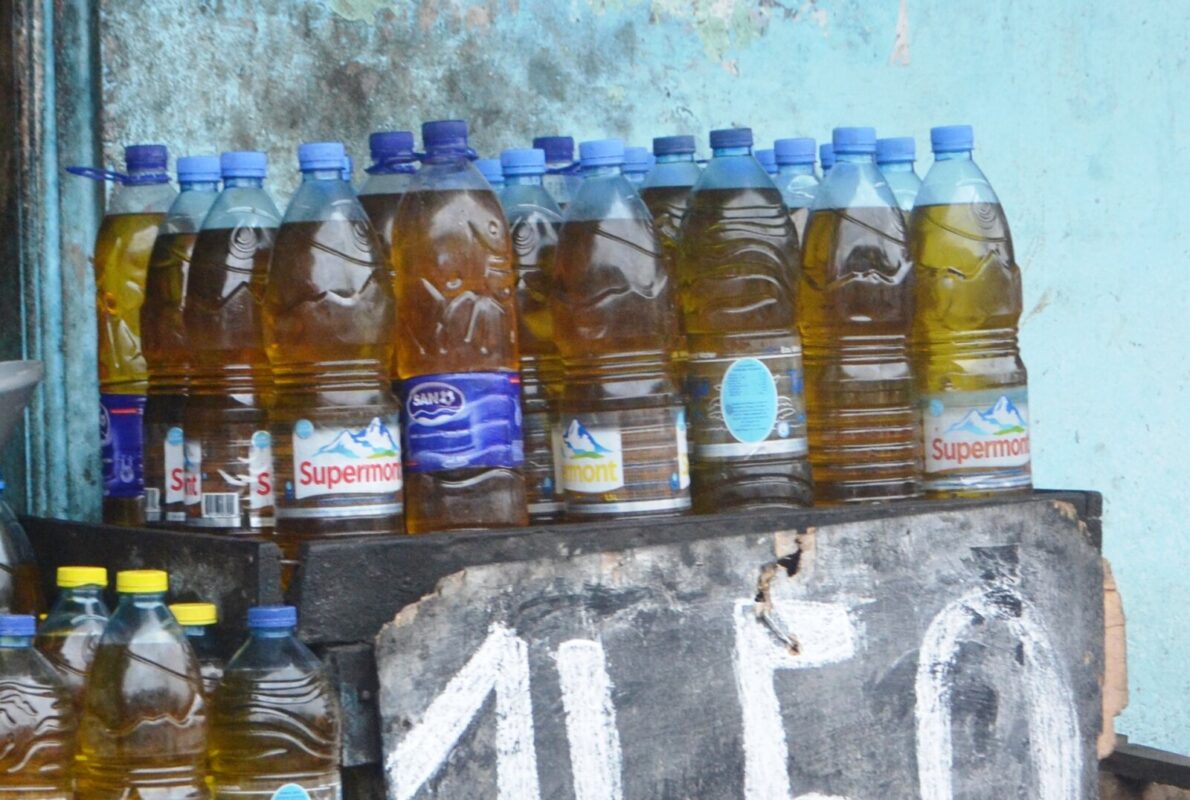
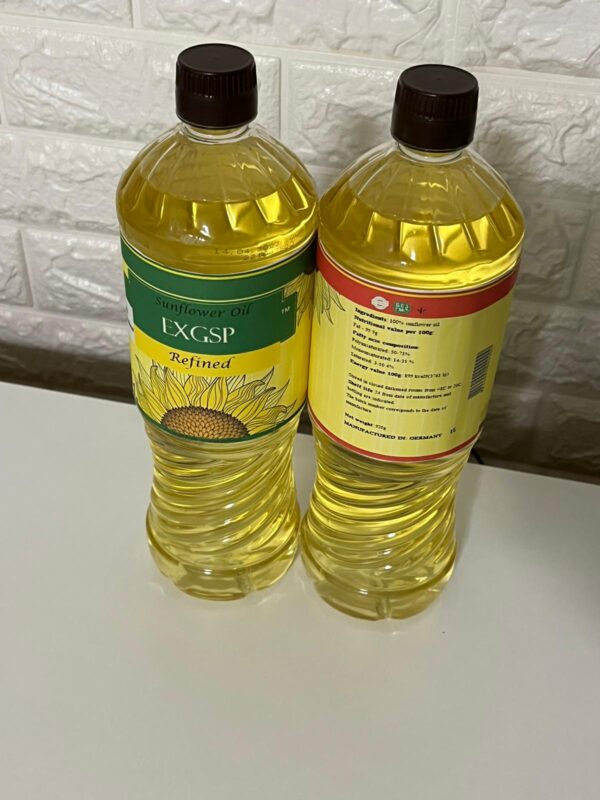
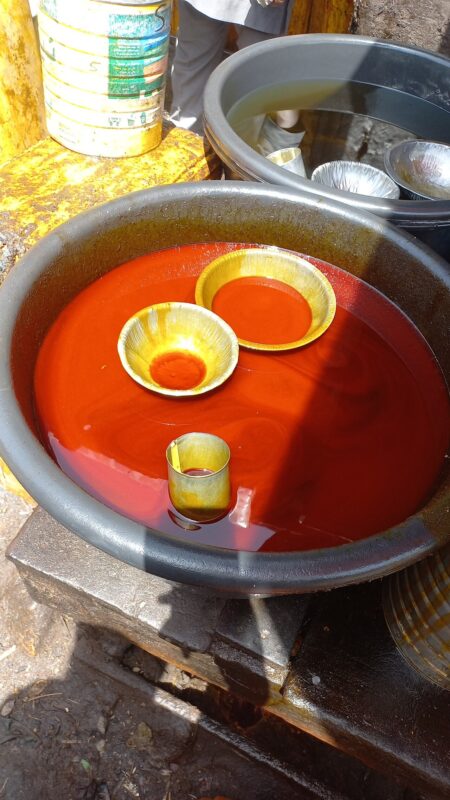
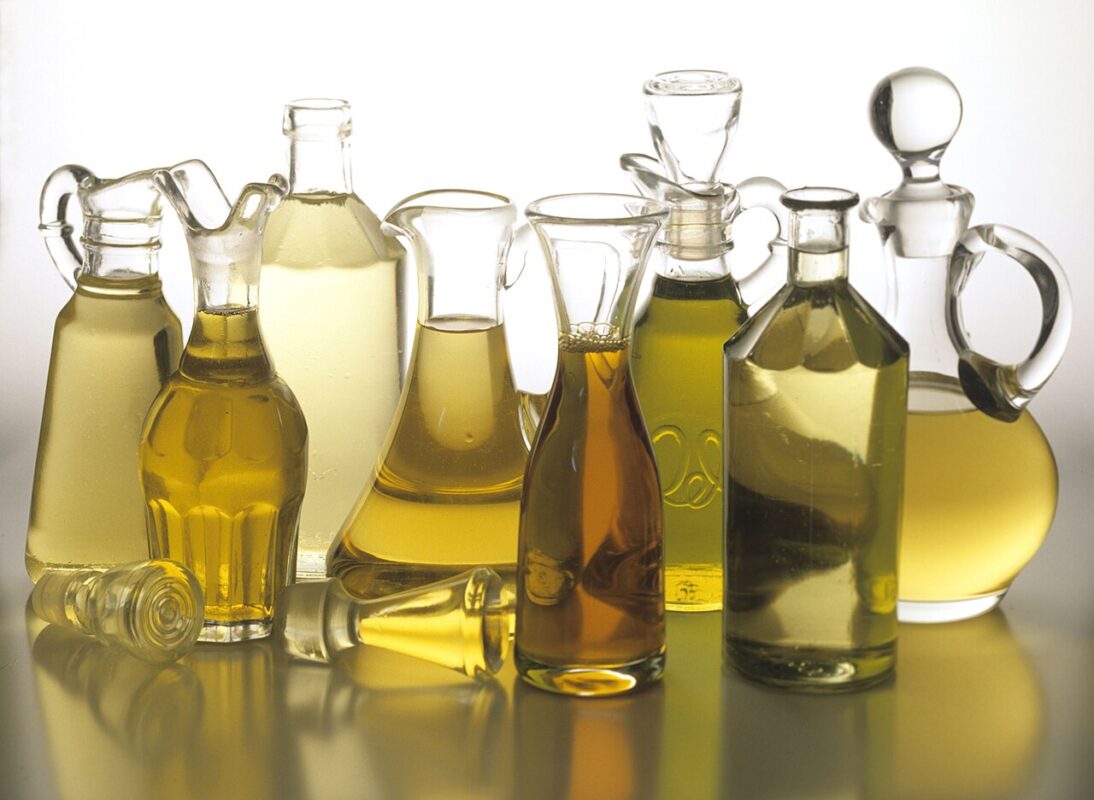
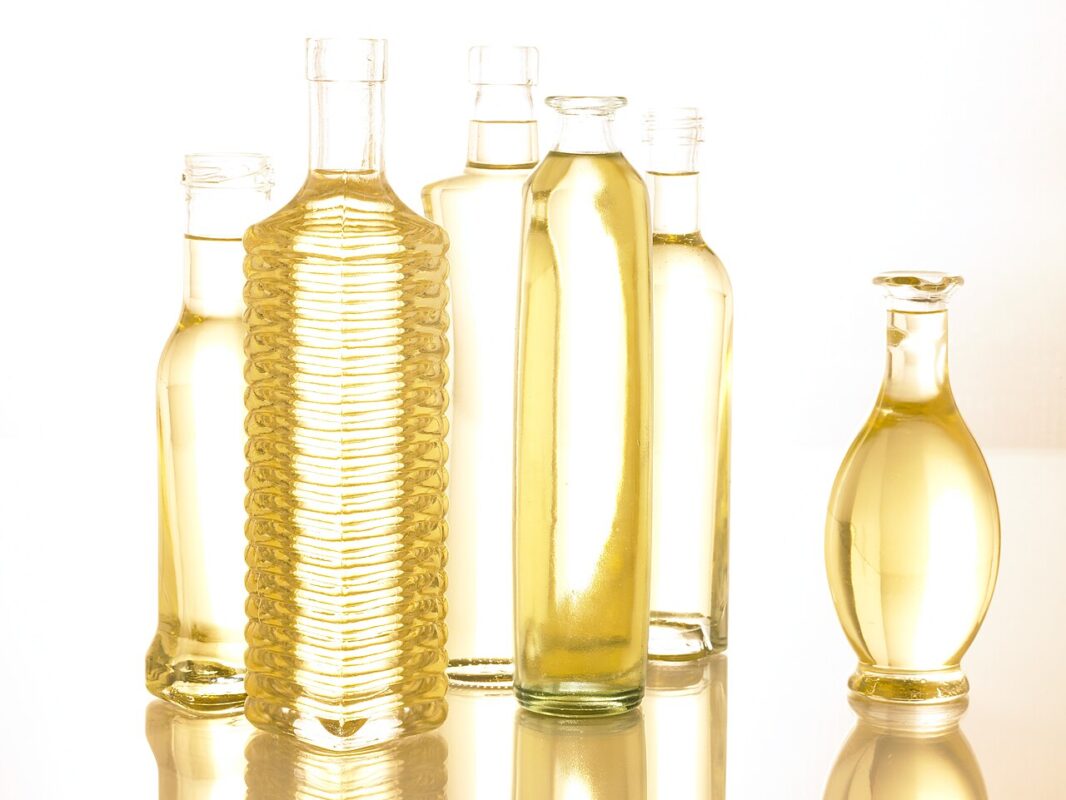
A cooking oil repackaging business is one of the simplest ways into the edible oil trade. You buy refined oil in bulk, fill it into bottles or jerrycans under your own brand, and sell it to shops, restaurants and wholesalers near you. No crushing plant, no refinery, no seeds. Just good oil, clean packing and steady customers. That is why a cooking oil repackaging business is often the first step for traders who want their own brand.
We supply refined oils in bulk to repackers in many countries, so we see the trade from the supplier side every week. Some of our customers started with one second-hand filling machine and a rented room. A few of them now run three filling lines. This guide is what we tell new buyers when they ask how a cooking oil repackaging business really works, what it costs, where the money is made, and where people lose it.
At the end you’ll find the oils we sell for repacking, with their specifications, packing options and how to order a first container.
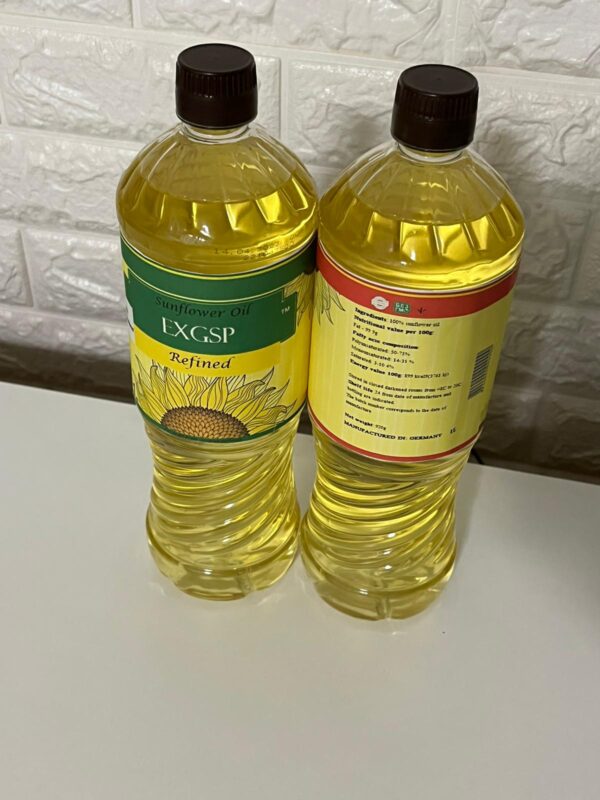
Table of Contents
What a Cooking Oil Repackaging Business Actually Does
The idea is simple. Refined oil is cheaper per litre when you buy it by the tonne in a flexitank, ISO tank, IBC or drums. Shoppers and small restaurants don’t buy by the tonne. They buy a 1 litre bottle, a 5 litre bottle or a 20 litre jerrycan. A cooking oil repackaging business sits between those two worlds and earns the difference, minus packing, labour, transport and losses.
In practice the work is:
- Buying refined oil in bulk from a refiner or exporter
- Receiving it and storing it in clean food-grade tanks
- Filtering it and filling it into bottles, jerrycans or tins
- Capping, sealing, labelling and date coding each pack
- Packing cartons and selling them to your customers
You are not changing the oil. You’re keeping it as good as it arrived, and getting it to people in the size they want. That point matters later, because most quality problems in a cooking oil repackaging business come from storage and handling, not from the oil itself.
Why Repacking Makes Sense in Many Markets
In a lot of countries, packed oil on the shelf is imported in bottles from far away. That means paying freight on plastic, cartons and air. A 20 foot container holds roughly 20 to 22 tonnes of oil in a flexitank, but noticeably less when the same oil is packed in 1 litre bottles in cartons. We explain the numbers in our guide on how much cooking oil fits in a 20ft container.
So a local cooking oil repackaging business has a cost advantage on freight right away. It also has other advantages:
- You can pick the pack sizes your market wants, and change them quickly
- You can print a local brand, in local languages, with local registration numbers
- You can sell fresh stock, with recent filling dates
- You can deliver small orders fast, without waiting for a ship
The trade-off is that you take on the responsibility of a food business. You need a clean site, trained people, records and the right permits. If you’re not ready for that, buying finished packed oil from us under your brand (private label) is the other route. We cover that choice further down.
Picking the Right Oil to Repack
Your customers decide which oil you should fill. Here’s how the main refined oils behave in a cooking oil repackaging business.
Refined sunflower oil
Light colour, clean taste, liquid at normal room temperature. It sells well in retail bottles because shoppers like how clear it looks. It’s sensitive to light, so we suggest tinted bottles or a carton for long shelf times. See our refined sunflower oil specification for the numbers.
Refined soybean oil
Often the cheapest liquid oil per tonne, widely used in homes and food service. Neutral taste. Good for a price-led brand.
Refined palm olein (CP8 and CP10)
The workhorse frying oil in hot countries. It’s stable in the fryer and well priced. The catch is cloud point: CP10 can turn cloudy in a cool room, so in cooler climates CP8 is the safer choice for clear bottles. Our post on CP8 vs CP10 palm oil explains it.
RBD canola oil
Popular where shoppers ask for low saturated fat. Mild taste, good for salads and general cooking.
High oleic sunflower oil
The premium frying option for restaurants that want longer fryer life. Higher price, but it lasts.
RBD coconut oil
Solid below about 24 C, so it’s normally packed in jars or wide-mouth jerrycans, not narrow bottles. Strong demand from bakeries and some regional cuisines.
Most people starting a cooking oil repackaging business begin with one or two oils. A typical first mix is palm olein for food service and sunflower or soybean for retail.
Licences and Registration
The rules change from country to country, so we won’t pretend there’s one checklist for the whole world. What we can say is that almost every cooking oil repackaging business needs some version of the following:
- A business registration and tax number
- A food business licence or permit for the premises
- Product registration for each brand and pack, with the food authority
- A label that meets local labelling law
- Import permits if you are bringing the bulk oil in yourself
- Sometimes a standards mark or certificate from the national standards body
If you plan to ship packed oil into the United States, for example, the facility has to be registered with the FDA. Their page on food facility registration is a good example of what regulators expect. Other countries have their own versions.
On the oil side, food authorities usually refer to the Codex standards for named vegetable oils, published by the Codex Alimentarius Commission. Every bulk lot we ship comes with a certificate of analysis checked against those limits, which helps when you register your product. Our guide to the Codex standard for named vegetable oils explains what those limits are.
Setting Up the Site
You don’t need a big factory, but the room needs to be right. A cooking oil repackaging business is a food plant, even a small one.
- Smooth, washable floors and walls
- Good lighting and a roof that doesn’t leak
- Screens or doors to keep insects, birds and rodents out
- A separate area for empty bottles and cartons
- Hand washing points for staff
- A dry, cool, shaded area for finished goods
- Easy truck access for bulk delivery
Keep chemicals, fuel and cleaning products far away from the oil in your cooking oil repackaging business. Oil picks up smells easily, and a drum of diesel in the corner can taint a whole tank.
Equipment You’ll Need
Here’s the basic equipment list for a small to medium line. Prices vary a lot by country and brand, so treat this as a list of what to buy, not a quote.
| Equipment | What it does | Notes |
|---|---|---|
| Storage tanks | Hold bulk oil before filling | Stainless steel 304 or food-grade lined, with lids |
| Transfer pump | Moves oil from tank to filler | Food-grade, gentle on the oil |
| Bag or cartridge filter | Removes any particles | Fit before the filler |
| Filling machine | Fills bottles or jerrycans to volume | Piston or gravity type for small lines |
| Capping machine | Tightens caps evenly | Manual for small runs, automatic later |
| Induction sealer | Seals foil under the cap | Stops leaks and shows tampering |
| Labeller | Applies labels | Hand roller to start, semi-auto later |
| Date coder | Prints batch and dates | Inkjet or hot stamp |
| Weighing scale | Checks fill weight | Calibrated |
A lot of people start a cooking oil repackaging business with a semi-automatic piston filler, a hand capper and an induction sealer. That setup can fill a few thousand bottles a day with three or four people. When sales grow, you move to an automatic line.
Tanks and heating
If you plan to repack palm olein or coconut oil in a cooler climate, plan for gentle heating. Coconut oil and some palm grades go solid or cloudy when it’s cold. Warm water jackets or low-temperature heating coils are fine. Never overheat the oil to speed things up. Heat damages it and raises free fatty acids over time.
Hygiene and cleaning
Tanks should be drained and cleaned between lots, especially when you change oil type. Don’t wash tanks with water and leave them wet, because water left in a tank speeds up rancidity. Dry them properly.
Buying Bulk Oil for a Cooking Oil Repackaging Business
This is where most of the money in a cooking oil repackaging business goes, so it’s worth getting right.
How bulk oil is shipped
Refined oil reaches repackers in a few ways:
- Flexitank in a 20 foot container, about 20 to 22 tonnes. Cheapest per tonne. You need a tank and pump at your end to unload.
- ISO tank, about 21 to 24 tonnes. Stainless, very clean, but you have to return the tank.
- IBC totes of about 1,000 litres. Easy to handle with a forklift. Good for small buyers.
- Drums of about 190 kg. Easy to move by hand truck, but more packing cost.
Our comparison of flexitank vs ISO tank covers the details.
How much to order
One 20 foot container is the normal starting point, and it’s also our usual minimum. If that’s too much for your first run, a container can carry IBCs or drums of two different oils. Our page on minimum order quantity for bulk cooking oil goes through the options.
What to check before you pay
- A certificate of analysis for the actual lot, not a generic one
- Free fatty acid, peroxide value, moisture, colour, iodine value and the right fatty acid profile
- Halal, ISO 22000 or HACCP certificates if your market needs them
- Clear payment terms and shipping terms
Read our certificate of analysis for edible oil guide before your first order. It’s the one document that protects a cooking oil repackaging business from bad oil.
Packaging Choices
The pack is half your brand. Here’s what most people in the cooking oil repackaging business use.
PET bottles
Clear, light, cheap per bottle, good for retail. Sizes from 0.5 to 5 litres. Choose a good cap with a tamper ring and an induction seal.
HDPE jerrycans
Tough, opaque, good for food service. Sizes 5, 10, 18, 20 and 25 litres.
Tins
Common in the Middle East and parts of Asia, usually 16 to 18 litres. Strong protection from light, but more expensive.
We compare the first two in PET bottle vs jerrycan cooking oil packaging. One small tip: buy your bottles and caps from one supplier and test them together. A cheap cap that doesn’t fit the neck well will leak in every truck you send out.
Labelling
Your label has to follow local law. In most places that means:
- Product name, with the real oil type, for example “Refined Sunflower Oil”
- Net volume or weight
- Ingredients, where required
- Name and address of the packer
- Batch number, production date and best before date
- Storage instructions
- Registration number, if your country uses one
- Nutrition information, where required
Don’t call a blend by the name of one oil. If you mix palm olein with soybean oil, the label has to say it’s a blend, and usually give the proportions. Mislabelled oil is one of the fastest ways to lose the licence for a cooking oil repackaging business.
Quality Control in a Cooking Oil Repackaging Business
You don’t need a full laboratory to start. You need a few simple habits and a reliable outside lab for spot checks.
On arrival
- Check the seal numbers match the documents
- Take a sample from the top, middle and bottom
- Look at colour and clarity, and smell it
- Keep a retained sample from each lot
- Send a sample to a lab for FFA and peroxide value if you can
During storage
- Keep tanks covered and full where possible
- Keep storage out of the sun
- Use the oil that arrived first, first
During filling
- Check fill volume every hour
- Check caps and seals on a few packs from each batch
- Write down the batch number, the bulk lot it came from, and the date
That last point is traceability. If a customer complains, you need to know which bulk lot went into which bottles. It’s also what food inspectors ask any cooking oil repackaging business for first.
If you want to understand the numbers on a COA, our post on free fatty acid and peroxide value explains them in plain language.
Costs and Margins
Every buyer planning a cooking oil repackaging business asks us what they can earn. The honest answer is that it depends on your market, but the way to calculate it is always the same. Here’s a simple worked example with round numbers. They’re only there to show the method.
| Item | Per tonne of oil |
|---|---|
| Bulk refined oil delivered to your site | Your purchase price |
| Bottles, caps, seals, labels, cartons | Packing cost |
| Labour | Wages divided by tonnes filled |
| Power, rent, cleaning | Overheads divided by tonnes filled |
| Losses (spills, leaks, rejects) | Usually 0.5% to 1% of the oil |
| Delivery to customers | Transport cost |
| Total cost per tonne | Sum of the above |
Then divide by the litres you get from a tonne. Refined oil weighs about 0.91 to 0.92 kg per litre, so a tonne gives roughly 1,090 litres. Our page on how many liters in a ton of vegetable oil gives the exact factors for each oil.
Compare your cost per litre with the shelf price of imported packed brands in your market. If you can sell at or just under those prices and still keep a margin after everything, the cooking oil repackaging business works. If your margin only exists when you ignore losses and transport, it doesn’t.
Most of our customers say the biggest swing factor in a cooking oil repackaging business is the bulk oil price. Oil prices move with crop sizes, freight and currency. Buying on a contract for several months, rather than one container at a time, smooths that out.
Selling Your Oil
The product is only half of it. A cooking oil repackaging business lives or dies on sales. Some channels that work well:
- Small shops and market traders. They want 1 litre and 5 litre bottles, good margins and credit terms.
- Supermarkets. They want consistent quality, barcodes, proper registration and reliable delivery. They pay slower.
- Restaurants, hotels and caterers. They want 18 to 20 litre jerrycans or tins, frying stability and steady price.
- Food factories. Bakeries, snack makers and noodle plants buy in drums or IBCs.
- Wholesalers and distributors. They take volume, but squeeze margin.
Our guide on how to start a cooking oil distribution business covers the selling side in more depth.
Common Mistakes We See
These come straight from conversations with customers running a cooking oil repackaging business.
- Buying the cheapest bulk oil without a lot COA. It’s the most expensive mistake there is.
- Storing oil in a hot, sunny yard. Shelf life drops fast.
- Using cheap caps. Leaks ruin cartons and customer trust.
- No traceability. One complaint and you can’t find the cause.
- Wrong grade for the climate. CP10 in a cold market looks cloudy and shoppers think it’s bad.
- Mixing oils and calling it one oil. That’s adulteration in the eyes of the law. Our guide on how to detect adulterated cooking oil shows how inspectors check.
- Running out of stock. Shops switch brands quickly. Plan your bulk orders ahead.
If you’re worried about where your bulk oil comes from, read our list of fake vegetable oil supplier warning signs. Scams in bulk oil are real, and new buyers are the main targets.
Repacking or Private Label: Which Is Better?
Some buyers come to us planning a cooking oil repackaging business, and after we talk through the numbers they decide to start with private label instead. That means we fill the oil into your bottles or jerrycans, with your label, here at our plant, and you import finished goods.
| Point | Your own repacking | Private label from us |
|---|---|---|
| Investment | Tanks, filler, site | Almost none |
| Freight cost per litre | Lower (bulk) | Higher (packed) |
| Speed to market | Slower, needs set-up | Faster |
| Control over pack sizes | Full | Good, by order |
| Licences | Food plant licence needed | Importer licence |
| Margin | Higher once running | Lower but simpler |
A common path is to start with private label to build the brand, then turn it into a full cooking oil repackaging business once volumes justify it. We support both. Our private label vegetable oil page explains how that service works.
Our Oils for Your Cooking Oil Repackaging Business
Here are the oils we sell to every cooking oil repackaging business we work with, with our standard specifications. Every lot is produced under ISO 22000, HACCP and GMP with Halal certification, and comes with its own COA.
| Oil | FFA | Peroxide value | Moisture | Key spec | Bulk packing |
|---|---|---|---|---|---|
| Refined sunflower oil | 0.1% max | 2.0 meq/kg max | 0.05% max | Iodine value 118 to 141 | Flexitank, IBC, drums |
| Refined soybean oil | 0.1% max | 2.0 meq/kg max | 0.05% max | Iodine value 124 to 139 | Flexitank, IBC, drums |
| Refined palm olein CP10 | 0.1% max | 2.0 meq/kg max | 0.1% max | Cloud point 10 C max | Flexitank, ISO, drums |
| Refined palm olein CP8 | 0.1% max | 2.0 meq/kg max | 0.1% max | Cloud point 8 C max | Flexitank, ISO, drums |
| RBD canola oil | 0.1% max | 2.0 meq/kg max | 0.05% max | Erucic acid under 2% | Flexitank, IBC |
| High oleic sunflower oil | 0.1% max | 2.0 meq/kg max | 0.05% max | Oleic acid 75% min | IBC, drums |
| RBD coconut oil | 0.1% max | 1.0 meq/kg max | 0.1% max | Iodine value 7 to 11 | Drums, IBC |
We can also supply the same oils already packed in PET bottles from 0.5 to 5 litres, jerrycans from 5 to 25 litres and 18 litre tins, plain or with your label. Mixed containers are fine.
What you get with every order
- Lot certificate of analysis
- Halal and food safety certificates
- Certificate of origin, packing list, invoice and bill of lading
- Fumigation or health certificate where your country asks for it
- A retained sample kept at our plant
How to Order Your First Container
- Tell us which oil, how much, and your destination port.
- Ask for a sample. Our guide on how to request edible oil samples explains how.
- We send a quote on CIF or FOB terms, with the full specification.
- You confirm, and we agree payment by letter of credit or TT.
- We produce, test, load and send you the documents.
Bulk oil prices move a lot from month to month. Our cooking oil price forecast 2027 explains what is driving them.
FAQs on the Cooking Oil Repackaging Business
How much money do I need to start a cooking oil repackaging business?
It depends on your country, but the biggest single cost is usually the first container of oil, not the machines. A small semi-automatic line costs far less than one container of refined oil.
Can I repack oil at home?
In most countries, no. Food authorities require a licensed, inspected site for filling edible oil.
Which oil is easiest for a beginner?
Refined palm olein or soybean oil. For a new cooking oil repackaging business they’re forgiving, widely sold and well priced.
How long does repacked oil last?
With good oil, clean filling and shaded storage, 12 to 18 months is normal for refined liquid oils.
Do you sell smaller quantities than a full container?
Our normal minimum is one 20 foot container, but it can be split between two oils in IBCs or drums.
Can you print my brand on the bottles?
Yes. We offer private label filling if you’d rather import finished packs.
Talk to Us About Bulk Oil for Repacking
If you’re planning a cooking oil repackaging business, send us your market, the oils you’re thinking about and your port. We’ll suggest a starting mix, send current prices, the full specification and a sample COA. Email info@dthcompanyltd.com, WhatsApp +66 91 765 9104, or use our contact page. You can also browse our product range or read more about us.