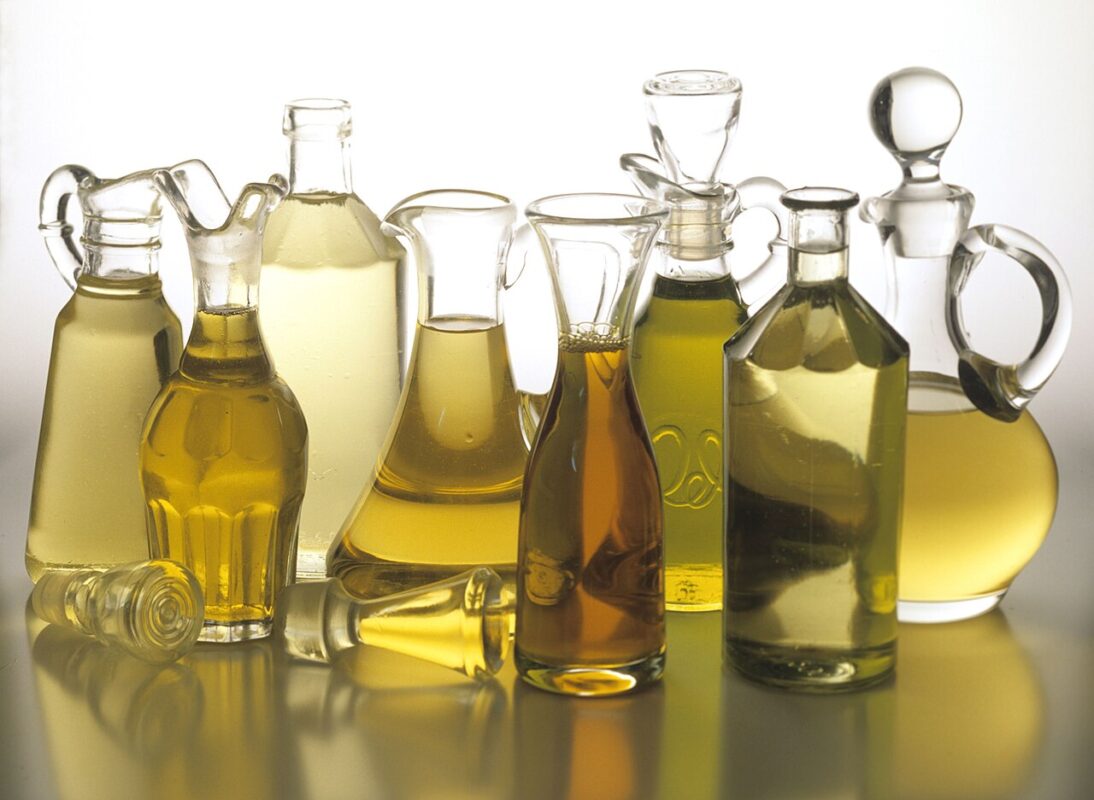
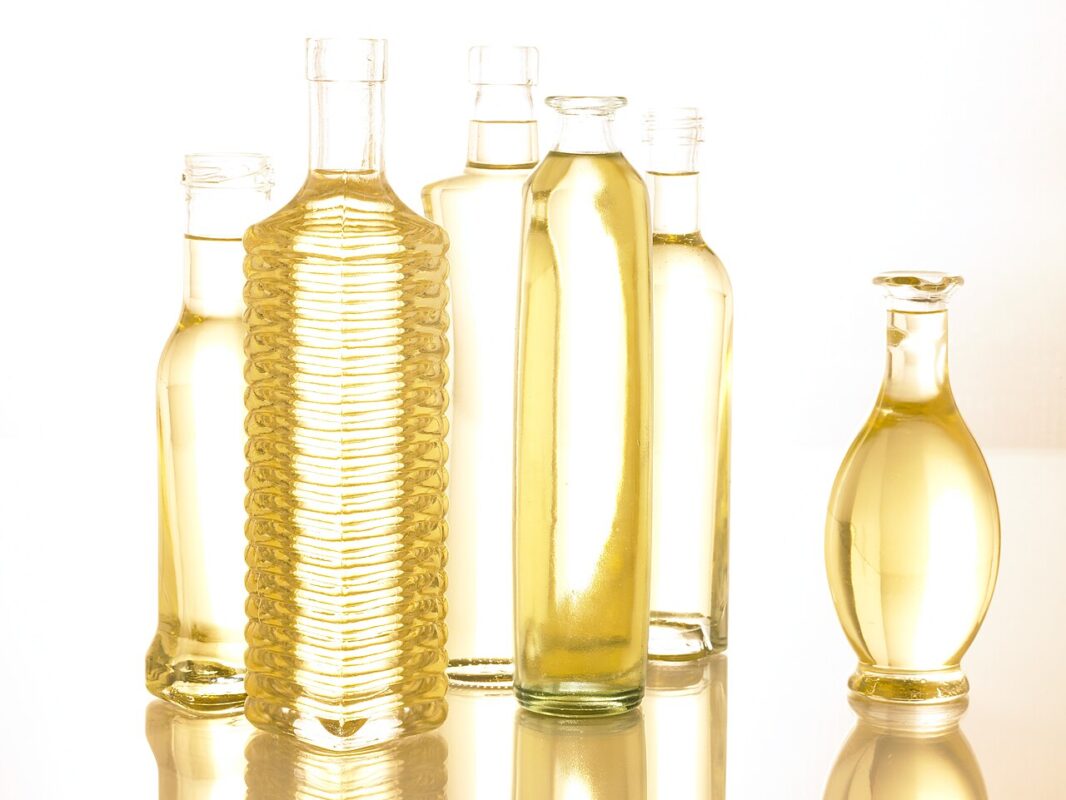
If you run a wholesale business, a supermarket chain, a restaurant group or a food plant and you need a cooking oil supplier Jamaica buyers can rely on, you’re in the right place. We sell refined soybean oil, RBD palm olein, refined sunflower oil, canola oil and blended vegetable oil, packed in bottles, 20 litre jerrycans, drums or flexitanks, and shipped CIF Kingston or Montego Bay. Below you’ll find the actual specs, the pack sizes, what shipping looks like and how to get a price that doesn’t change the minute you say yes.

I’ve been around the edible oil trade long enough to know that most buyers don’t want a sales pitch. They want to know three things: is the oil good, will it arrive on time, and is the price fair. So that’s what this page is about. If you’ve been let down by a cooking oil supplier Jamaica traders recommended to you before, read on and compare.
Table of Contents
Why Jamaica Buyers Look Abroad for Cooking Oil
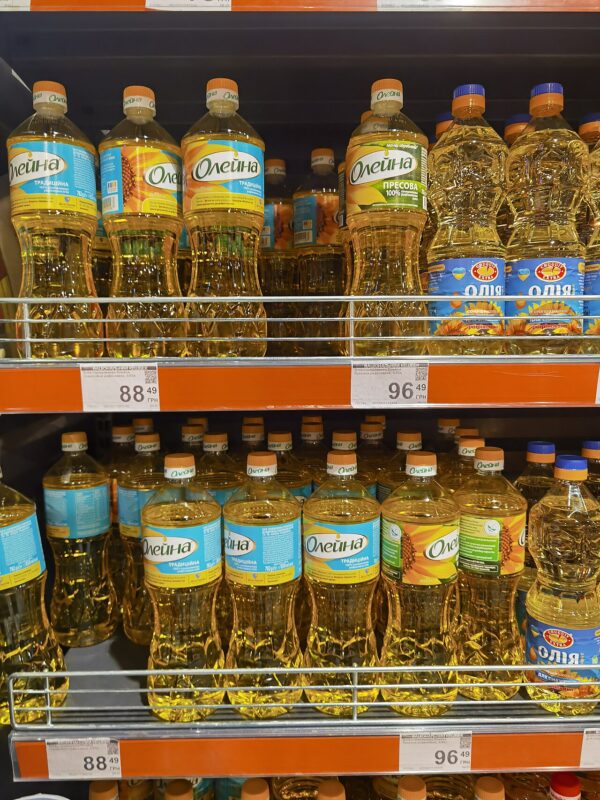
Jamaica eats a lot of fried food. Festival, fried dumplings, escovitch fish, fried chicken, plantain. Every cookshop, jerk centre and patty bakery goes through oil every single day. But the island doesn’t grow soybeans, sunflower or oil palm in any real volume, so almost all of the oil on the market comes in by sea, either as crude oil for local refining or as finished, packed oil.
That’s the gap we fill as a direct cooking oil supplier Jamaica importers can call. As a direct exporter, we sit closer to the refinery than a local middleman does. When you buy from a cooking oil supplier Jamaica distributors source from overseas, you cut out at least one layer of margin. On a 20 foot container that can be a real difference, sometimes enough to pay for the freight.
The other reason is choice. Local stock is often whatever the importer happened to bring in. If you want a specific pack size, your own label, or a particular oil for frying, buying direct gives you control over all of that.
Cooking Oil Supplier Jamaica: The Oils We Sell
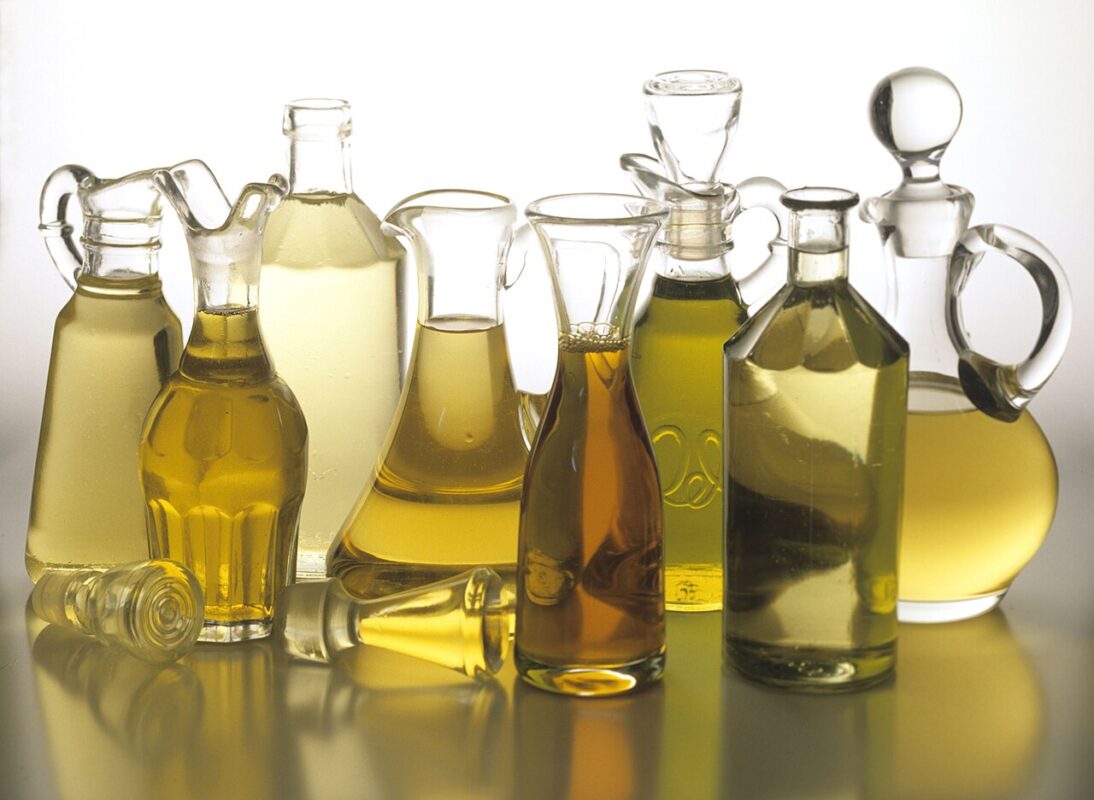
Here’s the range we ship to Jamaican buyers. All of it is food grade, refined, bleached and deodorized, and comes with a certificate of analysis for each lot.
- Refined soybean oil: the everyday cooking oil for most Caribbean households. Light colour, neutral taste, stays liquid in any weather. See our full refined soybean oil page.
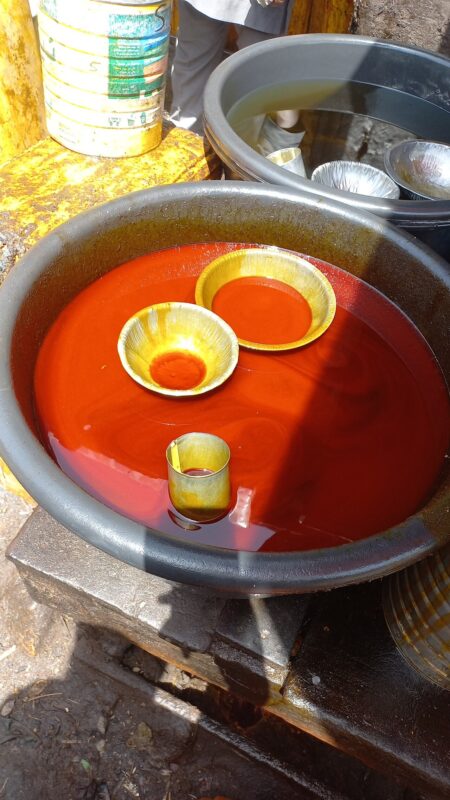
- RBD palm olein (CP10 and CP8): the frying workhorse. Long fry life, cheaper per tonne, and in Jamaica’s warm climate it stays clear in the bottle. Details on our refined palm oil CP10 page.
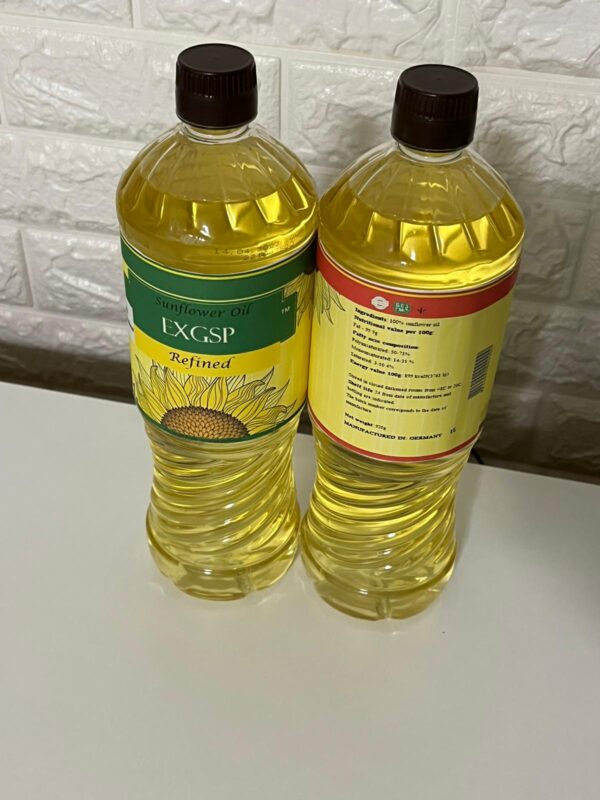
- Refined sunflower oil: lighter taste, popular with supermarkets and health-conscious shoppers. More on refined sunflower oil.
- Refined canola oil: low in saturated fat, liked by hotels and resorts on the north coast. See refined canola oil.
- Vegetable oil blends: soy and palm olein mixed to hit a lower price point while staying clear on the shelf.
- Coconut oil: RBD and virgin grades for bakeries, cosmetics makers and the health food shelf.
Most of our Jamaican customers start with one or two oils and add more once they’ve seen how the first container sold. That’s the sensible way to do it.
Specifications for Our Main Oils
These are the numbers we guarantee at loading. Any cooking oil supplier Jamaica buyers deal with should be able to put numbers like these in writing. If your buyer, your lab or the regulator asks for something tighter, tell us before we contract and we’ll confirm whether the refinery can hit it.
Refined Soybean Oil
| Parameter | Specification |
|---|---|
| Free fatty acid (as oleic) | 0.10% max |
| Peroxide value | 2.0 meq O2/kg max at loading |
| Moisture and volatile matter | 0.05% max |
| Colour (Lovibond 5¼ inch) | Red 2.0 max, Yellow 20 max |
| Iodine value (Wijs) | 124 to 139 |
| Cold test | Clear after 5.5 hours at 0 °C |
| Smoke point | About 230 °C |
| Odour and taste | Bland, neutral |
RBD Palm Olein CP10
| Parameter | Specification |
|---|---|
| Free fatty acid (as palmitic) | 0.10% max |
| Moisture and impurities | 0.10% max |
| Iodine value (Wijs) | 56 min |
| Cloud point | 10 °C max |
| Slip melting point | 24 °C max |
| Colour (Lovibond 5¼ inch) | 3.0 Red max |
| Peroxide value at loading | 2.0 meq/kg max |
Refined Sunflower Oil
| Parameter | Specification |
|---|---|
| Free fatty acid (as oleic) | 0.10% max |
| Peroxide value | 2.0 meq O2/kg max at loading |
| Moisture and volatile matter | 0.05% max |
| Iodine value (Wijs) | 118 to 141 |
| Cold test | Clear after 5.5 hours at 0 °C (winterized) |
| Colour (Lovibond 5¼ inch) | Red 2.0 max, Yellow 20 max |
Our oils are produced to the Codex standard for named vegetable oils. If you want to read the standard itself, it’s published by the Codex Alimentarius Commission. Analysis methods follow AOCS procedures, which is what most labs in the region use too.
A quick word on what these numbers mean in your kitchen or on your shelf. Low free fatty acid and low peroxide mean the oil is fresh and won’t smell or foam early in the fryer. A good cold test means the oil won’t go cloudy in a chilled display. And the iodine value tells you roughly how stable the oil is. Palm olein has a low one, which is exactly why it lasts longer in a deep fryer than soybean oil. If you want to go deeper, our guide to the refined soybean oil specification breaks every line down.
Pack Sizes That Work in Jamaica
A good cooking oil supplier Jamaica retailers trust has to offer the packs that actually sell on the island. From what we see, these are the ones that move:
| Packing | Approx. per 20ft container | Who buys it |
|---|---|---|
| 1 litre PET bottle (12 per carton) | About 1,500 cartons | Supermarkets, wholesalers, corner shops |
| 3 litre PET bottle (6 per carton) | About 1,250 cartons | Family size retail |
| 5 litre PET bottle (4 per carton) | About 2,000 cartons | Retail and small cookshops |
| 20 litre jerrycan | About 1,000 jerrycans | Restaurants, jerk centres, bakeries |
| 18 litre tin | About 1,100 tins | Food service |
| 190 kg steel drum | 80 drums | Food factories, snack makers |
| Flexitank | About 21 MT | Local bottlers and refiners |
The 20 litre jerrycan is the one I’d point most food service buyers to. It’s easy to handle, it stacks well, and it’s the size a busy fry kitchen goes through in a few days. If you’re still deciding between bottles and drums, our article on PET bottle vs jerrycan packaging walks through the costs.
Flexitanks are worth a look if you already bottle locally. You get the lowest cost per tonne by far, but you need a tank or a way to unload quickly at the other end. We’ve written up how to unload oil from a flexitank so you know what you’re getting into.
Private Label for Jamaican Brands
Plenty of our customers don’t want our label on the bottle. They want theirs. That’s fine. As a cooking oil supplier Jamaica brand owners work with, we can print your artwork on bottles, cartons and jerrycan labels, with the nutrition panel and ingredient list laid out the way the island’s labelling rules expect.
A few practical tips from doing this many times:
- Send final artwork early. Printing plates and label runs take time, usually the longest lead item on a first order.
- Get your labelling checked locally. The Bureau of Standards Jamaica sets the rules for prepackaged food labels, and your customs broker will know what gets queried at the port.
- Keep one design for a few orders. Changing the label every container slows everything down and costs you money.
If you want to read more about building your own brand, see our private label vegetable oil guide.
How Shipping to Kingston Works
Most of our Jamaica cargo goes into Kingston, which handles the island’s main container traffic. Some buyers on the north coast prefer Montego Bay. The Port Authority of Jamaica runs both.
Here’s the usual timeline once a contract is signed:
- Deposit or LC arrives and we confirm the production slot.
- Oil is refined, packed and labelled. Allow two to three weeks, a bit longer for a first private label run.
- The container is loaded, sealed and gated in. You get the bill of lading draft to check.
- Ocean transit to Kingston, usually five to seven weeks depending on the carrier and transshipment hub.
- Original documents are couriered or released, and your broker clears the goods.
For most cooking oil supplier Jamaica deals we quote CIF Kingston, which means we book the freight and insure the cargo to your port. Some buyers prefer FOB because they have a freight forwarder with good rates. Both work. If you’re not sure which is better for you, our guide on CIF vs FOB for vegetable oil explains the trade-offs in plain terms.
Documents You’ll Receive
Customs holdups cost money. Any cooking oil supplier Jamaica importers use should send a full set of papers, and this is what comes with every shipment from us:
- Commercial invoice and packing list
- Bill of lading
- Certificate of origin
- Certificate of analysis for the lot
- Health or phytosanitary certificate where required
- Halal certificate on request
- Fumigation or container cleanliness certificate if asked
The full checklist is on our page about documents required to import vegetable oil. Share it with your broker before the first shipment and you’ll save yourself a few phone calls.
Who Buys From a Cooking Oil Supplier Jamaica Side
Our buyers on the island fall into a few groups, and each one wants something a bit different:
Wholesalers and distributors. They want 1, 3 and 5 litre bottles in mixed containers, steady pricing and someone who answers the phone. A mixed load lets them test three sizes without tying up cash in one.
Supermarkets. They care about the label, the shelf life and the clarity of the oil in the bottle. Sunflower and canola move well here.
Restaurants, hotels and cookshops. They want 20 litre jerrycans of palm olein or soybean oil and they want it to last in the fryer. Fry life is money to them.
Food manufacturers. Snack makers, bakeries and sauce plants buy drums or flexitanks and ask for tight specs.
Bottlers. They buy bulk and pack locally under their own brand.
Whichever group you’re in, a good cooking oil supplier Jamaica buyers can lean on should understand your business, not just quote a price per tonne.
What Drives the Price
I get asked “what’s your price?” all the time, and the honest answer is that it moves every week. Any cooking oil supplier Jamaica buyers talk to who promises a fixed price for months ahead is either padding it or guessing. Vegetable oil is traded globally and follows soybean, palm and sunflower futures, freight rates and exchange rates. Here’s what pushes your landed cost up or down:
- Which oil. Palm olein is usually the cheapest, soybean in the middle, sunflower and canola higher.
- Packing. Bulk is cheapest per tonne. Small bottles cost the most because of plastic, cartons and labour.
- Volume. One container versus a monthly programme makes a big difference.
- Freight. Caribbean rates swing with the season and the carrier.
- Payment terms. LC at sight costs a little more to arrange than TT but protects both sides.
If you want the bigger picture on where prices are heading, our cooking oil price forecast covers it, and palm oil wholesale price factors goes into the palm side in detail.
7 Proven Tips for Buying From a Cooking Oil Supplier Jamaica Importers Trust
These come from years of seeing deals go well and go badly.
1. Start with a trial container
Don’t commit to a year on day one. Order one mixed container, check the quality, see how fast it sells and then scale up.
2. Ask for the COA before loading, not after
A serious cooking oil supplier Jamaica buyers use will send the certificate of analysis before the container leaves. If someone can only show it after you’ve paid in full, be careful.
3. Match the oil to the job
Palm olein for deep frying, soybean or sunflower for the retail shelf, canola for health-focused buyers. Our cooking oil smoke point chart helps you choose.
4. Check the contract terms
We’re happy to work on FOSFA terms, which are the standard for oils and fats. They set out quality, weight and dispute rules both sides understand.
5. Watch out for fake offers
If a price looks far below market, it usually is too good to be true. Read our warning signs in how to spot a fake vegetable oil supplier.
6. Plan around the shipping calendar
Hurricane season runs from June to November and can delay sailings. Keep a few weeks of extra stock on hand during those months.
7. Talk to a real person
The best cooking oil supplier Jamaica relationships are built on phone calls and WhatsApp messages, not just emails. You should know who handles your order.
Quality Control From Refinery to Port
Quality isn’t one test at the end. It’s a chain. Here’s what happens to your oil before it leaves us, and what you should expect from any cooking oil supplier Jamaica buyers trust:
- Each refinery batch is sampled and tested for free fatty acid, peroxide value, moisture, colour and iodine value.
- Bottles and jerrycans are checked for leaks, cap torque and label position.
- Containers are inspected for cleanliness and odour before loading. Oil picks up smells easily, so this matters more than people think.
- Flexitanks are new for every shipment and fitted by trained crews.
- We can arrange independent inspection by SGS, Intertek or a surveyor of your choice at your cost.
Our refinery partners hold HACCP and ISO 22000 systems. You can read about why that matters in our HACCP certified cooking oil manufacturer post.
Storage Tips Once It Lands
Good oil from even the best cooking oil supplier Jamaica has access to can still go off if it’s stored badly. A few basics:
- Keep it out of direct sun. A hot zinc-roof warehouse in August will age oil faster.
- Rotate stock, first in, first out.
- Keep caps tight and jerrycans off the floor.
- Don’t store next to fuel, chemicals or strong-smelling goods.
Properly stored, refined soybean and sunflower oil hold their quality for 12 to 18 months. There’s more on that in our shelf life of cooking oils guide.
Payment Terms We Accept
We keep payment with our cooking oil supplier Jamaica customers straightforward. For a first order, most buyers use an irrevocable letter of credit at sight or a deposit with the balance against copy documents. Once we’ve done a few containers together, we can talk about more flexible terms. We’ll never ask you to pay into a personal account. Every payment goes to our company account, and you can verify it with us by phone before you send anything.
Why Choose Us as Your Cooking Oil Supplier Jamaica Partner
There are plenty of names you can find online. Here’s why buyers stay with us:
- We ship worldwide and handle Caribbean freight every month.
- One contact person from quote to delivery.
- Full documents, every time.
- Mixed containers so you can test several products in one go.
- Private label done properly, not as an afterthought.
- Prices that hold for the validity period we state.
You can learn more about who we are on our about us page, or see the full product range. If you also supply neighbouring islands, our post on wholesale vegetable oil distributors in the Caribbean islands is worth a read, and so is bulk vegetable oil shipping across the Americas and Caribbean.
Soybean Oil or Palm Olein for Jamaican Kitchens?
This is the question I get most from restaurant owners on the island, so it deserves a straight answer.
If you fry all day, palm olein usually wins. It’s more stable under heat, it breaks down slower, and it costs less per tonne. A jerk centre or a fried chicken spot changing oil every two days instead of every day saves real money over a year. The flavour is neutral, so it won’t fight with your seasoning.
If you’re selling to households, soybean oil is the safer bet. Jamaican shoppers know it, it pours easily, and it looks clear and light in the bottle. It’s also the better choice for dressings, baking and gentle cooking at home.
Sunflower and canola sit at the top of the shelf. They sell on the health angle and on taste. Hotels and resorts in Negril, Ocho Rios and Montego Bay often ask for them because their guests expect it.
A lot of our buyers end up with a split container: palm olein in 20 litre jerrycans for the food service side and soybean oil in 1 and 5 litre bottles for retail. That’s a practical way to use one shipment for two markets. When you talk to any cooking oil supplier Jamaica distributors use, ask whether they’ll do that kind of split. We do it all the time.
One more thing on blends. A soy and palm olein blend can give you a lower shelf price while staying clear at room temperature in Jamaica’s climate. It isn’t right for every customer, but in price-driven neighbourhoods it sells. If you want the side-by-side numbers, our comparison of palm oil vs soybean oil goes into fry life, cost and nutrition.
Working With a Cooking Oil Supplier Jamaica Side: What the First Order Looks Like
If you’ve never imported directly before, here’s how it usually goes with us. You send an enquiry with the oil, pack size, quantity and port. We reply with a written offer showing the price, the validity, the specs and the loading time. If it suits you, we issue a proforma invoice and a sales contract. You open the LC or send the deposit. We send photos of production and loading so you can see your goods before they sail. Then the documents follow and your broker clears the cargo in Kingston. Most first-time importers tell us it was simpler than they expected.
Frequently Asked Questions
What is the minimum order?
One 20 foot container. You can mix products and pack sizes inside it. More detail in our minimum order quantity post.
How much oil fits in a container?
Roughly 18 to 21 tonnes depending on the packing. See how much cooking oil fits in a 20ft container.
Can you send samples?
Yes. We send samples by courier so your lab or your chef can check them before you order.
Is the oil halal?
Yes, a halal certificate can go with every shipment. See our halal certified palm oil supplier page.
Do you only sell to Jamaica?
No. We’re a cooking oil supplier Jamaica buyers use, but we ship worldwide, including the rest of the Caribbean, Central and South America, Africa, the Middle East and Asia.
Get a Cooking Oil Supplier Jamaica Quote
Tell us which oil you need, how much, how you want it packed and which port it’s going to. We’ll come back with a clear offer, usually within one working day. No pressure, no chasing.
Email info@dthcompanyltd.com, call or WhatsApp +66 91 765 9104, or use our contact page. If you’re looking for a cooking oil supplier Jamaica buyers keep coming back to, we’d like to earn your business.