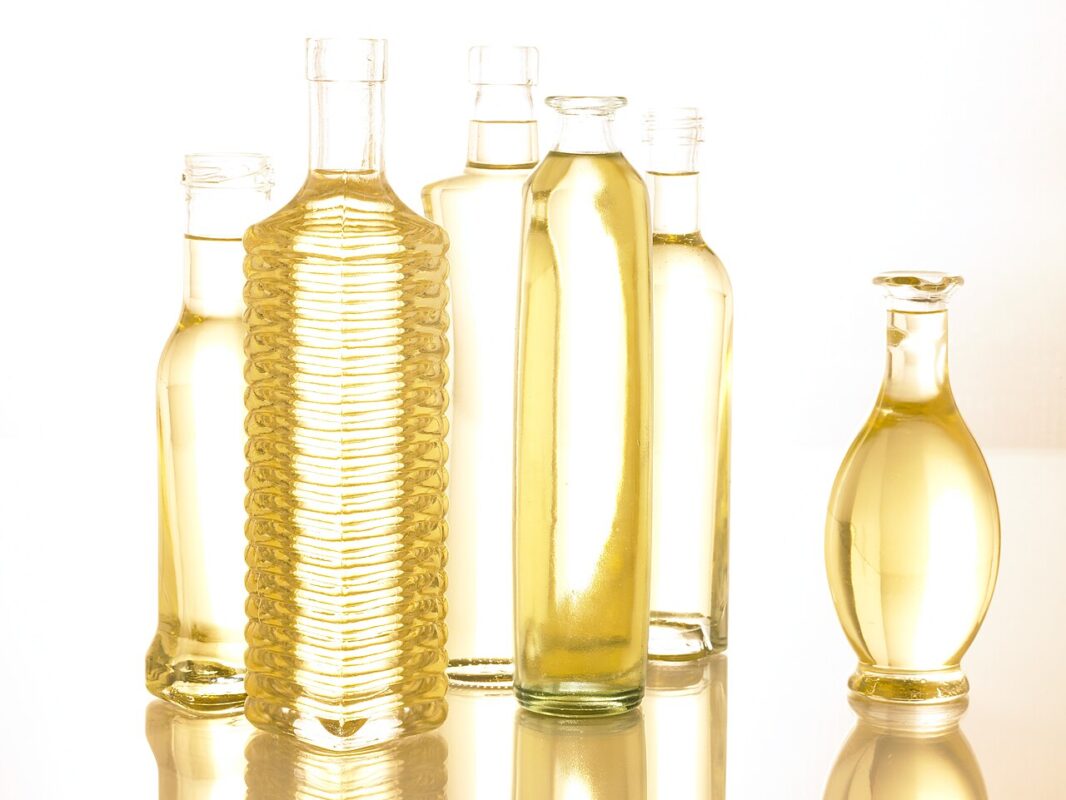
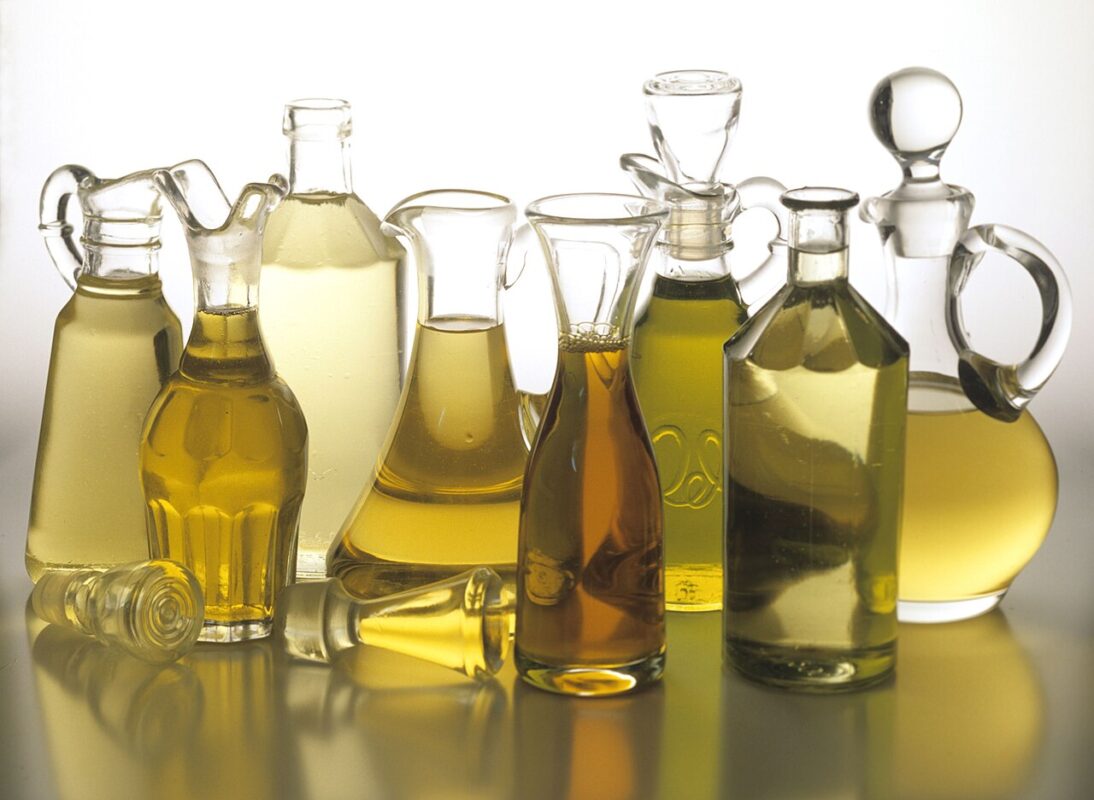
If you’re an importer, a wholesaler, a soap maker or an NGO buyer looking for a palm oil supplier Haiti can depend on, you’ve found one. We sell RBD palm olein, RBD palm oil, crude palm oil and palm stearin, packed in 20 litre jerrycans, PET bottles, drums or flexitanks, and shipped CIF Port-au-Prince or Cap-Haïtien. This page covers what we sell, the real specs, the packing, how we get cargo into Haiti and how pricing works.
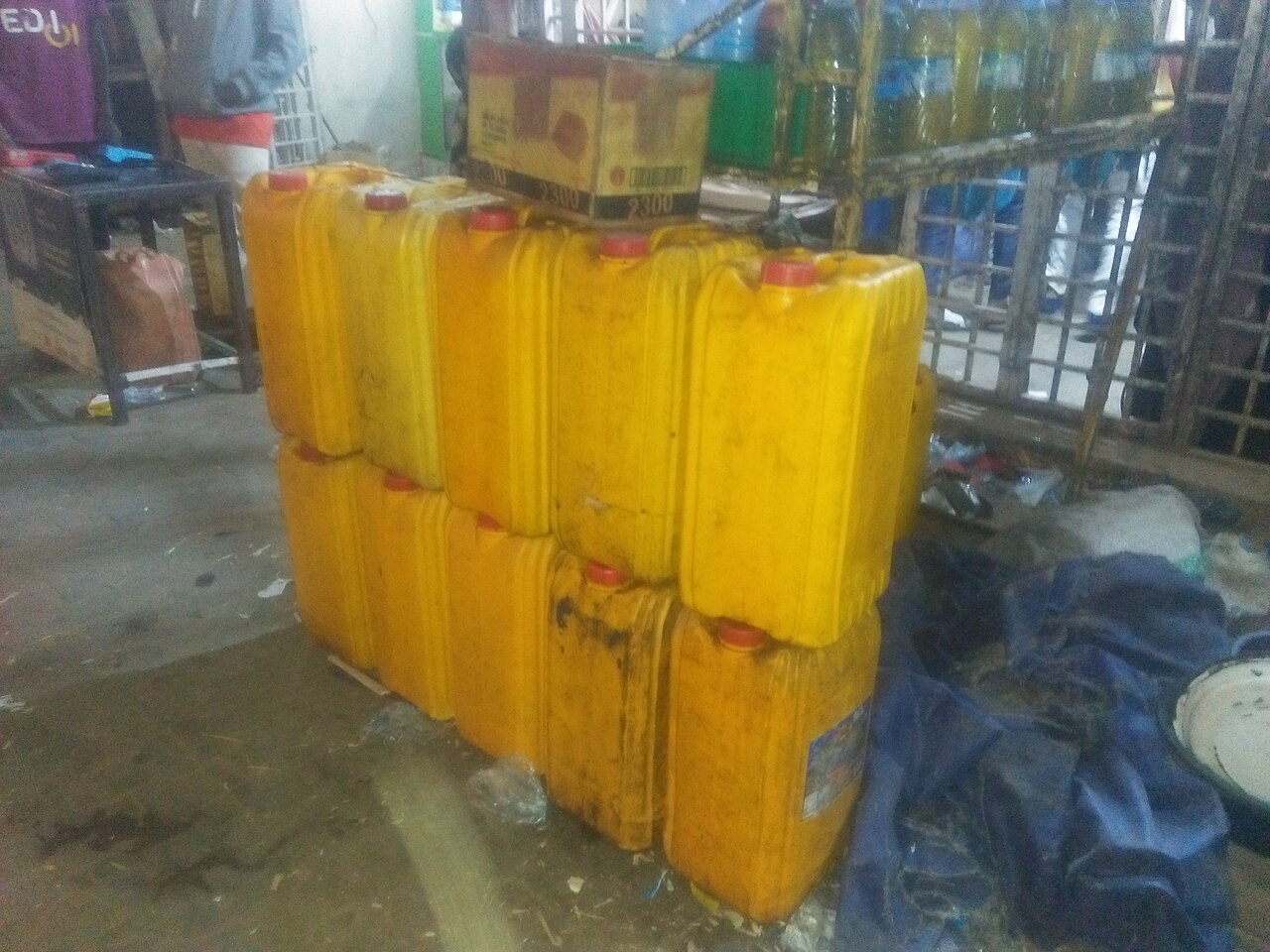
I won’t pretend working with a palm oil supplier Haiti side is simple right now. It isn’t. But people still need cooking oil every day, and traders who keep shelves stocked are doing important work. Our job as a palm oil supplier Haiti buyers use is to make our part of the chain as reliable as possible, so you can focus on the hard part at your end.
Table of Contents
Why Palm Oil Matters So Much in Haiti
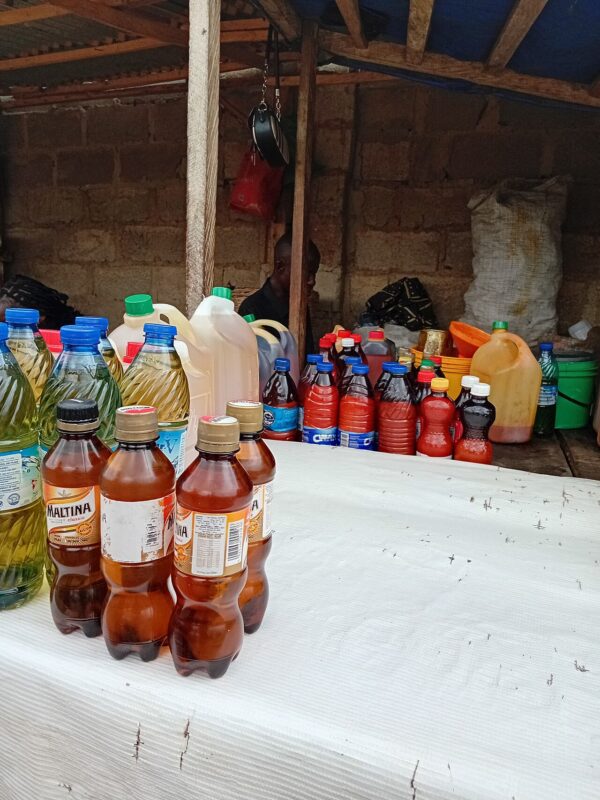
Ask anyone what Haitian kitchens run on and the answer is lwil. Fritay is everywhere: griot, bannann peze, akra, marinad, fried plantain on the street corner every evening. Families buy oil in small amounts, often a bottle or a measured portion from a jerrycan at the market, a few times a week.
Palm olein fits that market well. It’s the most affordable refined cooking oil in the world, it holds up in the fryer, and in Haiti’s warm climate it stays liquid and clear. Soybean oil is popular too, but when prices rise, it’s palm olein that keeps oil affordable for most households.
Haiti produces almost no vegetable oil of its own, so practically everything is imported. That’s why a dependable palm oil supplier Haiti wholesalers can call directly is worth so much. Every middle layer you cut out is money that stays with you or goes into a lower shelf price.
Palm Oil Supplier Haiti: Our Product Range
All of our palm products are food grade and come with a certificate of analysis for each lot.
- RBD palm olein CP10. The standard cooking and frying oil. Clear at Haitian temperatures, neutral taste, long fry life. See refined palm oil CP10.
- RBD palm olein CP8. A slightly more liquid grade with a lower cloud point. Good for bottles that sit on cooler shelves. See refined palm oil CP8.
- RBD palm oil. Semi-solid at room temperature, used by bakeries, snack makers and for shortening. More on our palm oil page.
- Crude palm oil (CP0). For local refineries and soap factories. See crude palm oil CP0.
- RBD palm stearin. The harder fraction, used in soap, margarine and shortening. Our post on palm stearin vs palm olein explains the difference.
We also ship refined soybean oil and sunflower oil, so if you want to mix a container, a palm oil supplier Haiti side who can do that saves you dealing with two exporters.
Specifications
These are the figures we guarantee at loading as your palm oil supplier Haiti partner. Most are based on standard PORAM contract specs used across the palm oil trade.
RBD Palm Olein
| Parameter | CP10 | CP8 |
|---|---|---|
| Free fatty acid (as palmitic) | 0.10% max | 0.10% max |
| Moisture and impurities | 0.10% max | 0.10% max |
| Iodine value (Wijs) | 56 min | 58 min |
| Cloud point | 10 °C max | 8 °C max |
| Slip melting point | 24 °C max | 24 °C max |
| Colour (Lovibond 5¼ inch) | 3.0 Red max | 3.0 Red max |
| Peroxide value at loading | 2.0 meq/kg max | 2.0 meq/kg max |
| Smoke point | About 230 °C | About 230 °C |
RBD Palm Oil
| Parameter | Specification |
|---|---|
| Free fatty acid (as palmitic) | 0.10% max |
| Moisture and impurities | 0.10% max |
| Iodine value (Wijs) | 50 to 55 |
| Slip melting point | 33 to 39 °C |
| Colour (Lovibond 5¼ inch) | 3.0 Red max |
Crude Palm Oil (CP0)
| Parameter | Specification |
|---|---|
| Free fatty acid (as palmitic) | 5.0% max |
| Moisture and impurities | 0.25% max |
| DOBI | 2.3 min |
| Iodine value (Wijs) | 50 to 55 |
Our palm oils are produced to Codex standards from the Codex Alimentarius Commission, and the industry methods and standards set by bodies like the Malaysian Palm Oil Board are what most labs use to check palm oil quality.
So what do the numbers mean? For palm olein, the cloud point is the one to watch. CP10 stays clear above about 10 °C, which is fine almost everywhere in Haiti. CP8 gives you a little extra margin in air-conditioned rooms or up in the mountains at night. For crude palm oil, low FFA and a good DOBI mean the oil will refine well and give a light, stable product. Our guide on CP8 vs CP10 palm oil goes into more detail, and if you’ve ever wondered why palm oil goes solid, see why does palm oil solidify.
Packing That Suits the Haitian Market
Haiti’s oil market runs on small units and jerrycans, and any palm oil supplier Haiti side has to respect that. Here’s what a palm oil supplier Haiti traders use should be able to pack:
| Packing | Approx. per 20ft container | Who buys it |
|---|---|---|
| 20 litre jerrycan | About 1,000 jerrycans | Market sellers, wholesalers, fritay stands |
| 18 litre tin | About 1,100 tins | Food service |
| 5 litre PET bottle | About 2,000 cartons of 4 | Retail, small restaurants |
| 1 litre PET bottle | About 1,500 cartons of 12 | Shops and supermarkets |
| 500 ml PET bottle | About 1,400 cartons of 24 | Small shops, low price point |
| 190 kg drum | 80 drums | Bakeries, soap makers |
| Flexitank | About 21 MT | Local refiners and bottlers |
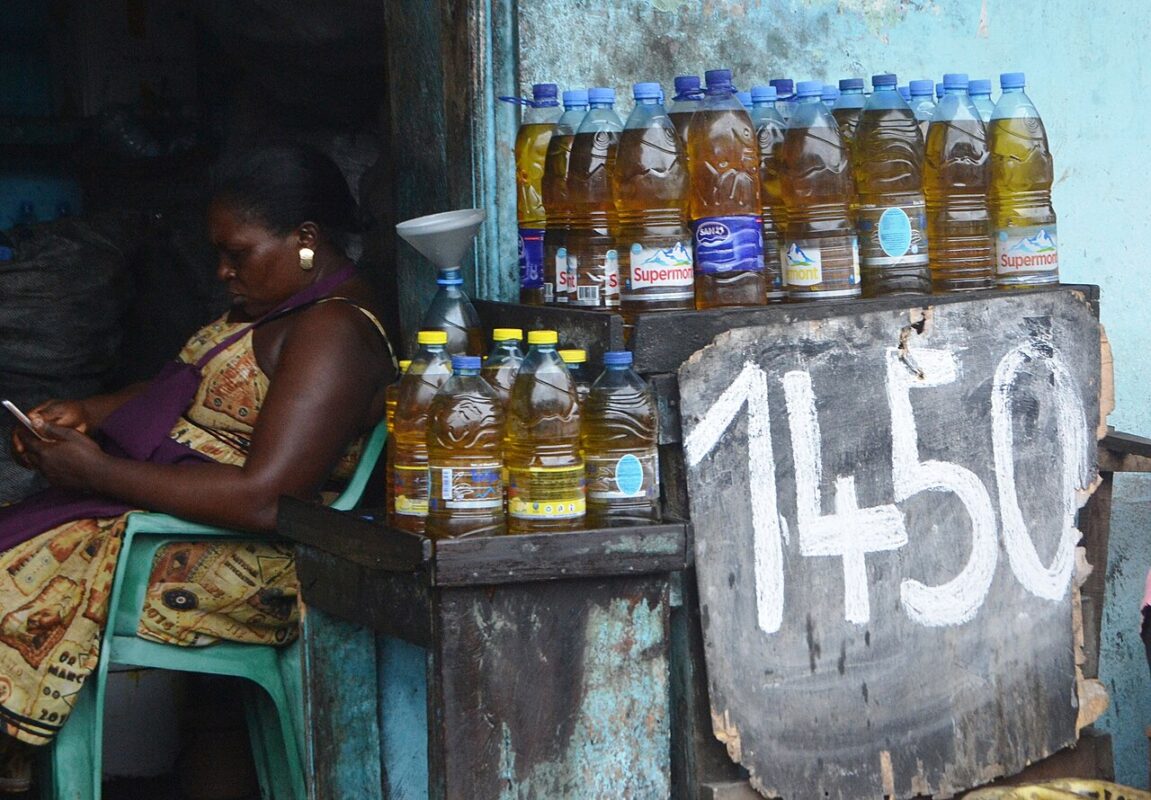
The 20 litre jerrycan is the workhorse. Market women buy a jerrycan and sell it by the cup or the small bottle. It’s tough, easy to carry and holds up on rough roads. The 500 ml bottle is useful too, because many families can only afford a small amount at a time. If you want the cost side of jerrycans, see our RBD palm olein 20L jerry can price guide, and for all the packing choices, read refined palm oil packaging options.
Labels in French and Kreyol
Most of our palm oil supplier Haiti customers want their own brand. We print labels in French, and we’re happy to add Kreyol text for the product name and simple usage lines if you want shoppers to connect with it. We’ll include the ingredient list, net content, lot number and dates.
Tips from experience:
- Send your artwork early, label printing takes the longest on a first order.
- Keep the design simple and bold. Bottles get handled a lot in open markets.
- Put the lot number and dates where they’re easy to find. Buyers and inspectors will look for them.
Our private label palm oil supplier page has more on building your own brand.
Getting Cargo Into Haiti
Here’s the honest picture. The security situation around Port-au-Prince has disrupted port operations and road transport at times. Some of our buyers still take delivery at Port-au-Prince when conditions allow. Others now prefer Cap-Haïtien in the north, and some bring cargo in through the Dominican Republic and truck it across the border. Each route has its own costs and risks, and things change quickly, so we always confirm the routing with you and the shipping line before we book.
The normal timeline once the contract is signed:
- Payment security in place.
- Refining, packing and labelling, about two to three weeks.
- Loading and sealing, draft bill of lading sent to you.
- Ocean transit, usually five to seven weeks with transshipment.
- Documents released, cargo cleared and collected.
We’ll keep you updated at each stage. A palm oil supplier Haiti importers can work with must be flexible on routing, and we are. If you supply both sides of the island, see our posts on vegetable oil wholesale Dominican Republic and refined palm oil for Caribbean and island countries.
Documents
Every palm oil supplier Haiti shipment from us comes with:
- Commercial invoice and packing list
- Bill of lading
- Certificate of origin
- Certificate of analysis
- Health certificate
- Halal certificate, on request
- RSPO certificate, when you buy certified oil
Share our list of documents required to import vegetable oil with your broker before the first shipment.
Who Buys From a Palm Oil Supplier Haiti Side
Wholesalers and importers. They want jerrycans and bottles, steady prices and someone who picks up the phone when there’s a delay.
Market distributors. They break bulk into smaller sizes and sell through open markets across the country.
Bakeries and snack makers. They buy RBD palm oil or palm olein in drums.
Soap makers. Haiti has a long tradition of soap making, and palm oil, palm stearin and crude palm oil are key raw materials. Read palm oil for soap making for grades and tips.
NGOs and aid buyers. Humanitarian programmes buy fortified vegetable oil for food baskets. Organisations like the World Food Programme in Haiti are active buyers of food in the country, and their suppliers need oil that meets strict specs.
Vitamin A Fortification
We can fortify palm olein with vitamin A, and vitamin D if needed, at the refinery. Aid programmes and some retail buyers ask for this, and it’s a good selling point on the label. Tell us the level you need and we’ll confirm it on the COA. Fortification adds a small cost per tonne. Palm oil also naturally contains vitamin E in the form of tocotrienols, which we cover in palm oil vitamin E and tocotrienol content.
What Drives the Price
Palm oil prices move every day. As a palm oil supplier Haiti buyers trust, we’d rather explain what moves them than pretend we control them:
- The world palm oil market, mainly driven by production in Malaysia and Indonesia and by demand from India and China.
- The grade. Crude is cheapest, then palm oil, then olein. CP8 costs a bit more than CP10.
- Packing. Flexitank is cheapest, small bottles cost the most per tonne.
- Freight and insurance into Haiti, which can be higher than to neighbouring islands.
- Routing. Going via Cap-Haïtien or the Dominican Republic changes the landed cost.
We always give a written price with a clear validity. For background, see palm oil wholesale price factors and crude palm oil price per ton.
7 Proven Tips for Working With a Palm Oil Supplier Haiti Buyers Trust
1. Start with one container
Test the oil, the packing and the route before committing to a long programme.
2. Get the COA before loading
Any palm oil supplier Haiti importers use should send the lot certificate before the ship sails.
3. Pick the right grade for your shelf
CP10 for most markets, CP8 if your oil sits in cool rooms or you’ve had cloudy bottle complaints.
4. Agree the route up front
Port-au-Prince, Cap-Haïtien or via the Dominican Republic. Decide before booking and build the cost into your price.
5. Use a proper contract
We can trade on FOSFA terms, which are standard for oils and fats.
6. Watch for fake sellers
An offer far below market is a warning sign. See how to spot a fake vegetable oil supplier.
7. Keep extra stock in hurricane season
June to November brings storms and delays. A few extra weeks of stock protects your customers.
Sustainable Palm Oil
Some buyers, especially NGOs and international retailers, ask whether our palm oil is sustainable. We can supply RSPO certified palm olein and palm oil with full chain of custody papers. The Roundtable on Sustainable Palm Oil sets the standard. More in our post on RSPO certified sustainable palm oil.
Quality Control
On every palm oil supplier Haiti order, we:
- Test each batch for FFA, moisture, iodine value, cloud point, colour and peroxide value.
- Check jerrycans and bottles for leaks, cap seals and labels.
- Inspect containers for cleanliness and odour.
- Use new flexitanks for bulk, with heating pads for palm oil and stearin so they can be discharged.
- Welcome independent inspection by SGS, Intertek or your own surveyor.
We also keep an eye on processing contaminants like 3-MCPD, which more buyers are asking about. See 3-MCPD in palm oil.
Storing Palm Oil After It Arrives
Whichever palm oil supplier Haiti side you buy from, keep jerrycans and bottles in the shade, off the floor and away from fuel or chemicals. Don’t leave them in the sun on a truck for days. Rotate stock first in, first out. If palm olein goes slightly cloudy on a cool night, don’t worry, it clears again when it warms up. RBD palm oil and stearin will be solid in drums at cooler temperatures and need gentle warming to pour. More in refined palm oil storage and handling.
Payment Terms
For a first order we usually work with an irrevocable LC at sight, or a deposit with the balance against copy documents. After a few shipments, we can discuss other terms. We only take payment into our company account, and you can call to confirm bank details before paying.
Why Buyers Choose Us
- Worldwide exporter with regular Caribbean shipments.
- Flexible on routing into Haiti.
- Jerrycans, small bottles and bulk all available.
- French and Kreyol private labels.
- Vitamin A fortification on request.
- One contact person from quote to delivery.
See our full products, learn about us, or read RBD palm olein supplier and sunflower oil vs palm oil.
Palm Olein or Soybean Oil for Haitian Customers?
Buyers ask me this all the time, and the answer depends on who’s buying from you.
For the fritay stand, the street vendor and the family that fries every evening, palm olein is usually the right choice. It’s cheaper, it lasts longer in the pot before it darkens, and it doesn’t foam or smell as quickly. When money is tight, that matters. A vendor who can fry for three days instead of two on one jerrycan sees it straight away.
Soybean oil has its place too. It looks lighter in the bottle, and some shoppers in Port-au-Prince and Pétion-Ville see it as the better product. Supermarkets often stock both. If your customers include middle-income households, a few cartons of soybean oil next to the palm olein can help.
Many of our buyers mix the two in one container: palm olein in jerrycans for the markets and soybean oil in 1 litre bottles for the shops. A palm oil supplier Haiti traders use should be able to load that kind of split without fuss. We do it regularly.
Selling by the Cup: Breaking Bulk Safely
A big part of Haiti’s oil is sold in small portions from jerrycans. That’s how most families can afford it. But breaking bulk in the open air can hurt quality if it’s not done carefully. A few things help:
- Keep the jerrycan closed between sales so dust and insects stay out.
- Use a clean, dry measure. Water in oil causes it to go off faster.
- Keep jerrycans out of direct sun, even for a few hours.
- Sell older stock first.
If you’re a wholesaler, sharing these simple tips with the market sellers you supply is worth the effort. Their customers will notice the oil stays fresher, and that brings them back. Good oil from a good palm oil supplier Haiti side can still be spoiled by poor handling at the last step.
Building a Steady Supply Plan
The biggest risk for a Haitian importer isn’t usually the price of oil. It’s running out. When a container is delayed by weather, port problems or road closures, shelves empty quickly and customers go elsewhere.
That’s why we suggest a supply plan instead of one-off orders. Here’s what that looks like in practice. You tell us roughly how many containers you sell in a quarter. We agree loading dates spaced out so a new container is always on the water while the last one is selling. If something holds up one shipment, the next one is already moving. You keep a few weeks of safety stock in your warehouse, more during hurricane season.
Prices on a programme still follow the market, but you get priority loading and we can lock in the packing and labels well ahead. For a palm oil supplier Haiti buyers rely on, that kind of planning is what really keeps the oil flowing. If you’d like to read about how other markets handle this, see our post on palm oil exporter to Africa, where many buyers face similar logistics challenges.
A Note on Red Palm Oil
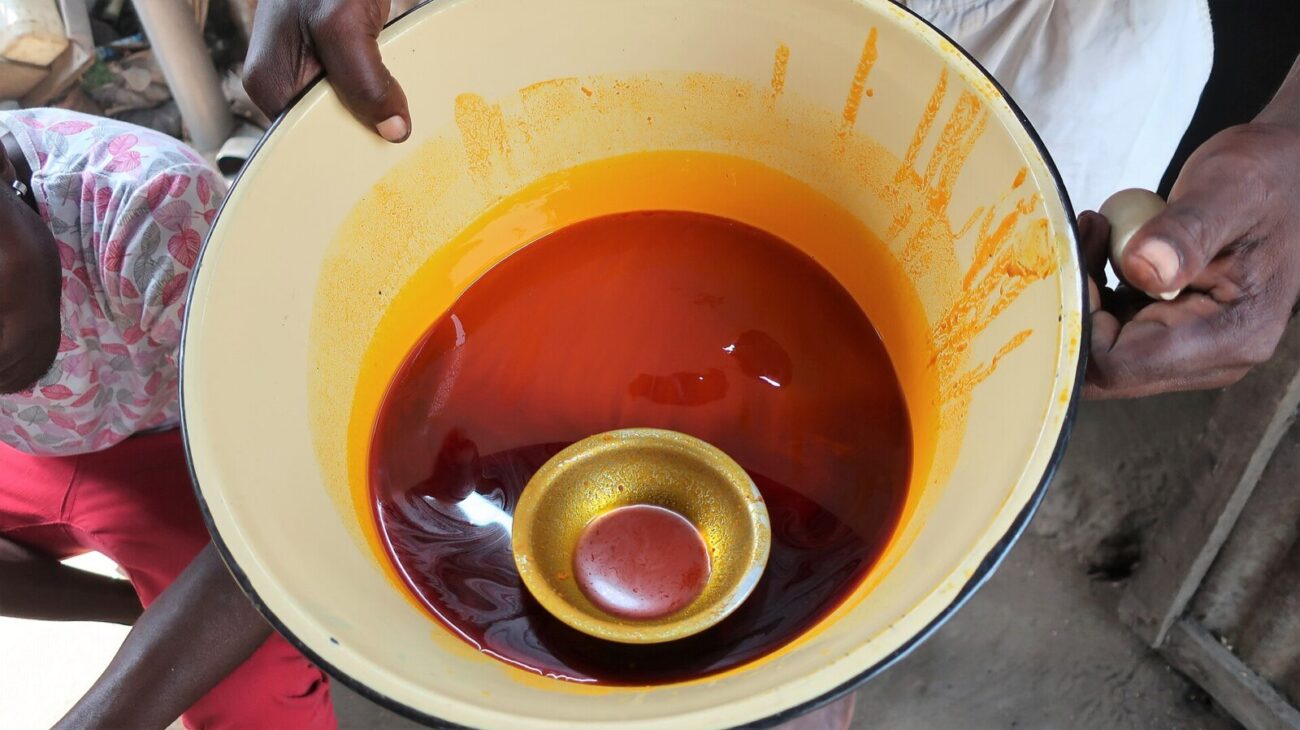
Some Haitian buyers ask about red palm oil, the unrefined orange oil used in some traditional dishes. Our main business is refined palm olein, which is what most of the cooking oil market uses. Crude palm oil is red too, but it’s meant for refining and soap making, not for selling straight to households. If you’re looking for oil to sell for cooking, refined olein is the safer and more stable product. If you’re a soap maker or refiner, crude palm oil is what you want, and we’ll quote it with the right specs.
Samples Before You Commit
We’re happy to courier a sample of palm olein, palm oil or crude palm oil before you order. Fry with it, leave a bottle on a shelf for a week, and compare it with what you sell now. If you’re a soap maker, run a small test batch. Real use tells you more than any spec sheet. Once you’re happy, place a trial container and judge your palm oil supplier Haiti side on how that first shipment is handled from start to finish.
Frequently Asked Questions
What’s the minimum order?
One 20 foot container, with mixed products and packs allowed. See minimum order quantity for bulk cooking oil.
Can you ship to Cap-Haïtien?
Yes, subject to carrier schedules. We’ll confirm the best route at the time of booking.
Is the palm oil halal?
Yes. See our halal certified palm oil supplier page.
Do you only sell to Haiti?
No. We’re a palm oil supplier Haiti buyers use, but we ship worldwide, including the Caribbean, the Americas, Africa, Europe, the Middle East and Asia.
Get a Quote From Your Palm Oil Supplier Haiti Partner
Tell us the grade, quantity, packing, label language and your preferred port or route. We’ll send a clear written offer, usually within one working day.
Email info@dthcompanyltd.com, call or WhatsApp +66 91 765 9104, or use our contact page.