

When people search for an edible oil manufacturer Thailand has to offer, they usually want to know two things. Does this company actually make and control the oil, or is it just reselling? And will the oil in the container match the oil in the sample? This page answers both as plainly as I can. It explains how we refine and pack edible oil, which oils we sell, the specifications we work to, and what you should check before you buy from any manufacturer, including us.
DTH Company Ltd is an edible oil manufacturer Thailand buyers can reach directly in Chiang Mai. We sell refined and crude edible oils to food companies, distributors and importers worldwide. Our oils go out in flexitanks, ISO tanks, drums, IBCs, tins, jerrycans and retail bottles.
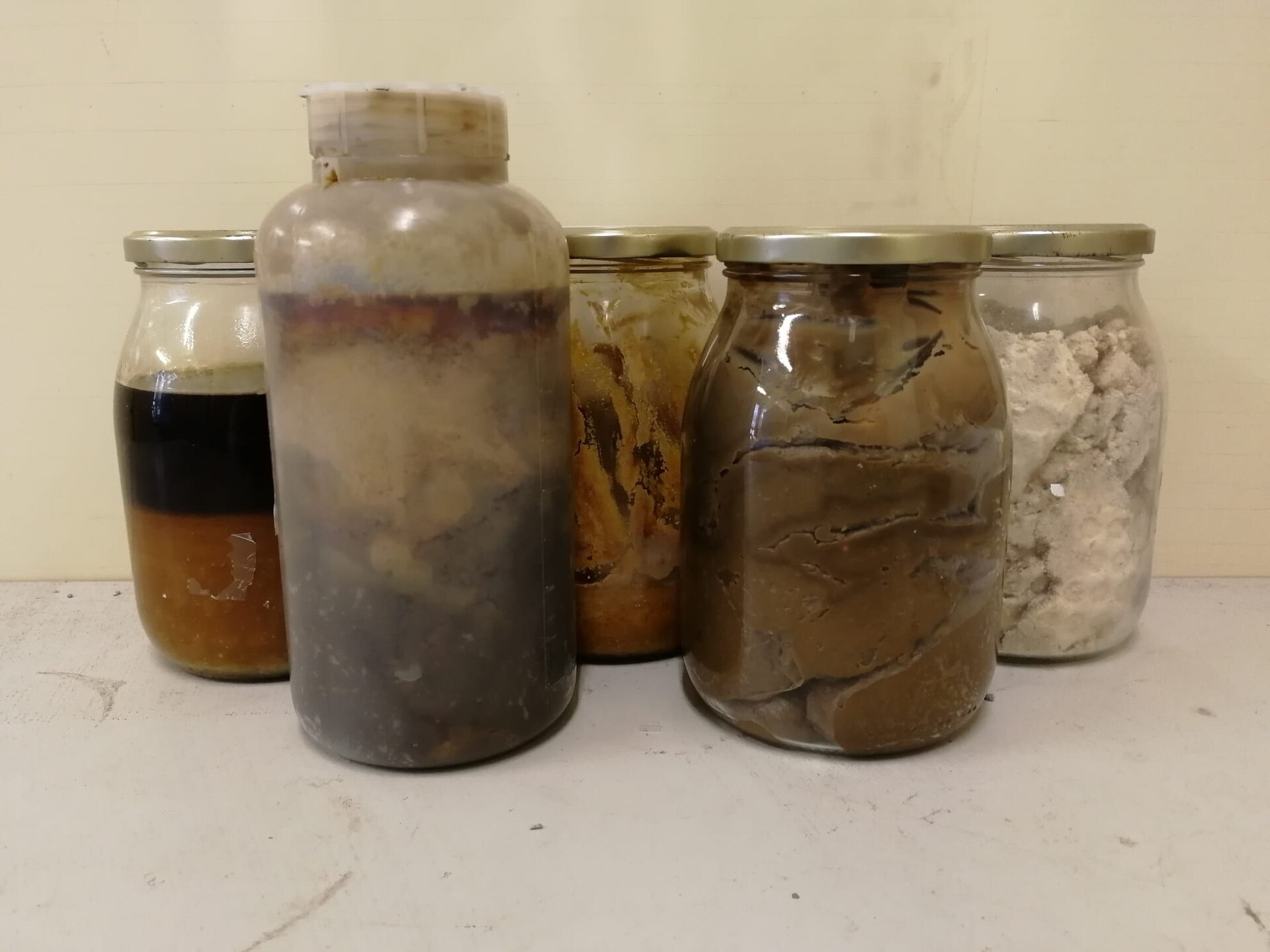
Table of Contents
Why Thailand Makes Sense for Edible Oil
Thailand grows a lot of its own raw material. Oil palm plantations cover big areas of the south, and coconuts are grown across the country. That gives an edible oil manufacturer Thailand based a short supply line for palm and coconut oil, which keeps freshness up and cost down.
For sunflower, soybean and canola, the seed or crude oil is imported and processed here. That might sound like a disadvantage, but it isn’t really. Thailand has modern refining capacity, a strong food packaging sector and some of the busiest ports in the region. An edible oil manufacturer Thailand side can bring in crude oil, refine it to spec, pack it and ship it out again on one site’s worth of paperwork.
There’s also the food safety side. Thai food exporters sell to Japan, Europe, Australia and the US, so food safety systems are well established here.
The Oils We Make and Sell
Here is the range we make and sell as an edible oil manufacturer Thailand side. Each link goes to the product page.
| Oil | Grades we sell |
|---|---|
| Palm oil | Refined palm oil CP10, Refined palm oil CP8, Crude palm oil CP0 |
| Coconut oil | RBD coconut oil, Virgin coconut oil, Crude coconut oil |
| Sunflower oil | Refined, Crude, High oleic, Organic, Deodorized |
| Soybean oil | Refined, Crude, High oleic |
| Canola oil | Refined, RBD, Crude |
The full range is also on our products page.
Raw Materials and Where They Come From
Good refined oil starts with good crude oil. No refinery can turn badly stored, high-acid crude into great oil without losses, so sourcing is where an edible oil manufacturer Thailand side either saves or loses money.
Palm. Fresh fruit bunches are milled quickly after harvest, because free fatty acids rise fast once the fruit is cut. Crude palm oil from southern Thailand reaches refineries in days, not weeks.
Coconut. Coconuts are dried into copra for crude coconut oil, or processed fresh for virgin coconut oil. The fresher the meat, the better the virgin oil smells and tastes.
Sunflower, soybean and canola. These arrive as crude oil or seed from the main growing regions. We check the crude on arrival, before it goes anywhere near the refinery.
For palm buyers who need certified sustainable supply, we can discuss RSPO options. Availability depends on the grade and volume, so ask early. Our guide to RSPO certified sustainable palm oil explains the supply chain models.
How an Edible Oil Manufacturer Thailand Side Refines Oil
Crude oil, straight from the press or extraction plant, isn’t something you’d want to cook with. It’s dark, it smells strong, and it contains free fatty acids, gums, pigments and moisture. Refining removes those. There are two main routes, chemical and physical refining, but the main steps look like this.
1. Degumming
Water or a small amount of food-grade acid is mixed into the oil. Phospholipids, the “gums”, absorb water and separate out. This step matters because gums cause foaming and darkening later.
2. Neutralising
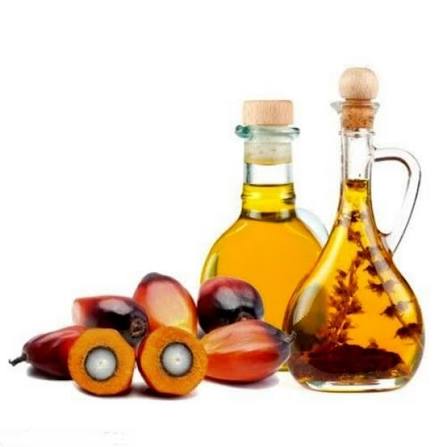
In chemical refining, a little caustic soda is added. It reacts with free fatty acids and forms soap, which is separated off as soapstock. You can see soapstock in the photo at the top of this page. In physical refining, this step is skipped and the free fatty acids are removed later by steam.
3. Bleaching
The oil is mixed with bleaching earth, a special clay that soaks up colour pigments, traces of metals and leftover soap. The clay is then filtered out. This is what turns a dark crude into a light golden oil.
4. Deodorizing
The oil is heated under vacuum and steam is blown through it. This strips out the compounds that cause smell and taste, plus remaining free fatty acids. The result is the bland, neutral oil most cooks want. Temperature control here is important, because too much heat for too long can form unwanted compounds such as 3-MCPD esters.
5. Winterizing or fractionation
Sunflower oil is often winterized. It’s chilled so waxes crystallise and can be filtered out, which keeps bottles clear in a cold kitchen. Palm oil is fractionated instead. It’s cooled slowly so it separates into liquid olein and solid stearin. CP10 and CP8 palm olein are both made this way, CP8 being fractionated further for a lower cloud point.
If you’d like to go deeper on the palm side, our post on the refined palm oil manufacturing process covers it step by step, and palm stearin vs palm olein explains the two fractions.
Virgin Coconut Oil Is Made Differently
Virgin coconut oil is not refined, bleached or deodorized. That’s the whole point of it. An edible oil manufacturer Thailand side makes it from fresh coconut meat, usually by pressing out coconut milk and separating the oil by cold process or gentle centrifuge. No high heat, no chemicals.
The result keeps its natural coconut smell and taste, and it’s water-white when liquid. Buyers use it for premium food, jars on supermarket shelves, and skin and hair care. Because it isn’t deodorized, the quality depends heavily on fresh raw material and clean handling. We check free fatty acid, peroxide value, moisture and microbial counts on every batch. See virgin coconut oil specification for the full table, and RBD coconut oil vs virgin coconut oil for how to choose between them.
Specifications From Our Edible Oil Manufacturer Thailand Lab
Here are the specs for two oils that Thailand is especially strong in: RBD coconut oil and crude palm oil.
RBD coconut oil
| Parameter | Specification | Test method |
|---|---|---|
| Appearance at 30 °C | Clear, bright liquid | Visual |
| Colour (Lovibond 5¼ inch) | 1.0 red max | AOCS Cc 13e |
| Odour and taste | Neutral, bland, no rancidity | Sensory |
| Free fatty acid (as lauric) | 0.1% max | AOCS Ca 5a-40 |
| Moisture and impurities | 0.1% max | AOCS Ca 2c-25 |
| Peroxide value at loading | 1.0 meq O2/kg max | AOCS Cd 8b-90 |
| Iodine value (Wijs) | 6 to 11 | AOCS Cd 1d-92 |
| Saponification value | 248 to 265 mg KOH/g | AOCS Cd 3-25 |
| Slip melting point | About 24 to 26 °C | AOCS Cc 3-25 |
| Shelf life | 18 to 24 months, cool and dry |
Crude palm oil CP0 (typical commercial basis)
| Parameter | Typical contract basis |
|---|---|
| Free fatty acid (as palmitic) | 5% max |
| Moisture and impurities | 0.5% max |
| DOBI | 2.3 min |
| Iodine value (Wijs) | 50 to 55 |
| Colour | Orange red, typical of crude palm |
Crude palm specs are often written into each contract, so treat the CP0 numbers above as a starting point and confirm on the offer. For refined palm olein and other oils, see crude palm oil specification, refined sunflower oil specification and refined soybean oil specification.
The test methods come from the American Oil Chemists’ Society, and our refined grades meet the Codex Alimentarius standards for named vegetable oils.
What We Test, Batch by Batch
An edible oil manufacturer Thailand buyers rely on should be testing every batch, not once a year for the brochure. Here’s our routine.
- Free fatty acid. Shows how well the oil was refined and how fresh it is.
- Peroxide value. Shows early oxidation. Low at loading means longer shelf life.
- Moisture and impurities. Water speeds up spoilage. Impurities cause sediment.
- Colour. Buyers see this first, especially in clear bottles.
- Iodine value. Confirms the oil is what it says it is.
- Cloud point or cold test. Important for palm olein and sunflower in cold markets.
- Sensory check. Smell and taste, by people who do it every day.
As an edible oil manufacturer Thailand importers audit, we put results on a certificate of analysis for the exact batch you receive. Our guide to the certificate of analysis for edible oil explains how to read one, and free fatty acid and peroxide value covers the two numbers that matter most.
Certifications
As an edible oil manufacturer Thailand side, we work under ISO 22000, HACCP, GMP and Halal systems.
ISO 22000 is the international food safety management standard. It’s about controlling risk across the whole process. HACCP sits inside it. It identifies the points where contamination could happen and sets controls for each. GMP covers hygiene, cleaning and handling on the lines. Halal certification in Thailand is overseen by the Central Islamic Council of Thailand, and we can supply the certificate with your shipment.
Ask any edible oil manufacturer Thailand side you’re considering for copies of these certificates, then check the scope, the expiry date and the issuing body. A certificate that covers a different site or a different product is no use to you. Our post on HACCP certified cooking oil manufacturer lists what to look for.
Packing Lines and Pack Options
Refining is only half the job. Packing is where an edible oil manufacturer Thailand importers buy from either protects the oil or spoils it.
| Pack | Typical use |
|---|---|
| Flexitank, 20 to 24 tonnes | Bottlers, refiners, big food plants |
| ISO tank | Heated discharge, frequent shipments |
| IBC, 1,000 litres | Mid-size factories and repackers |
| Steel drums, 180 to 200 kg | Cosmetics, small factories, mixed loads |
| 18 litre tins, 10 and 20 litre jerrycans | Food service and traders |
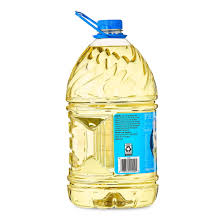
| PET bottles from 250 ml to 5 litres | Supermarkets and retail |
| Glass jars and bottles | Virgin coconut oil and premium retail |
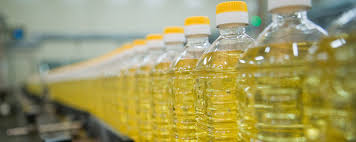
Bottles are filled, capped, labelled, coded and cartoned on the line. We check fill weight, cap torque and coding during the run. Bulk containers are inspected for cleanliness before loading, and flexitanks are fitted by trained crews. For bulk buyers, our guide to flexitank vs ISO tank is a good place to start.
Private label is available on most packs. We print your artwork once you approve the proof.
Matching the Oil to Your Product
Here’s a quick guide we use when food companies ask an edible oil manufacturer Thailand side which oil to buy. It’s a starting point. Your own trials should have the final word.
| Your product | Oil we usually suggest | Why |
|---|---|---|
| Instant noodles | RBD palm olein CP10 | Stable under long frying, good texture |
| Potato chips and snacks | High oleic sunflower or palm olein | Long fry life, clean taste |
| Bread, cakes, biscuits | RBD palm oil or coconut oil | Structure and mouthfeel |
| Mayonnaise and dressings | Refined soybean or sunflower oil | Stays liquid and clear when cold |
| Retail bottles, cool climate | Refined sunflower or CP8 palm olein | Stays clear on the shelf |
| Soap and cosmetics | RBD coconut oil or palm oil | Lather, hardness, skin feel |
| Restaurant deep frying | Palm olein or high oleic sunflower | Fewer oil changes |
If you’re making something not on this list, send us a short description of the process, especially frying temperature and shelf life targets. An edible oil manufacturer Thailand food plants rely on should be able to talk through the choice with you, not just quote the most expensive grade. You can also read best oil for potato chips manufacturing and palm oil for instant noodle manufacturing for two common cases.
Problems We Design Out
Most complaints in the edible oil trade come from the same handful of problems. Here’s how an edible oil manufacturer Thailand side should prevent each one before the container even leaves.
Cloudy palm olein. CP10 clouds below about 10 °C. If your market gets cold, we’ll suggest CP8 or recommend warm storage. It’s a grade choice, not a quality fault, but it still upsets shoppers.
Rancid smell on arrival. Usually caused by high peroxide at loading, heat in transit or air in the pack. We load with low peroxide, use nitrogen flushing where it makes sense, and advise against storing containers in full sun.
Leaking bottles. Caused by weak caps, poor cap torque or crushed cartons. We check torque on the line and use cartons rated for the stack height.
Wrong labels. A label that breaks your local rules can hold up a whole container. We check artwork against the rules you send us before printing.
Contaminated bulk tanks. Flexitanks are single-use. ISO tanks are cleaned and inspected, with a cleaning certificate, before every fill.
None of this is exciting, but it’s what keeps a supply relationship going for years.
Edible Oil Manufacturer Thailand vs Trading Company
There’s nothing wrong with buying through a trader. Good traders add value. But you should know which one you’re talking to, because it changes who controls the oil.
An edible oil manufacturer Thailand side controls refining, testing and packing. If there’s a problem with the spec, it can trace the batch, check retained samples and fix the cause. A pure trading company relies on someone else for all of that, and may not even know which plant filled your container.
Simple ways to tell the difference:
- Ask for a video call from the plant or warehouse, not an office.
- Ask for the batch number and production date on a recent COA, then ask for the retained sample.
- Ask who books the freight and who signs the export documents.
- Ask how they handled a complaint last year. Real companies have real stories.
If any answer feels vague, read our checklist on spotting a fake vegetable oil supplier before you go further.
What Decides the Price
Buyers often ask an edible oil manufacturer Thailand side for a price list. We don’t keep one, because the base oil price changes every day with world markets. What a quote is made of is easier to explain.
- The world price of the crude oil on the day we buy it
- Refining losses and costs, which are higher for high-acid crude
- The grade. CP8 costs more than CP10, high oleic more than regular, organic more than conventional
- The pack. Bulk is cheapest per tonne, small bottles the most expensive
- Private label printing and artwork
- Inland transport, port fees and documents in Thailand
- Ocean freight and insurance if you buy CFR or CIF
We show these parts separately so you can compare quotes fairly. For longer-term planning, our cooking oil price forecast 2027 looks at what’s driving prices.
Who Buys From an Edible Oil Manufacturer Thailand Side
Our customers include snack and noodle factories, bakeries, chocolate and confectionery makers, frozen food plants, soap and cosmetics companies, bottlers, supermarket chains, importers and distributors. Each needs something slightly different. A noodle factory wants palm olein with good frying stability. A soap maker wants coconut oil with the right saponification value. A supermarket wants a bright, clear bottle that looks the same every month. Tell us what you make, and we’ll match the oil to it.
Shipping Worldwide
Most containers from our edible oil manufacturer Thailand operation leave through Laem Chabang, Thailand’s main deep sea port, with some loading in Bangkok. We ship to Asia, the Middle East, Africa, Europe, North and South America, the Caribbean and the Pacific. We quote FOB, CFR or CIF, as defined in the Incoterms rules. If you’re comparing quotes, our article on CIF vs FOB vegetable oil will help.
Every shipment comes with the commercial invoice, packing list, bill of lading, certificate of analysis and certificate of origin. Health certificates, Halal certificates and insurance certificates are added where needed. Full details are in documents required to import vegetable oil.
7 Proven Checks Before You Choose an Edible Oil Manufacturer Thailand Side
1. See the plant or the line
Any edible oil manufacturer Thailand side should be happy to show you around, on a video call if you can’t visit. Ask to see tanks, filling and the lab.
2. Get the spec in writing
A table with limits and test methods. Not adjectives.
3. Ask for a recent COA with a batch number
Then compare it with the spec. They should match. Any edible oil manufacturer Thailand side worth using will send one quickly.
4. Check the certificates properly
Scope, site, expiry date, issuing body. All four.
5. Test samples in your own application
Ask your edible oil manufacturer Thailand contact for enough sample to run a real trial. Fry with it, bake with it, bottle it and leave it on a shelf. Lab numbers are important, but so is how it behaves in your kitchen or factory.
6. Use an independent inspector
SGS, Intertek or similar can sample and witness loading. Read pre-shipment inspection for edible oil.
7. Start small, then build
One container first. Check everything. Then agree a regular contract. An honest edible oil manufacturer Thailand buyers deal with will be glad you did it this way.
Frequently Asked Questions
Do you refine the oil yourselves?
We control refining, testing and packing for the oils we sell, and every batch is tested before it leaves. You’ll get a COA for the batch you receive.
Can you make oil to my own specification?
Often, yes. As an edible oil manufacturer Thailand side, we can adjust refining for many limits. Send your spec and we’ll confirm in writing which limits we can guarantee.
What’s the minimum order?
One flexitank of about 20 tonnes for bulk, or one 20 foot container for packed oil. See minimum order quantity for bulk cooking oil.
Is the oil Halal?
Yes. Halal certification is available on request with each shipment.
Do you supply crude oil to refiners?
Yes. We sell crude palm oil CP0, crude coconut oil, crude soybean, crude sunflower and crude canola oil.
How long does an order take?
Usually two to four weeks from confirmed order to loading, plus sea transit. Private label takes a little longer the first time.
Talk to an Edible Oil Manufacturer Thailand Buyers Trust
Tell us the oil, grade, packing, quantity, destination port and Incoterm. We’ll send a firm offer, the spec and a recent COA, usually within one working day. You can learn more about us too.
Email info@dthcompanyltd.com, call or WhatsApp +66 91 765 9104, or use our contact page. Office: 201/7 Patan Rd., Patan, Muang, Chiang Mai 50300, Thailand.


One thought on “Edible Oil Manufacturer Thailand: Honest Look at Refining, Specs and 7 Proven Checks”