People ask us about the CP8 vs CP10 palm oil difference almost every week. Usually it’s an importer who has been buying CP10 for years and has just had a winter complaint, or a new buyer looking at two quotes and wondering why one grade costs more. The good news is it’s not complicated. The two oils fry the same, taste the same and keep the same. The difference is how they behave when it gets cold.
We sell both grades. We’re a Thailand-based exporter shipping RBD palm olein CP8 and CP10 worldwide in bulk and packed form. This page explains the difference honestly, with real specs, so you can pick the one that fits your market and not pay for something you don’t need.

Table of Contents
The CP8 vs CP10 Palm Oil Difference in One Sentence
CP8 stays clear down to 8 °C, CP10 stays clear down to 10 °C, and CP8 costs a little more because it takes extra processing to make.
That’s really the whole story. Everything else on this page is detail to help you decide whether those two degrees are worth paying for in your market.
What CP Means
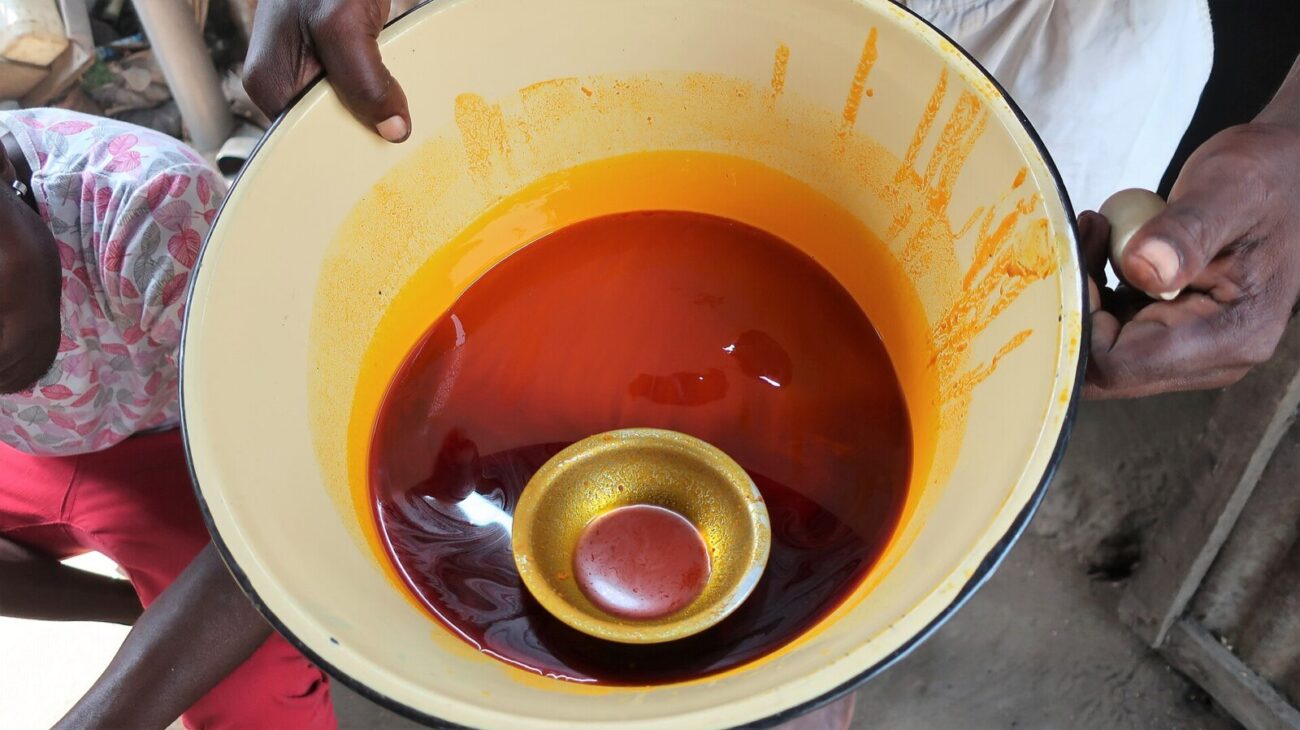
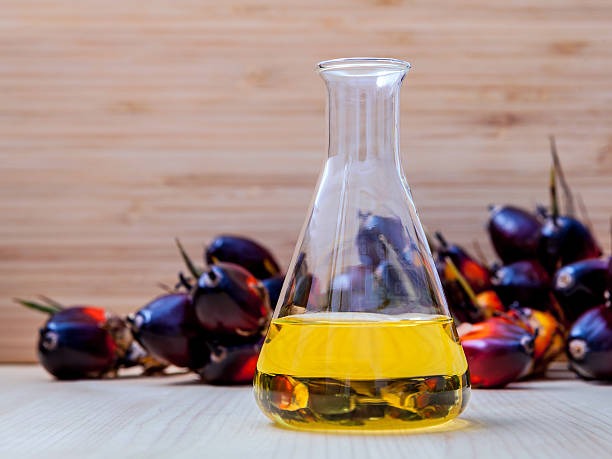
CP is short for cloud point. It’s the temperature at which the first fat crystals form and the oil starts to look hazy. Cool palm olein below that point and it goes cloudy, then thick, and eventually a soft white layer forms at the bottom. Warm it up again and it goes back to clear, golden liquid. Nothing has gone wrong with it. It’s just fat behaving like fat.
So “CP10” means a cloud point of 10 °C maximum. “CP8” means 8 °C maximum. Both are refined, bleached and deodorised palm olein. Both are made from the same crude palm oil. If you want the background on why palm oil does this at all, we explain it in why palm oil solidifies.
Specs Side by Side: The CP8 vs CP10 Palm Oil Difference on Paper
These are the limits we guarantee on each grade.
| Parameter | CP8 | CP10 |
|---|---|---|
| Cloud point | 8 °C max | 10 °C max |
| Iodine value (Wijs) | 58 min | 56 min |
| Slip melting point | 22 °C max | 24 °C max |
| Free fatty acid (as palmitic) | 0.1% max | 0.1% max |
| Moisture and impurities | 0.1% max | 0.1% max |
| Peroxide value at loading | 2.0 meq/kg max | 2.0 meq/kg max |
| Colour (Lovibond 5¼ inch) | 3.0 red max | 3.0 red max |
| Smoke point | About 230 °C | About 230 °C |
| Odour and taste | Bland, neutral | Bland, neutral |
| Shelf life | 12 to 18 months | 12 to 18 months |
Look at the table and the CP8 vs CP10 palm oil difference jumps out. Only three lines change: cloud point, iodine value and slip melting point. All three are about how soft or hard the fat is. Every quality line, FFA, moisture, peroxide, colour, is identical.
Test methods for all of these come from the American Oil Chemists’ Society. For the full CP8 sheet, see CP8 palm olein specifications. For CP10, see our CP10 palm olein supplier page.
Why the CP8 vs CP10 Palm Oil Difference Exists
Palm oil is a mix of solid and liquid fats. To make olein, the refinery cools refined palm oil slowly so the harder fats crystallise, then filters them out as stearin. What’s left is olein.
How cold and how slowly the refinery runs that cooling decides how much of the hard fat comes out. One standard pass gives CP10. Running it colder and slower, or fractionating the oil a second time, takes out more solid fat and gives CP8. Go further still and you get double fractionated olein, sometimes called super olein, with a cloud point of around 6 °C or lower.
More fractionation means less olein from each ton of palm oil, more energy and more time. That’s why the CP8 vs CP10 palm oil difference shows up in price. The full process is in our palm oil fractionation process guide, and super olein is covered in double fractionated palm olein.
Does the CP8 vs CP10 Palm Oil Difference Affect Cooking?
Not in any way a cook would notice. Both oils:
- Have the same smoke point, around 230 °C.
- Have the same neutral taste.
- Last about the same number of frying cycles.
- Give the same crisp, non-greasy result when the fryer is at the right temperature.
In a hot fryer, any difference in cloud point is irrelevant. The oil is at 170 to 180 °C. Whether it would have clouded at 8 or 10 °C makes no difference to the chips.
The fatty acid profile shifts slightly. CP8 has a little less palmitic acid and a little more oleic and linoleic. On paper that makes CP8 very slightly less stable in long frying. In practice, most kitchens can’t tell.
Where the CP8 vs CP10 Palm Oil Difference Really Matters
It matters wherever the oil might sit below 10 °C before it’s used. That includes:
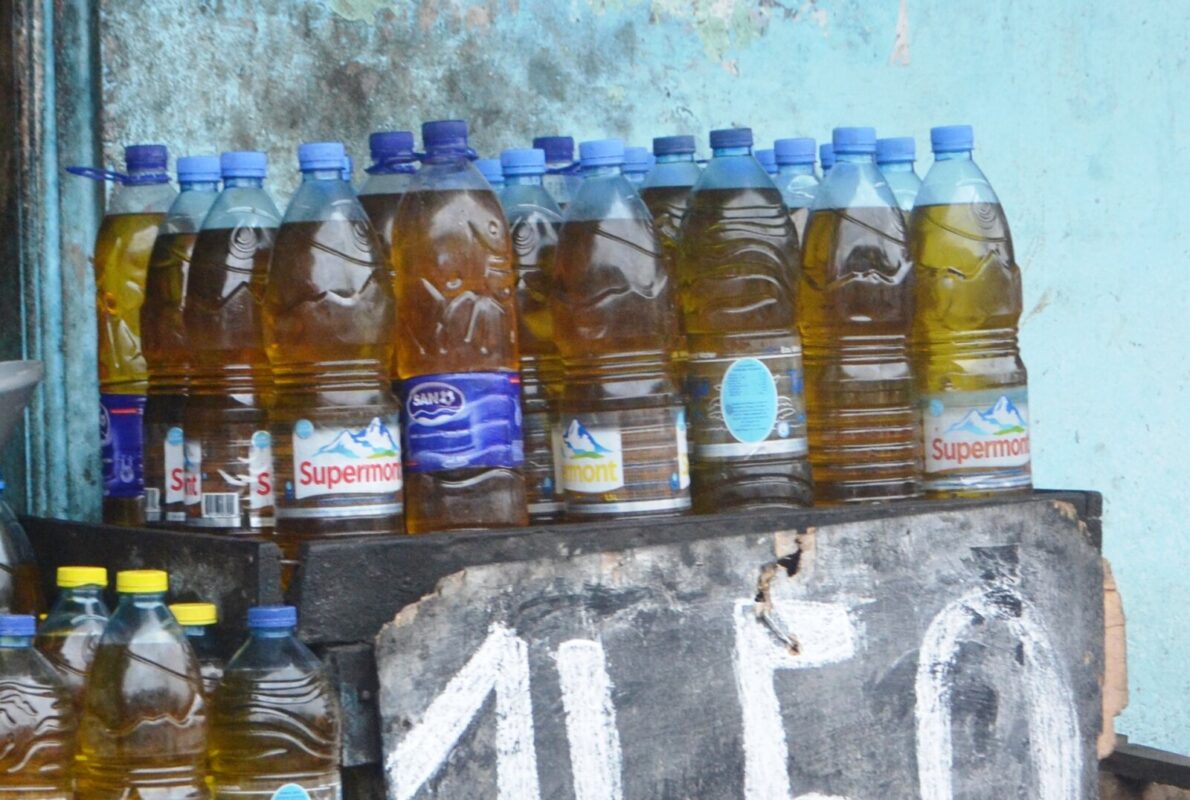
- Clear retail bottles in cool climates. A cloudy bottle on a shelf looks spoiled, even though it isn’t. Customers return it or don’t buy it.
- Cold nights. Highland cities, deserts and northern regions can drop below 10 °C at night even when days are warm.
- Long overland routes in winter. Trucks crossing mountains can chill oil hard.
- Unheated warehouses. Concrete floors and metal roofs make cold rooms colder.
- Chilled storage. Sauces, dressings and products kept in the fridge.
If none of those apply to you, CP10 does the same job for less money. If one or more do, the CP8 vs CP10 palm oil difference is worth paying for.
Which Markets Usually Pick Which Grade
This is a rough guide based on what we see. Your own climate and supply chain may differ.
| Market type | Usual choice | Why |
|---|---|---|
| Hot tropical coasts | CP10 | Oil never gets cold |
| Hot climates with cold winters | CP10 in summer, CP8 in winter | Seasonal switch |
| Highlands and deserts | CP8 | Cold nights |
| Retail packers using clear PET | CP8 | Shoppers see the oil |
| Food factories with heated tanks | CP10 | Heating removes the issue |
| Restaurants and fryers | CP10 | Oil is used hot |
| Northern and temperate markets | CP8 or super olein | Long cold seasons |
Plenty of our buyers take both grades in the same year. They load CP10 for the warm months and switch to CP8 for shipments that land in winter.
Seasonal Switching in Practice
Here’s how a lot of importers in markets with a cool season handle it:
| Loading month | Arrival | Grade |
|---|---|---|
| March to August | April to September | CP10 |
| September | October | CP10 or CP8 |
| October to January | November to February | CP8 |
| February | March | CP8, then back to CP10 |
Work backwards from when the oil will be on your customers’ shelves, not when it loads in Thailand. Transit can take anything from a week to two months, so time it carefully.
The Price Side of the CP8 vs CP10 Palm Oil Difference
CP8 usually costs a bit more per ton than CP10. How much depends on the market at the time and on how tight CP8 supply is. The premium tends to widen a little in the months before winter in the northern hemisphere, when more buyers switch.
Both grades follow the wider palm oil market, which you can track through the Malaysian Palm Oil Board. For detail on CP10 pricing, read RBD palm olein CP10 bulk price. For CP8, see CP8 palm oil price per ton.
A useful way to think about it: is the premium smaller than what you lose in returned bottles, discounted stock and annoyed customers in winter? If yes, buy CP8. If your oil never sees the cold, it’s wasted money.
7 Proven Facts About the CP8 vs CP10 Palm Oil Difference
1. Both grades are the same quality
Same FFA, moisture, peroxide and colour limits. CP8 isn’t “better oil”. It’s softer oil.
2. Cloudiness isn’t spoilage
If CP10 or CP8 goes cloudy, it has just been cold. Warm it and it clears. It’s safe to use.
3. Both will go solid if cold enough
CP8 just needs a lower temperature before it starts. Neither is a winter oil in really cold climates.
4. Flexitanks of either grade arrive semi-solid
After weeks at sea, both grades usually need heating before discharge. See how to unload palm oil from a flexitank.
5. Iodine value tracks cloud point
Higher iodine value means softer oil and a lower cloud point. If a CP8 offer has a low iodine value, ask why.
6. Blending changes things
Mixing palm olein with soybean, sunflower or canola oil lowers the cloud point of the blend. Some packers blend CP10 with a soft oil instead of buying CP8.
7. Storage temperature beats grade choice
A warehouse kept above 15 °C solves most cloudiness problems for either grade. Our refined palm oil storage and handling guide explains how.
Packing Options for Both Grades
We pack CP8 and CP10 in the same ways:
| Packing | Approx. per 20 ft container | Good for |
|---|---|---|
| Flexitank | 20 to 22 MT | Importers, packers, factories |
| ISO tank | 20 to 23 MT | Regular bulk buyers |
| Steel drums | About 80 drums of 180 to 190 kg | Smaller factories |
| 18 litre tins | Varies | Restaurants, bakeries |
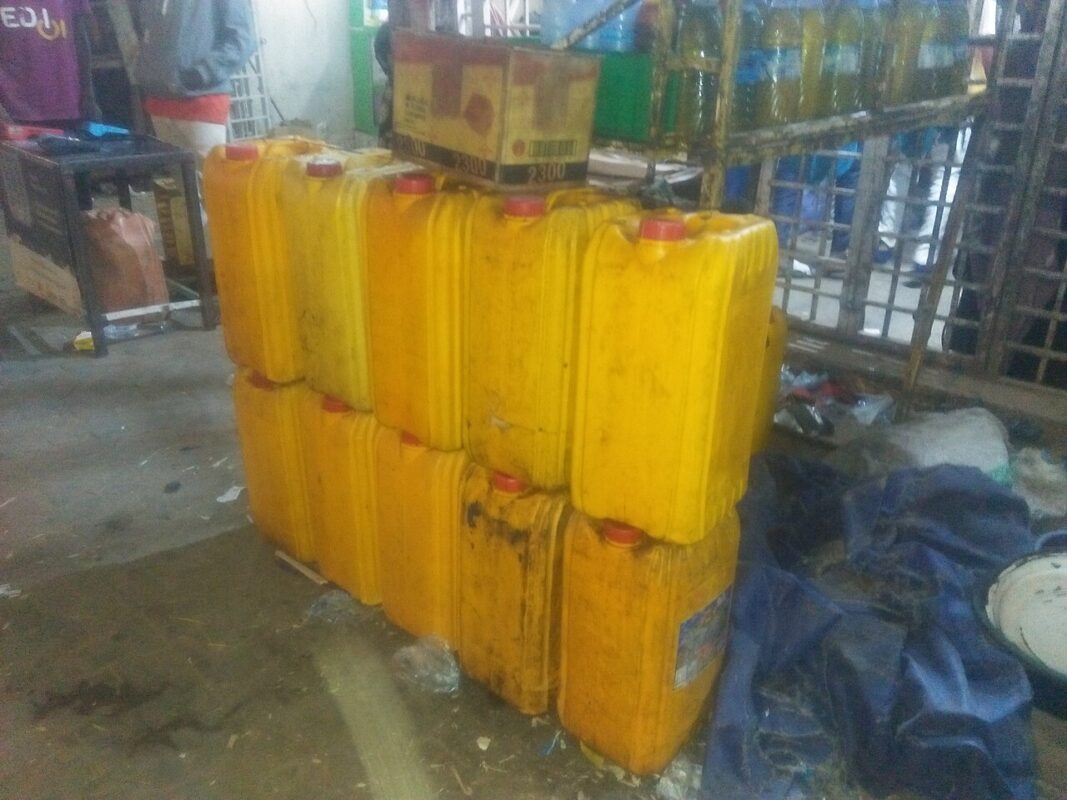
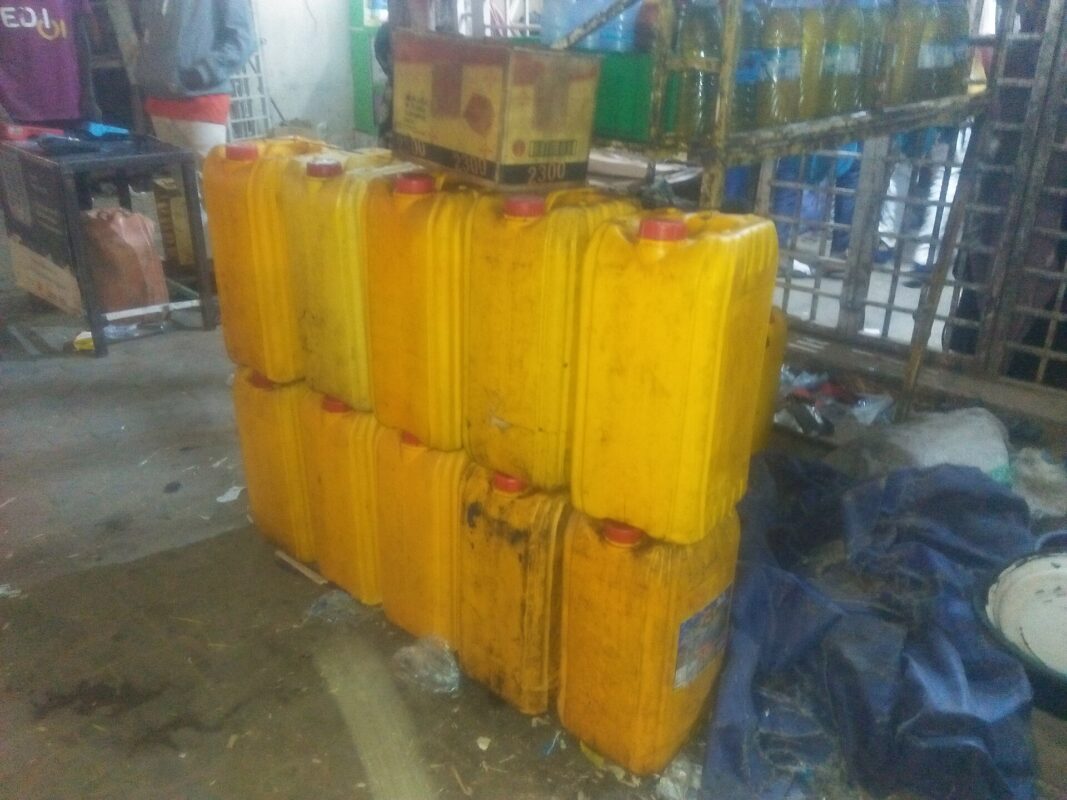
| 20 and 25 litre jerrycans | Varies | Wholesale and food service |
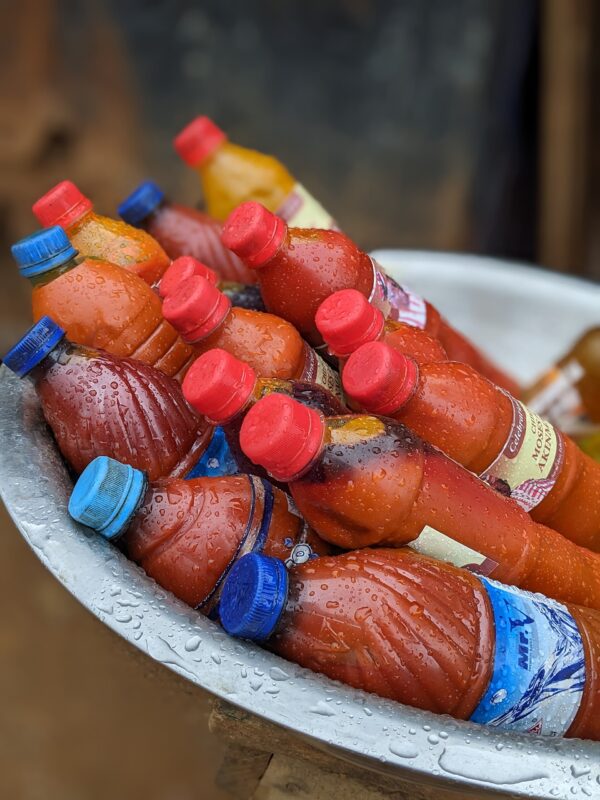
| PET bottles, 1 to 5 litres | Varies | Retail shelves |
A common setup: CP8 in clear bottles for retail, CP10 in tins and jerrycans for food service. That way you only pay the CP8 premium where the customer can actually see the oil. There’s more on this in refined palm oil packaging options.
How to Test the Difference Yourself
If you want to see the CP8 vs CP10 palm oil difference with your own eyes, it’s easy. Ask us for a sample of each. Pour them into two identical clear bottles. Put both in the coldest place you have overnight, a fridge set to around 8 to 9 °C works well. In the morning, the CP10 will usually show haze and the CP8 will still look clear or nearly clear. Then leave them in the coldest corner of your warehouse for a week in winter. That test tells you more than any spec sheet.
For a lab check, the cloud point method is AOCS Cc 6-25. Any edible oil lab can run it.
The CP8 vs CP10 Palm Oil Difference for Food Factories
Factories are where I see the most money wasted on the wrong grade. A noodle plant, a snack line or a biscuit bakery almost always stores oil in heated tanks and uses it hot. In that setting, the CP8 vs CP10 palm oil difference basically disappears. The oil never gets cold enough to cloud, so the extra fractionation buys you nothing.
There are a few exceptions. If your factory has unheated day tanks, or you draw oil from drums kept outside in winter, cold can still be a problem. Some factories also make products that are stored chilled, like dressings, and those can show cloudiness. In those cases CP8 or a blend makes sense. For everyone else, CP10 in a flexitank or ISO tank is the sensible buy. Our guide on palm oil for instant noodle manufacturing shows how one type of plant thinks about this.
The CP8 vs CP10 Palm Oil Difference for Repackers and Brand Owners
If you put oil in a bottle with your name on it, the picture changes. Your customer judges your brand by what the oil looks like on the shelf. A bottle that clouds on a cold morning will get picked up, looked at and put back. That lost sale is the real cost of choosing the wrong grade.
For brand owners, I’d look at the CP8 vs CP10 palm oil difference this way. Work out your coldest shop temperature, not your warehouse temperature. Shops near doors, in markets with open fronts, or in towns without heating can be several degrees colder than your store room. If that temperature drops below 10 °C, use CP8 in your clear packs for those months.
Some brand owners keep a single grade all year for simplicity. That’s fine if your market is warm. If it isn’t, switching for winter is cheaper than dealing with complaints. We do private label palm oil in both grades, so the label can stay the same while the oil inside changes.
Common Mistakes Buyers Make
A few things come up again and again:
- Buying CP8 for a fryer. It works, but you’re paying for cold behaviour you’ll never use.
- Buying CP10 for clear bottles in winter. This is the one that leads to complaints.
- Judging oil by a cold sample. A sample that sat in an air-conditioned office may look cloudy even if it meets spec. Warm it to room temperature before you judge.
- Not writing the cloud point into the contract. “Palm olein” alone could mean either grade, or something else entirely.
- Assuming a lower price means the same oil. Check the cloud point and iodine value on the certificate, not just the name on the invoice.
Getting the CP8 vs CP10 palm oil difference right at the contract stage avoids every one of these.
Questions to Ask Any Supplier About CP8 and CP10
- What cloud point do you guarantee, and by which test method?
- What’s the iodine value on each grade?
- Is the cloud point tested at loading?
- Can you send a certificate of analysis from a recent lot?
- Can I switch grades mid-contract for winter shipments?
- What’s the premium for CP8 right now?
If a supplier can’t answer those clearly, keep looking. We’re happy to answer all of them in writing. Read more about us or see our palm oil range.
Other Options If Neither Grade Fits
Sometimes neither grade is right. If you sell clear bottles in a really cold climate, look at double fractionated super olein, or a blend of palm olein with soybean or sunflower oil. If you run a refinery, you may prefer to buy crude oil and fractionate it yourself. See crude palm oil CP0 export. If your customers want certified sustainable oil, both grades are available as RSPO certified. More in RSPO certified palm oil Thailand, or on the RSPO site.
What to Tell Us When You Ask for a Quote
If you’re not sure which grade you need, don’t guess. Give us a bit of information and we’ll tell you honestly what we’d buy in your position. The useful details are:
- Your destination port and the inland area where the oil ends up.
- The coldest month and rough night temperatures there.
- How the oil is stored: heated tanks, warehouse, shop shelves.
- What it’s packed in when your customer sees it.
- What it’s used for: frying, food manufacturing, retail.
- Your monthly volume and preferred packing.
With that, we can usually say in one reply whether the CP8 vs CP10 palm oil difference matters for you, or whether CP10 will do the job and save you money.
Documents and Shipping
Whichever grade you choose, the documents are the same: commercial invoice, packing list, bill of lading, certificate of analysis, certificate of origin, Halal and health certificates, and inspection and insurance certificates where ordered. We ship worldwide on FOB, CFR or CIF terms; the ICC Incoterms rules explain each one. Products sit under the Codex standard for named vegetable oils from Codex Alimentarius.
FAQs on the CP8 vs CP10 Palm Oil Difference
Is CP8 healthier than CP10?
Not in any meaningful way. The fat profiles are very close.
Which grade is better for frying?
They fry the same. CP10 is the usual choice because it’s cheaper.
Can I mix CP8 and CP10 in one container?
Yes, if they’re in separate packs. Many buyers do.
Why did my CP10 go cloudy?
It got colder than 10 °C. Warm it and it clears.
Will CP8 stay clear in a fridge?
Usually not for long. Most fridges run at 3 to 5 °C, below CP8’s cloud point.
What’s the minimum order?
One 20 ft container of either grade, or a mix of both.
Get a Quote for CP8, CP10 or Both
Now that the CP8 vs CP10 palm oil difference is clear, tell us which grade, or which mix, you need. Send quantity, packing, destination port and Incoterm. We’ll come back with a written offer for one or both grades, with specs and a load plan, usually within one working day.
Email info@dthcompanyltd.com, call or WhatsApp +66 91 765 9104, or use our contact page. You can also see our refined palm oil CP8 and refined palm oil CP10 product pages.