Palm olein importers in Bangladesh run one of the busiest edible oil trades in South Asia. Palm olein is the oil most Bangladeshi families cook with every day, and it fills the fryers of street food stalls, restaurants, biscuit factories and snack makers across the country. Almost all of it is imported. That puts a lot of weight on the importers, refiners and distributors who keep it flowing, and on the suppliers they choose.
We make and export refined palm olein, crude palm oil and other vegetable oils to buyers worldwide, including importers, refiners, packers and distributors in South Asia. This guide is written for palm olein importers in Bangladesh, and for anyone thinking of joining them. It covers the market, the grades that sell, packing, shipping into Chattogram and Mongla, the rules to check, and what to look for in a supplier. Our palm olein specifications and pack sizes are near the end.
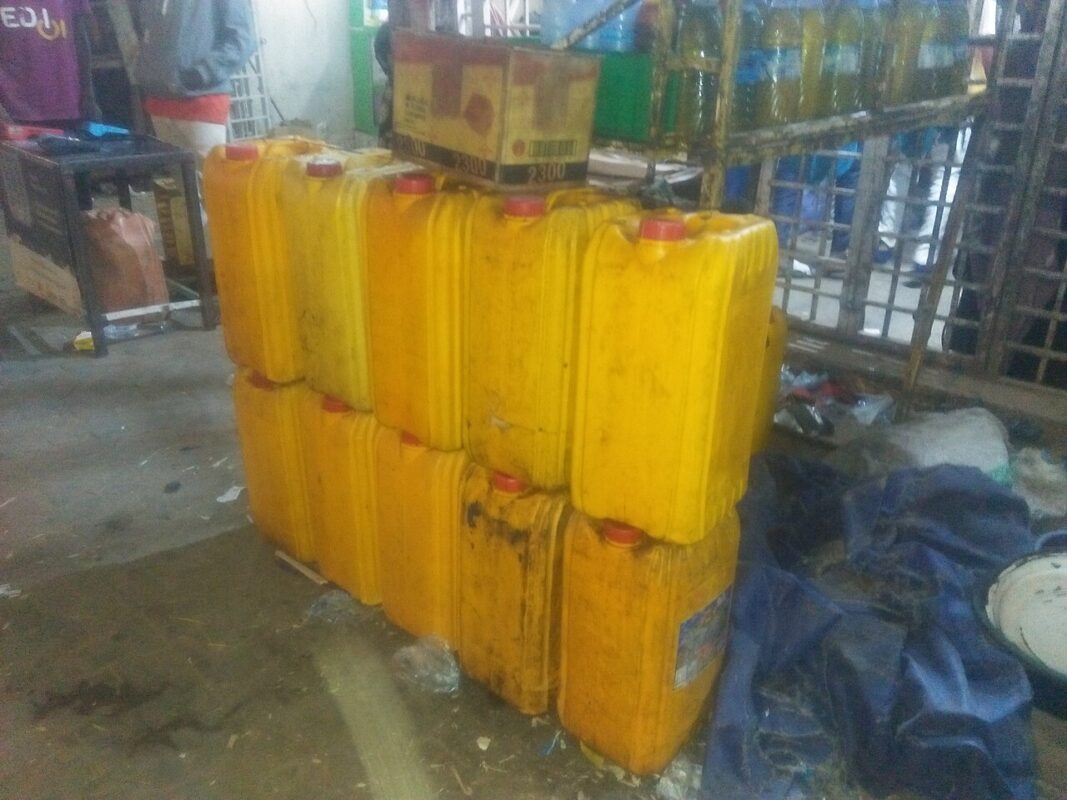
Table of Contents
The Bangladesh Palm Olein Market in Brief
Bangladesh produces very little edible oil of its own, so the country imports most of what it eats. Palm oil and soybean oil make up the bulk of those imports, with palm usually the larger share by volume because it’s cheaper. Most palm comes from Indonesia and Malaysia, with some refined olein and packed oil from Thailand and other suppliers.
The trade has three layers, and palm olein importers in Bangladesh sit in all of them:
- Large refining groups bring in crude palm oil or RBD palm olein by bulk vessel, refine or fractionate it locally, and sell bottled and loose oil under their own brands.
- Mid-sized palm olein importers in Bangladesh buy refined olein in flexitanks, ISO tanks or drums and repack it, or sell it on to bakeries and factories.
- Packed oil importers bring in finished bottles, jerrycans and tins, often under private label.
If you’re new to the trade, the second and third groups are where most new palm olein importers in Bangladesh start. You don’t need a refinery, and you can begin with a few containers.
Why Palm Olein Sells So Well in Bangladesh
The reasons are simple:
- Price: palm olein is usually the cheapest cooking oil on the market.
- Frying: it’s very stable in hot oil, which suits the deep fried snacks, parathas and street foods that are part of daily life.
- Climate: Bangladesh is warm for most of the year, so palm olein stays liquid and clear most months.
- Habit: families and food businesses are used to it.
Soybean oil competes as a slightly more premium bottled oil, and some families mix the two. Mustard oil keeps its place for traditional dishes. But for volume, palm olein is the oil that palm olein importers in Bangladesh move by the hundreds of thousands of tons.
Grades That Sell in Bangladesh
Not all palm olein is the same, and palm olein importers in Bangladesh need to pick the grade for the season. The main difference is the cloud point, the temperature at which the oil starts to turn hazy.
| Grade | Cloud point | Best season in Bangladesh | Typical buyer |
|---|---|---|---|
| Palm olein CP10 | 10 C max | March to November | Loose oil trade, bakeries, food factories |
| Palm olein CP8 | 8 C max | All year, especially winter | Bottled oil, retail brands |
| Super palm olein | 6 C max or lower | Winter, premium bottles | Premium retail, blends |
| Crude palm oil | Not applicable | All year | Local refiners |
| RBD palm oil | Not applicable | All year | Bakery fats, soap, vanaspati makers |
Winter nights in the north of the country can drop to around 10 C or below. CP10 olein can cloud in those conditions, which worries shoppers even though the oil is fine. That’s why many palm olein importers in Bangladesh switch to CP8 or super olein for shipments arriving from November to February, and back to CP10 for the warmer months. Our post on CP8 vs CP10 palm oil explains this seasonal switch in detail.
Loose Oil vs Bottled Oil
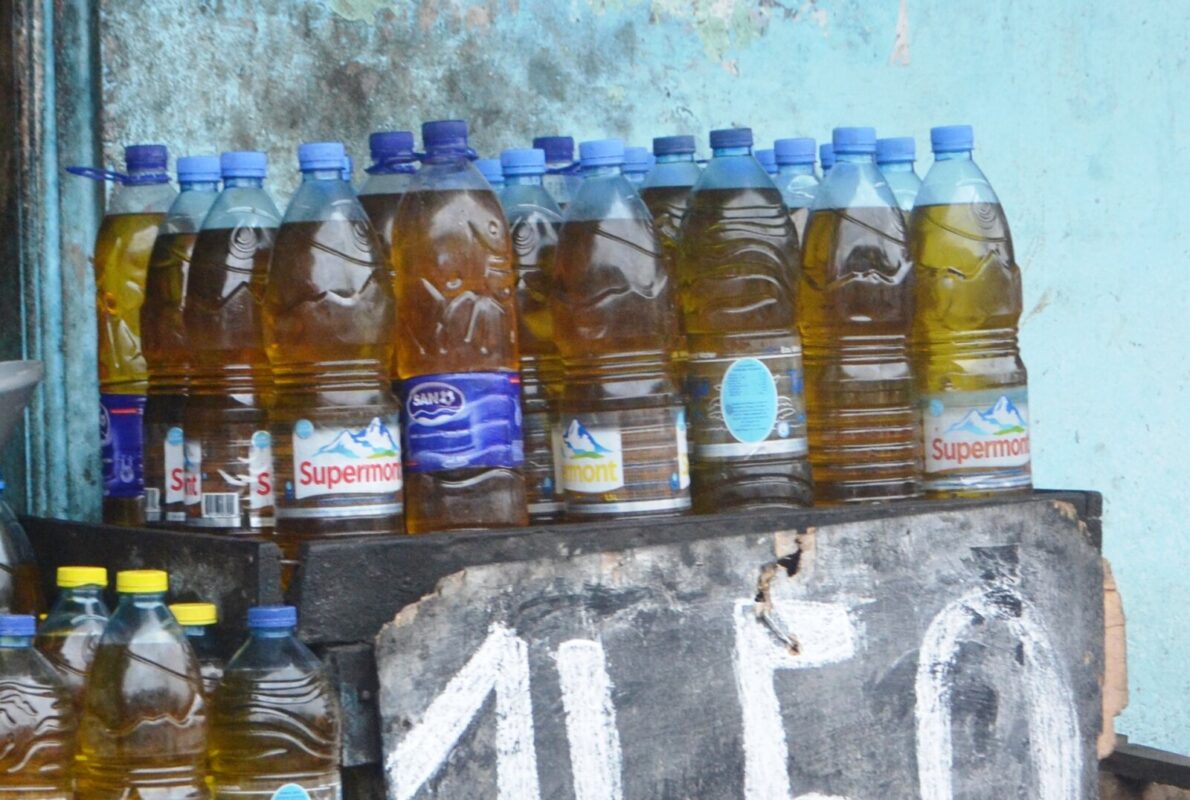
For years, a lot of palm olein in Bangladesh was sold loose, from drums at local markets. The government has been pushing the trade towards packed oil for food safety and fortification reasons, and packed oil keeps growing. That shift matters for palm olein importers in Bangladesh, because it changes what you need to buy.
- If you supply loose oil to wholesalers, bulk olein in flexitanks or drums still works, but check the latest rules on loose sales and fortification first.
- If you sell to supermarkets and retail, bottled oil with a proper label and BSTI mark is the way forward.
- If you supply bakeries and factories, bulk and jerrycans remain the norm.
Fortification With Vitamin A
Fortification is a rule every one of the palm olein importers in Bangladesh has to follow. Bangladesh requires edible oil sold for consumption to be fortified with vitamin A. This applies to palm olein and soybean oil. Refiners and packers add the vitamin before sale, and the level is checked by the authorities.
If you import refined palm olein to bottle locally, make sure your packing line can dose vitamin A correctly, or ask your supplier whether they can fortify to the Bangladesh level before shipment. We can discuss pre-fortified packed oil for buyers who need it. Always confirm the current required level with the authorities before you place a packed oil order.
Standards and Certification
The Bangladesh Standards and Testing Institution (BSTI) sets the national standards for edible oils, and many food products need the BSTI certification mark before sale. Palm olein importers in Bangladesh should expect testing of imported oil at entry, including free fatty acid, peroxide value, moisture, iodine value and other quality checks.
From your supplier, ask for:
- A certificate of analysis for every lot.
- A certificate of origin.
- A health or phytosanitary certificate if required.
- A halal certificate, which most Bangladeshi buyers expect.
- Non-radiation or other certificates if your customs broker asks for them.
Our guide to documents required to import vegetable oil lists the standard paperwork, and halal certified palm oil supplier covers what a proper halal certificate should show.
Duties, Taxes and Letters of Credit
Import duty, VAT, advance tax and other charges on edible oil in Bangladesh change often. The government adjusts them when prices spike to protect consumers, and loosens or tightens them as markets move. Don’t rely on old numbers. Check the current rates with your customs agent or on the National Board of Revenue website before you price a deal.
Most palm olein importers in Bangladesh pay through letters of credit opened at a local bank. LC margins and the availability of foreign currency can affect how fast you can open an LC, so talk to your bank early. We’re used to working with LCs from Bangladeshi banks and can advise on the document set that makes clean presentation easier.
For HS codes, palm olein usually falls under 1511.90, and crude palm oil under 1511.10. Our palm oil HS code guide explains the classification.
Ports and Shipping
For palm olein importers in Bangladesh, shipping usually means Chattogram. Most edible oil enters through Chattogram, the country’s main seaport, with some cargo through Mongla. Large refiners take bulk vessel parcels into their own tank terminals. Container cargo, whether flexitanks, ISO tanks or packed oil, usually moves through Chattogram’s container terminals. You can read about the Port of Chittagong for background.
Transit time from Southeast Asian loading ports is usually one to three weeks, depending on direct sailings or transshipment through Singapore, Port Klang or Colombo. Container congestion at Chattogram can add days, so build that into your stock planning. We can quote CIF Chattogram or FOB loading port. See CIF vs FOB vegetable oil for the difference.
Flexitanks, ISO Tanks and Packed Oil
Here’s how the packaging choice usually works for palm olein importers in Bangladesh:
| Packaging | Load per 20 ft | Best for |
|---|---|---|
| Flexitank | About 20 to 22 MT | Repackers, bakeries, factories with tanks |
| ISO tank | About 20 to 24 MT | Regular buyers with tank storage |
| 190 kg drums | About 80 drums | Small factories, wholesalers |
| 16 to 20 L tins and jerrycans | About 950 to 1,100 units | Restaurants, caterers, wholesale |
| 1 L to 5 L PET bottles | About 1,500 to 1,650 cartons of 12 x 1 L | Retail and supermarket brands |
Palm olein can thicken in a cold flexitank in winter. Our step by step guide on how to unload palm oil from flexitank explains heating and discharge. For a deeper look at the two bulk options, see flexitank vs ISO tank.
How Palm Olein Importers in Bangladesh Choose a Supplier
The trade has its share of brokers, middlemen and outright scams, and palm olein importers in Bangladesh are a common target because volumes are big. These are the checks we’d make if we were buying:
- Is the company a real producer or a registered exporter? Ask for a business registration and a plant or office address you can verify.
- Can they send a recent certificate of analysis and a sample before contract?
- Do they accept a letter of credit, or do they demand full payment up front by wire? Be wary of the second.
- Will they agree to independent inspection at loading, such as SGS or a similar surveyor?
- Are the specifications in the contract, not just on a brochure?
- Do they answer questions about cloud point, iodine value and peroxide value clearly?
Our posts on fake vegetable oil supplier warning signs and the certificate of analysis for edible oil go through this in detail.
Price Drivers to Watch
Palm olein prices in Bangladesh follow world palm oil markets, mainly Malaysian and Indonesian futures and export policies, plus freight, the taka exchange rate and local taxes. Indonesian export levies and biodiesel blending policies have a big effect on how much palm reaches the world market.
Palm olein importers in Bangladesh who do well usually watch a few signals every week: palm futures, the soybean oil spread, freight rates into Chattogram, and the dollar rate at their bank. Our posts on palm oil wholesale price factors and the cooking oil price forecast 2027 explain the bigger picture.
Quality Points Bangladeshi Buyers Care About
From our experience, these are the quality points that palm olein importers in Bangladesh raise most often:
- Clarity in the bottle, especially in winter. Cloud point matters.
- Light colour. Buyers expect a pale golden oil.
- Neutral smell and taste, with no rancid note after a few months on the shelf.
- Low free fatty acid, so the oil doesn’t foam or smoke early in the fryer.
- Low moisture, so drums and bottles don’t develop sediment.
If your shipment arrives after a hot voyage and sits at the port, peroxide value can creep up. Test on arrival, and store oil in shade and good ventilation. Our guide on refined palm oil storage and handling has practical tips.
Private Label for Bangladesh
Many new palm olein importers in Bangladesh build their own brand rather than reselling someone else’s. We can pack palm olein in 1 L, 2 L, 5 L bottles and 16 L tins under your label, in Bangla and English, with your design. You handle the local registration and marketing. We handle production, filling and export documents. See private label palm oil supplier for how it works.
Other Oils Bangladeshi Importers Buy From Us
A lot of buyers fill a container with more than one product, which helps smaller palm olein importers in Bangladesh spread freight costs and test new lines without a second shipment. Alongside palm olein, palm olein importers in Bangladesh often ask us for:
- Refined soybean oil, the other main bottled oil.
- Refined sunflower oil for premium retail.
- RBD coconut oil for hair oil and cosmetic makers.
- Crude palm oil for local refiners.
For a wider view of palm versus soybean, see palm oil vs soybean oil.
Seasonal Demand: Ramadan, Eid and Winter
Demand for cooking oil in Bangladesh isn’t flat through the year. It rises sharply before and during Ramadan, when families fry more snacks for iftar, and again before Eid. Prices on the local market often climb in those weeks, and the government watches edible oil prices closely at that time.
Experienced palm olein importers in Bangladesh plan for this two to three months ahead. They book shipments so the oil lands well before Ramadan begins, not in the middle of it, when port congestion and price pressure are at their worst. Winter is the other planning point, because that’s when the grade needs to switch to CP8 or super olein. If you plan your year around these two seasons, you avoid most of the stress.
A First Order Plan for New Importers
If you’re placing your first order, here’s a simple plan we suggest:
- Decide your channel: loose wholesale, bakeries and factories, or branded retail.
- Pick the grade for your arrival month: CP10 or CP8.
- Choose packing that suits your channel and your storage.
- Check current duties, taxes, BSTI and fortification rules with your agent.
- Ask your bank about opening a letter of credit and the margin required.
- Request a sample and a certificate of analysis from the supplier.
- Agree the contract with full specifications, inspection and shipping terms.
- Plan port clearance, transport and storage before the ship sails.
Most palm olein importers in Bangladesh start with one or two containers, learn the process, then scale up. That’s a sensible way to do it. A first container teaches you more about clearing, storing and selling than any guide can.
Mistakes New Importers Make
We’ve watched a lot of first orders. The common mistakes are:
- Ordering CP10 for a January arrival, then dealing with cloudy bottles and worried customers.
- Pricing with last year’s duty rates.
- Not planning heating for a flexitank arriving in cool weather.
- Paying a new supplier in full by wire with no inspection.
- Forgetting vitamin A fortification on packed oil.
- Underestimating the time to clear Chattogram during busy months.
None of these are hard to avoid once you know about them. Palm olein importers in Bangladesh who’ve been in the trade for years will tell you the same list, usually with a story attached to each point.
Selling Through Distributors and Dealers
Most oil in Bangladesh reaches shops through a chain of dealers and distributors in Dhaka, Chattogram, Khulna, Rajshahi and other cities. If you’re building a brand, your distributor network matters as much as your oil. Good distributors want steady supply, fair margins and a product that doesn’t cause complaints.
That last point is where your choice of supplier comes back in. A distributor who gets one batch of cloudy or rancid oil may drop your brand. Consistent quality from shipment to shipment is what lets palm olein importers in Bangladesh keep their dealers loyal. That’s also why we put every specification in the contract and send a certificate of analysis with every lot.
Working With Bakeries and Food Factories
Biscuit makers, bakeries, snack and noodle factories are some of the biggest palm users in Bangladesh. They buy steady volumes and usually prefer bulk or drums. For them, palm olein and RBD palm oil are working ingredients, and they care about free fatty acid, frying life and consistent melting behaviour more than shelf appearance.
If you supply these customers, ask what they make and how they store oil. A noodle plant with heated tanks can take flexitanks of RBD palm oil. A small bakery may want 190 kg drums or 18 L tins of olein. Our guide on refined palm oil applications in food industry shows which grade suits which product, and it’s a useful sales tool for palm olein importers in Bangladesh who want to win factory accounts.
Our Palm Olein for Sale
We supply refined palm olein to palm olein importers in Bangladesh and to buyers worldwide. Every lot is produced under ISO 22000, HACCP and GMP, halal certified, and shipped with a certificate of analysis.
- Refined palm olein CP10: the standard grade for most of the year.
- Refined palm olein CP8: for winter shipments and clear retail bottles.
- Super palm olein: on request, for premium bottles.
- RBD palm oil: for bakery fats and vanaspati.
Specifications
| Parameter | Palm olein CP10 | Palm olein CP8 |
|---|---|---|
| Free fatty acid (as palmitic) | 0.1% max | 0.1% max |
| Moisture and impurities | 0.1% max | 0.1% max |
| Iodine value (Wijs) | 56 min | 58 min |
| Cloud point | 10 C max | 8 C max |
| Slip melting point | 24 C max | 22 C max |
| Peroxide value at loading | 2.0 meq/kg max | 2.0 meq/kg max |
| Colour (Lovibond 5.25 inch) | 3.0 red max | 3.0 red max |
| Smoke point | About 230 C | About 230 C |
| Odour and taste | Neutral, bland | Neutral, bland |
| Shelf life | 18 months | 18 months |
Packing
- PET bottles: 1 L, 2 L, 3 L, 5 L.
- Tins and jerrycans: 16 L, 18 L, 20 L.
- Drums: 190 kg.
- Bulk: flexitanks and ISO tanks.
- Private label in Bangla and English.
Many importers compare palm olein with soybean oil before ordering. Our guide to the soybean oil bulk Bangladesh price shows how a CIF Chattogram offer is built.
FAQs for Palm Olein Importers in Bangladesh
Which palm olein grade is best for Bangladesh?
CP10 for most of the year. CP8 or super olein for shipments arriving in the cooler months from November to February, and for clear retail bottles.
Do I need BSTI approval to sell imported palm olein?
Edible oil standards in Bangladesh are set by BSTI, and packed oil generally needs the BSTI mark. Check the current requirements for your product with BSTI or your agent.
Does palm olein in Bangladesh need vitamin A?
Yes. Edible oil for consumption must be fortified with vitamin A. Confirm the current required level before ordering packed oil.
Can you ship CIF Chattogram?
Yes. We quote CIF Chattogram or Mongla, or FOB loading port, for flexitanks, ISO tanks, drums and packed oil.
What is the minimum order?
One 20 ft container. See minimum order quantity for bulk cooking oil.
Talk to Us About Your Next Shipment
If you’re one of the palm olein importers in Bangladesh, or planning to become one, tell us the grade, pack, quantity, arrival month and port. We’ll send a CIF or FOB price with specifications, and samples if you’d like to test first. We work with buyers worldwide, so we can also combine palm olein with other oils in one container. Email info@dthcompanyltd.com, WhatsApp +66 91 765 9104, or use our contact page.