Finding a cosmetic grade coconut oil supplier who sends the same oil every time is harder than it should be. One drum smells faintly of toast, the next is a shade more yellow, and suddenly your lotion batch looks different. We supply refined and virgin coconut oil to soap makers, skincare brands, hair care factories and contract manufacturers around the world, with full specs, test reports and the paperwork a cosmetic lab needs. This page sets out exactly what we sell and how we work.

Table of Contents
What We Sell as a Cosmetic Grade Coconut Oil Supplier
We keep it simple. As a cosmetic grade coconut oil supplier, we know there are three coconut oils most personal care buyers need, and we supply all three.
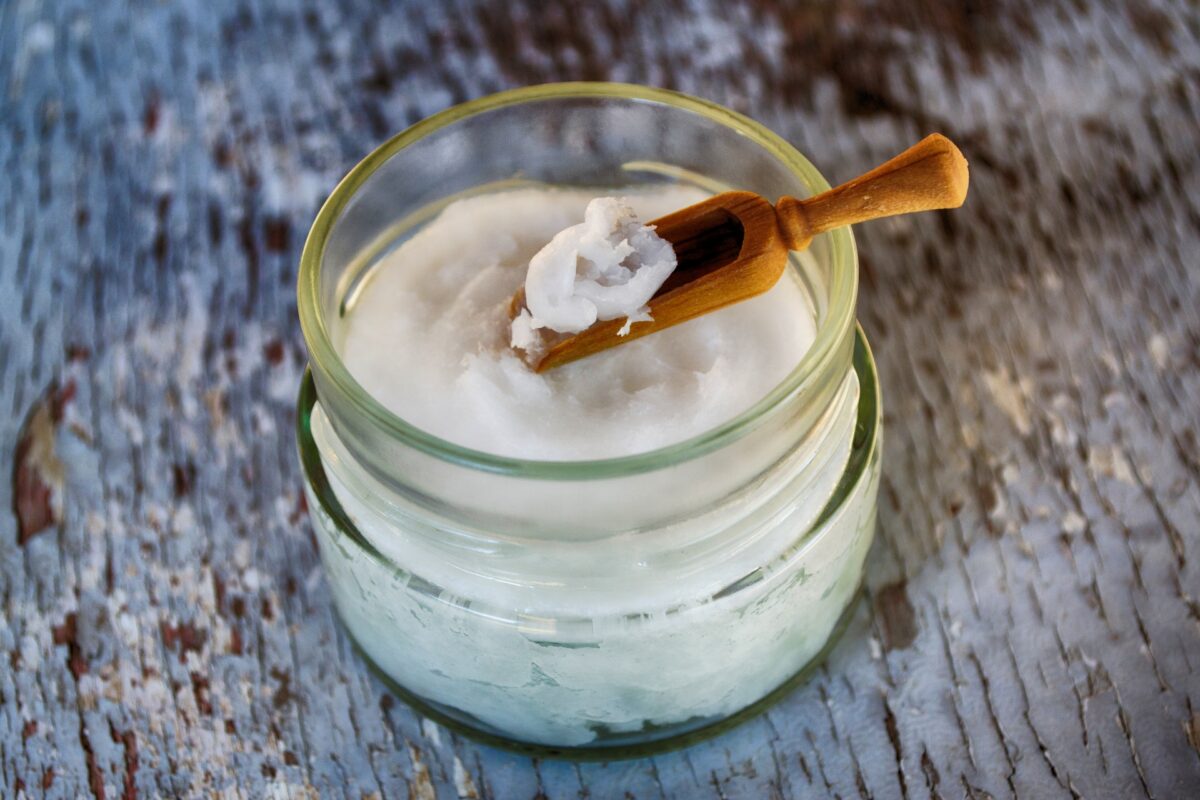
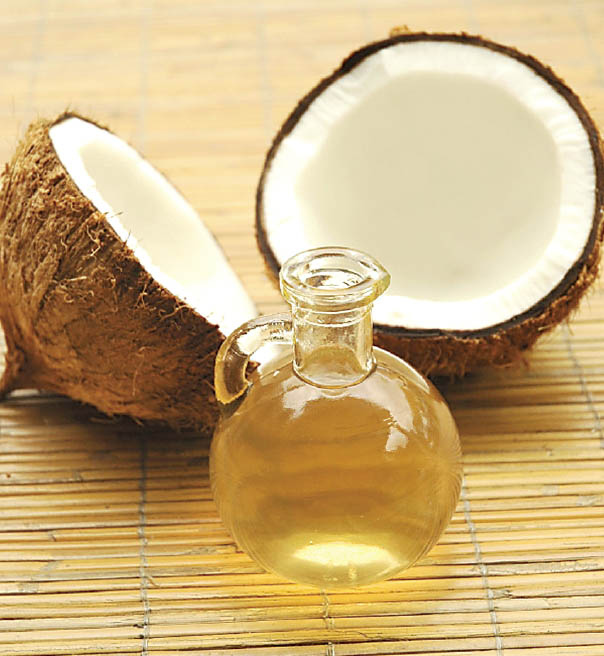
- RBD coconut oil, cosmetic grade. Refined, bleached and deodorized. White when solid, water clear when melted, and close to odourless. This is the workhorse for lotions, creams, balms, soaps and hair oils. See our RBD coconut oil page.
- Virgin coconut oil. Cold pressed from fresh coconut meat, not refined. It keeps a light coconut scent and its natural antioxidants. Brands use it for “natural” and organic claims. Details on our virgin coconut oil page.
- Fractionated coconut oil (on request). The liquid, medium chain fraction. It stays clear at room temperature and is used in massage oils, serums and carrier blends.
We can also supply organic certified virgin coconut oil, and we pack in sizes from 20 kg pails up to full flexitanks. If you’re weighing up the two main grades, our post on RBD coconut oil vs virgin coconut oil lays out the differences.
What “Cosmetic Grade” Should Actually Mean
There’s no single legal definition of cosmetic grade coconut oil, which is exactly why buyers get caught out. Some sellers just relabel food oil. That’s not always wrong, since good refined food oil can be perfectly fine on skin, but a proper cosmetic grade coconut oil supplier should be able to show you more than a food COA.
In practice, when our customers say cosmetic grade, they mean:
- Very low free fatty acid, so the oil doesn’t smell sharp or irritate
- Low peroxide value, so it doesn’t go rancid in a jar that sits in a warm bathroom
- Pale colour that won’t tint a white cream
- No off odour that fights with your fragrance
- Heavy metals tested and within limits
- Microbiology tested, especially for virgin oil
- Traceable batches with a COA and MSDS for each one
The INCI name is Cocos Nucifera (Coconut) Oil, and the CAS number is 8001-31-8. You can look up the ingredient on the EU CosIng cosmetic ingredient database, and the safety review is published by the Cosmetic Ingredient Review panel.
Specifications: RBD Coconut Oil, Cosmetic Grade
Here’s what we guarantee on our refined oil as a cosmetic grade coconut oil supplier. Every lot is tested before it leaves, and the COA goes with the shipment.
| Parameter | Specification |
|---|---|
| Appearance | White solid below 24°C, clear liquid above |
| Odour | Neutral, practically odourless |
| Free fatty acid (as lauric) | Max 0.05% |
| Peroxide value | Max 0.5 meq/kg |
| Moisture and volatile matter | Max 0.05% |
| Colour (Lovibond 5¼”) | Max 1.0 red / 10 yellow |
| Iodine value | 7 to 11 |
| Saponification value | 248 to 265 mg KOH/g |
| Melting point | 24 to 26°C |
| Lauric acid (C12) | 45 to 52% |
| Lead | Max 0.1 ppm |
| Arsenic | Max 0.1 ppm |
| Shelf life | 24 months sealed, stored cool and dry |
The full fatty acid profile is in our RBD coconut oil specification. If you want to know why lauric acid matters so much for skin feel and lather, see lauric acid in coconut oil.
Specifications: Virgin Coconut Oil for Cosmetics
| Parameter | Specification |
|---|---|
| Appearance | Water clear liquid above 25°C, white solid below |
| Odour and taste | Mild, fresh coconut |
| Free fatty acid (as lauric) | Max 0.2% |
| Peroxide value | Max 1.0 meq/kg |
| Moisture | Max 0.1% |
| Lauric acid | 47 to 53% |
| Total plate count | Max 1,000 cfu/g |
| Yeast and mould | Max 100 cfu/g |
| E. coli and Salmonella | Absent |
| Processing | Cold pressed, no chemicals, no refining |
For the complete sheet, read our virgin coconut oil specification.
Where Our Coconut Oil Ends Up
As a cosmetic grade coconut oil supplier, we see our oil go into a long list of products. A few of the common ones:
Soap
Coconut oil gives soap its big, fluffy lather and hardness. Most cold process recipes use 20 to 30%. Soap makers often prefer RBD oil because it’s cheaper and neutral. We’ve written a full guide on coconut oil for soap making.
Lotions, creams and body butters
It adds slip and a quick absorbing, silky feel. In emulsions it’s usually 3 to 15% of the formula. Here colour and odour really matter, so cosmetic grade RBD oil is the usual pick.
Hair oils and conditioners
Coconut oil is one of the few oils that’s thought to get into the hair shaft well, which is why it’s so popular in hair care, especially in South Asia and Africa. Both RBD and virgin work.
Lip balm and stick products
Its melting point near body temperature makes it melt nicely on contact. We have more on that in our post on coconut oil melting point.
Massage and carrier oils
Fractionated coconut oil is the favourite here because it stays liquid and doesn’t stain linen.
RBD or Virgin: Which Should You Buy?
| Point | RBD coconut oil | Virgin coconut oil |
|---|---|---|
| Smell | Neutral | Light coconut |
| Colour | White, very pale | White, clear |
| Natural antioxidants | Mostly removed | Retained |
| Marketing claims | Limited | Natural, cold pressed, organic possible |
| Price | Lower | Higher |
| Best for | Soap, creams, mass market products | Premium, natural and organic brands |
Lots of brands use both. RBD in the base, and a little virgin on the label story. A good cosmetic grade coconut oil supplier should be happy to help you work that out rather than just selling you the dearest option.
Packing Options
As a cosmetic grade coconut oil supplier, we pack to suit your plant, from a small brand doing test batches to a factory taking a tank a month.
| Packing | Net weight | Approx. per 20ft container |
|---|---|---|
| HDPE pail | 18 to 20 kg | About 18 MT (on pallets, fewer) |
| Steel or HDPE drum | 180 to 190 kg | About 15 MT (80 drums) |
| IBC tote | About 900 kg | About 18 MT (20 IBCs) |
| Flexitank | 20 to 22 MT | One per container |
Drums and pails are lined and food safe, sealed with tamper evident caps. Coconut oil solidifies below about 24°C, so in cooler countries you’ll want a warm room or drum heater to melt it before use. That’s normal, and it doesn’t harm the oil.
Documents a Cosmetic Grade Coconut Oil Supplier Should Give You
Cosmetic regulations in most markets put the responsibility on the brand to prove each ingredient is safe. So your supplier needs to make that easy. With every order we supply:
- Certificate of analysis for each batch
- Material safety data sheet (MSDS / SDS)
- Technical data sheet with full fatty acid profile
- Heavy metals report
- Microbiology report (virgin oil)
- Allergen and GMO statements
- Certificate of origin
- Halal and kosher certificates on request
- Organic certificate for organic virgin oil
If you’re making certified natural or organic cosmetics, check what your certifier needs. Many follow the COSMOS standard, and we can supply oil with the right paperwork for it. You’ll also need the right customs code, which is covered in our coconut oil HS code post.
How We Price Cosmetic Grade Coconut Oil
Coconut oil prices follow copra, the dried coconut meat, which comes mostly from the Philippines, Indonesia, India and Sri Lanka. Weather, typhoons and demand from the food and oleochemical industries all move it. It’s usually priced well above palm kernel oil, its closest cousin.
What you pay with us depends on:
- Grade (RBD, virgin, organic virgin, fractionated)
- Packing size, since pails cost more per kilo than a flexitank
- Volume and whether it’s a one off or a monthly program
- Destination and Incoterm (FOB, CFR or CIF)
For a feel for bulk levels, see our coconut oil price per ton guide. For a firm number, just ask. As a cosmetic grade coconut oil supplier we quote with a validity date because copra moves week to week.
How to Check a Cosmetic Grade Coconut Oil Supplier Before You Buy
We’d suggest doing this with any cosmetic grade coconut oil supplier, us included.
- Ask for a sample and its COA. Melt it. Smell it warm. Make a small test batch.
- Compare the COA to the sample. Send it to a lab if the order is big. The numbers should match.
- Ask for the MSDS and heavy metals report. A real cosmetic grade coconut oil supplier will have them ready.
- Check batch consistency. Ask for COAs from three recent lots. Look for steady FFA and colour.
- Talk to them. A video call tells you a lot. So does how quickly they answer technical questions.
7 Proven Tips for Working With a Cosmetic Grade Coconut Oil Supplier
- Write the spec into the contract. FFA, PV, colour, odour and heavy metals. If it’s not in writing, it’s not guaranteed.
- Keep a retained sample from each lot. If there’s ever a question months later, you’ll have proof.
- Buy in the right size. Don’t take a flexitank if you only use two drums a week. Oil sitting open for months loses freshness.
- Store it cool and dark. Heat and light speed up rancidity, even in stable coconut oil.
- Melt gently. Use a warm room or band heater at 40 to 50°C. Don’t blast it with steam.
- Plan for copra swings. Agree a price for several months if your budget needs certainty.
- Stick with a cosmetic grade coconut oil supplier who stays consistent. Changing oil means re-testing formulas. Consistency is worth paying a little for.
Coconut Oil Next to Other Cosmetic Oils
Formulators often ask how coconut compares with palm, shea or sunflower in skincare. Coconut is lighter and faster absorbing than shea, more lathering than palm in soap, and far more stable than sunflower. Many products combine them. If palm is part of your formula too, our article on palm oil in cosmetics and personal care is worth a read, and so is MCT oil vs coconut oil if you’re looking at fractionated oil. The coconut oil entry on Wikipedia covers the chemistry in more depth.
Private Label and Repacking
Some of our customers sell coconut oil straight to consumers as a beauty oil. We can fill virgin or RBD coconut oil into jars, PET bottles or pouches under your brand, with your label and batch coding. See our private label vegetable oil page for how that works. Minimums are usually one 20ft container, which can be split across a few sizes.
Who We Supply
We’re a cosmetic grade coconut oil supplier to buyers in Europe, North America, the Middle East, Africa, Asia and Oceania. Our customers range from handmade soap studios buying a pallet of pails to contract manufacturers taking monthly flexitanks. Bulk buyers can also look at our virgin coconut oil bulk supplier page and the full coconut oil range. To learn about us as a company, see about us.
Where the Coconuts Come From
Buyers ask their cosmetic grade coconut oil supplier about origin more than they used to, and they’re right to. Coconut oil quality starts well before the refinery. Our oil comes from established mills in the main coconut belts of Southeast and South Asia. For RBD oil, the starting point is copra, which is coconut meat dried in the sun or in kilns. Good, clean copra dried properly gives crude oil with low FFA, and that makes for a cleaner refined product. Poorly dried copra goes mouldy, and no refinery can fully hide that.
Virgin oil is a different story. It’s pressed from fresh coconut meat within hours of opening the nut, usually by cold pressing or a centrifuge process. There’s no copra stage, which is why it keeps that fresh, light scent.
We can tell you which region each lot comes from, and for organic oil we supply the full chain of custody paperwork. If you need deeper traceability for your own sustainability reporting, tell us at the start and we’ll set it up. Any cosmetic grade coconut oil supplier worth working with should be able to answer the origin question without hesitating.
How We Check Every Lot
Here’s what happens before a drum leaves for your factory.
- Raw material check. Crude oil or fresh meat is tested on arrival at the mill for FFA and moisture.
- In process testing. During refining, colour, FFA and odour are checked after bleaching and deodorizing.
- Final lab test. The finished lot is tested against the full spec: FFA, PV, moisture, colour, iodine value and fatty acids.
- Heavy metals and micro. Sent to an accredited lab on a lot basis.
- Sensory check. Someone actually melts and smells it. Machines miss things a nose doesn’t.
- Retained sample. We keep a sealed sample from each lot for at least the shelf life of the product.
For bigger orders, we’re happy for your own surveyor to sample at loading. That’s standard practice and any serious cosmetic grade coconut oil supplier should welcome it.
Formulation Problems We Get Asked About
We’re not a formulation lab, but after years as a cosmetic grade coconut oil supplier we hear the same questions often enough to share the usual answers.
| Problem | Usual cause | What helps |
|---|---|---|
| Grainy body butter | Slow cooling, fat crystals forming unevenly | Cool quickly after melting, or temper the batch |
| Cream turns yellow over time | Oxidation of oils in the formula | Lower PV oil, add an antioxidant, use opaque packaging |
| Faint coconut smell in an unscented product | Virgin oil used instead of RBD | Switch to deodorized RBD oil |
| Soap too drying | Coconut oil percentage too high | Keep it near 20 to 30%, raise superfat |
| Oil separating in a balm | Melting point mismatch between ingredients | Adjust wax ratio or add a harder butter |
If you’re stuck on something, send us the details. Sometimes it’s the oil and sometimes it isn’t, but it’s always worth a conversation.
Lead Times and What a Typical Order Looks Like
For stock grades in drums or pails, we can usually load within one to two weeks of a confirmed order. Flexitanks are similar. Organic virgin oil and private label fills take a little longer, often three to five weeks, because of certification checks, printing and filling slots.
A typical first order from a mid size skincare brand might be a mixed 20ft container: forty drums of RBD coconut oil and a few pallets of virgin coconut oil in pails. That gives the brand enough base oil for several months and a premium oil for its natural line, all on one set of shipping documents. We’re used to building mixed loads like that. If a smaller order works better for you while you test us as a cosmetic grade coconut oil supplier, ask and we’ll see what we can consolidate.
Why Brands Stay With Us
A cosmetic brand can’t change its coconut oil every few months. Every switch means stability testing, maybe new safety paperwork, and the risk that the product feels different to customers who already love it. So the buyers who stay with us long term usually tell us the same three things matter most.
The oil is consistent. Colour, odour and FFA are steady from lot to lot. The paperwork is right first time, so their regulatory team doesn’t have to chase anything. And when something does go wrong, like a delayed vessel or a copra shortage after a typhoon, we tell them early and help find a way through. None of that is complicated. It’s just what a dependable cosmetic grade coconut oil supplier should do, and frankly what we’d want if we were in your seat.
Price matters too, of course, and we work hard to stay competitive. But we’d rather be the cosmetic grade coconut oil supplier you never have to worry about than the cheapest one you have to check up on every week.
Shipping Coconut Oil Safely
Coconut oil is a forgiving cargo, but it still needs care. In hot months it will be fully liquid in transit, so drums must be sealed tight and stowed upright. In cold months it will arrive solid, which is fine. Flexitanks for coconut oil should have a heating pad so the oil can be melted and pumped out at your end.
We book containers that are clean, dry and odour free, because coconut oil picks up smells easily. A shipment that smells of the last cargo is no use to a skincare brand, however good the lab numbers look. That attention to the small things is part of being a cosmetic grade coconut oil supplier rather than just an oil trader.
Frequently Asked Questions
Is food grade coconut oil safe for cosmetics?
Often, yes. Good refined food grade oil can meet cosmetic needs. The difference with a cosmetic grade coconut oil supplier is the extra testing and paperwork, such as heavy metals, microbiology and an MSDS, that cosmetic regulators expect.
What’s the minimum order?
For pails and drums, we can start from a pallet with some consolidation. For the best price, one 20ft container.
Can I get organic coconut oil?
Yes. We’re an organic certified cosmetic grade coconut oil supplier for virgin coconut oil, subject to availability.
Why does my coconut oil look solid or grainy?
It’s below its melting point. That’s normal. Warm it gently and it turns clear again. Graininess usually comes from melting and cooling too slowly.
Do you send samples?
Yes. We send samples with COA and MSDS. You cover the courier, and we credit it on your first order.
How long is the shelf life?
Around 24 months for sealed RBD oil and 18 to 24 months for virgin, stored cool and dark.
Talk to a Cosmetic Grade Coconut Oil Supplier Today
Tell us what you make, the grade you want, how much you use a month, the packing and your destination. We’ll send a price, specs, MSDS and a sample, usually within one working day.
Email info@dthcompanyltd.com, call or WhatsApp +66 91 765 9104, or use our contact page. We’re a cosmetic grade coconut oil supplier that’s happy to talk through formulas, not just prices.