


Cooking oil importers in Kenya work in one of the toughest edible oil markets in Africa. Prices move with every change in world palm oil markets, duty rules have shifted several times in the last few years, KEBS checks are strict, and buyers at the other end are very sensitive to price. Get the supplier wrong and you can lose a whole container’s margin, or the container itself. We’ve seen it happen to cooking oil importers in Kenya more than once.
We supply crude and refined vegetable oils to importers, refiners, distributors and food factories in East Africa and around the world. This guide is written for cooking oil importers in Kenya, and for anyone thinking of becoming one. It covers what the market buys, the KEBS and fortification rules, duties and levies, the Mombasa route and onward transit, the specifications and packing we supply, and how to check a supplier before you send money.
We’re an oil supplier, not a tax adviser. Duty rates and rules in Kenya change, sometimes every July with the EAC budget cycle. Always confirm the current position with your clearing agent before you sign a contract.
Table of Contents
Why Kenya Imports So Much Cooking Oil
Before we talk about suppliers, it helps to understand why there are so many cooking oil importers in Kenya in the first place. Kenya grows some oilseeds, like sunflower, cotton seed and a little soybean, but nowhere near enough to cover what the country uses. Industry figures from the Agriculture and Food Authority have put local production at around a third of the country’s edible oil needs. The rest comes from abroad, mostly as crude palm oil from Southeast Asia that local refineries process into cooking oil, fats and soap.
That creates two kinds of cooking oil importers in Kenya:
- Refiners and manufacturers who import crude oil, mainly crude palm oil, and refine, fractionate and pack it locally.
- Traders and distributors who import refined, ready-to-sell oil in bulk or packed form, or buy specialty oils like sunflower, canola, corn and olive oil that local plants don’t make in volume.
Both groups face the same pressures: world prices, the exchange rate, freight costs and Kenyan duties and standards. That’s true for small and large cooking oil importers in Kenya alike.
What Cooking Oil Importers in Kenya Buy
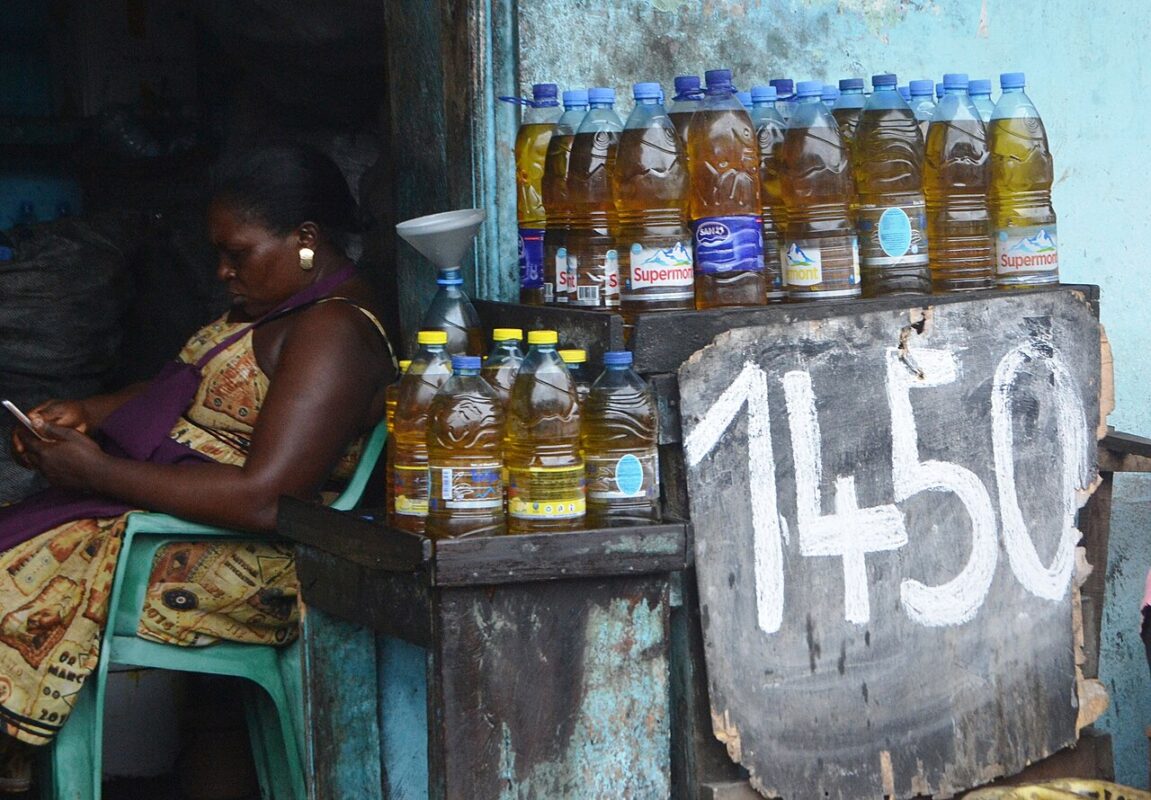
Cooking oil importers in Kenya serve a shopper who buys a lot of palm-based cooking oil and fat, plus sunflower oil and blends. Here’s how the main products line up:
- Crude palm oil (CPO) for local refineries. By volume this is the biggest import.
- RBD palm olein, the base of most everyday cooking oil brands.
- Refined sunflower oil, popular as a lighter, premium-feeling oil, sometimes blended with palm olein.
- Refined soybean and canola oil, sold as alternatives in some supermarkets.
- Palm stearin and shortening for bakeries and margarine makers.
- Specialty oils like corn oil and olive oil for supermarkets and hotels.
If you’re weighing up which oils to bring in, our comparisons of sunflower oil vs palm oil and palm stearin vs palm olein are a good place to start.
Refine Locally or Import Refined Oil?
This is one of the first decisions cooking oil importers in Kenya face, and the answer depends on what you already own.
If you have a refinery, crude palm oil is almost always the better buy. The duty gap between crude and refined oil is wide, and you capture the value of fractionation: olein for cooking oil, stearin for shortening, margarine and soap. You also control the vitamin A dosing yourself, which makes KEBS compliance easier. The trade-off is that refining needs capital, skilled staff, energy and a steady supply of crude oil. A refinery that runs out of crude for two weeks loses money every day.
If you don’t have a refinery, you’ll be buying refined oil, usually in flexitanks for local bottling or ready-packed in jerrycans and bottles. The landed cost is higher because of the duty, but the business is simpler and you can move faster. Many smaller cooking oil importers in Kenya focus on products local refiners don’t make in volume, like sunflower, canola, corn and olive oil, where they’re not competing head to head with the big local brands on price.
Some do both. A distributor might buy locally refined palm olein for the mass market and import sunflower or corn oil for supermarkets and hotels. We supply both crude and refined grades, so we can support either model. If you’re new to the difference between the grades, our guide to refined vs unrefined oil explains what refining does.
KEBS and PVoC: The Standards Side
The Kenya Bureau of Standards controls the quality of imported edible oil. The main tool is Pre-Export Verification of Conformity, or PVoC. Under PVoC, regulated goods are inspected and tested in the exporting country before they ship, and a Certificate of Conformity is issued. Without that certificate, cooking oil can be held at Mombasa, re-tested at the importer’s cost, or rejected.
The standard used for edible oil is KS EAS 769, the East African specification for fortified edible oils and fats. KEBS tests imported oil against it for things like moisture, impurities, acid value, peroxide value and vitamin A. In recent years KEBS has rejected and recalled imported consignments that failed on vitamin A, so this isn’t a box to tick lightly. Cooking oil importers in Kenya who have been through a rejection don’t make that mistake twice.
What this means when you buy:
- Tell your supplier the oil is going to Kenya before they produce it.
- Make sure the oil is fortified with vitamin A to the Kenyan standard, with enough headroom for losses during shipping and storage.
- Book the PVoC inspection early, at the load port, through one of the approved inspection companies.
- Check that the certificate of analysis, the label and the Certificate of Conformity all describe the same product.
We fortify oil for Kenya on request and show the vitamin A result on the certificate of analysis, and we coordinate with the PVoC inspector at loading. Our page on pre-shipment inspection for edible oil explains what happens during that inspection. Most cooking oil importers in Kenya we work with ask us to handle the PVoC booking at the same time.
Duties, Levies and Taxes
For cooking oil importers in Kenya, this is the part that changes most often, so treat the following as background, not a quote.
Kenya applies the East African Community Common External Tariff, with yearly changes published in the EAC Gazette around 30 June. Under the CET, crude palm oil is in the zero band, while refined cooking oil sits in a much higher band to protect local refiners. For the 2024/25 year, Kenya and Uganda applied for a stay and charged 10 percent duty on crude palm oil instead of zero. Local manufacturers pushed back hard, and in late 2025 the Kenyan High Court ruled that the 10 percent duty had been imposed without proper public participation and stopped it from being enforced.
On top of import duty, cooking oil importers in Kenya normally pay:
- An Import Declaration Fee
- A Railway Development Levy
- VAT on the landed value
- Sector levies that apply to oil crops, depending on the product
Because the CET and Kenya’s stays can change each July, check the current EAC Gazette and the Kenya Revenue Authority rates with your clearing agent before you sign. The EAC publishes the gazette notices. The difference between duty on crude and refined oil is large, and it’s the main reason most volume comes in as crude for local refining. Cooking oil importers in Kenya without a refinery feel that gap most.
Specifications We Supply for Kenya
These are our standard loading specs for the products Kenyan buyers ask for most. For refined oils we fortify with vitamin A to the Kenyan standard on request.
| Parameter | Crude palm oil | RBD palm olein | Refined sunflower oil |
|---|---|---|---|
| Free fatty acid | 5.0% max (as palmitic) | 0.10% max | 0.10% max (as oleic) |
| Moisture and impurities | 0.5% max combined | 0.10% max | 0.10% max |
| Peroxide value | Not specified for crude | 2.0 meq O2/kg max | 2.0 meq O2/kg max |
| DOBI | 2.3 min | Not applicable | Not applicable |
| Iodine value | 50 to 55 | 56 min | 118 to 141 |
| Colour (Lovibond 5¼ inch) | Not specified | 3.0 Red max | 2.0 Red max |
| Cloud point | Not applicable | 10 °C max (CP10) | Not applicable |
| Vitamin A | Not applicable | Fortified on request | Fortified on request |
We also supply refined soybean, canola and corn oil, RBD palm stearin and olive oil. The details of each spec are in our guides to crude palm oil specification, refined sunflower oil specification and refined soybean oil specification.
Where Our Oil Comes From
Cooking oil importers in Kenya often ask where the oil is made, because origin affects price, transit time and documents. Our palm products come from established refineries in Southeast Asia, the same region that supplies most of East Africa’s crude palm oil. Sunflower oil comes mainly from the Black Sea region and other major producers, and soybean, canola and corn oil from large crushing plants in the main growing countries. Olive oil comes from the Mediterranean.
We tell you the origin and the producing plant on the contract, because KEBS, the certificate of origin and your own customers may all ask. For buyers who need halal certification, we choose plants that hold it. And if your market prefers non-GMO oil, we’ll tell you upfront which products we can document that way and what it costs. Being straight about origin is one of the simplest ways cooking oil importers in Kenya can tell a real supplier from a broker who’s only reselling someone else’s offer.
Packing Options
Cooking oil importers in Kenya use a wide range of packing, depending on where the oil is going:
| Packing | Approximate net per 20 ft container | Typical buyer |
|---|---|---|
| Flexitank | 20 to 22 metric tons | Refiners, bottlers |
| ISO tank | About 21 to 23 metric tons | Refiners with tank storage |
| Jerrycans 10, 20 and 25 litre | About 17 to 19 metric tons | Wholesalers, hotels, caterers |
| PET bottles 0.5 to 5 litre | About 14 to 17 metric tons | Supermarkets, retail brands |
| Steel drums 200 litre | About 15 to 16 metric tons | Bakeries, small factories |
| Cartons of palm shortening | On request | Bakeries, food service |
Large refiners usually take bulk vessel parcels or flexitanks. Smaller cooking oil importers in Kenya tend to prefer flexitanks or packed oil. Our page on flexitank vs ISO tank compares the two container options. For private label packs, we can print your brand and Kenyan importer details on the label. See private label vegetable oil.
Mombasa and Onward Transit
Almost all cooking oil for Kenya lands at Mombasa. From there, a lot of it moves inland by road and by the standard gauge railway to Nairobi’s inland container depot, and some continues to Uganda, Rwanda, South Sudan, Burundi and eastern DRC. Many cooking oil importers in Kenya are also regional traders, buying for transit markets as well as for home.
A few practical points:
- Transit time from Southeast Asian load ports to Mombasa is usually around two to four weeks, depending on the route and transshipment.
- Port congestion can add days, so plan stock levels with a buffer.
- Transit cargo follows its own customs procedures and bond rules, so tell your supplier and agent at the start if the oil is going beyond Kenya.
- Heat inside containers waiting at the port shortens shelf life, so clear quickly.
How Pricing Works for Cooking Oil Importers in Kenya
Kenya is a price-sensitive market, and cooking oil importers in Kenya watch every shilling. What drives the price of a container:
- World palm oil prices, which set the tone for nearly every other oil.
- The exchange rate between the shilling and the dollar.
- Freight to Mombasa, which can jump with fuel prices and shipping disruptions.
- Packing, since small bottles cost far more per ton than bulk.
- Kenyan duties and levies, which can change with each EAC budget.
We quote per metric ton, FOB, CFR or CIF Mombasa, normally valid for 48 to 72 hours. If you price locally per litre, our guide to how many litres in a ton of vegetable oil has the numbers you need.
Storage and Shelf Life in Kenya
Kenya’s climate varies a lot. Mombasa is hot and humid, while Nairobi and the highlands are cooler, especially at night. That affects oil in two ways.
Heat and humidity speed up spoilage. Oil sitting in a container at Mombasa for a week can lose shelf life quickly. Clear cargo fast, and keep warehouses shaded and ventilated.
Cool nights make palm oil cloudy. Palm olein starts to cloud as temperatures drop, which some shoppers read as poor quality. CP8 grade palm olein stays clear at lower temperatures than CP10, which is why some cooking oil importers in Kenya choose it for highland markets. Our guide on why palm oil solidifies explains this in plain terms, and CP8 vs CP10 palm oil helps you choose.
Vitamin A is also sensitive to light and heat, so poor storage can push fortified oil below the KEBS minimum before it sells. Opaque jerrycans and cartons help, and so does fast stock rotation. Cooking oil importers in Kenya selling upcountry should plan for longer storage times.
Building a Regular Supply Programme
Most of our long-term customers in East Africa don’t buy one container at a time. They agree a monthly or quarterly programme, which gives them steadier pricing and reliable shipping slots. For cooking oil importers in Kenya, a supply programme usually looks like this:
- A fixed volume per month, for example two to five containers, with some flexibility either way.
- Pricing fixed shipment by shipment against the market at the time of each order, or for a block of shipments if both sides agree.
- One specification and label set agreed at the start, so each shipment passes KEBS the same way.
- Regular PVoC bookings that line up with the shipping schedule.
A programme also helps with planning around EAC budget changes in July and the busy periods before holidays, when demand for cooking oil rises across the country.
How Cooking Oil Importers in Kenya Should Check a Supplier
The edible oil trade attracts scammers everywhere, and East Africa is no exception. Before you send money to any new supplier, check:
- That the company is real. Registered name, physical address, a phone that’s answered, and a track record you can verify.
- That the certificate of analysis is real. It should come from a named lab, with a date and batch number, not a template.
- That they’ll accept independent inspection at loading, including the PVoC inspection.
- That the price makes sense. An offer far below the market isn’t a bargain.
- That the payment terms protect you. Use a letter of credit or a deposit with the balance after inspection. Our guide on letter of credit vs TT payment explains both.
Our article on how to spot a fake vegetable oil supplier goes through the common tricks. We’d rather you read it and stay safe, even if you end up buying elsewhere. Cooking oil importers in Kenya are targeted by the same scams as buyers everywhere.
Documents We Provide
For cooking oil importers in Kenya buying from us, every shipment comes with the paperwork you need. We provide the commercial invoice, packing list, bill of lading, certificate of origin, certificate of analysis showing vitamin A where fortified, inspection certificate for quality and quantity, health certificate, and coordination with the PVoC inspector for the Certificate of Conformity. Halal certificates are available on request, which matters for many buyers in Kenya and the wider region. The general list is in our guide to the documents required to import vegetable oil.
Common Mistakes We See
These come up again and again with cooking oil importers in Kenya:
Under-fortified oil. The single most common reason for trouble with KEBS. Ask for vitamin A on the certificate of analysis and keep a margin above the minimum.
Late PVoC booking. If the inspector isn’t booked before loading, you may face inspection at destination, with extra cost and delay.
Guessing the duty. Rates have moved several times in recent years. Get a written estimate from your clearing agent for the current year.
Labels that don’t match. The product name, net content and importer details on the label must match the documents and the standard.
Overstocking before a price drop. Oil prices can fall as fast as they rise. Buying several months ahead to beat a price rise can backfire. The cooking oil importers in Kenya who do best usually buy steadily, month by month.
Frequently Asked Questions
Do cooking oil importers in Kenya need a PVoC certificate?
Yes. Edible oil is regulated, so it needs a Certificate of Conformity from KEBS’s PVoC program before shipping.
Does cooking oil in Kenya need vitamin A?
Yes. Edible oil must meet the fortified edible oils standard, which includes vitamin A.
Is there import duty on crude palm oil in Kenya?
Under the EAC CET the base rate is zero. Kenya’s 10 percent duty for 2024/25 was ruled unconstitutional by the High Court in late 2025, but check the current EAC Gazette.
What is your minimum order for Kenya?
One 20 foot container. Larger refiners usually buy in bigger parcels.
Can you ship to Uganda or Rwanda through Mombasa?
Yes. Tell us at the start so the documents are prepared for transit.
Do you offer halal certified oil?
Yes, on request, with certificates from the producing plant.
Get a Quote for Your Kenya Shipment
If you’re one of the cooking oil importers in Kenya looking for a supplier who puts the spec in writing, fortifies properly and works with PVoC, send us the oil, packing, quantity and whether the cargo stays in Kenya or goes on in transit. We’ll send a CIF Mombasa price, the full specification and a recent certificate of analysis.
Email info@dthcompanyltd.com, WhatsApp +66 91 765 9104, or use our contact page. You can also look through our products, read about us, or see how we work as a vegetable oil supplier for West Africa and as a corn oil bulk supplier.






One thought on “Cooking Oil Importers in Kenya: 8 Essential Facts for Smart Buying”