

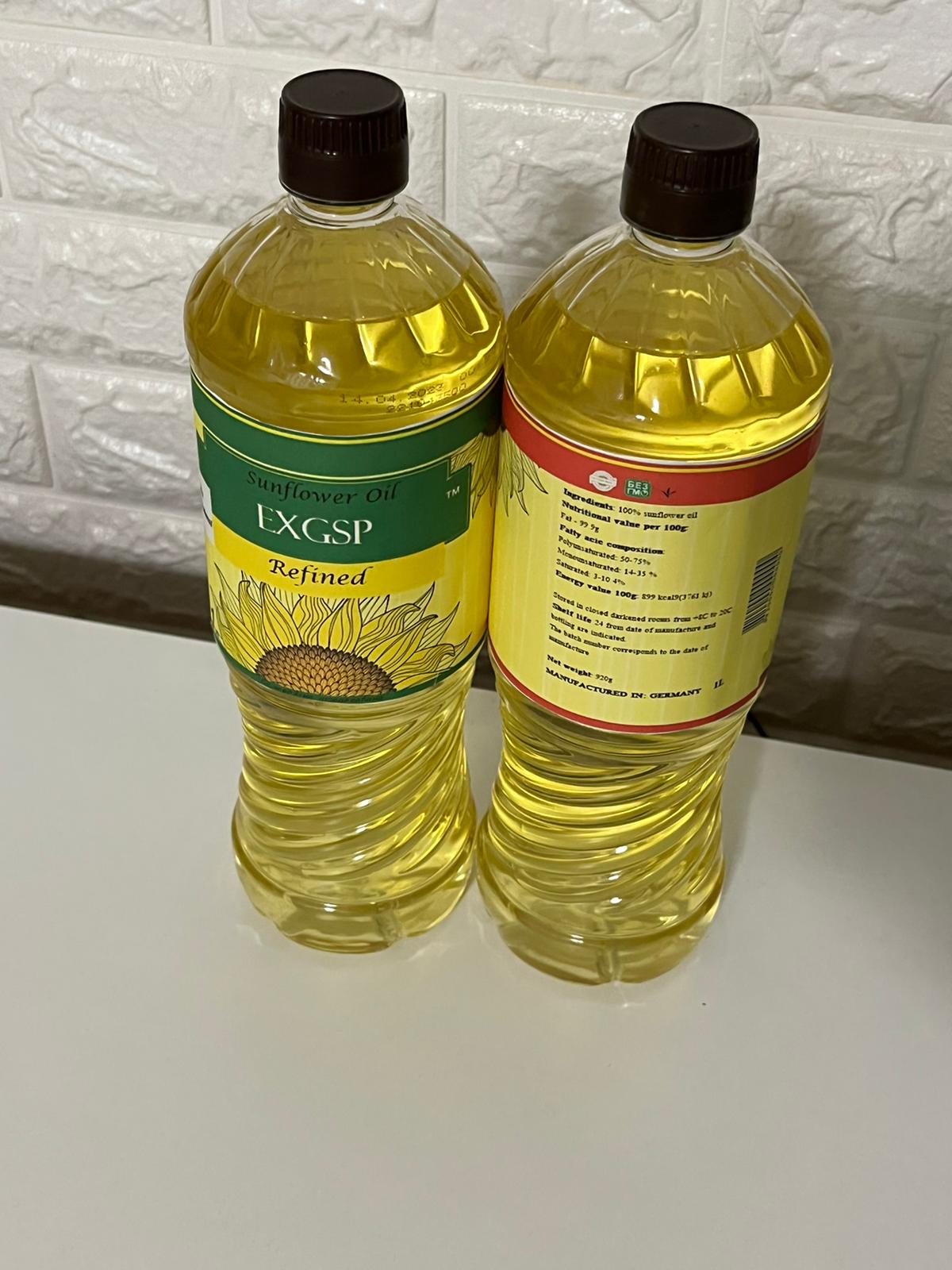
Sunflower oil importers in Egypt buy in one of the biggest and most price-driven edible oil markets in the region. The country grows only a small share of the oil it eats, so every month ships full of sunflower, soybean and palm oil arrive at Alexandria, Damietta and Sokhna. If you’re one of those buyers, you already know the market rewards people who get three things right: the spec, the paperwork and the timing.
We supply refined and crude sunflower oil to importers, packers, refiners and distributors in Egypt and in many other countries. This guide is written for sunflower oil importers in Egypt, or anyone planning to become one. It covers what the Egyptian market buys, the specifications we guarantee, packing, the ACID system and other import rules, how pricing and payment usually work, and what to check before you trust a new supplier.
We’re an oil supplier, not a customs broker or lawyer. Egyptian import rules change, sometimes with little notice. Always check the current position with your clearing agent before you sign.

Table of Contents
Why Sunflower Oil Importers in Egypt Matter So Much
Egypt has more than a hundred million people and a food culture that uses a lot of oil. Frying is everywhere, from home kitchens to street food. Local oilseed crushing covers only a small part of demand, so the gap is filled by imports. Sunflower oil is the favourite for many households because it’s light, clear and doesn’t overpower food. Soybean oil and palm olein cover the cheaper end and the industrial users. Sunflower oil importers in Egypt mostly serve the retail side.
Sunflower oil importers in Egypt fall into a few groups:
- State buyers who purchase oil for the ration card system, which supplies subsidized cooking oil to millions of families. These purchases have long gone through international tenders, historically run by GASC, with Mostakbal Misr taking a bigger role in strategic food imports since late 2024.
- Private refiners and packers who import crude or refined oil in bulk and bottle it under their own brands.
- Traders and distributors who bring in ready-packed oil for supermarkets, wholesalers and the food service trade.
- Food manufacturers making snacks, biscuits, sauces and ready meals.
Each group wants something slightly different, and a good supplier for sunflower oil importers in Egypt should be able to tell you honestly which part of the market it fits.
The Sunflower Oil We Supply
Our main product for sunflower oil importers in Egypt is refined, bleached, deodorized and winterized sunflower oil. It’s pale golden, almost tasteless, stays clear in cool weather and fries cleanly. It’s the grade most sunflower oil importers in Egypt ask for. We also supply crude sunflower oil to refineries and high oleic sunflower oil to food factories that need longer frying life.
These are the loading specs we put in our contracts. Any serious supplier to sunflower oil importers in Egypt should give you a table like this and let an independent surveyor check it.
| Parameter | Refined sunflower oil | Crude sunflower oil |
|---|---|---|
| Free fatty acid (as oleic) | 0.10% max | 2.0% max |
| Peroxide value | 2.0 meq O2/kg max at loading | 10 meq O2/kg max |
| Moisture and volatile matter | 0.10% max | 0.20% max |
| Insoluble impurities | 0.05% max | 0.10% max |
| Colour (Lovibond 5¼ inch) | 2.0 Red max / 20 Yellow max | Report |
| Iodine value (Wijs) | 118 to 141 | 118 to 141 |
| Cold test | 5.5 hours min at 0 °C | Not applicable |
| Phosphorus | 2 ppm max | 200 ppm max |
| Smoke point | About 230 °C | Not applicable |
| Smell and taste | Bland, typical | Typical of crude oil |
The full explanation of each line is in our guide to refined sunflower oil specification. If you’re choosing between crude and refined oil for your plant, read crude vs refined sunflower oil. And for buyers who need oil that stays clear on cold winter nights in Cairo or Alexandria, winterized sunflower oil explains why the cold test matters.
You can see our product pages for refined sunflower oil, crude sunflower oil and high oleic sunflower oil.
Packing Options for Egypt
Sunflower oil importers in Egypt use almost every type of packing, depending on who they sell to:
| Packing | Approximate net per 20 ft container | Typical buyer |
|---|---|---|
| Bulk vessel parcels | From a few thousand tons | Large refiners, state tenders |
| Flexitank | 20 to 22 metric tons | Packers and mid-size refiners |
| ISO tank | About 21 to 23 metric tons | Buyers with tank storage |
| PET bottles 0.8, 1, 1.5, 1.8 and 5 litre | About 14 to 17 metric tons | Supermarkets, distributors, ration oil packing |
| Jerrycans 10, 18 and 20 litre | About 17 to 19 metric tons | Restaurants, bakeries, wholesalers |
| Tins 16 to 18 litre | About 16 to 17 metric tons | Traditional trade, sweets makers |
Bottled oil for Egypt needs Arabic on the label. We print private label bottles and cartons with your brand, Arabic text and importer details. Our page on private label vegetable oil explains how artwork approval works. For bulk, compare flexitank vs ISO tank before you choose.
Import Rules Sunflower Oil Importers in Egypt Need to Know
This is where shipments for sunflower oil importers in Egypt get stuck. The rules below are the ones we see most often. Check the details with your agent, because they’re updated from time to time.
ACID and the Nafeza system
Since October 2021, Egypt has used the Advance Cargo Information system, usually called ACID. Before goods are shipped, the Egyptian importer registers the shipment on the Nafeza platform and gets an ACID number. The foreign exporter also has to be registered, and the commercial documents are shared electronically before the cargo arrives. The ACID number must appear on the invoice, packing list and bill of lading.
This matters for sunflower oil importers in Egypt because a shipment loaded without a valid ACID number can be refused or held. We register as the exporter, send documents through the system and print the ACID number on every document. Ask any supplier you’re considering whether they’ve done this before.
Food safety registration
The National Food Safety Authority oversees food safety for imported food. Imported edible oil is checked on arrival, and importers need to be properly registered. Your certificate of analysis, health certificate and label all need to match what’s actually in the container.
Export and import control
The General Organization for Export and Import Control runs inspections at the ports and keeps the importer register. Depending on the product and how it’s packed, there may be extra registration steps for the producing factory. Your clearing agent will know what applies to your exact product and pack.
Labelling and shelf life
Retail packs need Arabic labelling with the product name, net content, production and expiry dates, producer, importer and storage conditions. Many Egyptian buyers also ask for a minimum remaining shelf life on arrival, often around half of the total. Plan your production date with that in mind, especially on long routes. Sunflower oil importers in Egypt who skip this step often argue with buyers later.
For the general shipping paperwork, our guide to documents required to import vegetable oil lists the usual set, and sunflower oil HS code explains how crude and refined sunflower oil are classified.
How Pricing Works for Sunflower Oil Importers in Egypt
Egypt is a price-sensitive market, and sunflower oil importers in Egypt compare offers down to a few dollars per ton. What moves the price:
- The Black Sea crop. Most of the world’s sunflower oil comes from the Black Sea region. A good or bad harvest there moves the whole market.
- Other oils. When palm and soybean oil move, sunflower oil usually follows.
- Freight. Egypt is close to the Black Sea and the Mediterranean, which keeps freight from those origins fairly low. Longer routes cost more.
- The exchange rate and access to dollars. This has been a big issue for Egyptian buyers in recent years. Payment terms often matter as much as the price.
- Packing. Bulk is cheapest per ton. Small bottles cost the most.
We quote per metric ton, FOB, CFR or CIF Alexandria, Damietta or Sokhna, usually valid for 48 to 72 hours. If you price per litre locally, how many litres in a ton of vegetable oil has the conversion figures.
Payment Terms
For first orders from sunflower oil importers in Egypt, we usually work with an irrevocable letter of credit at sight, confirmed where needed, or a deposit with the balance against copy documents after inspection. Egyptian banks have been tight with foreign currency at times, so sort out how your payment will be made before you book anything. If you’re not sure which route suits you, our guide on letter of credit vs TT payment goes through both.
What we’d never recommend, with us or anyone else, is paying 100 percent upfront to a supplier you haven’t worked with. That’s how most of the scams in this trade work. Sunflower oil importers in Egypt should treat any such request as a red flag.
How Sunflower Oil Importers in Egypt Should Check a Supplier
The edible oil trade attracts fake sellers, and sunflower oil importers in Egypt are a common target because the volumes are big. Before you pay anyone, check:
- That the company is real. Registration, address, phone numbers that work, and a history you can check.
- That the certificate of analysis is real. A named lab, a date, a batch number. Not a template.
- That they accept independent inspection at loading by a firm like SGS, Intertek or Bureau Veritas. See pre-shipment inspection for edible oil.
- That they understand ACID. A supplier who has never shipped to Egypt may not know the system, and that costs you time at the port.
- That the price makes sense. An offer far below the market isn’t a deal.
We wrote a full page on how to spot a fake vegetable oil supplier. Please read it before you pay anyone, including us.
State Tenders vs Private Contracts
Some sunflower oil importers in Egypt work mainly on state tenders, others only on private business. They’re very different.
State tenders buy large volumes on fixed terms with tight delivery windows. Offers are compared mostly on price, and suppliers are expected to deliver exactly on time. Payment terms have varied over the years, and suppliers have sometimes been asked to accept deferred payment, which is why participation goes up and down.
Private contracts are more flexible. You can agree the spec, packing, label, payment and delivery to suit your business. Most of our Egyptian business is private, with packers and distributors who buy every month. That’s where most sunflower oil importers in Egypt make their margin.
If you’re a trading house bidding into tenders and need a reliable source behind your offer, talk to us early. Tender windows are short, and having the oil, the documents and the vessel lined up in advance makes the difference.
Sunflower Oil vs Other Oils for the Egyptian Market
Many sunflower oil importers in Egypt also bring in other oils, either to blend or to cover different price points. A few comparisons that come up often:
- Sunflower vs soybean oil. Soybean oil is usually a bit cheaper and works well for frying and industry. Sunflower is lighter and preferred for retail. See soybean oil vs sunflower oil.
- Sunflower vs palm olein. Palm olein is more stable for long frying and costs less, but it can cloud in cold weather. See sunflower oil vs palm oil.
- Regular vs high oleic sunflower oil. High oleic lasts much longer in the fryer. It’s popular with snack makers and fast food chains. See high oleic vs regular sunflower oil.
- Sunflower vs corn oil. Corn oil sells as a premium product in Egyptian supermarkets. We also supply it through our corn oil bulk supplier desk.
We can load several oils in one shipment programme, so you don’t need a different supplier for each. Many sunflower oil importers in Egypt find that simpler to manage.
A Typical Order From First Message to Discharge
Here’s how an order usually runs for sunflower oil importers in Egypt who buy from us:
- You send the basics. Product, packing, quantity, port, label needs and how often you buy.
- We quote. Usually the same day, with the spec and offer validity.
- Contract and payment. We send the contract and pro forma invoice. You arrange the letter of credit or deposit.
- ACID registration. You register the shipment on Nafeza and send us the ACID number. We put it on every document.
- Labels. For bottled oil, we send Arabic label proofs for approval.
- Production and filling. Bulk usually takes two to three weeks. Private label packs take three to four weeks if new labels are printed.
- Inspection and loading. The surveyor samples the oil, checks quantity and watches the loading.
- Shipping and documents. We send documents through the system as soon as the vessel sails, and originals by courier or through the bank.
- Arrival and clearance. Your agent clears the cargo with customs and the food safety checks.
Where Our Sunflower Oil Comes From
Sunflower oil importers in Egypt usually ask about origin first, because it affects price, transit time and how the oil behaves. Most of the sunflower oil we supply is crushed and refined in the Black Sea region, which produces the bulk of the world’s sunflower oil and sits only a few days’ sailing from Egyptian ports. We also source from other producing countries when the price or timing works better for you.
We write the origin and the producing plant into the contract, and the certificate of origin follows the cargo. If your customers prefer non-GMO oil, sunflower is an easy choice, because commercial sunflower is not genetically modified. Halal certificates are available on request, which many Egyptian buyers like to have on file even though the oil itself is plant based.
One thing we tell every new buyer: origin alone doesn’t make good oil. Two plants in the same country can ship very different quality. That’s why the spec, the surveyor’s report and a real certificate of analysis matter more than the flag on the bill of lading.
Planning Around Ramadan and Peak Season
Demand for cooking oil in Egypt jumps before Ramadan and the Eid holidays, when families cook and fry more and sweets makers work flat out. Sunflower oil importers in Egypt who wait until the last month often find freight tight, prices higher and shelf space already taken by competitors.
Our advice is simple. Book the oil for the peak season two to three months ahead, especially for private label bottles that need new labels printed. Agree the shipment windows in the contract, and leave a margin for port delays at Alexandria or Damietta, which can get busy in the same weeks. If you buy monthly, we can set up a programme with fixed volumes and pricing agreed shipment by shipment, so your stock keeps moving without a scramble every year.
Private Label Bottling for Egyptian Brands
A growing number of sunflower oil importers in Egypt want their own brand on the shelf instead of reselling someone else’s. We fill PET bottles from 0.8 litre up to 5 litre, plus jerrycans and tins, with your artwork, Arabic and English text, and your importer details. You approve the proof before anything is printed.
The usual minimum for a new label is one full 20 foot container per bottle size, though we can mix two or three sizes of the same oil in a container once your labels are set up. Repeat orders are faster because the labels and cartons are already approved. If you’re building a range, many brands start with a 1 litre and a 5 litre sunflower oil, then add a corn oil or a blended oil later for a different price point.
Storage and Shelf Life in Egypt
Egyptian summers are hot, and heat is hard on sunflower oil, so storage is something sunflower oil importers in Egypt can’t ignore. It speeds up oxidation, which raises the peroxide value and shortens shelf life. A few habits help a lot:
- Clear containers from the port quickly. A steel box in the sun gets very hot inside.
- Store bottles out of direct sunlight, in a ventilated warehouse.
- Rotate stock, first in, first out.
- For bulk tanks, avoid copper and brass fittings, and keep tanks closed.
Refined sunflower oil in sealed bottles usually keeps 12 to 18 months in good conditions. Our guide on the shelf life of sunflower, soybean and canola oil explains how to get the most out of it. It applies to all sunflower oil importers in Egypt storing bottled oil through the summer.
Common Mistakes We See
These come up again and again with sunflower oil importers in Egypt:
Shipping before the ACID is ready. The cargo arrives and can’t clear. Get the ACID number first.
Labels that don’t match the oil. If the label says pure sunflower oil and the lab finds a blend, you’ll have a problem at the port and in the market.
Arguing about shelf life too late. If your buyer needs a certain shelf life on arrival, put it in the contract.
Ignoring the cold test. Oil that isn’t winterized properly looks cloudy in winter and gets returned by shops.
Comparing quotes on different terms. FOB from one supplier against CIF from another isn’t a fair comparison. Line them up first. Sunflower oil importers in Egypt who compare like with like usually save more than a few dollars a ton.
Frequently Asked Questions
Do sunflower oil importers in Egypt need an ACID number?
Yes. Shipments need an ACID number from the Nafeza system before loading, and the exporter must be registered too.
Which ports do you ship to in Egypt?
Mainly Alexandria, Damietta, Port Said and Sokhna, depending on where your plant or warehouse is.
Can you print Arabic labels?
Yes. We print private label bottles and cartons with Arabic text and your importer details.
What is your minimum order?
One 20 foot container, a flexitank of 20 to 22 tons or a full load of bottles, jerrycans or tins. Larger parcels are available for refiners.
Do you supply crude sunflower oil for refining?
Yes, in flexitanks, ISO tanks or bulk parcels, with the spec written into the contract.
How long is your price valid?
Usually 48 to 72 hours, because sunflower oil prices move every day.
Get a Quote for Your Egypt Shipment
If you’re one of the sunflower oil importers in Egypt looking for a supplier who puts the spec in writing, knows the ACID process and prints Arabic labels, send us the product, packing, quantity and port. We’ll come back with a price, the full specification and a recent certificate of analysis.
Email info@dthcompanyltd.com, WhatsApp +66 91 765 9104, or use our contact page. You can also see our full product range, read about us, or look at our guides for edible oil import duty in India and cooking oil importers in Kenya.









One thought on “Sunflower Oil Importers in Egypt: 9 Proven Tips for Safe Buying”