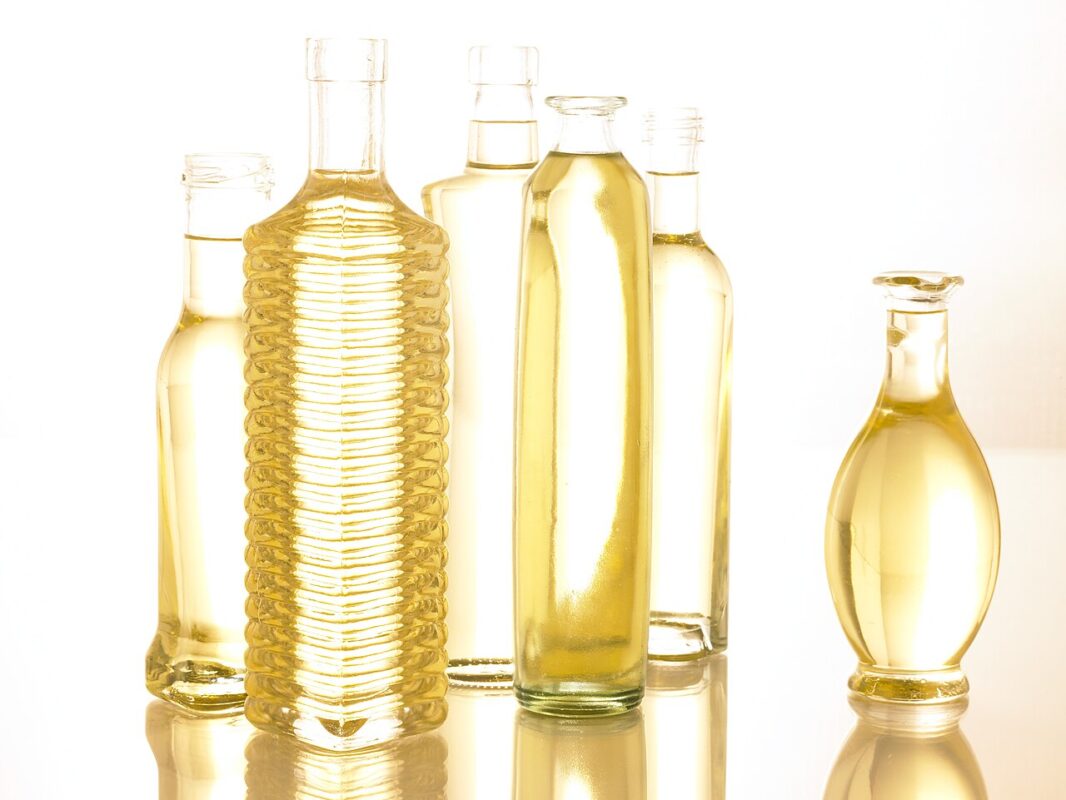
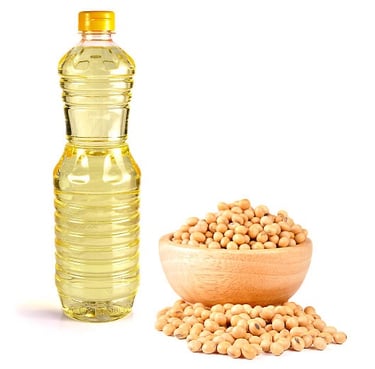
If you run a biodiesel plant, the feedstock is most of your cost and most of your headaches. Buy oil with too much free fatty acid, water or phosphorus and you lose yield, make soap, foul your catalyst or fail your fuel spec. So picking a crude soybean oil for biodiesel supplier isn’t only about the price per ton. It’s about getting oil your plant can actually run on, lot after lot.

We export crude soybean oil and crude degummed soybean oil (CDSO) from Thailand to biodiesel producers, refiners and traders worldwide. This guide covers the two grades we sell, the specs that matter for fuel production, how to ship it, what drives the price, and what to check before you sign with any crude soybean oil for biodiesel supplier.
Table of Contents
What We Offer as a Crude Soybean Oil for Biodiesel Supplier
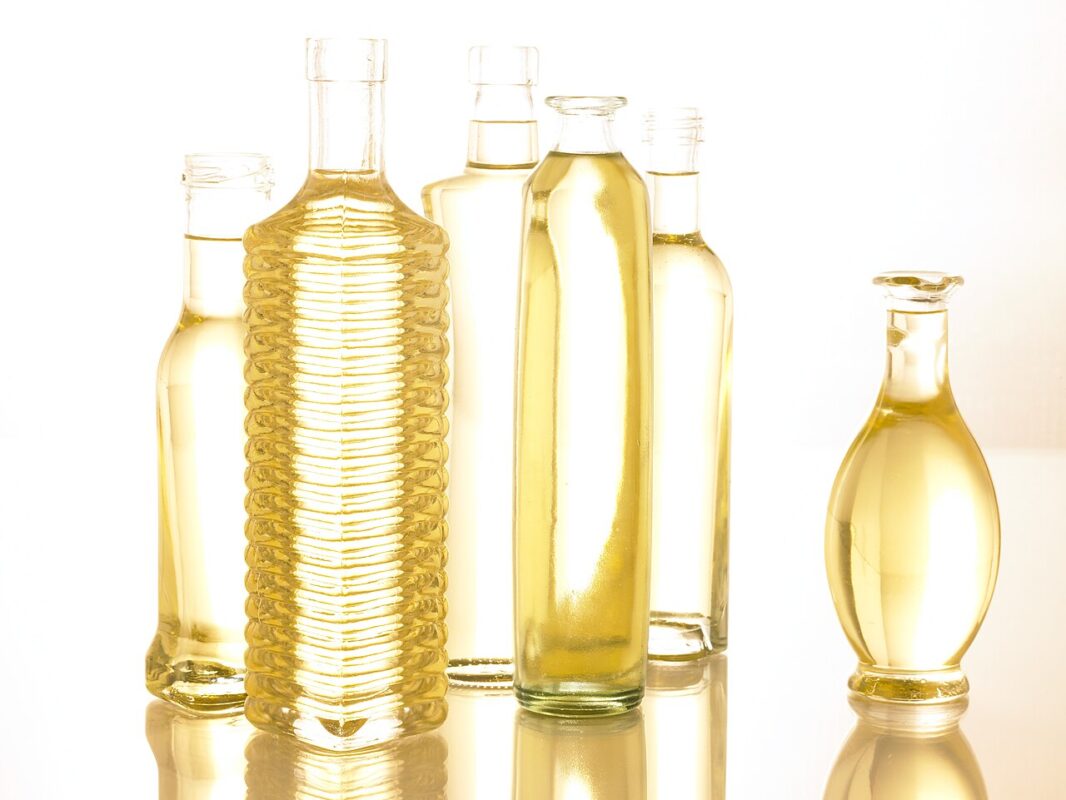
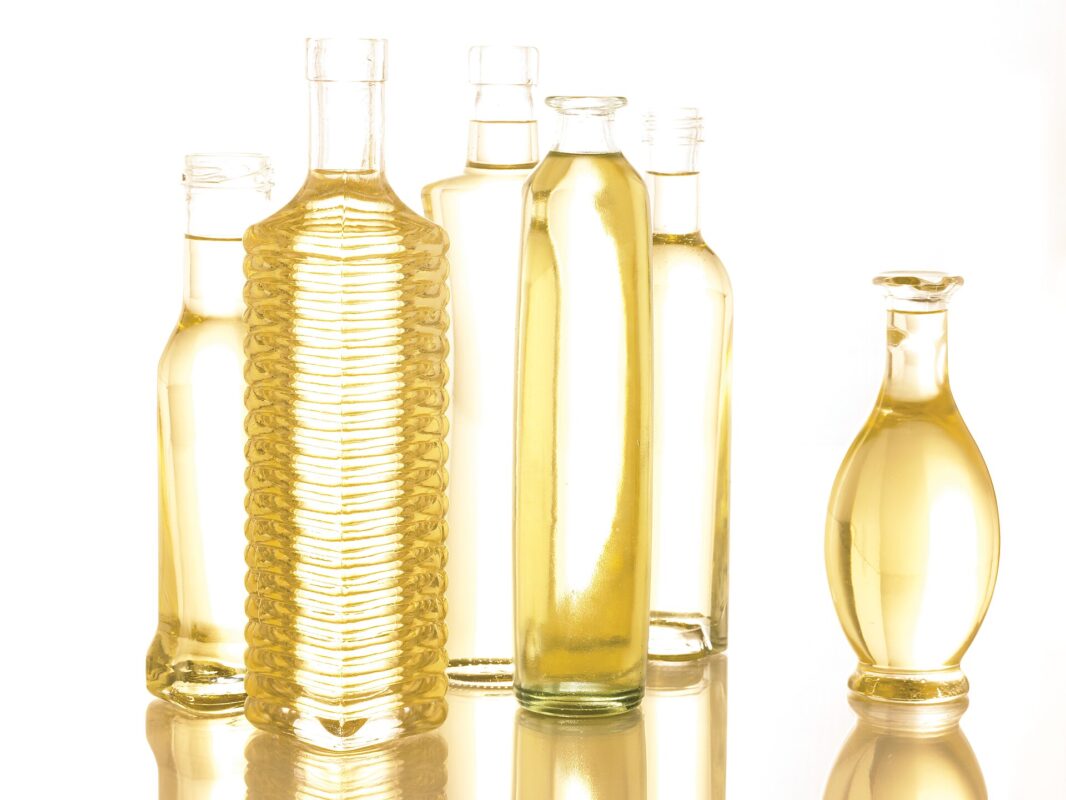
As a crude soybean oil for biodiesel supplier we sell two grades to fuel plants:
- Crude soybean oil, straight from the crushing plant, with the natural gums still in it.
- Crude degummed soybean oil (CDSO), which has had most of the gums taken out. This is the standard form crude soybean oil is traded in around the world, and it’s the one most fuel plants prefer.
We also sell refined soybean oil and high oleic soybean oil, but for fuel the crude grades nearly always make more sense. You’re paying for refining you don’t need.
Our plants work under ISO 22000, HACCP and GMP systems. That’s a food standard, which is more than biodiesel needs, but it means the oil is handled cleanly and tested properly. As a crude soybean oil for biodiesel supplier we load in flexitanks, ISO tanks and steel drums.
Why Buyers Look for a Crude Soybean Oil for Biodiesel Supplier
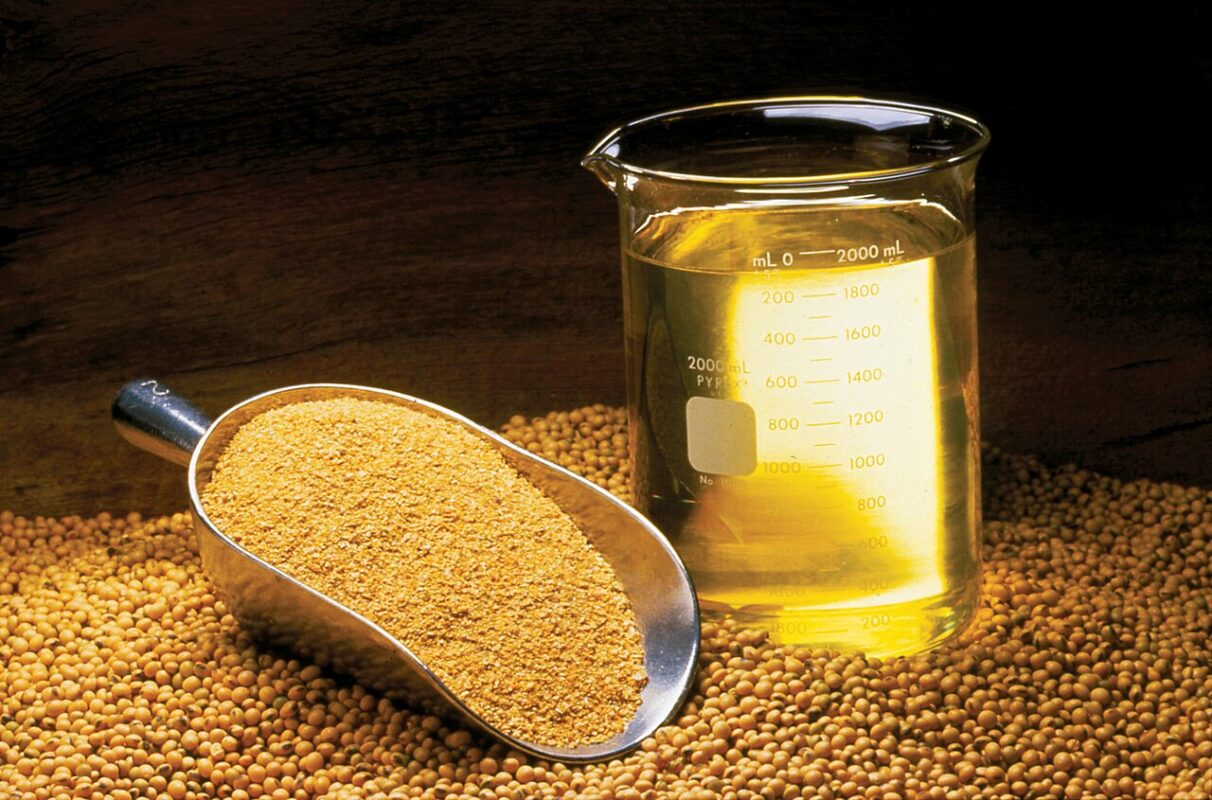
Soybean oil is one of the most used biodiesel feedstocks in the world, especially in the Americas, and that’s why so many plants go looking for a steady crude soybean oil for biodiesel supplier. There are good reasons for that.
- Supply is huge. Soybeans are crushed mainly for meal, so there’s always a lot of oil, and it’s traded every day.
- Good cold flow. Soy biodiesel performs much better in cold weather than biodiesel from palm oil or animal fat, which start to cloud at higher temperatures.
- Consistent quality. Crude soybean oil from a good crushing plant is fairly uniform, so plants can set their process and leave it.
- Simple chemistry. Low-FFA soybean oil goes through standard base-catalysed transesterification without much pretreatment.
There are two drawbacks you should know about, and we’ll come to them below: iodine value and oxidation stability. They’re manageable, but you need to plan for them. The biodiesel article on Wikipedia is a solid overview of the process and feedstocks if you’re new to the industry.
Specifications From Our Crude Soybean Oil for Biodiesel Supplier Range
Here’s what we offer, side by side, so you can see how degumming changes the oil.
| Parameter | Crude degummed soybean oil (CDSO) | Crude soybean oil (non-degummed) |
|---|---|---|
| Appearance | Clear to slightly hazy, yellow to amber | Golden yellow to amber |
| Odour | Characteristic, slightly beany, free from rancidity | Characteristic, slightly beany, free from rancidity |
| Free fatty acids (as oleic) | 0.75% max | 2.0% max |
| Moisture and volatile matter | 0.20% max | 0.30% max |
| Insoluble impurities | 0.10% max | 0.20% max |
| Phosphorus | 200 ppm max | Not specified (gums 2.5 to 3.0%) |
| Iodine value (Wijs) | 120 to 141 | 120 to 141 |
| Saponification value | 189 to 195 | 189 to 195 |
| Unsaponifiable matter | 1.5% max | 1.5% max |
| Flash point | 121°C min | Not specified |
| Colour (Lovibond 5.25 in) | 35 yellow / 3 red max | 35 yellow / 3 red max |
| Shelf life | 6 months, cool and dry | 6 months, cool and dry |
We can tighten some of these on request, for example a lower FFA or phosphorus limit for a biodiesel contract. Ask before you sign and we’ll tell you what we can hold. The full line-by-line explanation is in our crude degummed soybean oil specification guide.
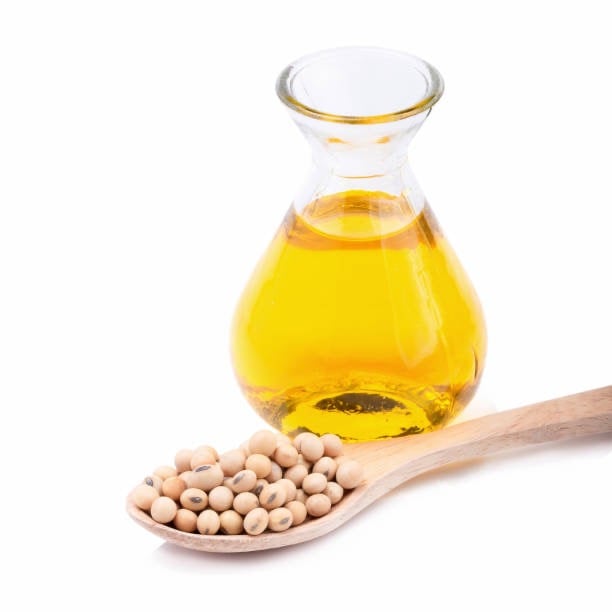
The Numbers That Matter Most for a Biodiesel Plant
Any crude soybean oil for biodiesel supplier will send you a spec sheet. These are the lines we’d read first if we ran your plant.
Free fatty acids
Standard biodiesel plants use a base catalyst, usually sodium or potassium methoxide or hydroxide. FFA reacts with that catalyst and makes soap instead of fuel. That costs you catalyst, lowers your yield and makes the glycerine harder to separate. Many plants want FFA under about 0.5 to 1 percent going into the reactor. Above that, you need an acid esterification step first. CDSO at 0.75 percent max usually goes straight in, or needs very little treatment.
Water
Water does the same kind of damage. It encourages soap formation and splits the esters back into fatty acids. Keep it low and keep your tanks dry.
Phosphorus and gums
Gums make sludge in tanks, pipes and flexitanks, and phosphorus that gets through ends up in your fuel. Finished biodiesel standards set very low phosphorus limits, so most plants either buy degummed oil or degum it themselves. If you’re running renewable diesel or HVO rather than FAME, the pretreatment unit will want even lower phosphorus and metals. This is the main reason we push most fuel buyers towards CDSO.
Iodine value
Iodine value measures how unsaturated the oil is. Soybean oil sits around 120 to 141. The European biodiesel standard, EN 14214, caps iodine value at 120, so pure soy biodiesel often won’t meet it on its own. European plants usually blend soy with rapeseed, palm or used cooking oil to bring it down. The American standard, ASTM D6751, has no iodine limit, which is one reason soy is so common there. Our page on iodine value of vegetable oils shows how soy compares with other oils.
Oxidation stability
Because soybean oil is rich in linoleic acid, soy biodiesel oxidises faster than palm or tallow biodiesel. Most plants add an antioxidant to meet the oxidation stability test in their fuel standard. Fresh feedstock with a low peroxide value makes that job easier, which is another reason not to sit on old crude.
Degummed or Non-Degummed: Which Should You Buy?
It comes down to your plant, and it’s the first question we ask as a crude soybean oil for biodiesel supplier.
| Your plant | What we’d recommend |
|---|---|
| Standard FAME plant with no degumming unit | CDSO |
| FAME plant with its own degumming and pretreatment | Either, crude may be cheaper |
| Renewable diesel or HVO with a pretreatment unit | CDSO, ask about low phosphorus and metals |
| Small plant buying in drums | CDSO, because gums settle in drums |
| Refinery also making food oil | Crude, and sell the lecithin |
Non-degummed crude is usually a little cheaper per ton. But if you don’t have a way to deal with the gums, you’ll lose the saving and more in sludge, filter changes and lost yield. A good crude soybean oil for biodiesel supplier should ask you about your plant before recommending a grade. We always do.

How We Ship Crude Soybean Oil
| Method | Oil per 20ft container | Good for |
|---|---|---|
| Flexitank | About 20 to 22 MT | Plants with a bulk tank, regular container loads |
| ISO tank | About 20 to 23 MT | Heated discharge, reusable tank, regular programmes |
| 180 to 200 kg steel drums | About 14 to 16 MT | Small plants and trial batches |
Flexitanks are the cheapest way to move crude soybean oil by container. For non-degummed crude we’re careful here: the gums can settle in the bag over a long voyage and leave a layer at the bottom. CDSO doesn’t have that problem to the same degree, which makes it the better choice for flexitank shipping. ISO tanks cost more but can be heated and are easier to drain completely.
For very large volumes, bulk vessel parcels are an option too, though most buyers who come to a crude soybean oil for biodiesel supplier like us want containers. Talk to us about the quantity and port and we’ll tell you what’s realistic. Our comparison of flexitank vs ISO tank goes into more detail on the two container options.
What Drives the Price of Crude Soybean Oil for Biodiesel
In 2026, biodiesel and renewable diesel policy has been one of the biggest forces in the soybean oil market. When governments raise blending mandates, demand for crude soybean oil jumps. When crude petroleum falls sharply, biofuel margins shrink and soybean oil often follows it down.
The main things that move the price you’ll get from a crude soybean oil for biodiesel supplier:
- The futures market. Most physical soybean oil is priced off the Chicago soybean oil futures, plus or minus a premium at origin.
- Origin. Argentina and Brazil are the two biggest exporters, and their FOB prices set a lot of the world market.
- Biofuel policy. Mandates in the US, Brazil, Indonesia and Europe change demand quickly.
- Crude petroleum. When diesel is cheap, biodiesel is less attractive and feedstock prices soften.
- Palm oil. Palm is the main competitor. When palm is cheap, soy has to follow.
- Freight. Container and vessel rates change your landed cost more than people expect.
For the current market range and how it’s built, read our soybean oil price per ton guide. Then send us your volume and port for a firm quote.

Fuel Yield and Feedstock Economics
Before you compare offers from any crude soybean oil for biodiesel supplier, it helps to know the basic yield. A rough rule of thumb: 100 kg of oil plus about 10 kg of methanol gives you about 100 kg of biodiesel and about 10 kg of crude glycerine. In practice your yield depends on FFA, water, how well you separate the glycerine, and how much oil you lose in washing.
That’s why a cheap lot with high FFA can cost you more in the end. If you lose a few percent of yield and use more catalyst, the saving on the oil disappears. When you compare offers from more than one crude soybean oil for biodiesel supplier, work out the cost per ton of finished fuel, not per ton of oil.
Here’s a simple way to compare:
- Take the delivered price per ton of oil.
- Estimate your yield for that FFA and water level.
- Add any extra pretreatment cost: acid, methanol, energy, time.
- Divide to get cost per ton of biodiesel.
Do that for each offer and the “cheap” oil often isn’t.
Sustainability and Certification
If you sell fuel into markets with sustainability rules, such as the EU, you may need the oil to come with a recognised sustainability certificate, for example ISCC. Not every lot of crude soybean oil on the market carries one. Tell us at the start if you need it and we’ll tell you honestly whether we can supply it for your volume and timing.
The GMO question also comes up. Most soybean oil traded worldwide comes from GM soybeans, which is fine for fuel in nearly every market. If you need non-GMO for any reason, ask. Our guide on GMO vs non-GMO soybean oil explains the differences and the paperwork.
How Crude Soybean Oil Is Traded
Whoever your crude soybean oil for biodiesel supplier is, bulk crude soybean oil is usually sold under recognised trade contract terms, such as those of FOSFA, which set the rules for quality, sampling, weighing and disputes. For container business we write a clear contract with:
- Grade and full specification
- Quantity per container and tolerance
- Price basis (FOB, CFR or CIF) and currency
- Shipment period
- Sampling and inspection arrangements
- Payment terms
- What happens if the oil is off spec
If you’re not sure which price basis suits you, our guide to CIF vs FOB for vegetable oil explains it.
7 Proven Tips for Choosing a Crude Soybean Oil for Biodiesel Supplier
1. Buy on spec, not on description
“Crude soybean oil, good quality” means nothing. Get FFA, moisture, impurities and phosphorus limits in the contract.
2. Test a sample in your own reactor
A lab COA is good. A test batch through your own process is better. Ask for a sample from a recent lot.
3. Use an independent surveyor
For the first few loads at least, have a surveyor sample and seal at loading. Here’s what that involves: pre-shipment inspection for edible oil.
4. Match the grade to your plant
Don’t pay for degummed if you degum yourself. Don’t buy crude if you can’t handle gums.
5. Think about the voyage
Long voyages and hot holds age oil. Buy CDSO for flexitanks, and plan to use the oil within a few months of arrival.
6. Protect your payment
LC at sight or a deposit with the balance against documents are the usual options. See letter of credit vs TT payment.
7. Check the supplier is real
Fuel buyers looking for a crude soybean oil for biodiesel supplier get targeted by fake sellers offering huge volumes at low prices. A real crude soybean oil for biodiesel supplier will let you inspect, send a sample and work through a bank. Read how to spot a fake vegetable oil supplier before you send money to anyone.
Renewable Diesel, HVO and SAF Buyers
Renewable diesel and sustainable aviation fuel are taking a bigger share of vegetable oil demand every year. These units hydrotreat the oil instead of reacting it with methanol, so FFA is less of a problem. What they care about is contaminants.
Phosphorus, calcium, magnesium, iron, sodium and other metals poison the hydrotreating catalyst. So these plants have a pretreatment unit in front of the reactor, and the cleaner the feedstock, the less work that unit has to do. If you’re in this business, tell your crude soybean oil for biodiesel supplier the limits your pretreatment unit is designed for. Ask for phosphorus and metals on the COA. CDSO is usually the starting point, and some buyers go further and ask for bleached or partly refined oil.
Chlorine and polyethylene can also be on a renewable diesel spec. Polyethylene can come from damaged flexitank liners, which is one more reason to use good bags from insured makers, and to filter the oil on discharge.
What a First Order Usually Looks Like
Here’s how a typical first load goes with us.
- You send us your plant type, the grade, your FFA and phosphorus limits, the quantity and your port.
- We send a quote with the price basis, the spec sheet and a sample if you want one.
- You test the sample, ideally in a small batch on your own process.
- We agree a contract with the spec, the inspection arrangement and payment terms.
- We load one or more flexitanks or ISO tanks, with a surveyor sampling and sealing if you want.
- We send loading photos, the COA and the documents.
- You receive, test, and pump into your tank.
From contract to loading usually takes one to three weeks. After the first load, most buyers move to a monthly programme so their tank never runs low.
Questions to Ask Before You Sign
These are worth asking any crude soybean oil for biodiesel supplier, us included:
- Which crushing plant does the oil come from?
- Is the oil crude or degummed, and what’s the phosphorus figure on the last few lots?
- What FFA and water figures can you guarantee at loading?
- Can I have a sample and recent COAs?
- Will you accept an independent surveyor of my choice?
- What tolerance do you allow on quantity?
- How do you handle a quality claim?
If a crude soybean oil for biodiesel supplier won’t answer these clearly, or keeps pushing you to pay before you’ve seen a sample, walk away. There’s plenty of real oil in the market. You don’t need to take a risk on someone who won’t show you theirs.
Storage and Handling at Your Plant
Crude soybean oil isn’t fussy, but a little care pays off. Your crude soybean oil for biodiesel supplier can only control the oil up to your port; after that it’s down to you:
- Keep tanks clean and dry, with a drain point at the bottom for water and sludge
- Avoid long storage in hot weather. Six months is the realistic limit for crude
- If you take non-degummed crude, expect some settling and plan to drain the tank bottom
- Keep a retained sample from every delivery until the fuel made from it has passed spec
- Mild heating helps pumping in cold weather
Paperwork From Your Crude Soybean Oil for Biodiesel Supplier
- Commercial invoice and packing list
- Bill of lading
- Certificate of Origin
- Certificate of Analysis for the lot
- Weight and quality certificate from the surveyor, if used
- Any certificates your import authority asks for
Your customs broker will want the HS code; see our soybean oil HS code guide. For the import side, our documents required to import vegetable oil list covers most countries.
Soy, Palm or Canola as Biodiesel Feedstock?
A lot of plants run more than one feedstock. Quick comparison:
| Feedstock | Main advantage | Main drawback |
|---|---|---|
| Crude soybean oil | Good cold flow, steady supply | High iodine value for EN 14214, lower oxidation stability |
| Crude palm oil | Usually cheaper, very stable | Poor cold flow, sustainability scrutiny |
| Crude canola oil | Good cold flow, lower iodine value | Usually more expensive |
We sell all three. If you’re weighing palm, read our guide for buyers looking for a crude palm oil for biodiesel supplier. For canola, see our crude canola oil page. For a straight comparison of the two biggest oils, there’s palm oil vs soybean oil.
Who We Ship To
We work as a crude soybean oil for biodiesel supplier for biodiesel producers, renewable diesel pretreatment units, oleochemical plants and traders in Asia, the Middle East, Africa, Europe, the Americas and the Pacific. Some take one container a month, some take a lot more. If your port takes container ships, we can get oil there.
Why Buy From Us
- Crude and degummed grades from one crude soybean oil for biodiesel supplier
- Spec written into every contract, COA with every lot
- Independent inspection welcome at loading
- Flexitank, ISO tank and drum shipping
- Fast, straight answers on price and availability
- Shipping worldwide
See the full range on our soybean oil and products pages.
Frequently Asked Questions
Which crude soybean oil is best for biodiesel?
For most plants, crude degummed soybean oil (CDSO), because it has low FFA and low phosphorus.
What FFA level do biodiesel plants want?
Many standard plants want under about 0.5 to 1 percent. Our CDSO is 0.75 percent max.
Can soybean biodiesel meet EN 14214?
Usually not on its own, because of iodine value. Most European plants blend it with other oils.
What’s the minimum order from you as a crude soybean oil for biodiesel supplier?
One 20ft container, in flexitank, ISO tank or drums.
How long can I store crude soybean oil?
About six months in cool, dry conditions. Use it sooner if you can.
Do you supply sustainability-certified oil?
Ask us at enquiry. We’ll tell you honestly what we can supply for your volume and timing.
Get a Quote From a Crude Soybean Oil for Biodiesel Supplier
Send us the grade (crude or CDSO), how many containers or tons, your packing preference, your destination port and when you need it. Tell us about your plant, too, especially your FFA and phosphorus limits. We’ll come back with a price, the spec sheet and a loading date, usually within one working day.
Email info@dthcompanyltd.com, call or WhatsApp +66 91 765 9104, or use the form on our contact page.