

India buys more soybean oil than almost anyone, and its refiners know exactly what they want. If you’re looking for a soybean oil exporter to India who can quote crude degummed soybean oil against a clear specification, ship on time to the west or east coast, and send documents that clear FSSAI and customs, this page is for you. We export soybean oil to Indian refiners, packers and traders, and below we explain what we ship, our specs, and how buying from us works.
We’ll go through the grades Indian buyers ask for, our specification, the ports we quote, duty and paperwork, payment, and the checks we’d run on any soybean oil exporter to India before signing. If you just need a price, skip to the contact section at the end.
Table of Contents
Why India Imports So Much Soybean Oil
India eats far more edible oil than it grows. Around 60% of demand is met through imports, and soybean oil is one of the biggest parts of that, alongside palm and sunflower oil. In some recent years, soybean oil imports have hit record levels as buyers switched away from palm when the price gap narrowed.
Most of it arrives as crude degummed soybean oil, often called CDSO. India has a large refining industry that prefers to refine at home, and crude oil usually carries a lower import duty than refined oil. That’s why most buyers looking for a soybean oil exporter to India are refiners, not packers.
The Solvent Extractors’ Association of India publishes monthly import figures that show how the mix between palm, soybean and sunflower oil keeps shifting. If you’re planning purchases, those numbers are worth watching.
What Indian Refiners Do With CDSO
It helps to think about where the oil ends up. A refinery takes CDSO through neutralising, bleaching and deodorising, and often winterises it for bottled oil. The finished oil goes into 1 litre pouches, 5 litre jars, 15 litre tins and bulk tankers for food factories. A lot of it gets blended with palm olein, mustard or sunflower oil to hit a price point or a taste customers know.
Along the way, the refinery loses some oil as soapstock and gums. The higher the FFA and phosphorus in the crude, the more it loses. That’s the plain reason refiners push a soybean oil exporter to India so hard on those two numbers. A small difference on paper turns into real money once you’re refining hundreds of tons a day.
Who Buys From a Soybean Oil Exporter to India
The buyers who contact us fall into a few groups:
- Edible oil refiners in Gujarat, Maharashtra, Madhya Pradesh, Andhra Pradesh and elsewhere who refine CDSO into bottled and bulk cooking oil.
- Packers and brand owners who blend refined soybean oil with palm olein, sunflower or mustard oil.
- Vanaspati and bakery fat makers who use soybean oil in blends.
- Traders and indentors who buy cargoes and resell to inland refiners.
Each of them wants slightly different things from a soybean oil exporter to India. Refiners look hard at FFA, phosphorus and colour, because those decide refining loss. Traders care about loading dates and clean documents. Packers care about taste, clarity and cold stability.
What We Sell
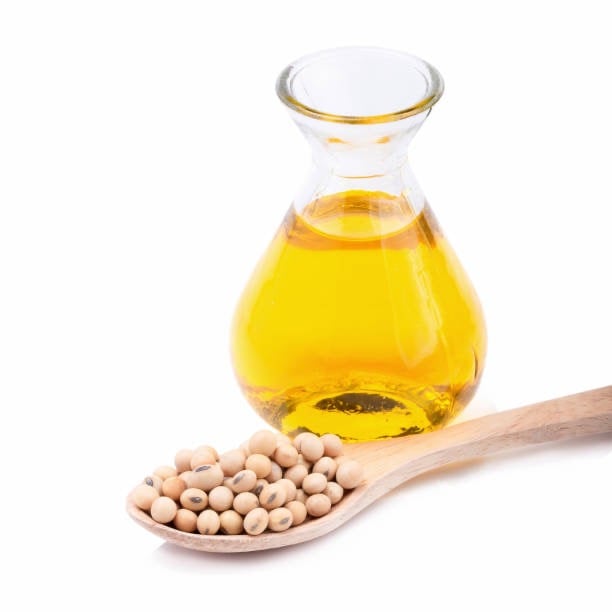
We supply two main grades to India, plus a few specialist ones:
- Crude degummed soybean oil (CDSO) for refiners.
- Refined soybean oil for packers and food plants.
- Crude soybean oil for refiners with their own degumming.
- High oleic soybean oil for long fry life and snacks.
See the whole range on our soybean oil page.
Crude Degummed Soybean Oil Specification
This is the specification we work to on CDSO for India. Any soybean oil exporter to India should be able to give you a table like this. Every lot ships with a certificate of analysis, and you can appoint your own surveyor at loading.
| Parameter | Our CDSO limit | Test method |
|---|---|---|
| Free fatty acid (as oleic) | 1.0% max | AOCS Ca 5a-40 |
| Moisture and impurities | 0.3% max combined | AOCS Ca 2c-25 / Ca 3a-46 |
| Phosphorus | 200 ppm max | AOCS Ca 12-55 |
| Iodine value (Wijs) | 124 to 139 | AOCS Cd 1d-92 |
| Unsaponifiable matter | 1.5% max | AOCS Ca 6a-40 |
| Flash point | 121 °C min | AOCS Cc 9b-55 |
| Colour | Amber to light brown | Visual |
For the full detail, read our crude degummed soybean oil specification guide.
Why phosphorus matters
Phosphorus tells a refiner how much gum is still in the oil. Low phosphorus means less work and less loss in the refinery. A good soybean oil exporter to India will put phosphorus in the contract, not just on the COA.
Refined Soybean Oil Specification
For packers and food factories that want ready-to-pack oil from a soybean oil exporter to India, these are our refined soybean oil limits.
| Parameter | Our guarantee | Test method |
|---|---|---|
| Appearance at 20 °C | Clear, bright, no sediment | Visual |
| Odour and taste | Bland, neutral | Sensory |
| Free fatty acid (as oleic) | 0.10% max | AOCS Ca 5a-40 |
| Peroxide value | 2.0 meq O₂/kg max at loading | AOCS Cd 8b-90 |
| Moisture and volatile matter | 0.05% max | AOCS Ca 2c-25 |
| Insoluble impurities | 0.05% max | AOCS Ca 3a-46 |
| Colour (Lovibond 5.25 inch) | Red 2.0 max, Yellow 20 max | AOCS Cc 13e-92 |
| Iodine value (Wijs) | 124 to 139 | AOCS Cd 1d-92 |
| Saponification value | 189 to 195 mg KOH/g | AOCS Cd 3-25 |
| Cold test (winterized grade) | 5.5 hours clear at 0 °C | AOCS Cc 11-53 |
| Smoke point | About 230 °C | AOCS Cc 9a-48 |
The fatty acid profile follows the soybean oil range in the Codex Standard for Named Vegetable Oils:
| Fatty acid | Typical range |
|---|---|
| Palmitic (C16:0) | 8.0 to 13.5% |
| Stearic (C18:0) | 2.0 to 5.4% |
| Oleic (C18:1) | 17 to 30% |
| Linoleic (C18:2) | 48 to 59% |
| Linolenic (C18:3) | 4.5 to 11.0% |
Our refined soybean oil specification post explains each number in plain language.
Refined Oil for Indian Packers and Traders
Not every buyer in India runs a refinery. Some packers and traders prefer to import refined soybean oil, ready to fill or resell, especially when the duty gap between crude and refined narrows or when their own refinery is down for maintenance. For them, we ship refined, winterised soybean oil in flexitanks for local filling, or packed in tins and jerrycans for direct sale.
If you go this route, check the cold test in the contract. Oil sold in the north in December needs to stay clear on the shelf. A soybean oil exporter to India who also ships refined oil can cover both your crude and refined needs, which keeps paperwork and quality checks simpler. We can also pack under your own brand. See private label vegetable oil for how that works, and PET bottle vs jerrycan cooking oil packaging if you’re choosing pack sizes.
Lab methods matter too. We test to AOCS official methods, so your lab can check our numbers the same way.
Indian Ports We Ship To
As a soybean oil exporter to India, we quote CIF to the main edible oil ports and FOB loading port for buyers with their own freight:
| Coast | Ports | Typical buyers |
|---|---|---|
| West | Kandla (Deendayal), Mundra, Mumbai and JNPT | Gujarat and Maharashtra refiners, traders |
| East | Kakinada, Krishnapatnam, Visakhapatnam | Andhra Pradesh and Telangana refiners |
| South | Chennai, Tuticorin | Tamil Nadu and Kerala buyers |
| East | Haldia, Kolkata | Eastern India refiners and packers |
Sailing from Thailand to Indian ports usually takes one to three weeks, which is much shorter than shipments from South America. A short voyage means less time for quality to drift and less risk of a missed production slot. For price terms, see CIF vs FOB vegetable oil.
Packing and Shipment Size
| Packing | Typical quantity | Notes |
|---|---|---|
| Bulk parcel | By contract, often 1,000 MT and up | For refiners with shore tanks |
| Flexitank | About 20 to 22 MT per 20 ft container | Trial lots and inland refiners |
| ISO tank | About 20 to 23 MT | Clean, quick discharge |
| Drums | About 180 to 190 kg | Small users |
| Tins and jerrycans | 15 L to 20 L | Packed refined oil for traders |
Soybean oil stays liquid at normal temperatures, so flexitanks don’t need heating. Our flexitank vs ISO tank guide helps you choose.
Duty, FSSAI and Documents
India’s edible oil rules and duty rates change often. Treat this as a checklist and confirm the current position with your customs broker before the oil ships.
- Customs duty. Crude and refined soybean oil carry different rates, and both get revised. Our post on edible oil import duty India tracks the latest changes.
- FSSAI. Imported oil must meet the standards of the Food Safety and Standards Authority of India and pass its import clearance.
- HS code. Crude soybean oil falls under HS 1507.10 and refined under 1507.90. See our soybean oil HS code guide.
- IEC. The importer needs an Importer Exporter Code.
Documents we send with each shipment:
- Commercial invoice and packing list
- Bill of lading
- Certificate of analysis
- Certificate of origin
- Health certificate where required
- Non-GMO or GMO declaration as required
- Surveyor’s quality and quantity certificate if your contract asks for one
A soybean oil exporter to India who sends late or messy paperwork can cost you demurrage at the port. Our list of documents required to import vegetable oil covers the paperwork in more detail.
A Note on GMO Rules
India has strict rules on genetically modified food, and soybean oil is an area buyers watch closely. Requirements can change, so confirm the current position with FSSAI and your broker before you contract. Any serious soybean oil exporter to India should be able to supply the origin and GMO status declarations the authorities ask for. Our post on GMO vs non-GMO soybean oil explains the background.
8 Proven Tips for Choosing a Soybean Oil Exporter to India
We sell soybean oil, but we’d still tell you to check us properly. Here’s what we’d look at with any soybean oil exporter to India.
1. Verify the company
Ask for company registration, a physical address and a named contact, then check them yourself. The edible oil trade has plenty of brokers and some outright scams. Our guide to spotting a fake vegetable oil supplier lists the warning signs.
2. Get every number in the contract
FFA, moisture and impurities, phosphorus and colour at the very least for CDSO. Vague phrases like “good export quality” won’t help you in a claim.
3. Ask for COAs from several past shipments
One good COA tells you little. Results from the last few lots tell you how steady the oil really is. See certificate of analysis for edible oil.
4. Use independent inspection
A surveyor at loading samples and seals the oil so there’s no argument later. A serious soybean oil exporter to India will welcome it. See pre-shipment inspection for edible oil.
5. Use a letter of credit
Most Indian buyers pay by LC, and it’s the safest way to start. Be careful with anyone who wants full payment by wire before loading. Read letter of credit vs TT payment.
6. Check the loading window
Refiners plan production around arrival dates. Ask how the seller handles delays and how much notice they give.
7. Check they know Indian paperwork
A soybean oil exporter to India who ships there regularly knows what FSSAI and customs expect. One who doesn’t will learn on your cargo, at your cost.
8. Agree the claims process up front
Sampling, sealing, testing labs and how claims get settled should all be written down before the first shipment.
What Moves Soybean Oil Prices in India
Every soybean oil exporter to India prices off the same world market. That market tracks the soybean crop in South America and the US, crushing margins, and demand for soybean oil in biodiesel. When soybean oil gets cheap compared with palm, Indian buyers switch towards soybean, and the other way round. The USDA Foreign Agricultural Service publishes monthly oilseed reports that many traders watch.
On top of the world price, Indian buyers pay attention to the rupee, freight, insurance and duty. A duty change can move the market overnight. Our post on soybean oil price per ton explains how the price is built up step by step.
We quote firm CIF or FOB prices with a validity period. Send us your quantity, port and shipment month, and we’ll give you today’s number.
Planning Around the Indian Oil Year
India’s edible oil trade runs on an oil year from November to October. Demand usually climbs ahead of the festival season, and refiners stock up in the weeks before. Winter in the north increases demand for soft oils like soybean, which stay clear in the cold better than palm olein.
A good soybean oil exporter to India plans with you around those peaks. If you know you’ll need extra volume for the festival months or for winter blends, book it six to eight weeks ahead. Freight gets tight when everyone is buying at once.
Quality on Arrival
Test every parcel when it lands, even from a soybean oil exporter to India you trust. Draw joint samples at discharge, seal them, and test FFA, moisture and impurities, phosphorus and peroxide value. Compare those numbers with the loading COA.
A small rise in FFA during the voyage is normal. A big jump points to water getting in somewhere, or a dirty tank. Keep shore tanks clean and dry, and don’t leave crude sitting too long in the heat before refining. Our guide on free fatty acid and peroxide value explains what the numbers tell you.
A Typical First Year With a New Supplier
Most refiners don’t hand a new soybean oil exporter to India a full vessel on day one, and they’re right not to. Here’s how a sensible first year usually goes.
- First month or two: one or two flexitanks to a west or east coast port. The buyer tests the oil, checks the paperwork, and sees how quickly we answer questions.
- Months three to six: several containers a month, or a small bulk parcel if the refinery has shore tanks. Specs, inspection and claims terms go into a standard contract.
- After six months: a monthly or quarterly supply plan, with the price method agreed in advance and a loading window that fits the refinery’s schedule.
Going step by step keeps the risk small on both sides. It also gives the buyer real data, from real cargoes, to compare against any other soybean oil exporter to India they use.
Common Mistakes Indian Importers Make
We see the same few problems again and again with first-time soybean oil importers.
- Not checking the latest duty. A change between contract and arrival can wipe out the margin. Build some room into the deal.
- No phosphorus in the contract. If it isn’t written down, you can’t claim against it.
- Skipping inspection to save money. A surveyor costs little next to the value of a cargo.
- Choosing on price alone. The cheapest soybean oil exporter to India is often the one with the weakest paperwork and the least reliable loading dates.
How an Order Works
- You send grade, quantity, packing, port and shipment month.
- We quote CIF or FOB with the full specification.
- We share recent COAs and a sample if you need one.
- We sign a contract with specs, loading window, inspection and claims terms.
- You open a letter of credit.
- We load, your surveyor inspects, and we send documents.
- The oil arrives and we stay in touch until it’s discharged.
Our minimum as a soybean oil exporter to India is one 20 ft flexitank. See minimum order quantity for bulk cooking oil.
Soybean, Palm or Sunflower?
Most Indian refiners and packers buy more than one oil, and the mix shifts with price. Soybean oil is a soft oil that stays liquid in the cold and blends well with mustard and sunflower oil. Palm olein is usually cheaper but clouds in winter. Sunflower oil is light and popular in the south.
We supply all three, so you can work with one seller across your basket. If you also buy palm, our page on crude palm oil suppliers for India covers CPO. Our comparisons of palm oil vs soybean oil and soybean oil vs sunflower oil help when you’re deciding on blends.
Why Indian Buyers Work With Us
We’re a Thailand-based exporter certified to ISO 22000, HACCP, GMP and halal. We don’t claim to be the largest soybean oil exporter to India. What we offer is a short sea route, a clear specification, documents that match your LC, and people who reply quickly when something needs sorting.
Most buyers who try a new soybean oil exporter to India start with one flexitank, check the oil and the paperwork, and then move to regular parcels. That’s the approach we’d suggest with any new seller.
We supply buyers next door too. Our page on the soybean oil bulk Bangladesh price breaks down freight, LC timing and CIF costs.
FAQs About Buying From a Soybean Oil Exporter to India
Which grades do you ship to India?
Crude degummed soybean oil, refined soybean oil, crude soybean oil and high oleic soybean oil.
Which ports do you quote?
Kandla, Mundra, Mumbai and JNPT, Kakinada, Krishnapatnam, Visakhapatnam, Chennai, Tuticorin, Haldia and Kolkata.
What is the minimum order?
One 20 ft flexitank, about 20 to 22 tons. Larger parcels by contract.
Which payment terms do you accept?
Irrevocable letter of credit at sight for first orders. Other terms for repeat buyers.
How long is the voyage from Thailand?
Usually one to three weeks, depending on the port and line.
Can you send a sample?
Yes, with a recent COA, before you commit to a full container.
Contact a Soybean Oil Exporter to India
If you’re comparing offers from a soybean oil exporter to India, send us your grade, quantity, packing, port and shipment month. We’ll reply with a firm price, our full specification and recent COAs. Email info@dthcompanyltd.com, call or WhatsApp +66 91 765 9104, or use our contact page.











One thought on “Soybean Oil Exporter to India: 8 Proven Tips for Safe Buying”