

If you buy cooking oil in bulk, sooner or later someone will send you a certificate of analysis and point at two numbers: free fatty acid and peroxide value. Those two lines decide a lot. They tell you whether the oil was refined properly, whether it’s been stored well, and roughly how long it’ll last in your warehouse or your fryer.
We export refined sunflower, palm, soybean, canola and coconut oil from Thailand, and free fatty acid and peroxide value are on every COA we send. This guide explains what the two numbers actually mean, what’s normal for each oil, what pushes them up, and how to use them when you’re buying.
Table of Contents
The short answer
Free fatty acid (FFA) tells you how much of the oil has broken down by hydrolysis. That’s water and heat splitting fat molecules apart. Peroxide value (PV) tells you how much of the oil has started to oxidise. That’s oxygen attacking the fat.
Free fatty acid and peroxide value are both measures of freshness and quality. Low is good. For refined cooking oil, free fatty acid and peroxide value should both be very low when the oil leaves the refinery. If either is high, something went wrong in refining, storage or transport.
What free fatty acid actually is
Vegetable oil is mostly triglycerides: three fatty acid chains held together by a glycerol backbone. When water gets involved, helped along by heat or by enzymes in the seed or fruit, some of those chains break off. Once they’re loose, they’re called free fatty acids.
A small amount is always there in crude oil. Refining removes most of it. That’s why crude oils have FFA in the percent range and refined oils sit at or below 0.1%.
FFA is reported as a percentage of a reference fatty acid. For sunflower, soybean and canola oil, that’s oleic acid. For palm oil, it’s usually palmitic acid. For coconut oil, lauric acid. So when you compare free fatty acid and peroxide value between two COAs, check they’re using the same reference, or the numbers won’t line up.
What peroxide value actually is
Peroxide value measures the primary products of oxidation. When oxygen reacts with the unsaturated fats in oil, it forms hydroperoxides. PV counts them, in milliequivalents of active oxygen per kilogram of oil (meq O₂/kg).
Fresh refined oil should have a very low PV. As oil sits in contact with air, light and warmth, PV creeps up. Eventually those peroxides break down further into the compounds that make oil smell and taste rancid.
Here’s the tricky part: PV can rise and then fall again as oxidation moves on. A very old, very rancid oil can sometimes show a lower PV than a moderately oxidised one. That’s why labs sometimes add a second test, anisidine value, to see the later stage. For routine buying, though, free fatty acid and peroxide value together give you a good first picture.
Why free fatty acid and peroxide value matter to buyers
A few practical reasons:
- Taste and smell. High FFA gives a soapy or sharp taste. High PV leads to cardboard, painty or rancid off-notes.
- Smoke point. The more free fatty acids, the lower the oil’s smoke point. An oil that should handle 230°C may start smoking much lower if FFA is high. Our cooking oil smoke point chart shows how much the numbers can differ.
- Fryer life. Oil that starts with low free fatty acid and peroxide value lasts longer in a fryer before it needs changing. See our guide on how often to change fryer oil.
- Shelf life. Low starting PV means more time before the oil goes off in storage.
- Contracts and customs. Most contracts set maximum limits for both. Some importing countries check them at the border.
Typical limits for refined oils
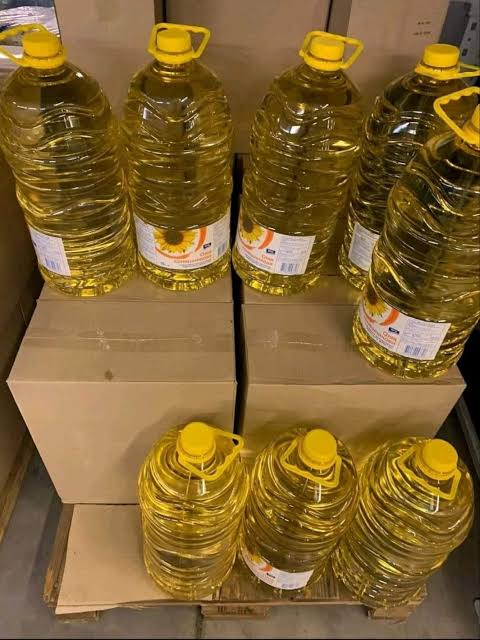
These are the limits on our own refined oils. They’re also a fair picture of what a good refined oil should look like anywhere.
| Oil | Free fatty acid (max) | Peroxide value (max) |
|---|---|---|
| Refined sunflower oil | 0.1% (as oleic) | 10 meq/kg |
| High oleic sunflower oil | 0.1% (as oleic) | 5 meq/kg |
| Refined soybean oil | 0.1% (as oleic) | 10 meq O₂/kg (typical ≤ 5) |
| Refined canola oil | 0.1% (as oleic) | 2.0 meq O₂/kg |
| RBD canola oil | 0.05% (as oleic) | 1.0 meq O₂/kg |
| RBD coconut oil | 0.1% (as lauric) | 1.0 meq O₂/kg |
| Virgin coconut oil | 0.2% (as lauric) | 3.0 meq O₂/kg |
The widely used international reference is the Codex standard for named vegetable oils, published by the FAO/WHO Codex Alimentarius. It allows up to 10 meq/kg peroxide value for refined oils, and many national rules follow it. Good refiners ship well under that ceiling.

What crude oil looks like
Crude oils are a different story. They haven’t been through neutralising and deodorising, so FFA is naturally higher. For our crude palm oil CP0, FFA is around 3 to 5% (as palmitic acid) and PV up to 15 meq O₂/kg. That’s normal for crude palm oil going to a refinery.
If you’re buying crude for refining, free fatty acid and peroxide value still matter a lot, but for a different reason. Higher FFA in crude means more refining loss. Every extra point of FFA costs the refinery money, which is why crude palm oil contracts often price in FFA directly. You can read more in our piece on crude vs refined sunflower oil.
What pushes free fatty acid up
FFA rises through hydrolysis. The main causes:
- Water. Moisture in the oil or in the container. That’s why moisture limits sit next to FFA limits on every spec sheet. Ours are max 0.1% for refined sunflower, soybean and canola.
- Heat. Warm storage speeds it up. So does frying, where water from food meets hot oil.
- Enzymes in the raw material. Damaged or badly stored seeds and palm fruit start breaking down before they’re even crushed.
- Time. Given water and warmth, FFA keeps climbing slowly.
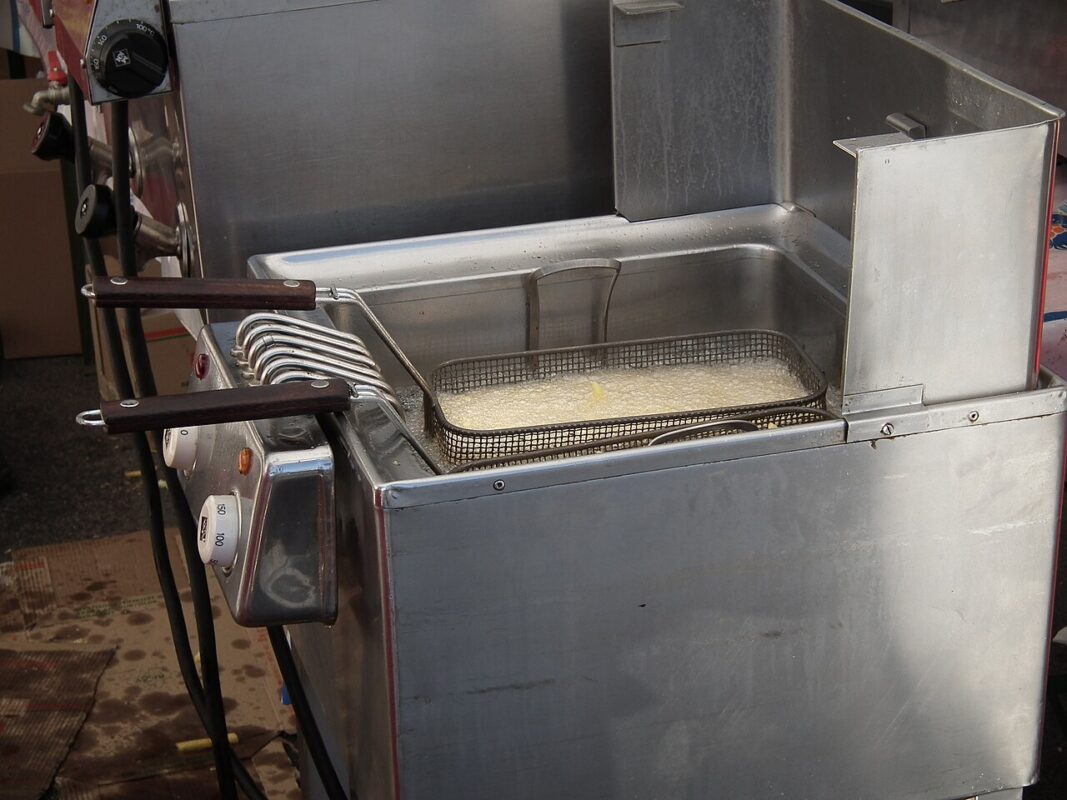
In a fryer, FFA rises fast. Food releases water, the oil is hot, and food particles add to it. That’s why FFA is one of the quickest checks for deciding when fryer oil is finished.
What pushes peroxide value up
PV rises through oxidation. The main causes:
- Air. Oxygen in the headspace of a tank, drum or bottle.
- Light. Especially clear bottles on bright shelves.
- Heat. Every rise in storage temperature speeds oxidation.
- Metals. Traces of iron and copper act as catalysts. That’s why food-grade oil equipment is stainless steel.
- Unsaturation. Oils with more polyunsaturated fat oxidise faster. Soybean and regular sunflower oil are more prone than high oleic sunflower, palm or coconut oil.
So when you compare free fatty acid and peroxide value across oils, remember that a canola or soybean oil needs more careful handling than coconut oil to keep PV low.
How the lab measures them
You don’t need to run the tests yourself, but it helps to know what’s behind free fatty acid and peroxide value on a report.
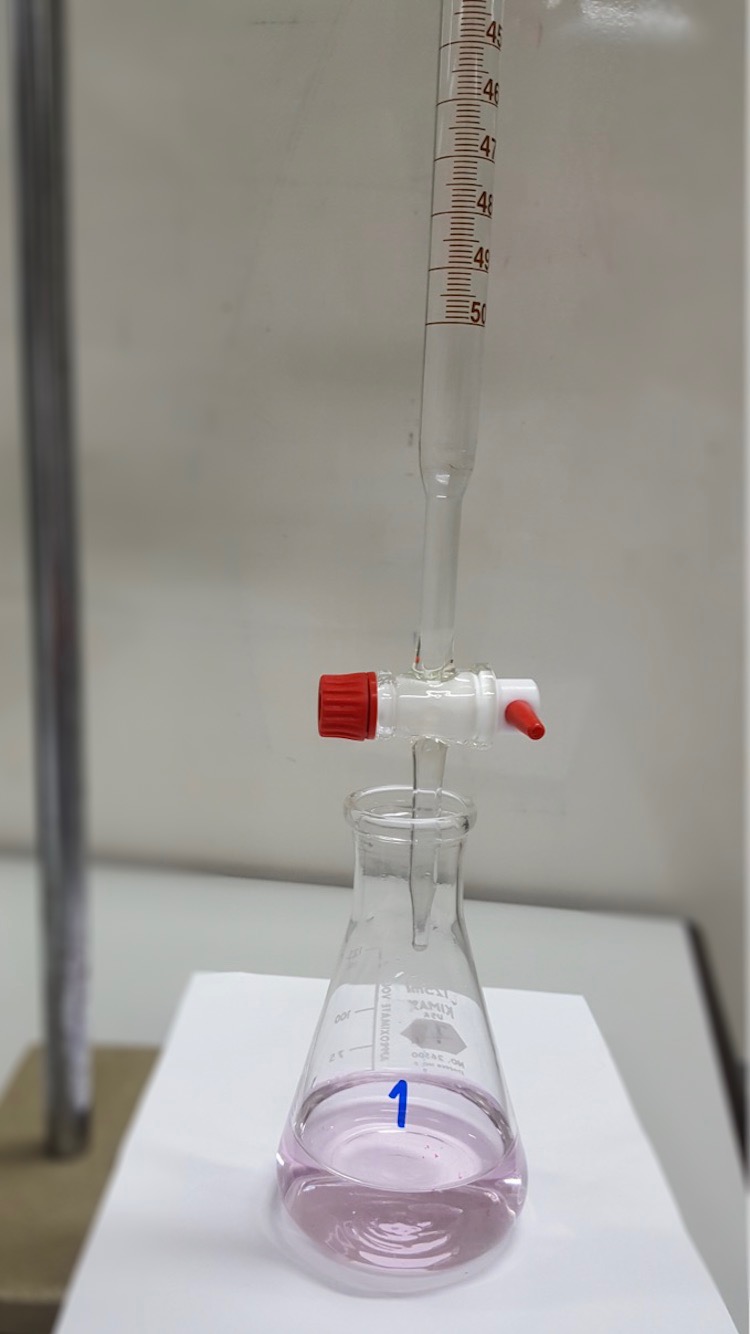
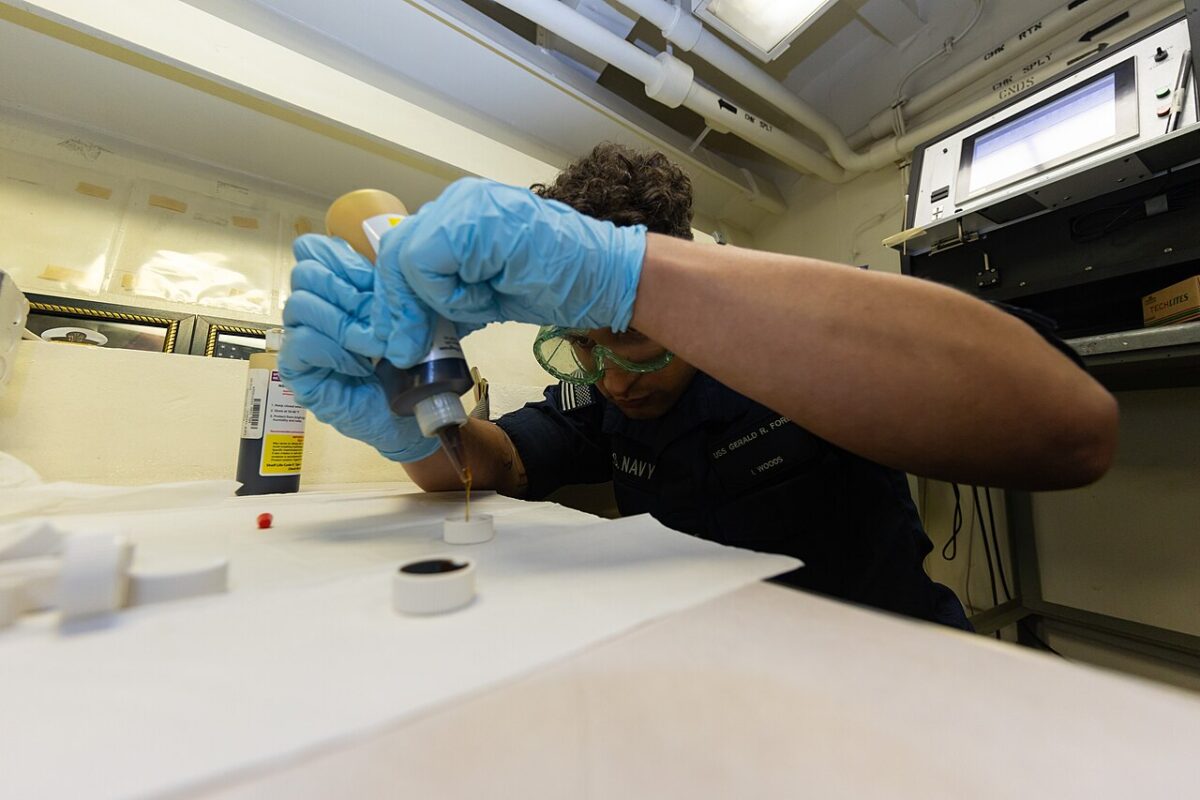
FFA is measured by titration. A weighed sample of oil is dissolved in a neutral solvent and titrated with a standard alkali solution until an indicator changes colour. The amount of alkali used tells you how much free acid was there. It’s quick and cheap.
PV is also a titration. The oil sample reacts with potassium iodide. Peroxides in the oil free up iodine, which is then titrated with sodium thiosulfate. The result is expressed in meq O₂/kg.
Both methods are standardised, so a good lab anywhere should get close to the same number from the same sample. Small differences between labs are normal. That’s worth remembering if your arrival test and our loading test differ by a hair.
Free fatty acid and peroxide value on a COA: what to check
When a certificate of analysis lands in your inbox, look for these things:
- The reference acid for FFA (oleic, palmitic or lauric).
- The units for PV (meq O₂/kg).
- The method used for each test.
- The sample date compared with the loading date.
- The batch or tank number, so you know which oil was tested.
- The contract limit next to each result.
If the COA shows free fatty acid and peroxide value without a date or batch number, ask for a proper one. A number with no context is just a number. Our guide on the documents required to import vegetable oil explains how the COA fits into the full set.
Using free fatty acid and peroxide value to judge a shipment
Here’s a practical way to use the two numbers.
At loading, the COA should show both well inside the limit. For refined oils, FFA often comes in well under 0.1%, and PV well under the maximum.
At arrival, test again. If free fatty acid and peroxide value have both risen only a little, the oil was handled well. If PV has jumped, the oil probably got hot or had too much air contact in transit. If FFA has jumped, look for water getting in.
For a fair comparison, both tests should use the same method, ideally at an accredited lab. If you want an independent check at loading too, book a pre-shipment inspection for edible oil.
Container choice and oxidation
How the oil travels makes a difference to PV. A well-filled flexitank has very little air in it, which helps. A sealed stainless ISO tank keeps light and moisture out completely. Drums and jerrycans should be filled properly and closed tight.
We compare the options in our article on flexitank vs ISO tank. If PV control matters to your customers, that’s worth a read.

Storage tips that keep both numbers low
A few simple habits that protect free fatty acid and peroxide value once the oil is with you:
- Keep it cool. A cool warehouse slows both hydrolysis and oxidation.
- Keep it dark. Store bottles in cartons, away from sunlight.
- Keep it dry. Check drum bungs and tank hatches for leaks. Don’t let condensation build up.
- Keep it closed. Every time a container is opened, fresh air gets in.
- First in, first out. Use older stock first.
- Avoid copper and brass fittings anywhere near the oil.
Our longer guide to the shelf life of sunflower oil, soybean and canola goes into storage in more detail.
Free fatty acid and peroxide value in frying
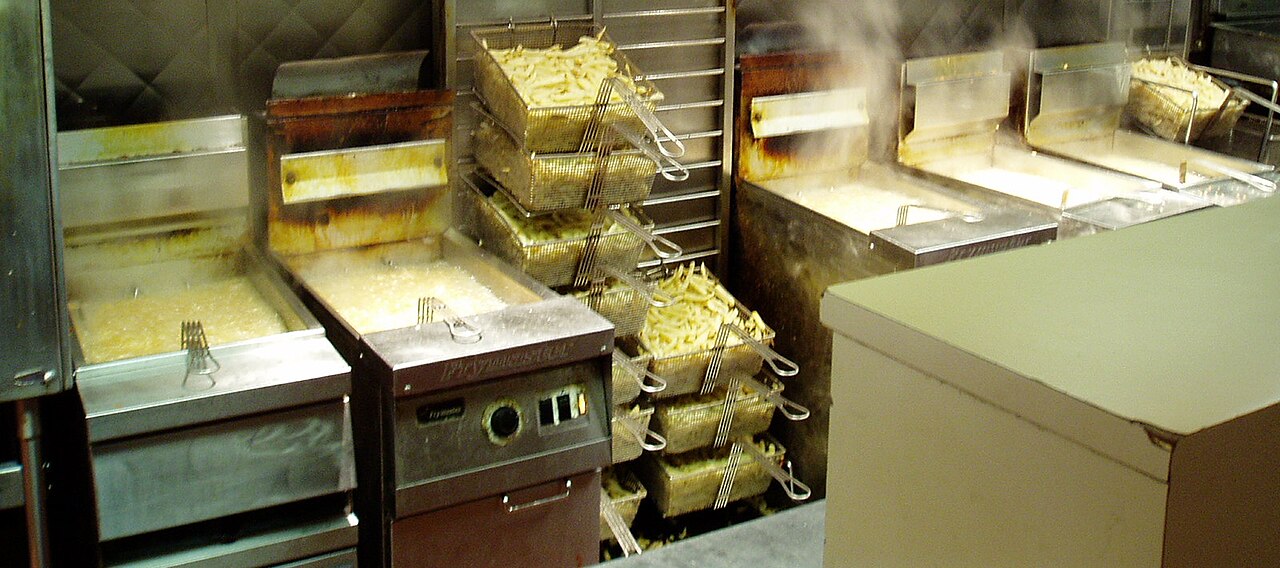
In a restaurant or food factory, the numbers keep changing once the oil goes into the fryer. FFA climbs each day as water from food hydrolyses the oil. PV rises and falls as oxidation moves through its stages.
Most commercial kitchens don’t send fryer oil to a lab every day. They use simple test strips for FFA or a meter for total polar compounds, which tracks overall breakdown. Many food safety rules set a discard point based on polar compounds, usually in the mid-20s percent.
Starting with oil that has low free fatty acid and peroxide value gives you more frying hours before you hit that limit. That’s money saved on every change. If you’re comparing oils for a busy fryer, our guide to canola oil vs soybean oil looks at how each behaves under heat.
How each oil behaves
Free fatty acid and peroxide value don’t behave the same way in every oil. The fat makeup matters.
Sunflower oil. Regular refined sunflower oil is high in linoleic acid, a polyunsaturated fat. That makes it tasty and light, but more prone to oxidation, so PV needs watching in storage. High oleic sunflower oil swaps most of that linoleic acid for oleic acid, which is far more stable. That’s why our high oleic grade carries a tighter PV limit of 5 meq/kg and a longer shelf life of 18 to 24 months.
Soybean oil. Also high in polyunsaturated fat, plus a little linolenic acid, which oxidises even faster. Refined soybean oil needs cool, dark storage to keep PV down. Our high oleic soybean oil is the more stable option for long storage or heavy frying.
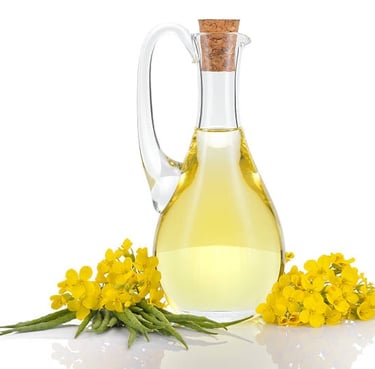
Canola oil. Lower in saturated fat, with a good share of oleic acid, but it has linolenic acid too. Refined canola keeps well when handled properly, and our RBD grade ships with some of the lowest free fatty acid and peroxide value limits in our range.
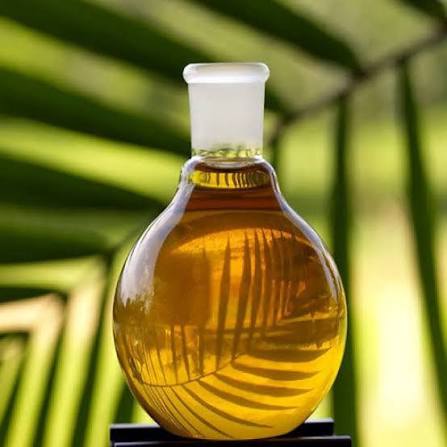
Palm oil. Rich in saturated and monounsaturated fat, so it resists oxidation well. The watch-out with palm is FFA, especially in crude oil, because the fruit starts breaking down fast after harvest. Refined palm olein grades like CP8 and CP10 are stable in the fryer, which is why many food factories use them.
Coconut oil. Mostly saturated fat, so PV stays very low and it keeps a long time. FFA is still worth checking, because coconut oil’s short-chain fatty acids give a soapy taste even at low FFA levels.
A simple spec template for your contracts
If you’re writing a purchase contract, put free fatty acid and peroxide value in writing, with the method and the reference acid. Here’s a template you can adapt for refined oils:
| Parameter | Suggested limit | Notes |
|---|---|---|
| Free fatty acid | Max 0.1% | State the reference acid (oleic, palmitic or lauric) |
| Peroxide value | Max 5–10 meq O₂/kg | Tighter for high oleic and RBD grades |
| Moisture and volatiles | Max 0.1% | Protects against FFA rise |
| Insoluble impurities | Max 0.05% | Keeps the oil clean |
| Colour | As agreed per grade | Lovibond scale |
| Sampling point | At loading, by inspector | Name the inspection company |
| Retest at arrival | Allowed | Same method, accredited lab |
Adjust it to the oil and your market, and send it with your enquiry so the specs on both sides line up.
What the numbers mean for your own customers
If you resell oil, your customers will look at free fatty acid and peroxide value too, even if they don’t use those words. A restaurant notices when oil foams early or smokes too soon. A supermarket customer notices when a bottle tastes stale before its best-before date. A food factory notices when a product’s shelf life falls short.
Most of those complaints trace back to one of the two numbers creeping up somewhere between the refinery and the end user. Keeping records of free fatty acid and peroxide value at each step, loading, arrival and before dispatch to your customer, makes it much easier to find where a problem started.
Free fatty acid and peroxide value in bottled oil
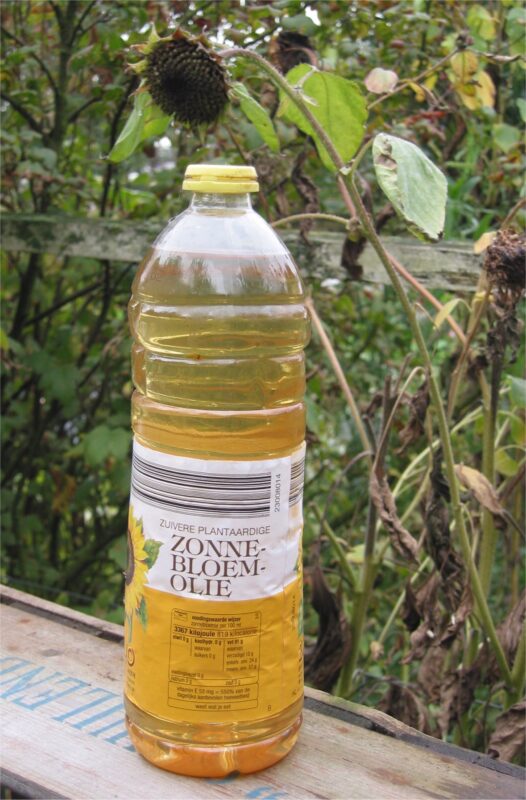
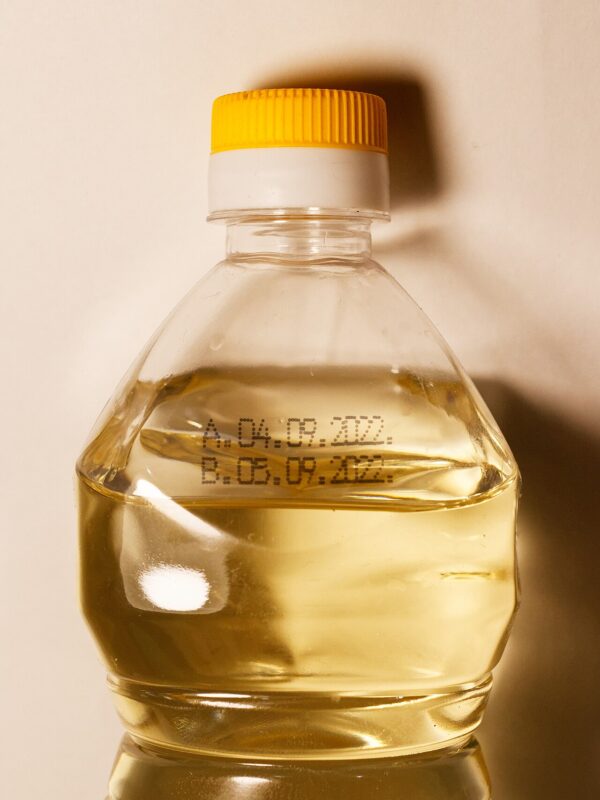
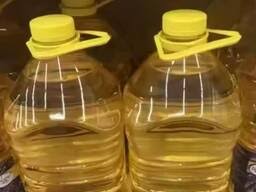
For retail bottles, the numbers matter even more, because the oil sits on a shelf for months. A clear PET bottle under shop lights is a tough place for oil. Light speeds up oxidation, so PV climbs faster than it would in a dark drum.
If you’re packing or buying bottled oil for supermarkets, a few things help. Start with a low PV at filling. Fill bottles close to the top to cut the air gap. Pack them in cartons until they reach the shelf. Some buyers ask for nitrogen flushing before capping, which pushes out most of the oxygen. It adds a little cost but keeps free fatty acid and peroxide value low for longer.
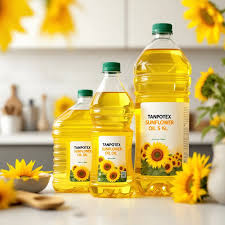
We fill 1 L, 5 L and 10 L PET bottles, 18 L tins and 25 L jerrycans, as well as private label packs. Tell us how long your oil needs to last on the shelf and we’ll suggest the right grade and pack.
Common misunderstandings
A few things buyers often get wrong about free fatty acid and peroxide value:
- “Zero is possible.” It isn’t. Even the best refined oil has a trace of FFA and a small PV. A contract asking for 0.00% can’t be met.
- “Low PV means fresh.” Usually, but not always. Badly oxidised oil can show a falling PV. If an oil smells off but PV looks fine, ask for anisidine value too.
- “FFA and acid value are different things.” They measure the same thing in different units. Acid value is roughly double the FFA percentage (as oleic).
- “All oils should have the same limits.” Not true. Coconut and palm oil are more stable against oxidation. Soybean and canola are less so.
- “Only the loading COA matters.” The arrival number matters just as much to your customer.
Quick answers
What’s a good FFA for refined cooking oil? 0.1% or lower (as oleic acid) for sunflower, soybean and canola. Our RBD canola oil is at 0.05% max.
What’s a good PV for refined cooking oil? Under 10 meq O₂/kg is the common ceiling. Good refined oil ships well below that. Our refined canola oil is at 2.0 max and RBD coconut oil at 1.0 max.
Can high FFA be fixed? In a refinery, yes, by neutralising or physical refining. In your warehouse, no. Once free fatty acid and peroxide value go up, they don’t come back down.
How often should I test? Every incoming shipment, at least once. For long storage, every few months.
Is there a link between the two numbers? They measure different processes, but both rise with poor storage. A shipment with high free fatty acid and peroxide value together has usually seen both heat and moisture.
Buy refined oil with low free fatty acid and peroxide value
We supply sunflower oil, palm oil, soybean oil, canola oil and coconut oil to buyers worldwide, in flexitanks, ISO tanks, drums, jerrycans, tins and PET bottles. Every shipment comes with a certificate of analysis showing free fatty acid and peroxide value against the contract limits, and you’re welcome to have your own inspector test it too.
See the full range on our products page, read about us, or send your grade, quantity and destination through our contact page. We’ll reply with full specifications and a price.
Image credits: Featured photo: Kengksn, CC BY-SA 4.0, Wikimedia Commons.
7 thoughts on “Free Fatty Acid and Peroxide Value in Cooking Oil Explained: 7 Essential Facts”