

High oleic vs regular sunflower oil is a question we hear from restaurant groups, snack makers and bottlers almost every week. The two oils come from the same plant, look the same in a bottle and taste the same on a spoon. But they behave very differently in a fryer and on a shelf, and they don’t cost the same. Pick the wrong one and you either overpay or throw oil away too soon.
We sell both, along with crude, deodorized and organic sunflower oil, to buyers worldwide. This guide lays out the high oleic vs regular sunflower oil difference in plain terms, with our specifications, and helps you work out which one fits your business.
Table of Contents
The quick answer
Regular sunflower oil is mostly linoleic acid, a polyunsaturated fat. High oleic sunflower oil is mostly oleic acid, a monounsaturated fat, the same one that dominates olive oil.
That one change in the fat profile drives almost every other difference. Oleic acid is far more stable when heated or exposed to air. So high oleic oil lasts longer in the fryer and on the shelf. Regular sunflower oil is cheaper and perfectly good for everyday cooking, dressings and bottled retail oil where the turnover is quick.
If you only remember one thing about high oleic vs regular sunflower oil, make it this: high oleic is the workhorse for heat and long storage, regular is the value choice for everything else.
Our specifications side by side
Here are the specs we load against for high oleic vs regular sunflower oil. Each shipment comes with a certificate of analysis tested to these limits.
| Parameter | Regular refined sunflower oil | High oleic sunflower oil |
|---|---|---|
| Oleic acid (C18:1) | 14 to 39% | 80% min |
| Linoleic acid (C18:2) | 48 to 74% | 10% max |
| Saturated fat (approx.) | 9 to 13% | 7 to 10% |
| Iodine value | 118 to 144 | 80 to 100 |
| Free fatty acid (as oleic) | 0.1% max | 0.1% max |
| Peroxide value | 10 meq/kg max | 5 meq/kg max |
| Moisture and volatiles | 0.1% max | 0.1% max |
| Smoke point | About 232 °C | About 245 °C |
| Shelf life (sealed, cool) | 12 to 18 months | 18 to 24 months |
| Taste and smell | Neutral | Neutral |
You’ll find more on each grade on our pages for refined sunflower oil and high oleic sunflower oil. For a full walk-through of the regular grade’s numbers, see our guide to refined sunflower oil specification.
Where high oleic sunflower came from
High oleic sunflower isn’t genetically modified. It came from conventional plant breeding. In the 1970s, breeders in the former Soviet Union developed a sunflower line with much higher oleic acid, and breeders around the world have built on it since. Today high oleic hybrids are grown widely in Europe, the Americas and the Black Sea region.
There’s also a middle option, often called mid-oleic sunflower oil, with roughly 43 to 72% oleic acid. It sits between the two and is common in North America. When you compare high oleic vs regular sunflower oil offers, check the actual oleic percentage, because “high oleic” on a label can mean different things to different sellers. The National Sunflower Association has good background on the different types.
Difference 1: fat profile
This is the root of the whole high oleic vs regular sunflower oil story. In regular sunflower oil, linoleic acid makes up roughly half to three quarters of the fat. In high oleic oil, oleic acid takes that place, at 80% or more in our grade.
Linoleic acid has two double bonds in its chain. Oleic acid has one. Each double bond is a weak spot where oxygen can attack. Fewer weak spots means slower oxidation. That’s the chemistry behind the high oleic vs regular sunflower oil gap in frying life and shelf life.
Difference 2: frying life
In a commercial fryer, the high oleic vs regular sunflower oil gap is easy to see. High oleic oil usually lasts noticeably longer before it darkens, foams or starts to taste stale. Many fryer operators find they can stretch oil changes significantly, sometimes to around twice as long, depending on the food, the temperature and how well they filter.
That’s why fast food chains, snack makers and caterers often choose high oleic. It costs more per litre, but you buy fewer litres. Regular sunflower oil still fries well, it just breaks down sooner under heavy daily use.
For practical tips on oil life, read how often to change fryer oil.
Difference 3: shelf life
Shelf life is the second big high oleic vs regular sunflower oil difference. Sealed and stored cool, regular refined sunflower oil keeps about 12 to 18 months. High oleic keeps about 18 to 24 months. Once opened, the gap widens, because regular oil reacts faster with the air in a half-empty bottle.
This matters for exporters and for products with long shelf lives, such as crisps, crackers, nuts and baked snacks. Fat that goes rancid in a packet ruins the product, even if everything else is fine. Our post on shelf life of sunflower oil goes into storage in more depth.
Difference 4: smoke point
The smoke points are close, about 232 °C for regular refined and about 245 °C for high oleic. Both are well above normal frying temperatures of 170 to 190 °C.
The more important point is how the smoke point changes with use. As oil breaks down in the fryer, free fatty acids build up and the smoke point drops. Regular sunflower oil reaches that point sooner. So in practice, the high oleic vs regular sunflower oil difference in smoke point grows over the life of the oil. Our cooking oil smoke point chart compares sunflower with other common oils.
Difference 5: price
High oleic sunflower oil costs more. There are fewer high oleic acres, growers are paid a premium to keep the crop separate, and the oil has to be handled in its own tanks so it isn’t mixed with regular oil.
The premium moves with the season and the size of the harvest. For a buyer, the real question in high oleic vs regular sunflower oil isn’t price per ton, it’s cost per day of frying or cost per month of shelf life. When you work it out that way, high oleic often comes out ahead for fryers, and regular often comes out ahead for fast-moving bottled oil.
Difference 6: nutrition
On nutrition, the high oleic vs regular sunflower oil comparison is mostly about the type of unsaturated fat. Both oils are low in saturated fat. Regular sunflower oil is high in omega-6 linoleic acid. High oleic swaps most of that for monounsaturated fat. Many nutrition guidelines favour monounsaturated fats, and in the United States the FDA allows a qualified health claim for oils with high levels of oleic acid.
Both oils are a good natural source of vitamin E. For the full story on sunflower oil and health, see our posts on sunflower oil vitamin E and side effects of sunflower oil. We’re an oil supplier, not doctors, so for health advice talk to a qualified professional.
Difference 7: uses
This is where the high oleic vs regular sunflower oil choice gets made in practice.
| Use | Better choice | Why |
|---|---|---|
| Deep frying in restaurants and QSR | High oleic | Lasts longer, fewer oil changes |
| Snack and crisp manufacturing | High oleic | Longer product shelf life |
| Bottled cooking oil for retail | Regular | Lower cost, quick turnover |
| Salad dressings and mayonnaise | Either | Regular is common, high oleic for long shelf life |
| Bakery and biscuits | High oleic | Better stability in finished goods |
| Home cooking | Regular | Good value, neutral taste |
| Cosmetics and skin care | High oleic | Slower to go rancid in the jar |
| Blending with other oils | Regular | Cheaper base, blends easily |
Measuring stability in the lab
If you want hard numbers for high oleic vs regular sunflower oil, ask for an oxidative stability test. The common one is the Rancimat or OSI test, which heats a sample while blowing air through it and measures how long it takes to start breaking down. The result is called the induction time, in hours.
High oleic sunflower oil typically shows an induction time several times longer than regular sunflower oil at the same temperature. Exact figures depend on the method, temperature and how fresh the oil is, so compare oils on the same test, run by the same lab. Food factories often put a minimum induction time into their contracts, which is a neat way to make sure the high oleic oil they pay for really performs like high oleic.
High oleic vs regular sunflower oil for snack makers
Snack makers feel the high oleic vs regular sunflower oil difference more than anyone. Crisps, extruded snacks, roasted nuts and crackers carry oil on their surface, exposed to air inside the bag for months. Regular sunflower oil can give a stale, cardboard taste well before the best-before date. High oleic holds its flavour much longer.
Many brands have moved to high oleic for that reason alone. It also lets them print a longer shelf life, which helps with export and with slow-moving lines. If you’re making snacks for long supply chains, the premium usually earns its keep.
High oleic vs regular sunflower oil for bottlers
For bottlers, the choice runs the other way. Bottled sunflower oil in a supermarket usually sells within a few months, and price is what shoppers look at. Regular refined sunflower oil, properly winterized and packed with low peroxide value, does that job well and costs less.
Some brands add a premium line of high oleic oil, sold as a frying oil or a “long-life” oil, next to their regular line. That gives shoppers a choice and lets the brand charge for the extra stability. We can pack both under your label in the same container. Our guide to winterized sunflower oil explains how to keep regular bottled oil clear in cool weather.
Supply and availability
Regular sunflower oil is produced in far bigger volumes, mainly in the Black Sea region, the European Union and Argentina. It’s easy to source year round. High oleic is a smaller, more specialised market. Supply is good, but the oil has to be kept separate from harvest to bottle, so lead times can be a little longer and contract volumes are often agreed further ahead.
If you plan to switch to high oleic, tell your supplier early and agree a regular schedule. It makes the high oleic vs regular sunflower oil decision easier to stick with, because you won’t be caught short and forced back to regular oil halfway through a season.
How to tell them apart on a COA
You can’t settle high oleic vs regular sunflower oil by looking at the bottle. You need lab numbers. Check these three:
- Oleic acid. High oleic should be 80% or more in our grade, at least 75% under the Codex definition. Regular sits between 14% and 39%.
- Linoleic acid. High oleic should be 10% or less. Regular is usually 48% or more.
- Iodine value. High oleic sits around 80 to 100. Regular sits around 118 to 144.
If you pay for high oleic and the COA shows 60% oleic, you’ve received mid-oleic or a blend. Write the oleic minimum into your contract, and ask for a fatty acid profile by gas chromatography with every lot. The Codex standard for named vegetable oils, available through the Codex Alimentarius, sets out the official ranges.
A worked example for a fryer
Here’s a simple way to compare high oleic vs regular sunflower oil for a busy fryer, using cost per month instead of price per tin. The numbers are an illustration, not a quote.
| Item | Regular sunflower oil | High oleic sunflower oil |
|---|---|---|
| Price per 20 litre tin (example) | 100 | 125 |
| Days before oil change | 4 | 7 |
| Tins used per month (one fryer) | 7.5 | 4.3 |
| Monthly oil cost | 750 | 538 |
In this example, high oleic costs 25% more per tin but saves about 28% a month, because the oil lasts longer. Your own numbers will depend on the food, temperature, filtering and how carefully staff top up. Run the same sum with your real figures before you decide.
Questions to ask your supplier
Before you sign, ask these. They’ll tell you quickly whether a supplier understands high oleic vs regular sunflower oil or is just selling a label.
- What’s the guaranteed minimum oleic acid, and is it on every COA?
- How is high oleic oil kept separate from regular oil in your tanks and trucks?
- Can you show fatty acid profiles from your last few shipments?
- What peroxide value do you load at, not just the limit?
- Is the regular oil winterized, and what cold test does it pass?
- Can you supply both grades in one container?
Good answers come with documents, not promises. If a seller can’t show a fatty acid profile, assume the oleic content hasn’t been tested.
Mistakes we see when buyers choose
Buying high oleic for bottled oil that sells in weeks. You pay a premium for shelf life you don’t need.
Buying regular for heavy frying to save money. You often spend more in the end on oil changes and waste.
Not checking the oleic percentage. “High oleic” without a number means very little, and it’s the easiest way to lose money on high oleic vs regular sunflower oil.
Mixing grades in one tank. Topping up a high oleic tank with regular oil drags the whole tank down.
Overheating either oil. Running fryers at 200 °C or more shortens the life of any oil. Keep to 170 to 185 °C for most foods.
Storage and handling
Whichever side of high oleic vs regular sunflower oil you choose, both oils keep best sealed, cool, dry and away from light. Regular sunflower oil needs a bit more care because it oxidises faster. Use stock in the order it arrives and keep half-empty containers closed.
In bulk, keep tank headspace small. Nitrogen blanketing helps for long storage, especially for regular oil. For long shipping routes, see our flexitank vs ISO tank guide.
What about high oleic soybean and canola?
High oleic vs regular sunflower oil isn’t the only choice of this kind, because sunflower isn’t the only crop with a high oleic version. Soybean and canola both have high oleic types too. We sell high oleic soybean oil as well. If you’re weighing the wider choice, our comparison of canola oil vs soybean oil for frying is worth a read. Among them, high oleic sunflower oil usually has the cleanest, most neutral flavour and the highest oleic content, which is why many snack makers prefer it.
How the two compare with palm oil
Some buyers are choosing between high oleic sunflower oil and palm olein for frying. Palm olein is cheaper and very stable, but it’s higher in saturated fat and clouds in cold weather. High oleic sunflower oil stays liquid, has much less saturated fat, and costs more. Our full guide to sunflower oil vs palm oil covers that comparison, and we sell palm oil too if you want to test both.
Packaging options
We pack both sides of the high oleic vs regular sunflower oil choice in:
- Flexitanks, about 20 to 22 metric tons per 20 ft container
- ISO tanks
- Steel drums
- Jerrycans and tins, 18 to 20 litres
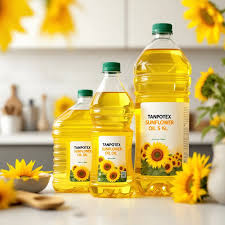
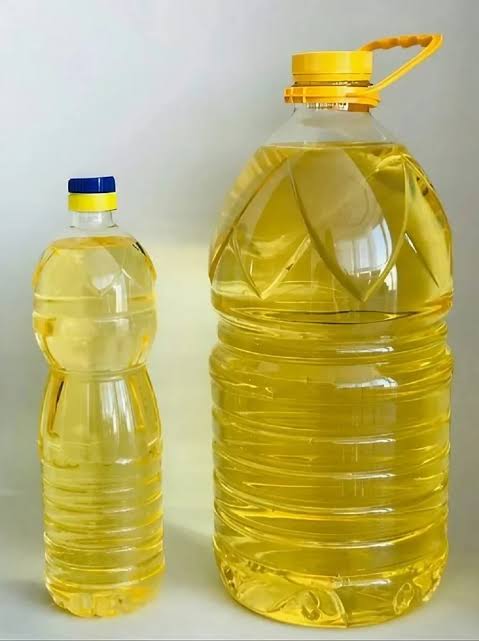
- PET bottles from 1 to 5 litres, plain or private label
Mixed containers with both grades are possible, which is handy if you want to trial high oleic in your fryers while keeping regular oil for retail.
Frequently asked questions
What is the main difference between high oleic vs regular sunflower oil? The fat profile. High oleic is mostly oleic acid, regular is mostly linoleic acid. That makes high oleic more stable when heated and stored.
Is high oleic sunflower oil GMO? No. It was developed through conventional breeding. We can supply non-GMO declarations on request.
Does high oleic sunflower oil taste different? Not really. Both refined grades are neutral. Some chefs say food fried in high oleic tastes cleaner after a few days of use, because the oil hasn’t broken down as much.
Which is better for deep frying? High oleic, in most commercial kitchens, because it lasts longer between changes.
Can I mix the two? You can, but you’ll get something in between. For fryers, it’s better to keep high oleic on its own.
What’s the minimum order? One 20 ft container is the usual minimum for bulk. For bottled oil, ask us about mixed loads.
Our take on high oleic vs regular sunflower oil
If your oil spends its life in a fryer or a long-life product, high oleic usually pays for itself. If it goes into bottles that sell quickly, or into everyday cooking, regular sunflower oil is the sensible choice. Tell us how you’ll use the oil and where it’s going, and we’ll give you an honest view on high oleic vs regular sunflower oil for your case, even when the cheaper option is the right one.
Buy high oleic or regular sunflower oil
We supply high oleic sunflower oil, refined sunflower oil and the rest of our sunflower oil range to buyers worldwide, with ISO 22000, HACCP, GMP and Halal certification. See all our products and read about us.
Send your grade, volume, packaging and destination through our contact page, and we’ll reply with full specifications and a price.


One thought on “High Oleic vs Regular Sunflower Oil: 7 Honest Differences to Choose the Best One”