
An RBD canola oil specification is the list of numbers that tells you whether a lot of refined, bleached and deodorized canola oil is fresh, clean, stable and actually canola. The key lines are free fatty acids, peroxide value, moisture and impurities, colour, iodine value, erucic acid and the fatty acid profile. Get them right in your contract and you know how the oil will fry, how long it will keep, and whether it will pass your customer’s lab. Leave them vague and you’re relying on luck.
We export RBD canola oil from Thailand to food factories, fryers, bottlers and distributors around the world, along with refined and crude canola oil. This guide goes through the RBD canola oil specification line by line, explains what each number means, shows the typical fatty acid profile, and sets out the spec, packing and documents you get from us.
Table of Contents
What Is RBD Canola Oil?
RBD stands for refined, bleached and deodorized. It’s the fully processed form of canola oil, ready for food use.
The steps are:
- Crushing and extraction: canola seed is pressed and the cake is solvent extracted, giving crude canola oil.
- Degumming: phospholipids (gums) are removed.
- Neutralising or physical refining: free fatty acids are removed.
- Bleaching: the oil is treated with bleaching earth to remove colour, chlorophyll and trace metals, then filtered.
- Deodorizing: the oil is heated under vacuum with steam to strip out odour, flavour and the last free fatty acids.
What comes out is a clear, light yellow, odourless oil with a neutral taste. That’s what an RBD canola oil specification describes.
Canola itself is a type of rapeseed bred to have very low erucic acid in the oil and low glucosinolates in the meal. The Canola Council of Canada explains the definition and how it’s controlled.
Where RBD Canola Oil Is Used
Because it’s light, neutral and low in saturated fat, RBD canola oil turns up in a wide range of products:
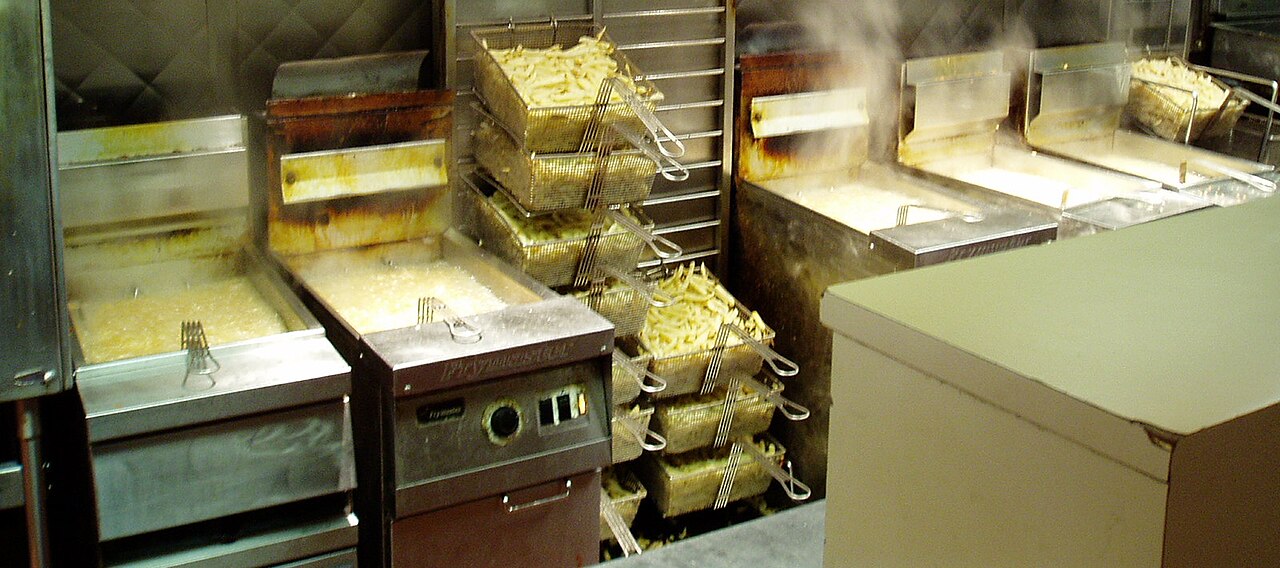
- Industrial frying of snacks, chips, nuts and fast food
- Margarine, shortening and bakery fats, usually blended with harder fats
- Mayonnaise, sauces and salad dressings
- Retail cooking oil bottles
- Ready meals, frozen foods and packaged foods
- Spray oils and release agents for baking
Each use leans on different lines of the RBD canola oil specification. Fryers care most about FFA and stability, bottlers about colour and taste, dressing makers about cold stability and PV. Tell us your use and we’ll suggest the lines worth adding to your contract.
Our RBD Canola Oil Specification
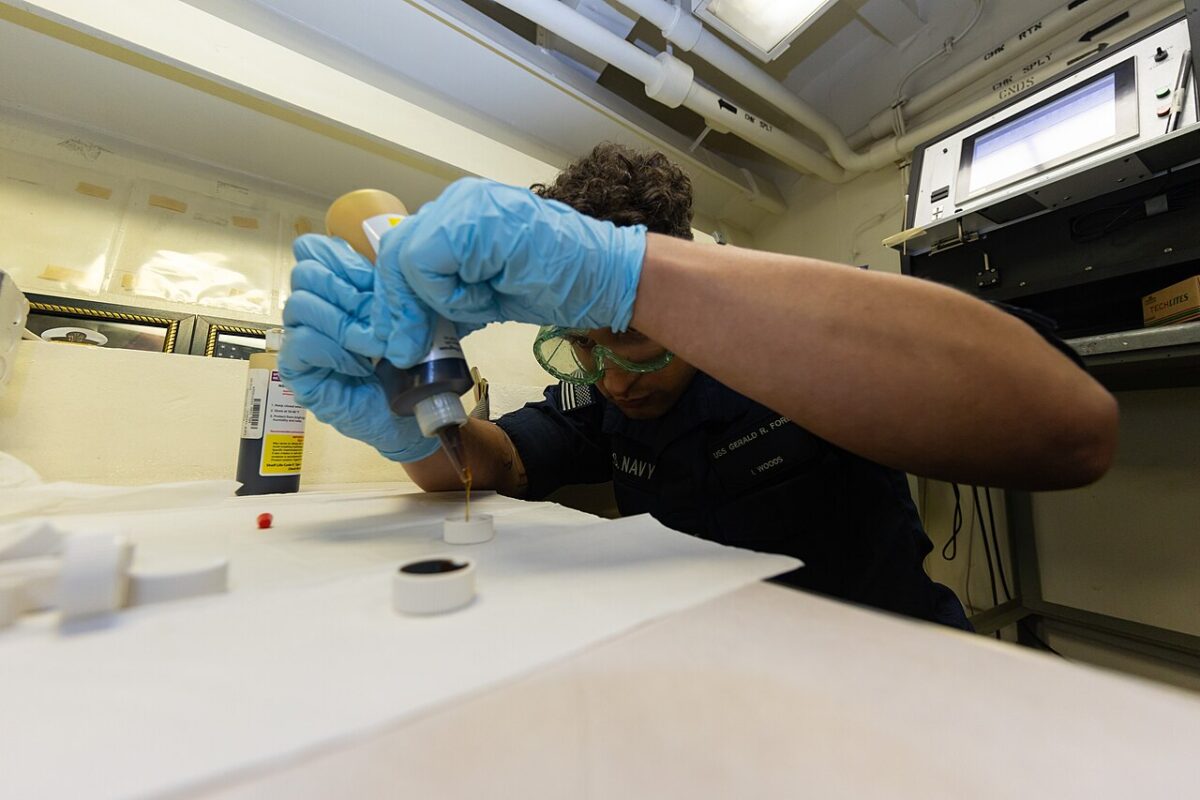
This is the RBD canola oil specification we work to for export. Every lot is tested before loading, and you get a certificate of analysis with the shipping documents.
| Parameter | Specification |
|---|---|
| Product | RBD canola oil (refined, bleached, deodorized) |
| Appearance | Clear, light yellow liquid |
| Odour and taste | Odourless, neutral taste |
| Free fatty acids (as oleic) | 0.05% max |
| Moisture and impurities | 0.1% max |
| Peroxide value | 1.0 meq O2/kg max |
| Iodine value (Wijs) | 105 to 126 |
| Saponification value | 175 to 195 |
| Shelf life | 18 to 24 months, cool and dry |
| Packing | Flexitanks, ISO tanks, 180 to 200 kg food-grade steel drums, 18L tins, 25L jerrycans, custom retail packing |
On request we also state colour, erucic acid, the full fatty acid profile, cold test and other parameters listed further down. Product details are on our RBD canola oil for sale page.
Now let’s go through what each line of the RBD canola oil specification means for you.
How Refining Shapes Each Number
Every line of an RBD canola oil specification is shaped by a step in the refinery. Knowing which step controls which number helps when something comes back out of spec.
| Number | Main refining step that controls it |
|---|---|
| Free fatty acids | Neutralising and deodorizing |
| Peroxide value | Deodorizing, then storage and packing |
| Colour | Bleaching (and seed quality) |
| Chlorophyll | Bleaching |
| Odour and taste | Deodorizing |
| Phosphorus and soaps | Degumming and neutralising |
| Trace metals | Degumming and bleaching |
| 3-MCPD and glycidyl esters | Deodorizing temperature and pre-treatment |
So if colour is off, the bleaching step or the seed is usually to blame. If taste or FFA is off, look at deodorizing. If PV is high on arrival but was low at loading, look at storage, packing and the journey.
Free Fatty Acids (FFA)
FFA measures fatty acids that have broken off the oil molecule. In refined oil it should be very low, because deodorizing strips almost all of it out. Our limit is 0.05% max, expressed as oleic acid.
Why it matters:
- Freshness and refining quality. High FFA in refined oil means poor deodorizing or oil that has started to break down.
- Frying. Oil starts with low FFA, and FFA rises as you fry. Starting low gives you more fry life before the oil needs changing.
- Taste. High FFA gives a soapy or harsh note.
Our post on free fatty acid and peroxide value explains how FFA is tested.
Peroxide Value (PV)
Peroxide value measures early oxidation, the first stage of oil going rancid. Fresh RBD oil leaves the deodorizer with a PV close to zero. It rises with time, heat, light and air.
Our RBD canola oil specification sets PV at 1.0 meq O2/kg max at loading. Many trade specs allow up to 5 or even 10 at destination, but a low number at loading is your best guarantee of freshness on arrival.
Canola contains omega 3 (alpha-linolenic acid), which makes it a little more sensitive to oxidation than oils like palm. That’s why PV, storage and packing matter more for canola than for some other oils.
Moisture and Impurities
This covers water and insoluble particles. In refined oil it should be very low. Our limit is 0.1% max.
High moisture speeds up breakdown and can cause cloudiness. Solids point to poor filtration. Either way, you’re paying for something that isn’t oil.
Iodine Value (IV)
Iodine value measures how unsaturated the oil is. Canola sits at about 105 to 126. That’s lower than soybean and regular sunflower oil (around 120 to 144) because canola has more oleic acid and less linoleic acid, and higher than palm oil (around 50 to 55).
It’s mainly an identity check. An IV well outside the canola range suggests the oil isn’t pure canola. Ask for the fatty acid profile if you’re unsure.
Saponification Value (SV)
SV is the amount of potassium hydroxide needed to saponify a gram of oil. For canola it’s typically in the high 180s to low 190s. Our spec states 175 to 195. Like IV, it’s an identity number and matters to soap and oleochemical users.
Colour
RBD canola oil should be clear and light yellow. Colour is measured on the Lovibond scale, usually in a 5.25 inch cell, and reported as red and yellow units. Low red means good bleaching. A green tint points to leftover chlorophyll, which can also shorten shelf life because chlorophyll speeds up oxidation in light.
If colour matters for your product, for example clear retail bottles, ask us to state a Lovibond limit on the COA.
Erucic Acid
This is the line that separates canola from ordinary rapeseed oil. Canola is defined by low erucic acid in the oil, generally under 2% of total fatty acids. Many food rules around the world set limits on erucic acid in oils, and canola is well below them.
If your market or customer needs it, we include erucic acid on the COA.
Typical Fatty Acid Profile
Here’s the typical fatty acid make-up of canola oil, in line with the reference ranges for low erucic acid rapeseed oil published by the Codex Alimentarius.
| Fatty acid | Typical range (% of total) |
|---|---|
| Palmitic (C16:0) | 2.5 to 7.0 |
| Stearic (C18:0) | 0.8 to 3.0 |
| Oleic (C18:1) | 51 to 70 |
| Linoleic (C18:2) | 15 to 30 |
| Alpha-linolenic (C18:3) | 5 to 14 |
| Eicosenoic (C20:1) | 0.1 to 4.3 |
| Erucic (C22:1) | Not detected to 2.0 |
That profile gives canola its reputation: low saturated fat, high oleic, and a meaningful amount of omega 3. It also explains why canola is a bit more sensitive to oxidation than oils with no omega 3.
Other Parameters You Can Add
Depending on your use and market, you might add these to your RBD canola oil specification:
- Colour (Lovibond) limit
- Cold test: oil stays clear after a set time at 0°C
- Fatty acid profile by GC
- Erucic acid
- Trans fatty acids, usually very low in RBD oil
- 3-MCPD and glycidyl esters, process contaminants many food buyers now test for
- Chlorophyll
- Trace metals like iron and copper
- Smoke point
- Pesticide residues
- GMO status and supporting documents
- Halal and kosher certificates
Tell us what you need and we’ll test before loading.
RBD Canola Oil Specification for Different Buyers
| Buyer | Lines that matter most | Usually flexible on |
|---|---|---|
| Fryers and quick service restaurants | FFA, PV, smoke point, fatty acid profile | Small colour changes |
| Bottlers and retail brands | Colour, taste, odour, cold test, PV | Saponification value |
| Mayonnaise and dressing makers | Taste, odour, PV, cold test | Colour within reason |
| Bakery and margarine makers | Fatty acid profile, FFA, PV | Cold test |
| Baby food and premium food makers | Contaminants (3-MCPD, glycidyl esters), PV, GMO status | Colour |
So before you agree an RBD canola oil specification, think about where the oil is going. A fryer and a baby food maker need very different extra lines.
RBD vs Refined vs Crude Canola Oil
We supply three grades. Here’s how they compare.
| Parameter | RBD canola oil | Refined canola oil | Crude canola oil |
|---|---|---|---|
| Appearance | Clear, light yellow | Clear, light yellow | Golden yellow to brown |
| Odour and taste | Odourless, neutral | Neutral, bland | Distinct natural odour |
| Free fatty acids (as oleic) | 0.05% max | 0.1% max | 2.0% max |
| Moisture and impurities | 0.1% max | 0.1% max | 0.5% max |
| Peroxide value | 1.0 meq O2/kg max | 2.0 meq O2/kg max | Not specified |
| Iodine value (Wijs) | 105 to 126 | 105 to 126 | 105 to 126 |
| Shelf life | 18 to 24 months | 12 to 18 months | 6 to 12 months |
| Main use | Food factories, frying, bottling | Cooking, food service, retail | Refining, biodiesel, industrial |
See refined canola oil and crude canola oil for those grades.
Sampling and Testing
Most quality arguments in the oil trade come from sampling, not from the oil. A few good habits help:
- Sample during loading, or from several points in the tank, and mix into a composite sample.
- Split the composite into sealed samples for buyer, seller and surveyor.
- Keep a sealed retained sample for a few months.
- Name the test methods in the contract, for example AOCS or ISO methods for each line.
- Agree which lab’s result wins if there’s a dispute.
We sample during loading, keep retained samples of every lot, and welcome your surveyor.
What Moves the Price of RBD Canola Oil
Price and specification are linked. The main drivers:
- The Canadian canola crop, and EU and Australian rapeseed harvests
- Trade policy, especially between Canada and China
- Biofuel demand in Europe and North America, which uses a lot of rapeseed and canola oil
- Prices of competing oils, mainly soybean, sunflower and palm
- Refining cost, packing and freight
A tighter RBD canola oil specification, for example very low PV, extra contaminant testing or non-GMO documents, can add cost. A spec matched to your real needs keeps the price sensible.
How to Read a Certificate of Analysis
A good COA for RBD canola oil should show:
- Product, lot number, contract number and quantity
- Date and place of sampling, and date of analysis
- Each line of the RBD canola oil specification with the test method (AOCS or ISO), the result and the limit
- The lab name and, ideally, its accreditation
- A signature or stamp
Every line in your contract should appear with a number. “Complies” isn’t enough on its own. For large orders, add an independent surveyor’s report. See our guide to pre-shipment inspection for edible oil.
Storage and Handling
Canola is a little more sensitive to oxidation than palm or coconut oil, so storage matters.
- Keep it cool, ideally below 25 to 30°C.
- Keep it out of light. Use opaque packaging or store bottles in cartons.
- Keep air out. Seal containers, keep tank headspace small, and use nitrogen blanketing for long bulk storage if you can.
- Avoid copper and brass fittings, which speed up oxidation.
- Use first in, first out.
Do that and RBD canola oil keeps 18 to 24 months. See our guide to shelf life of sunflower oil, soybean and canola for more.
Packing and Shipping
We ship RBD canola oil in:
- Flexitanks in 20ft containers, about 20 to 22 tonnes
- ISO tanks
- 180 to 200 kg food-grade steel drums
- 18L tins and 25L jerrycans
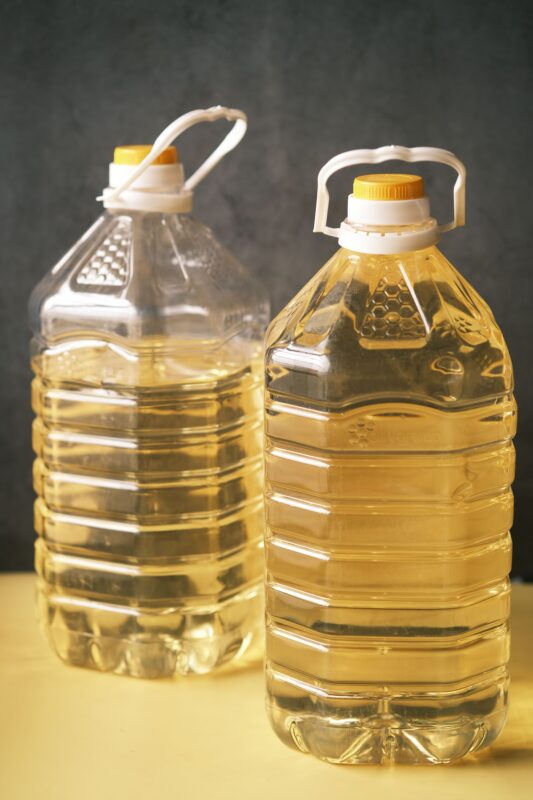
- 1L and 5L PET bottles and custom retail packing, with private label
Canola stays liquid at normal temperatures, so it doesn’t need heating at discharge like palm or coconut oil. Our post on flexitank vs ISO tank compares bulk options.
Documents
A typical RBD canola oil shipment from us includes the commercial invoice, packing list, bill of lading, certificate of origin, and a certificate of analysis against the RBD canola oil specification, plus any extra certificates your country requires, such as Halal, health certificates or GMO documents. See our full list of documents required to import vegetable oil.
Contract Checklist
Before you sign for RBD canola oil, make sure your contract covers:
- Product name, grade and origin
- The full RBD canola oil specification with numbers for each line you need
- GMO status, if it matters
- Quantity and tolerance
- Packing, labelling and private label details
- Delivery term (FOB, CFR or CIF) and port
- Sampling, test methods and surveyor arrangements
- What happens if the oil is out of spec
- Payment terms. See letter of credit vs TT payment
Why Buy RBD Canola Oil From Thailand
Thailand doesn’t grow canola, so why buy RBD canola oil from a Thai supplier? Mostly for range and convenience. We can load canola with palm, soybean, sunflower and coconut oil in the same order, with one set of documents, from ports with fast sailings to Asia, the Middle East, Africa and the Pacific. For buyers who sell several oils, that saves time and freight. Read more in our guide to vegetable oil export from Thailand.
Red Flags in an RBD Canola Oil Specification
When comparing offers, be careful if you see:
- No peroxide value, or a PV limit of 10 at loading. Fresh RBD oil should be far lower.
- FFA above 0.1% on a product sold as RBD.
- IV outside the canola range with no explanation.
- No erucic acid figure when your market requires one.
- Vague “food grade” claims with no numbers.
- A supplier who won’t allow independent sampling.
- A price far below the market. Our post on spotting a fake vegetable oil supplier lists more warning signs.
Canola Compared With Other Oils
If you’re still choosing between oils, these guides compare canola with its main competitors:
- Canola oil vs sunflower oil
- Canola oil vs soybean oil for commercial frying
- Cooking oil smoke point chart
Common Mistakes Buyers Make
- Accepting a spec sheet with no peroxide value, or with a PV limit meant for oil at the end of its shelf life.
- Not asking for colour on retail bottles, then finding the oil looks darker than the brand customers know.
- Forgetting that canola is more sensitive to light than palm, and storing clear bottles in a bright warehouse.
- Ignoring GMO status in markets where it matters.
- Comparing prices for RBD oil with prices for plain refined or crude oil.
- Not testing for process contaminants when selling into strict markets like the EU or for baby food.
How Often Should You Test?
For regular buyers, we suggest:
- Every shipment: FFA, PV, moisture and impurities, colour, and a smell and taste check on arrival.
- Every few shipments, or when you change supplier: full fatty acid profile and erucic acid.
- As your market requires: contaminants, pesticide residues and GMO testing.
It costs a little, but it protects your brand and gives you data to hold any supplier to their specification, including us.
Frequently Asked Questions
What does RBD mean in canola oil?
Refined, bleached and deodorized. It’s the fully processed, food-ready form of canola oil.
What is a normal FFA for RBD canola oil?
Very low. Our RBD canola oil specification sets 0.05% max as oleic acid.
What is the iodine value of canola oil?
Usually about 105 to 126.
Is RBD canola oil the same as refined canola oil?
Very close. Both are refined for food use. Our RBD grade has a tighter FFA and peroxide value limit and a longer shelf life.
Does canola oil contain erucic acid?
Only very little, generally under 2% of total fatty acids. That’s what makes it canola rather than ordinary rapeseed oil.
Can you add extra tests to the specification?
Yes. Tell us what you need, like colour, cold test, 3-MCPD, GMO status or fatty acid profile, and we’ll test before loading.
Buy RBD Canola Oil From Us
If you want a supplier who’ll put a clear RBD canola oil specification in writing and let your surveyor check it, talk to us. We export RBD, refined and crude canola oil from Thailand worldwide, in bulk or packed, with private label available and independent inspection on request. All our oils are produced under ISO 22000, HACCP, GMP and Halal.
Send your quantity, packing, destination port and any extra spec lines you need. We’ll reply with a price, a full specification sheet and a sample.
Email info@dthcompanyltd.com, WhatsApp +66 91 765 9104, or use our contact page. You can also see all our products.