

Red palm oil vs refined palm oil is a question we get from buyers almost every week, and the honest answer is that they’re two different products that happen to come from the same fruit. We sell both. Red palm oil in bulk and packed, and refined palm oil and palm olein in everything from flexitanks to 1 litre bottles, shipped by the container to buyers worldwide. This guide lays out the real differences so you can pick the right one for your customers and not pay for something you don’t need.
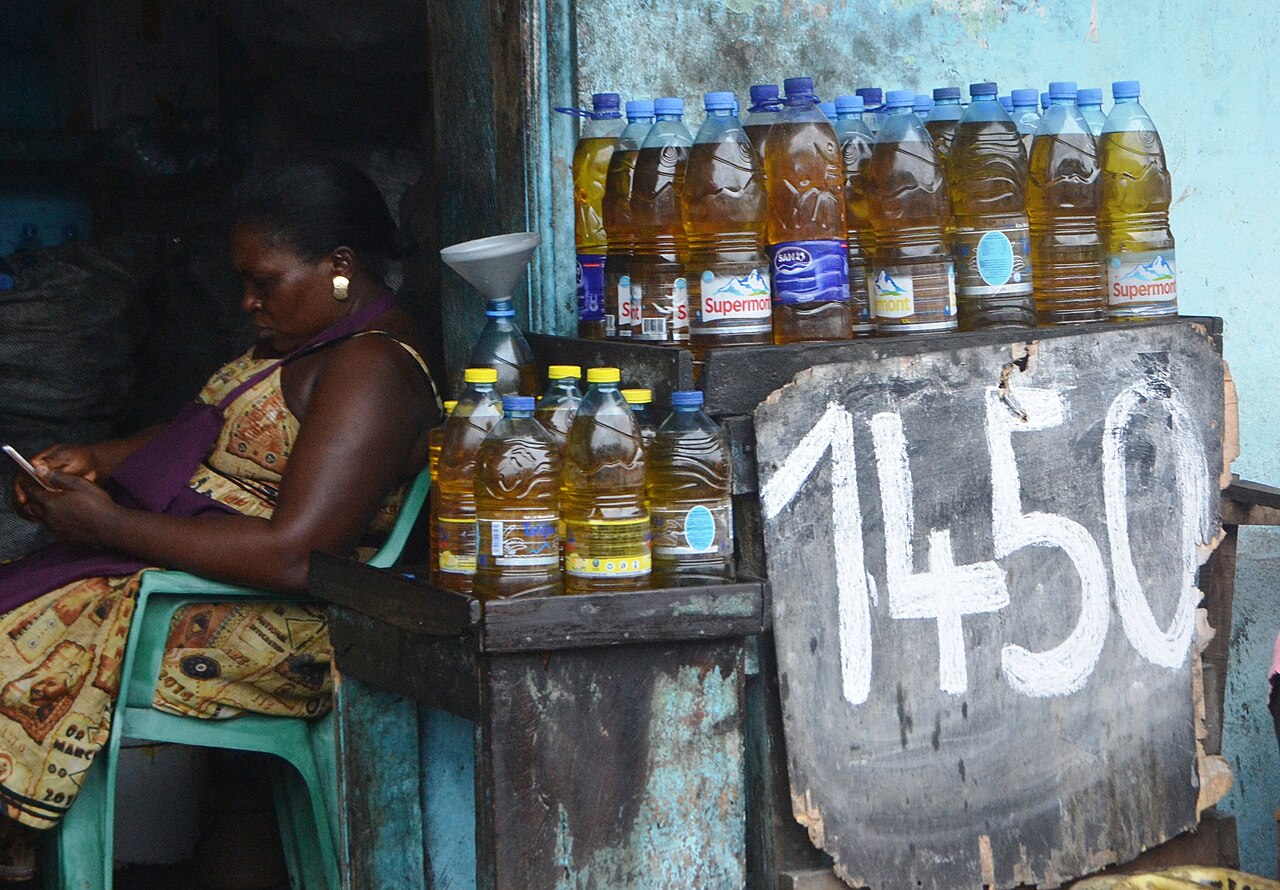
Table of Contents
We’ll cover what each oil is, the specifications we actually load against, taste, colour, cooking performance, shelf life, price and which markets buy which. At the end there’s a short section on how to order from us. If you only have two minutes, read the comparison table and the section on who should buy what.
Red Palm Oil vs Refined Palm Oil: The Short Answer
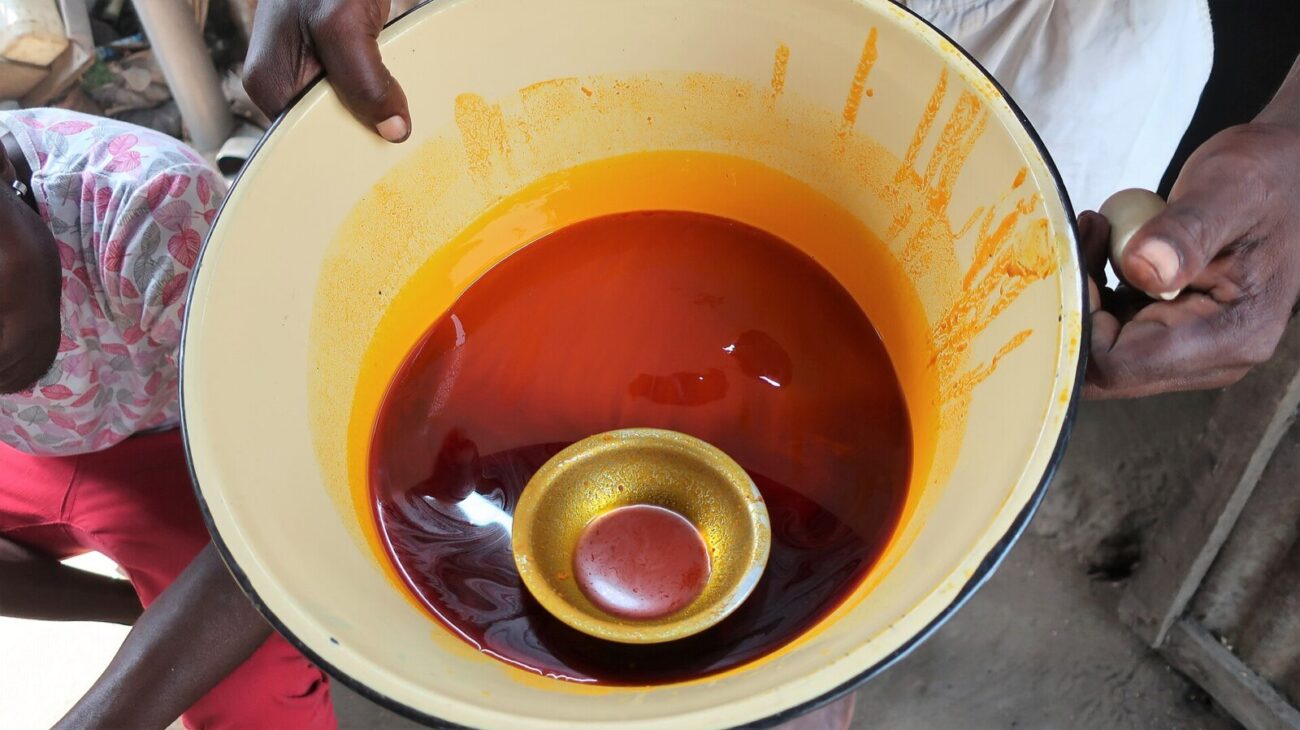
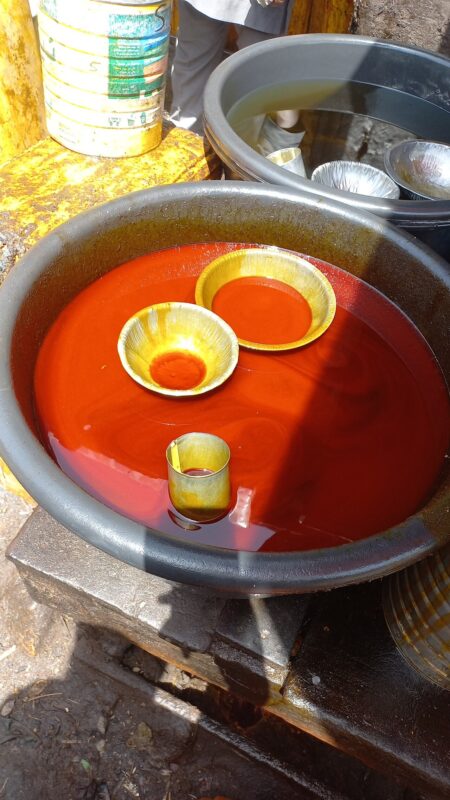
Red palm oil is palm fruit oil that keeps its natural colour, smell and most of its carotenes. Refined palm oil has been through refining, bleaching and deodorizing, which takes the colour, smell and free fatty acids out and leaves a pale, neutral oil. That’s the whole story in one sentence. Everything else in the red palm oil vs refined palm oil debate comes back to that one step.
Red is for flavour, colour and the cooking traditions built around it. Refined is for frying, food factories, bakeries and anyone who wants an oil that tastes of nothing and lasts. Neither is “better”. They do different jobs, and the buyers we work with usually know exactly which job they need done once they see it laid out.
What We Sell on Both Sides
Since you’ll probably want to buy after reading this, here’s what’s on offer from us.
Red palm oil options
- Crude palm oil (CPO / CP0): the raw red oil for refiners, soap makers and industry. Bulk only, flexitank or ISO tank. Full details are on our crude palm oil CP0 page.
- Food grade red palm oil: filtered, low free fatty acid red oil for cooking, packed in tins, jerrycans and bottles, made to order.
Refined palm oil options
- RBD palm oil: the whole refined oil, semi solid, used for bakery fats, shortening and industrial frying.
- RBD palm olein CP10: our best selling liquid cooking oil. See refined palm olein CP10.
- RBD palm olein CP8: clearer in cooler weather. See refined palm olein CP8.
- Double fractionated palm olein (super olein): for clear retail bottles and cold markets. Our guide to double fractionated palm olein has the full specification.
The whole range sits on our palm oil page, and you can mix red and refined palm oil in one packed container if you’re a distributor serving both kinds of customer.
How Each Oil Is Made
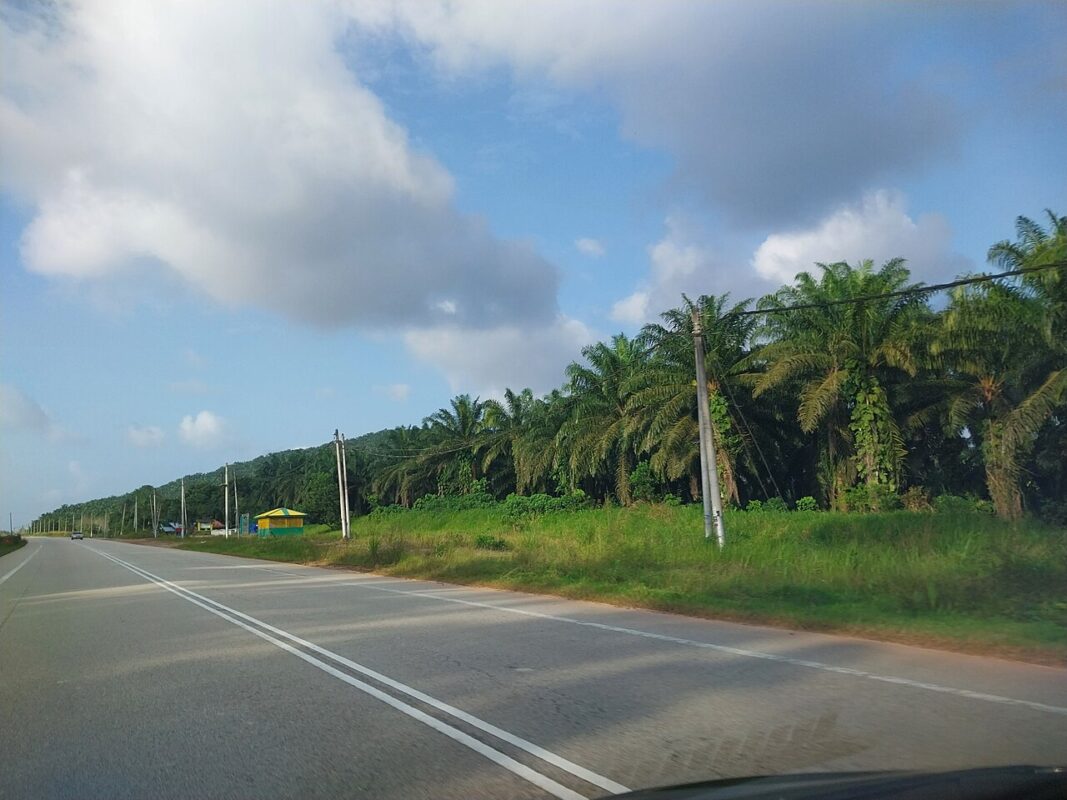
Both sides of red palm oil vs refined palm oil start the same way. Fresh fruit bunches are cut, sterilised with steam, stripped and pressed. What comes out of the press is crude palm oil, deep orange-red because of the carotenes in the fruit. Up to here there’s no red palm oil vs refined palm oil split at all.
For red palm oil, the crude oil is clarified, filtered and dried. For the better food grades, it may be gently deacidified at low temperature to bring the free fatty acids down while keeping as much colour as possible. The goal is to keep what the fruit gave you.
For refined palm oil, the crude oil goes through a full refinery. It’s degummed, bleached with earth to pull out colour and trace impurities, then deodorized with steam under vacuum at high temperature. That last step strips the free fatty acids and the smell. The result is RBD palm oil. Cool it and filter it, and you split it into liquid olein and solid stearin. The palm oil article on Wikipedia has a decent overview of the process if you want more.
So when people compare red palm oil vs refined palm oil, they’re really comparing a lightly processed oil with a heavily processed one. That has consequences for taste, use and price, which is where buyers actually care.
Red Palm Oil vs Refined Palm Oil Specifications
These are typical loading specifications for the main grades we sell. We send the exact sheet for your grade with the quote.
| Parameter | Crude palm oil (CP0) | Food grade red palm oil | RBD palm olein CP10 |
|---|---|---|---|
| Free fatty acid (as palmitic) | 5.0% max | 0.5% max | 0.10% max |
| Moisture and impurities | 0.5% max | 0.2% max | 0.10% max |
| Iodine value (Wijs) | 50 to 55 | 50 to 55 | 56 min |
| Carotene content | 500 to 700 ppm | 400 to 600 ppm | Nil (removed) |
| DOBI | 2.3 min | n/a | n/a |
| Colour | Deep orange red | Orange red | 3.0 red max (5¼” Lovibond) |
| Melting / cloud point | Melting point 33 to 39°C | Melting point 33 to 39°C | Cloud point 10°C max |
| Odour and taste | Strong, fruity | Fruity, nutty | Bland, neutral |
Two numbers matter most in red palm oil vs refined palm oil. Free fatty acid tells you how much the oil has broken down and how it will behave in the pan. Carotene tells you how much of the natural colour and pro-vitamin A content is still there. Refined oil wins on the first, red oil wins on the second, and you can’t really have both in the same product.
Red Palm Oil vs Refined Palm Oil Side by Side
Here’s the practical red palm oil vs refined palm oil comparison buyers ask us for. It’s the table we’d want if we were in your shoes.
| Point | Red palm oil | Refined palm oil / olein |
|---|---|---|
| Colour | Orange to deep red | Pale yellow, clear when liquid |
| Taste | Distinct, earthy, slightly sweet | None to speak of |
| Smell | Noticeable | Neutral |
| Carotenes and vitamin E | High, natural | Mostly removed |
| Deep frying | Not ideal, smokes and darkens | Excellent, long fryer life |
| Shelf life | Shorter, 6 to 12 months | 18 to 24 months sealed |
| Main buyers | Ethnic food markets, traditional cooking, health shops, refiners (crude) | Restaurants, snack makers, food factories, supermarkets |
| Packing | Bulk (crude), tins, jerrycans, bottles | Every format, bulk to 1 litre |
Taste and Colour: Why Some Customers Insist on Red
If your customers grew up cooking with red palm oil, nothing else will do for certain dishes. Soups, stews, rice dishes and sauces across West and Central Africa, parts of Brazil (where it’s called dendê) and diaspora communities in Europe and North America depend on it. The colour and the flavour are the point. Put refined oil in those dishes and the food simply tastes wrong.
That’s the side of the red palm oil vs refined palm oil choice that spec sheets miss. Your customer isn’t buying fat, they’re buying a taste they know. Importers serving African and Brazilian communities abroad often take red palm oil in tins and bottles as a core line, and it moves steadily all year.
On the other hand, if your customers want an oil for frying chips or making cakes, a strong taste is a defect, not a feature. Refined palm oil disappears into the food, and that’s exactly what they want.
Cooking Performance
This is where the red palm oil vs refined palm oil question becomes very practical.
On the frying side of red palm oil vs refined palm oil, there’s no contest. Refined palm olein is one of the best frying oils on the market. It’s stable at high heat, resists breaking down, doesn’t foam easily and lasts a long time in a commercial fryer. That’s why fast food chains and snack factories around the world use it. If you supply restaurants, refined olein is almost certainly what you should be stocking.
Red palm oil has a lower smoke point because of its higher free fatty acid content and the compounds that give it colour and taste. It’s fine for stewing, sautéing and gentle frying, but in a deep fryer it darkens fast and smokes. Heat it too hard and you also destroy the carotenes, which defeats the reason for buying it.
A rough rule we give buyers: if the oil goes in a pot, red can work. If it goes in a fryer, buy refined.
Nutrition: What’s True and What’s Marketing
Red palm oil gets talked up a lot online, so here’s a careful version. Red palm oil is rich in carotenoids, mainly alpha and beta-carotene, which the body can turn into vitamin A. It also carries vitamin E compounds called tocotrienols. Refining removes most of the carotenes and a good share of the vitamin E.
Both oils have roughly the same fatty acid profile, around half saturated and half unsaturated, because they come from the same fruit. Olein is a bit more unsaturated than whole palm oil. So in the red palm oil vs refined palm oil comparison, the fat itself is similar. The difference is in the micronutrients and the taste.
We’re an oil exporter, not doctors, so we won’t make health claims for either one. If you plan to sell red palm oil on a nutrition message, check what your country’s food labelling rules allow you to say. Some markets are strict about it.
Shelf Life and Storage
Storage is a part of red palm oil vs refined palm oil that buyers often forget until a batch goes off. Refined palm oil is the easier oil to store. Sealed and kept out of sun and heat, refined olein lasts 18 to 24 months. It stays neutral for most of that time.
Red palm oil is more alive, for want of a better word. Higher free fatty acids and natural pigments mean it can turn rancid sooner, especially in heat or light. Six to twelve months is a fair shelf life for packed food grade red palm oil, longer in cool, dark storage. Crude palm oil in bulk is usually refined or used within weeks of arrival, so storage life matters less there.
Both oils go semi solid in cool weather. Red palm oil and whole RBD palm oil set firm at temperatures under about 25°C. That’s normal. Warm gently to melt. Liquid olein stays pourable much lower, which is why it’s sold as cooking oil.
When buyers weigh red palm oil vs refined palm oil for a long supply chain, say a container that will sit in a warehouse for months before reaching shops, the shelf life point often settles it in favour of refined.
Price: Which One Costs More?
People are often surprised by this part of red palm oil vs refined palm oil. Crude palm oil is the cheapest palm product per tonne, because it hasn’t been refined yet. Refined palm oil and olein cost more, because the refinery adds cost.
Food grade red palm oil is a different matter. It’s a smaller, more specialised product, made in lower volumes, often packed in smaller units, and it can cost as much as or more than refined olein once it’s in a tin or bottle. So “red is cheaper” is only true for crude oil in bulk.
A quote from us for either oil is built the same way: the day’s market price for the grade, the cost of packing, sea freight to your port and insurance. We quote FOB, CFR or CIF. Our guide on bulk vegetable oil price CIF shows how those pieces add up, and the RBD palm olein 20L jerry can price guide does the same for packed refined oil.
Who Should Buy Which
After years of handling both sides of the red palm oil vs refined palm oil trade, the pattern is pretty clear.
Buy red palm oil if you are
- An importer or wholesaler serving African, Brazilian or Caribbean food markets
- A shop or brand selling traditional cooking ingredients
- A health food or specialty brand selling a natural, unrefined oil
- A refinery, soap maker or oleochemical plant (crude palm oil in bulk)
Buy refined palm oil if you are
- A distributor supplying restaurants, hotels and caterers
- A snack, noodle or bakery manufacturer
- A supermarket or private label brand selling everyday cooking oil
- Anyone whose customers want a neutral oil for frying
Plenty of distributors stock both. We have buyers who take a container of refined olein in 18 litre tins for food service and add red palm oil in 1 litre bottles for the retail side. If that’s you, ask about a mixed container. If tins are your main pack, our article on picking a palm olein 18 litre tin supplier is worth a read.
Packing for Red and Refined Palm Oil
| Packing | Red palm oil | Refined palm oil / olein |
|---|---|---|
| Flexitank / ISO tank | Yes (crude) | Yes |
| 190 kg drums | Yes | Yes |
| 18 litre tins | Yes | Yes |
| 20 litre jerrycans | Yes | Yes |
| 1 to 5 litre PET bottles | Yes | Yes |
| Private label | Yes | Yes |
Packing is one place where red palm oil vs refined palm oil hardly differs, as the table shows. One packing tip for red oil, though. Use opaque or tinted bottles, or tins, if you can. Light speeds up the loss of colour and freshness. Refined olein is fine in clear PET, which is why it dominates supermarket shelves.
Certification and Documents
On paperwork, red palm oil vs refined palm oil is identical from our side. Every shipment, red or refined, comes with a certificate of analysis, certificate of origin, packing list, bill of lading and halal certificate. Health certificates and third party inspection by SGS, Intertek or your own surveyor are available on request.
If your customers ask about sustainability, both red and refined palm oil can be sourced from certified mills. We cover the two main national schemes in our guides to MSPO certified palm oil and ISPO certified palm oil. The RSPO runs the main international scheme, and we can discuss that route too.
Refined grades are produced to the Codex standard for named vegetable oils, which you can look up on the Codex Alimentarius website. Contracts can be on FOSFA or PORAM terms.
Red Palm Oil vs Refined Palm Oil: 7 Key Buying Tips
1. Decide on use before you decide on price
Cheap oil that’s wrong for the job is the most expensive oil you’ll ever buy. Frying calls for refined, traditional cooking calls for red.
2. For red oil, ask for FFA and carotene
Low free fatty acid plus high carotene is what you want in food grade red palm oil. A seller who can’t give both isn’t controlling quality.
3. Watch for dyed oil
Adulterated red oil coloured with dye has turned up in some markets over the years. Buy from a supplier who will put the oil through independent testing.
4. For refined oil, check peroxide value and colour
Low peroxide value means fresh oil. Colour above 3.0 red on a refined olein usually means poor refining.
5. Think about your supply chain length
If oil will sit for months before sale, refined is the safer choice.
6. Match the pack to the oil
Opaque packing for red, anything for refined.
7. Trial one container
Whichever side of red palm oil vs refined palm oil you land on, start with one container. Check the oil, the documents and the service before you commit to more.
Mistakes Buyers Make With Red Palm Oil vs Refined Palm Oil
We’ve watched a few buyers get the red palm oil vs refined palm oil decision wrong, and it’s nearly always for one of these reasons.
Buying crude when they meant food grade. Crude palm oil is red, and on a price list it looks like a bargain. It isn’t meant to go straight into a cooking pot. Its free fatty acid level is too high and it hasn’t been cleaned for food use. If your customers are cooks, not refineries, the red palm oil vs refined palm oil choice is between food grade red and refined olein, never crude.
Putting red oil in clear bottles. It looks lovely on day one. Three months under shop lights and the colour has faded and the taste has turned. Use tins or tinted bottles.
Assuming one oil suits every customer. A wholesaler who sells to both restaurants and market traders often needs both. Treating red palm oil vs refined palm oil as an either-or for the whole business can cost sales on one side.
Comparing prices across different terms. A FOB price for crude oil and a CIF price for packed olein aren’t comparable. Ask every supplier to quote the same Incoterm for the same packing.
Red Palm Oil vs Refined Palm Oil by Market
Demand for each oil follows food culture more than anything else. In West and Central Africa, red palm oil is a kitchen staple and refined olein is the frying oil, so both sell in volume. In Brazil, red dendê oil has its own place in Bahian cooking while refined oil covers everyday use. Across Asia and the Middle East, refined palm olein dominates almost completely. In Europe and North America, red palm oil is mostly a specialty and diaspora product, while refined palm oil goes into food manufacturing. Knowing where your customers sit on that map usually answers the red palm oil vs refined palm oil question before price even comes up.
How to Order From Us
- Tell us which oil, how much, the packing you want and your destination port.
- We reply with a price and loading date, usually within one working day.
- We agree a proforma invoice or contract with the full specification attached.
- Payment by letter of credit, documents against payment, or deposit and balance against documents.
- We load, ship and send documents and tracking as soon as the vessel sails.
You can read more about our company on the about us page, and see the rest of what we export on our products page, including sunflower oil, soybean oil and coconut oil.
Red Palm Oil vs Refined Palm Oil FAQ
Is red palm oil the same as crude palm oil?
Crude palm oil is red, but not all red palm oil is crude. Food grade red palm oil is cleaned up and lower in free fatty acids so it’s fit to cook with directly.
Can refined palm oil be turned back into red?
No. Once the carotenes are bleached and deodorized out, they’re gone.
Red palm oil vs refined palm oil: which is better for frying?
Refined palm olein, by a long way.
Red palm oil vs refined palm oil: which lasts longer?
Refined. Sealed, it keeps 18 to 24 months against six to twelve for most packed red oil.
Do you supply both in the same container?
Yes, for packed goods. Bulk has to be one grade per tank.
Can I get red palm oil under my own brand?
Yes. Bottles, jerrycans and tins can all carry your label.
Is the difference between red palm oil vs refined palm oil only colour?
No. Colour is the visible part, but taste, smell, free fatty acid, vitamin content, frying performance and shelf life all differ too.
Get a Quote for Red or Refined Palm Oil
Whether you’ve settled the red palm oil vs refined palm oil question or still want to talk it through, write to us. Tell us how the oil will be used, and we’ll recommend a grade and send a firm price and loading date.
Email info@dthcompanyltd.com, call or WhatsApp +66 91 765 9104, or fill in the form on our contact page. We reply to every real enquiry, usually within a working day.





One thought on “Red Palm Oil vs Refined Palm Oil: Honest Buyer Guide and 7 Proven Differences”