

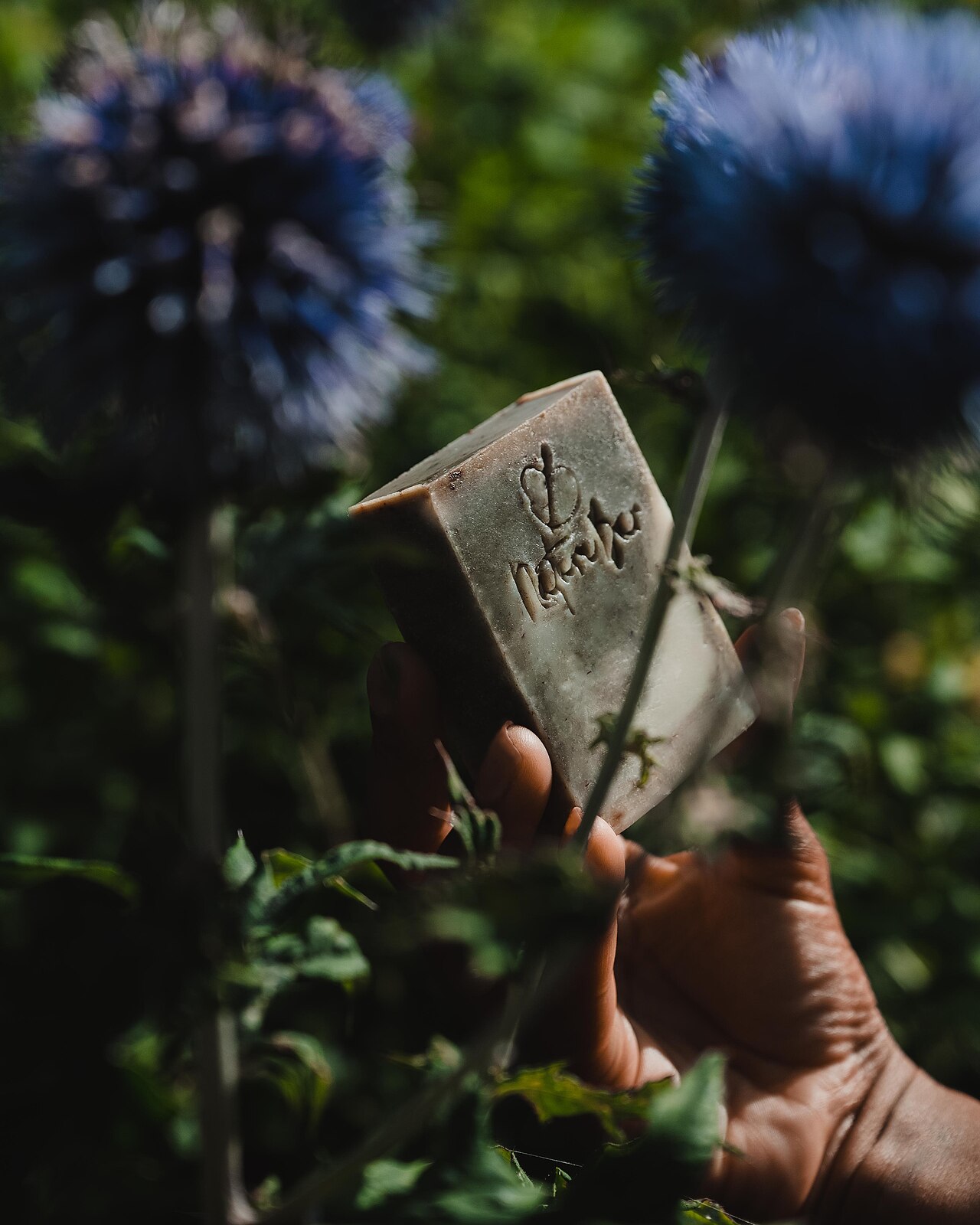
Palm oil for soap making has been a staple of the soap trade for well over a century. Walk into any big soap factory, from bath bars to laundry blocks, and you’ll find palm oil or one of its fractions in the tank farm. Small craft makers use it too, because it gives a hard, long-lasting bar that doesn’t cost a fortune. But not every palm oil suits every soap, and buying the wrong grade can leave you with soft bars, odd colours or a lot of wasted lye.
We produce and export crude palm oil, refined palm oil, palm olein and other vegetable oils to soap factories, cosmetic makers, traders and distributors around the world. This guide covers palm oil for soap making the way we’d explain it to a new customer: what palm oil does in a bar, which grade to buy, sample recipes, SAP values, and what to check on a certificate. The grades and specifications we sell are listed near the end.

Table of Contents
Why Soap Makers Use Palm Oil
Soap is what you get when fats react with an alkali. Sodium hydroxide gives bar soap. Potassium hydroxide gives soft or liquid soap. Each fat brings something different to the bar, depending on its fatty acids.
Palm oil brings three things soap makers want:
- Hardness. About half of palm oil is saturated fat, mostly palmitic acid. That makes a firm bar that doesn’t turn mushy in the shower.
- A long life. Hard bars wear down slowly, so customers get more washes per bar.
- A creamy, stable lather. Palm oil doesn’t give big fluffy bubbles on its own, but it holds the lather from other oils.
It’s also one of the cheapest vegetable fats in the world, and available all year in large volumes. That combination is why palm oil for soap making became the industry default, and why many brands that replaced animal tallow switched to palm.
What Palm Oil Is Made Of
Palm oil comes from the fleshy fruit of the oil palm. It’s different from palm kernel oil, which comes from the seed inside the fruit. That difference matters a lot in soap, and we cover it below.
A typical palm oil fatty acid profile looks like this:
| Fatty acid | Typical share in palm oil | What it does in soap |
|---|---|---|
| Palmitic (C16:0) | 40 to 46% | Hard bar, stable creamy lather |
| Stearic (C18:0) | 4 to 6% | Hardness, long life |
| Oleic (C18:1) | 37 to 41% | Mild, conditioning feel |
| Linoleic (C18:2) | 9 to 11% | Conditioning, but can shorten shelf life |
| Myristic (C14:0) | About 1% | Small boost to lather |
| Lauric (C12:0) | Under 0.5% | Almost none |
So palm oil is roughly half hardening fats and half conditioning fats. That balance is what makes palm oil for soap making so easy to work with. If you want the full breakdown of the saturated side, see our post on palm oil saturated fat content.
Palm Oil vs Palm Kernel Oil in Soap
This is the mistake we see most often. Palm kernel oil is a lauric oil, like coconut oil. It’s full of lauric and myristic acid, which give fast, big, bubbly lather and strong cleaning. Palm oil has almost no lauric acid.
In soap, the two do different jobs:
- Palm oil: hardness, creaminess, long life. Works like tallow.
- Palm kernel oil: bubbles and cleansing. Works like coconut oil.
Commercial toilet soap is often made from a blend of about 80% palm oil and 20% palm kernel oil, or 80% palm and 20% coconut. That pairing copies the old tallow and coconut formula. If you’re buying palm oil for soap making and your supplier sends palm kernel oil, your recipe will behave very differently, and your lye maths will be wrong. Our article on palm kernel oil vs palm oil explains the difference in detail.
Which Palm Oil Grade Is Best for Soap?
There are several palm products on the market, and each fits a different soap job.
| Grade | Look and feel | Best soap use |
|---|---|---|
| Crude palm oil (CPO) | Deep orange-red, semi-solid | Laundry soap, traditional African and Asian bars, colour from carotene |
| RBD palm oil | Pale yellow to white, semi-solid | Toilet soap, bath bars, cosmetic soap |
| RBD palm stearin | White, hard | Very hard bars, laundry blocks, adds hardness to blends |
| RBD palm olein | Liquid in warm weather | Softer bars, blends, not ideal alone |
| Palm fatty acid distillate (PFAD) | Brown solid | Low-cost laundry soap, soap noodles |
For most toilet and bath soaps, RBD palm oil is the safest choice. It’s refined, bleached and deodorised, so it’s light in colour and has no strong smell. That lets your fragrance and colour do the talking. Crude palm oil suits rustic and laundry soaps, where colour and price matter more than a white bar.
If you want a harder bar for laundry or hotel soap, mix in some palm stearin. Our guide on palm stearin vs palm olein shows how fractionation splits palm oil into these two products, and palm oil fractionation process covers the plant side.
SAP Values for Palm Oil
When you plan palm oil for soap making, the saponification value tells you how much lye you need to turn a given amount of oil into soap. Get this wrong and you’ll make either a harsh, lye-heavy bar or a greasy one.
| Oil | NaOH per gram of oil | KOH per gram of oil |
|---|---|---|
| Palm oil | 0.141 | 0.199 |
| Palm stearin | About 0.142 | About 0.199 |
| Palm kernel oil | 0.156 | 0.219 |
| Coconut oil | 0.183 | 0.257 |
| Olive oil | 0.135 | 0.190 |
| Castor oil | 0.128 | 0.180 |
These are typical averages. Every lot of palm oil varies a little, so factories test the saponification value of each delivery. For refined palm oil it usually sits around 190 to 209 mg KOH per gram. Always run your recipe through a lye calculator and leave a small superfat, usually 5% for hand soap.
Sample Recipes Using Palm Oil for Soap Making
Here are three simple starting points. Percentages are by weight of total oils. Use a lye calculator for the exact lye and water.
Classic cold process bar
- Palm oil: 30%
- Coconut oil: 25%
- Olive oil: 40%
- Castor oil: 5%
This is a balanced, firm bar with good lather and a mild feel. It’s a common first recipe for anyone learning palm oil for soap making.
Hard laundry bar
- Palm oil or palm stearin: 70%
- Coconut or palm kernel oil: 30%
- Superfat: 0 to 2%
Very hard, strong cleaning, low cost. Not for skin.
Commercial-style toilet soap
- RBD palm oil: 80%
- Palm kernel oil or coconut oil: 20%
This is close to the blend used to make soap noodles, the pellets most big soap factories mill, perfume and stamp into bars.
Cold Process Tips With Palm Oil
Palm oil for soap making is semi-solid at room temperature, and it’s made of fats that melt at different temperatures. That catches some people out.
- Melt the whole container before you weigh it. The harder fats settle at the bottom and the softer ones float on top. If you scoop from the top, you’ll get the wrong mix.
- Stir the melted palm oil well, then weigh.
- Soap at around 38 to 49 C. Palm-rich batters can thicken quickly, which is good for layers but bad for swirls.
- Expect trace to arrive sooner than with liquid oils.
- Let bars cure four to six weeks. Palm bars harden nicely over this time.
We explain why palm oil goes solid and grainy in why does palm oil solidify.
Colour and Smell
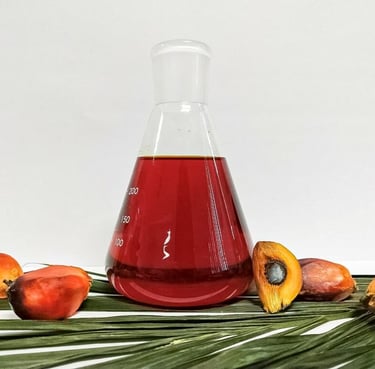
Crude palm oil is orange-red because it’s full of carotenes, the same pigments found in carrots. In soap, that gives a warm yellow to orange bar. The colour fades over months, especially in light, so don’t promise customers a lasting orange.
RBD palm oil has had those pigments and odours removed. It gives a creamy white bar, which is what most branded soaps need. If you’re printing a bright logo or using pastel colours, refined palm oil for soap making is the better base.
Shelf Life of Palm Soap
Palm oil is low in polyunsaturated fat, so soaps built on palm oil for soap making resist rancidity well. Orange spots, the soap maker’s term for rancid patches, are far less common in palm-rich bars than in bars heavy in sunflower or soybean oil. A well made palm and coconut bar can stay fresh for years if stored dry.
To keep your raw palm oil fresh before you use it, store drums and pails in a cool place, out of sun, and keep lids tight. Our guide on refined palm oil storage and handling has the details.
Palm Oil in Industrial Soap Factories
Big soap plants buy palm oil for soap making at a different scale. They usually buy palm oil and its fractions in bulk, by flexitank, ISO tank or tanker, and store it in heated tanks. The oil is then saponified in continuous plants or split into fatty acids and neutralised.
The usual raw material mix for toilet soap noodles is around 80 parts palm-based fat to 20 parts lauric oil. Laundry soap uses more palm stearin, PFAD or crude palm oil to keep costs down. Factories check each delivery for free fatty acid, moisture, iodine value, colour and saponification value.
Bulk buyers should read our guide on how to unload palm oil from flexitank, because palm oil sets solid in cool weather and needs heating to discharge. We also compare packaging in flexitank vs ISO tank.
Sustainability and Labels
Many soap brands now get asked where their palm oil for soap making comes from. The main certification is the Roundtable on Sustainable Palm Oil, which runs several supply chain models from mass balance to fully segregated. If you sell into Europe, the EU deforestation rules also apply to palm oil and its derivatives.
We can supply documents to support your sourcing claims. See RSPO certified sustainable palm oil and EUDR palm oil compliance for what to ask for. If you need a halal claim on your soap, our post on halal certified palm oil supplier explains what to check.
Palm-Free Alternatives
Some craft soap makers avoid palm oil for personal or marketing reasons. The usual swaps are shea butter, cocoa butter, tallow, lard, or a blend of hard and liquid oils. They work, but they usually cost more and behave a little differently.
If price and steady supply matter to you, palm oil for soap making is hard to beat. If you sell to a palm-free niche, we also supply RBD coconut oil and other oils, and our guide on coconut oil for soap making covers the lauric side of a recipe.
Hot Process and Liquid Soap
Palm oil for soap making isn’t only a cold process ingredient. In hot process soap, you cook the batter until saponification finishes, then mould it. Palm-rich batters cook evenly and set firm, so bars can be cut and used sooner, though a short cure still improves them.
Liquid soap is a different story. It’s made with potassium hydroxide, and palm oil’s saturated fats tend to make a cloudy or thick liquid that can separate. Most liquid soap makers keep palm oil low, under about 15%, and lean on coconut, olive and castor oils instead. If you’re making soft or paste soap for laundry, palm oil for soap making works well with potash, because cloudiness doesn’t matter there.
Common Problems and How to Fix Them
These are the issues customers bring to us most often when they start using palm oil for soap making:
- Bars too soft: you may have received palm olein instead of palm oil, or used too much liquid oil. Check the slip melting point on the certificate, or add palm stearin.
- Bars crumbly or brittle: too much stearin or too little superfat. Cut stearin back and raise the superfat a point or two.
- White powder on the surface: soda ash. It’s harmless. Cover fresh soap, or steam the bars lightly.
- Uneven texture or white flecks: palm oil wasn’t fully melted and mixed before weighing.
- Batter seizes: fragrance oil reacting, or soaping too cool. Try a warmer temperature and a slower fragrance.
- Orange spots after months: usually from other oils high in linoleic acid, not the palm. Reduce those oils and keep bars dry.
Most of these trace back to the raw material, so a consistent supply of palm oil for soap making saves you a lot of trial and error.
What Palm Oil Means for Cost per Bar
For a soap business, the oil blend is the biggest raw material cost. Palm oil is usually one of the cheapest vegetable fats on the market, well below shea butter, cocoa butter and olive oil, and often below coconut oil.
A simple example. A 100 g bar uses roughly 70 to 75 g of oils. If 30% of that is palm oil instead of shea butter, the saving per bar can be several cents, and that adds up quickly over thousands of bars a month. For factories making millions of bars, the choice of palm oil for soap making is what keeps a price point possible at all.
Prices move with the palm market, so it helps to follow the main drivers. Our posts on palm oil wholesale price factors and crude palm oil price per ton explain what pushes prices up and down.
Safety Basics
Whatever recipe you use with palm oil for soap making, remember that lye is caustic. Wear gloves and eye protection, work in a ventilated space, always add lye to water and never the other way round, and keep children and pets away. Hot palm oil can also burn, so heat it gently and don’t leave it unattended. Factory staff should follow the safety data sheets for every raw material.
What to Check When Buying Palm Oil for Soap Making
Before you place an order, ask your supplier for a certificate of analysis showing:
- Free fatty acid: low for RBD palm oil, around 0.1% max.
- Moisture and impurities: 0.1% max for refined grades.
- Iodine value: about 50 to 55 for palm oil, lower for stearin.
- Slip melting point: about 33 to 39 C for palm oil.
- Colour: Lovibond red 3.0 max for refined grades.
- Saponification value, if your process needs it.
A steady lot-to-lot profile means you don’t need to retune your lye for every delivery. Our certificate of analysis guide walks through each line.
A Note for Small Craft Makers
If you make soap at home or in a small workshop, you don’t need a flexitank. Most craft makers buy palm oil for soap making in 4 kg, 18 kg or 20 kg pails from a local distributor, and many of those distributors buy from exporters like us in drums or flexitanks, then repack. If you run a soap supply shop, that repacking model can work well for you too.
A few practical tips for small batches. Buy from one source and stick with it while you develop a recipe, because palm oil from different refiners can vary a little in hardness. Keep a note of the lot number on every batch you make. And if you change supplier, make a small test batch first before you scale up. It’s the cheapest insurance a craft soap maker can buy, and it keeps your palm oil for soap making results the same from one month to the next.
Our Palm Oil for Soap Making
We sell palm oil grades for soap factories, cosmetic makers and traders worldwide. All lots are produced under ISO 22000, HACCP and GMP, are halal certified, and ship with a certificate of analysis.
- Crude palm oil (CPO): for laundry soap, traditional bars and refiners.
- RBD palm oil: the main base for toilet and bath soap.
- RBD palm stearin: for hard bars, on request.
- Refined palm olein CP10 and CP8: for softer blends and food uses.
- RBD coconut oil: the lauric partner for your recipe.
Specifications
| Parameter | Crude palm oil | RBD palm oil | RBD palm stearin |
|---|---|---|---|
| Free fatty acid (as palmitic) | 5.0% max | 0.1% max | 0.2% max |
| Moisture and impurities | 0.5% max | 0.1% max | 0.15% max |
| Iodine value (Wijs) | 50 to 55 | 50 to 55 | 34 to 48 |
| Slip melting point | 33 to 39 C | 33 to 39 C | 44 to 56 C |
| Colour (Lovibond 5.25 inch) | Orange-red | 3.0 red max | 3.0 red max |
| DOBI | 2.3 min | Not applicable | Not applicable |
| Saponification value | 190 to 209 mg KOH/g | 190 to 209 mg KOH/g | 193 to 205 mg KOH/g |
For crude oil detail, see our crude palm oil specification guide.
Packing
- 190 kg drums for small factories.
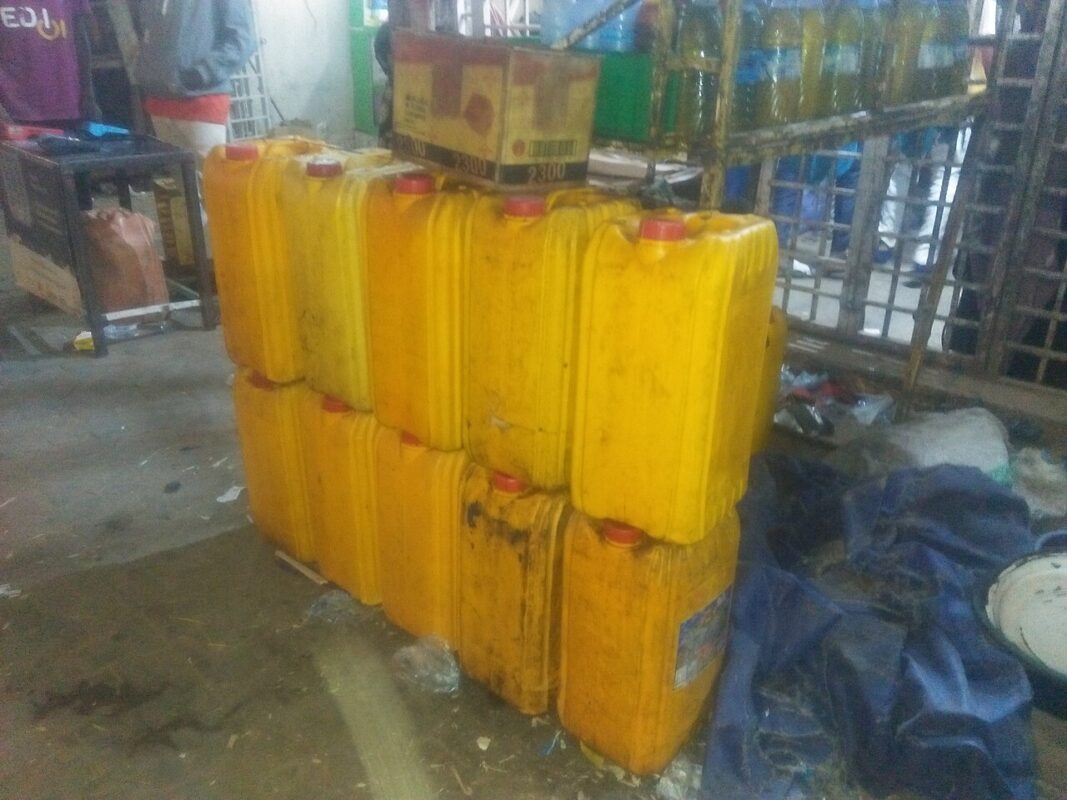
- 18 kg and 20 kg pails and jerrycans for craft makers and distributors.
- Flexitanks of about 20 to 22 tons in a 20 ft container.
- ISO tanks and bulk vessel parcels for large plants.
- Your own brand label for resale. See private label palm oil supplier.
For customs, palm oil falls under HS 1511.10 for crude and 1511.90 for refined. Our palm oil HS code guide has more.
FAQs on Palm Oil for Soap Making
Is palm oil good for soap making?
Yes. Palm oil gives a hard, long-lasting bar with stable, creamy lather. It’s usually blended with coconut or palm kernel oil for bubbles and olive oil for mildness.
How much palm oil should I use in soap?
Craft makers usually use 25 to 35% of total oils. Commercial toilet soap uses up to 80% palm-based fat with 20% lauric oil.
Can I make soap with 100% palm oil?
You can, but the bar will be hard with weak lather. Most makers add at least 15 to 20% coconut or palm kernel oil.
Is crude or refined palm oil for soap making better?
Refined (RBD) palm oil gives a white, low-odour bar for branded soap. Crude palm oil gives an orange colour and suits laundry and traditional soaps.
Do you sell palm oil for soap making in drums and bulk?
Yes. We ship crude and refined palm oil, palm stearin and coconut oil in drums, pails, flexitanks and ISO tanks to soap makers worldwide.
Order Palm Oil for Your Soap
Tell us the grade, the quantity, your preferred packing and your destination port, and we’ll send prices, specifications and lead time. We can ship samples so you can test a batch first, see how to request edible oil samples. Email info@dthcompanyltd.com, WhatsApp +66 91 765 9104, or use our contact page. If you want general background on how soap is made, that’s a good place to start, and our post on palm oil in cosmetics and personal care manufacturing covers related uses.







One thought on “Palm Oil for Soap Making: 7 Proven Tips for Better Bars”