


If you run a refinery, a biodiesel plant or an oleochemical line, you don’t want finished cooking oil. You want good feedstock at a fair price, delivered on time, with numbers you can trust. That’s the job of a crude degummed soybean oil supplier, and it’s what we do for buyers worldwide from our base in Thailand. This page sets out our CDSO offer: the specification, how it’s packed and shipped, what affects the price, the documents, and the questions we think every buyer should ask before choosing a crude degummed soybean oil supplier.
We’ve kept it practical. If you’re a refinery manager or a purchasing lead, you’ve got enough reading to do already.

Table of Contents
What Is Crude Degummed Soybean Oil?
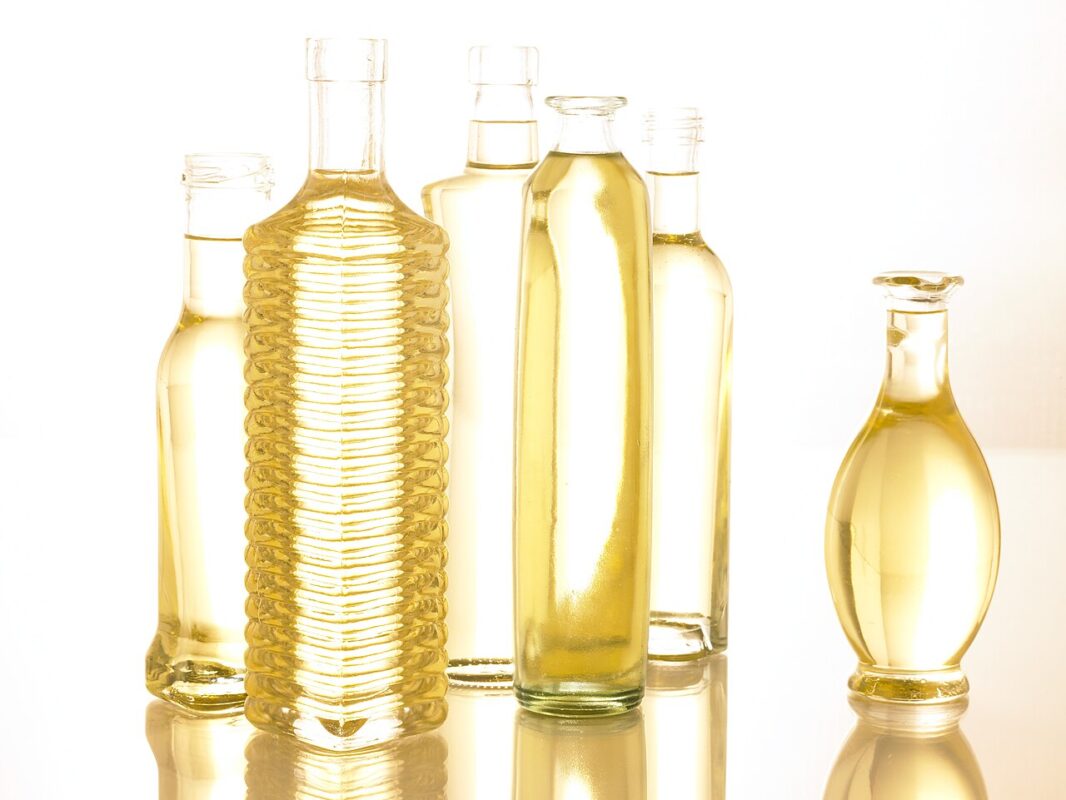
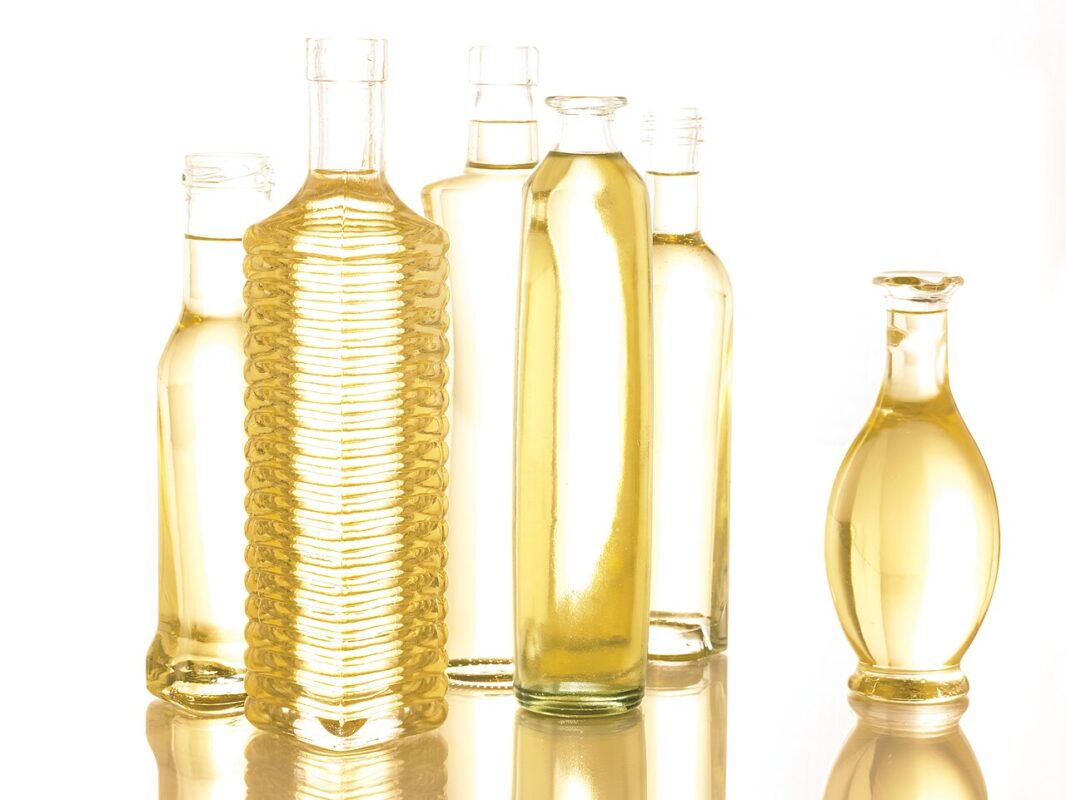
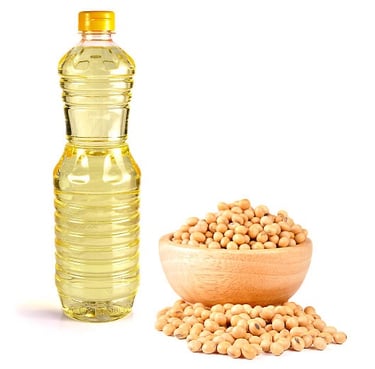
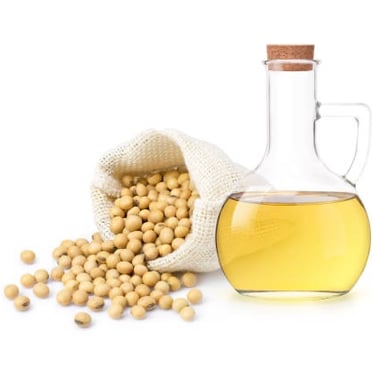
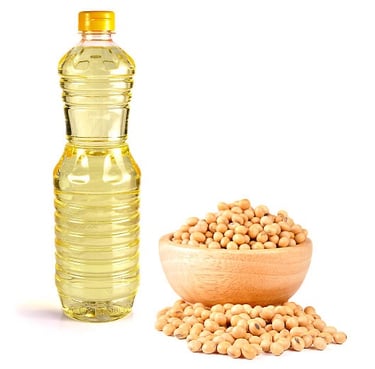
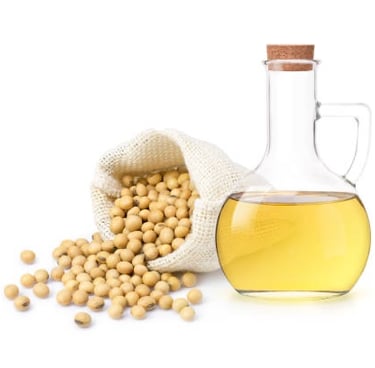
Crude degummed soybean oil, usually shortened to CDSO, is the oil pressed or solvent extracted from soybeans, with most of the gums taken out. Gums are mainly phospholipids, the same family of compounds sold as lecithin. Raw crude soybean oil carries a lot of them, and if they’re left in, they settle out during shipping and storage, make sludge in the tank, and make refining harder.
Degumming is a simple step. Water, and sometimes a little acid, is mixed into the warm crude oil, the gums swell and separate, and a centrifuge spins them out. What’s left is CDSO: amber to dark yellow, still with its natural free fatty acids, colour and flavour compounds, but clean enough to ship long distances and refine without trouble. If you want to read more about the gums themselves, the lecithin entry on Wikipedia explains them well.
CDSO is not food ready. It has to be neutralized, bleached and deodorized before anyone eats it. That’s exactly why refiners buy it: they do those steps themselves and keep the margin.
Who Needs a Crude Degummed Soybean Oil Supplier?
As a crude degummed soybean oil supplier, we work with a few clear groups of buyers.
Edible oil refiners. The biggest group. They take CDSO, refine it into RBD soybean oil, and sell it bottled or in bulk in their own market. Buying crude rather than refined lets them use spare refinery capacity and control quality themselves.
Biodiesel producers. CDSO is a common feedstock for FAME biodiesel. Low phosphorus and low moisture matter a lot here because they affect the catalyst and the glycerine. We’ve written a separate guide on crude soybean oil for biodiesel.
Oleochemical and industrial users. Plants making fatty acids, alkyd resins, epoxidized soybean oil for plastics, inks and lubricants.
Feed mills. Some animal feed producers add crude oil as an energy source, though they usually buy lower grades. We act as a crude degummed soybean oil supplier for a few of them too.
If you fit any of these, you need a crude degummed soybean oil supplier who understands what your plant does with the oil, not just someone who can quote a price.
CDSO Specification From Our Crude Degummed Soybean Oil Supplier Desk
These are the limits we load against. Every lot leaves with a certificate of analysis, and buyers usually appoint an independent surveyor too. Spec terms broadly follow the trading rules used by FOSFA contracts and the American NOPA rules for crude degummed oil.
| Parameter | Limit |
|---|---|
| Free fatty acid (as oleic) | 0.75% max basis, 1.25% max rejection |
| Moisture and volatile matter | 0.20% max |
| Insoluble impurities | 0.10% max |
| Moisture and impurities combined | 0.30% max |
| Phosphorus | 200 ppm max (lower on request) |
| Lecithin (as phospholipids) | 0.5% max |
| Unsaponifiable matter | 1.5% max |
| Flash point | 121 C min |
| Iodine value (Wijs) | 124 to 139 |
| Saponification value | 189 to 195 mg KOH/g |
| Colour | Amber to dark yellow, typical of crude |
| Odour | Typical crude soybean oil, free from foreign odours |
Fatty acid profile is the same as any soybean oil, because degumming doesn’t change the fat itself:
| Fatty acid | Typical range |
|---|---|
| Palmitic C16:0 | 8 to 13.5% |
| Stearic C18:0 | 2 to 5.5% |
| Oleic C18:1 | 17 to 30% |
| Linoleic C18:2 | 48 to 59% |
| Linolenic C18:3 | 4.5 to 11% |
Some buyers ask for tighter limits, especially on phosphorus for physical refining or biodiesel. A good crude degummed soybean oil supplier should be able to tell you honestly which lots meet a tighter spec and what it costs extra. We go deeper into the meaning of each number in our crude degummed soybean oil specification guide. And if FFA is the number you watch most, read free fatty acid and peroxide value.
Why FFA, Phosphorus and Moisture Matter So Much
Let’s be practical about the three numbers that decide what a CDSO lot is worth to you.
FFA. Free fatty acids are removed during refining, and every bit you remove is lost oil. Refiners often work on a rough rule that refining loss runs at a multiple of the FFA level, so a lot at 1.2% FFA costs you noticeably more oil than one at 0.5%. That’s why FFA is usually the basis for price adjustments in a CDSO contract.
Phosphorus. Tells you how well the oil was degummed. High phosphorus means more gums left, more bleaching earth, and more trouble in physical refining. For biodiesel, it can poison catalysts.
Moisture and impurities. Water in crude oil helps FFA rise during the voyage. Impurities settle as sludge in the bottom of your tank. Both reduce the oil you can actually use.
Any crude degummed soybean oil supplier who brushes these numbers aside isn’t a supplier you want.
How We Ship Crude Degummed Soybean Oil
CDSO is liquid at normal temperatures, so shipping it is fairly straightforward. These are the options we work with as a crude degummed soybean oil supplier:
| Shipping method | Typical quantity | Who uses it |
|---|---|---|
| Flexitank in 20ft container | 20 to 22 MT | Mid sized refiners, trial orders, biodiesel plants |
| ISO tank | 20 to 24 MT | Regular container lanes |
| Bulk vessel parcel | From about 1,000 MT up to full cargoes | Large refineries with port tank farms |
With us as your crude degummed soybean oil supplier, most first orders go in flexitanks because they’re flexible and you don’t need a port tank farm. Bigger buyers move to vessel parcels once they know the supplier. If you’re weighing options, read flexitank vs ISO tank and how much oil fits in a 20ft container.
One tip from experience: crude oils keep developing during the voyage. Clean, dry liners and tanks, and a short time between loading and discharge, keep FFA from climbing. Ask your crude degummed soybean oil supplier how long the oil sits in shore tanks before loading.
Pricing: What You’re Paying For
There’s no honest way to put a fixed CDSO price on a web page. Crude soybean oil follows the world soybean oil market, which is driven by Chicago futures, Argentine and Brazilian crush, US biofuel policy and demand from China and India. It can move a lot in a week.
What any crude degummed soybean oil supplier quote will include:
- Base oil price, tied to the market on the day the contract is fixed
- Origin premium or discount, because South American and North American oils trade differently
- FFA basis and adjustment, usually a price allowance for each 0.1% above or below basis
- Freight and packing, flexitank, ISO tank or a share of vessel freight
- Insurance and Incoterm, see the ICC Incoterms rules
- Payment terms and contract length
For a general feel of the numbers, look at our soybean oil price per ton guide and the soybean oil container price breakdown. Our article on CIF vs FOB vegetable oil helps you decide who should control the freight.
Documents From Your Crude Degummed Soybean Oil Supplier
Every shipment from us comes with a full set of documents. A careful crude degummed soybean oil supplier sends drafts first so you can check them against your import permit.
- Commercial invoice and packing list
- Bill of lading
- Certificate of analysis
- Certificate of origin
- Quality and quantity certificate from an independent surveyor
- Non-GMO certificate if ordered
- Sustainability documents (such as ISCC) for biodiesel buyers, when the lot is certified
- Any extra papers your import authority asks for
The HS code for crude soybean oil, whether or not degummed, is 1507.10. For detail, see soybean oil HS code. For a country by country list, see documents required to import vegetable oil.
How an Order Works
Here’s the usual path with us as your crude degummed soybean oil supplier:
- You send an enquiry with quantity, shipping method, destination, Incoterm and your spec, especially FFA and phosphorus limits.
- We send a written offer with a recent COA from the lot we plan to load.
- You can test a sample, which we courier from the same lot.
- We sign a contract with the spec, FFA basis, adjustment scale and tolerances written in.
- Payment by LC at sight, or TT with deposit and balance against documents.
- Loading with your surveyor present if you wish. Sealed samples are kept.
- Drafts of documents to you, then originals.
- Discharge, outturn quantity and final quality agreed.
Container orders usually load within two to four weeks of contract. If you also want to compare our soybean oil supplier options for refined grades, that’s no problem. Vessel parcels are planned further ahead.
7 Proven Tips for Choosing a Crude Degummed Soybean Oil Supplier
We’d rather you choose carefully, even if that means checking us harder.
1. Ask for the COA of the actual lot
Not a typical spec. The COA from the tank your oil will come from. Here’s what to look for on a certificate of analysis for edible oil.
2. Agree the FFA basis and adjustment scale
Write down the basis FFA, the rejection limit and the price allowance per 0.1%. This is the most common argument in CDSO trading, and it’s easy to avoid.
3. Fix phosphorus if it matters to you
If you physically refine or make biodiesel, name a phosphorus limit. Don’t assume.
4. Use an independent surveyor at loading and discharge
Outturn quantity and quality at both ends protect everyone. More on that in pre-shipment inspection for edible oil.
5. Choose payment terms you’re comfortable with
LC for a new relationship, TT once trust is built. See letter of credit vs TT payment.
6. Check the supplier is real
Company registration, export history, a video call from the tank farm, a sample from the actual lot. Real suppliers don’t mind. Read how to spot a fake vegetable oil supplier.
7. Look beyond the first shipment
Any crude degummed soybean oil supplier can manage one load. Ask how they handle supply when the market gets tight, and how they price over a full year.
From Bean to Tank: How CDSO Is Produced
It helps to know where the oil comes from, because each step leaves its mark on the numbers you’ll see on a COA.
Soybeans arrive at the crush plant, get cleaned, cracked and dehulled, then conditioned with heat and flaked thin. Most large plants extract the oil with hexane, which pulls out nearly all of it. The solvent is stripped off and recovered, leaving crude oil on one side and soybean meal on the other. Meal is actually the bigger product by weight; oil is roughly a fifth of the bean.
The crude oil then goes to degumming. Water degumming takes out the hydratable phospholipids, and those gums are often dried and sold as lecithin. Some plants also use an acid step to catch more of the non-hydratable ones, which gives lower phosphorus. After drying, the oil is pumped to shore tanks and waits for a vessel or for flexitanks.
So when you look at a CDSO lot, the phosphorus number tells you how good the degumming was, the moisture tells you how well it was dried, and the FFA tells you a lot about bean quality and storage time. A crude degummed soybean oil supplier who knows the crush plants can tell you which origins and which plants usually give the best numbers.
What Your Refinery Will Do With It
Once CDSO reaches your plant, it normally goes one of two ways.
Chemical refining. The oil is neutralized with caustic soda, which turns FFA into soapstock that’s separated out. Then it’s bleached with clay to remove colour and traces of soap and metals, and finally deodorized under vacuum with steam to strip off smell and taste. This route is forgiving of higher phosphorus and higher FFA, but loses more oil.
Physical refining. The oil is deeply degummed and bleached, and the FFA is stripped out by steam in the deodorizer instead of with caustic. It loses less oil and makes no soapstock, but it needs low phosphorus feedstock, which is why phosphorus limits matter so much to physical refiners.
Either way, the better the CDSO you start with, the less bleaching earth, caustic and energy you use, and the more refined oil you sell. That’s the real reason to be picky about your crude degummed soybean oil supplier. For a comparison of how refining changes oil, see refined vs unrefined oil.
Sampling, Outturn and Settling Disputes
Every so often, the oil that arrives doesn’t match the COA from loading. Sometimes FFA has risen a little in transit; sometimes the outturn weight is short. Most of these questions are settled quickly if a few things were done right at the start.
- Samples drawn and sealed at loading by an independent surveyor, with one set kept by each side
- A contract that names which sample decides a dispute, and which lab tests it
- A quantity tolerance written in, usually plus or minus a small percentage
- Clear rules on who pays if the oil is outside the rejection limit
A crude degummed soybean oil supplier who agrees these points before loading is one you can work with for years. We put them into every contract, and if your company follows FOSFA or NOPA rules, we’re happy to contract on those terms.
Payment Security for Bulk Crude Oil
CDSO deals are often large, and buyers are right to be careful with money. For first orders, a letter of credit at sight confirmed by a good bank is the most common route. For established relationships, many move to cash against documents or a TT deposit with the balance on copy documents. We’ll discuss options openly; the right one depends on your bank, your country and the size of the contract. A crude degummed soybean oil supplier who demands full payment upfront before you’ve seen a single document is a red flag.
Storing CDSO Before Refining
Crude oil doesn’t like to sit around, whichever crude degummed soybean oil supplier you buy from. Store it in clean, dry tanks, keep the temperature moderate, and refine it within weeks rather than months. Water at the tank bottom should be drained regularly. If you keep crude for long, FFA rises and colour gets harder to bleach, and both cost you money in the refinery.
If you’re not sure whether crude or refined suits your plant better, read refined oil vs unrefined oil for the basics.
Crude or Refined: What Should You Buy?
Not every buyer who contacts a crude degummed soybean oil supplier actually needs crude. A quick test:
- You have a working refinery with neutralizing, bleaching and deodorizing: buy CDSO.
- You make biodiesel or oleochemicals: buy CDSO, with a phosphorus limit.
- You bottle and sell cooking oil but don’t refine: buy refined soybean oil instead. See our refined soybean oil for sale.
- You fry a lot and want longer fry life: look at high oleic soybean oil.
Buying crude without a refinery to process it is a mistake we see now and then. It looks cheaper on paper and costs more in reality.
GMO and Non-GMO CDSO
As a crude degummed soybean oil supplier we get this question a lot. Most CDSO on the world market comes from GM soybeans in South and North America. For many refiners and biodiesel plants, that’s fine. Some markets and some end customers need certified non-GMO oil, which means identity preserved beans and separate crushing. We can source both, with documents to match. Certified halal paperwork is also possible; see our note on halal certified oil supply. The GMO trade-offs are covered in GMO vs non-GMO soybean oil.
Sustainability Paperwork for Biodiesel Buyers
Biodiesel producers selling into regulated markets often need proof that the feedstock meets sustainability rules. That usually means certified oil under a scheme such as ISCC, with a chain of custody that runs back to the crush plant. If you need that, tell us when you enquire. Certified CDSO is available, but not every lot is certified, and it carries a premium. A crude degummed soybean oil supplier who says every lot is certified without showing certificates is guessing.
Why Buy From a Thai Crude Degummed Soybean Oil Supplier?
Fair question, since Thailand doesn’t grow many soybeans. We source CDSO from crushers in the main producing countries and handle the trading, documents, inspection and logistics from Thailand. For buyers across Asia, the Middle East, Africa and Oceania, that often means shorter communication lines, flexible container lots instead of full vessel cargoes, and one partner who can also supply refined soybean, palm, sunflower, canola and coconut oils. Our team has acted as a crude degummed soybean oil supplier for buyers who also needed bulk vegetable oil from Thailand in the same programme. If you want background on the wider product, the soybean oil page on Wikipedia is useful.
We also supply other crude oils if your refinery runs more than one feedstock: crude palm oil CP0, crude sunflower oil, crude canola oil and crude coconut oil. Our main crude soybean oil page has the short version of this offer.
Frequently Asked Questions
What is the minimum order from your crude degummed soybean oil supplier desk?
One 20ft flexitank, around 20 to 22 MT. Vessel parcels start at about 1,000 MT. More in minimum order quantity for bulk cooking oil.
What is the difference between crude and crude degummed soybean oil?
Plain crude oil still contains its gums, and no serious crude degummed soybean oil supplier ships it that way for long voyages. CDSO has had most of them removed, so it ships and refines better.
Is CDSO safe to eat?
Not as it is. It must be refined first.
Can you supply low phosphorus CDSO?
Yes, from selected lots. Tell us your limit and we, as your crude degummed soybean oil supplier, will confirm availability.
Where do you ship?
Worldwide. We quote FOB, CFR or CIF to most main ports.
Can you supply ISCC certified CDSO for biodiesel?
Yes, when certified lots are available. Ask before you order.
Get an Offer From a Real Crude Degummed Soybean Oil Supplier
Tell us your quantity, shipping method, destination port, Incoterm, FFA basis and phosphorus limit. We’ll send a written offer with a COA from the lot, usually within one working day. Want to know who you’re dealing with first? Read about us or browse the products page.
Email info@dthcompanyltd.com, call or WhatsApp +66 91 765 9104, or use our contact page.



One thought on “Crude Degummed Soybean Oil Supplier: Trusted CDSO Specs, Shipping and 7 Proven Tips”