

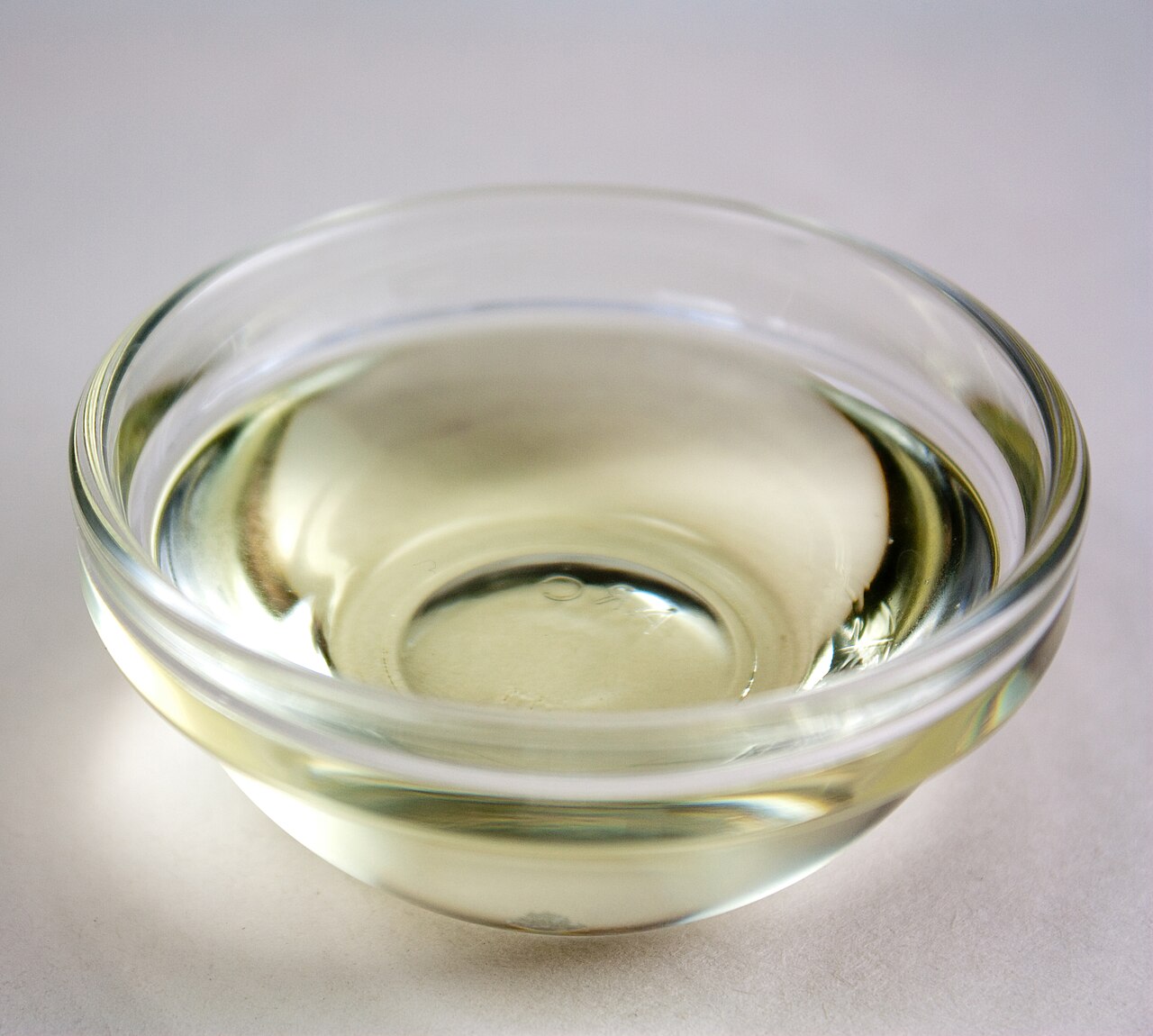
A spec sheet is the only thing standing between you and a container of oil that doesn’t do what you need. If the numbers are vague, you’re relying on trust. If they’re clear, you know what you’re buying and you can prove it when the oil arrives. We sell refined canola oil to buyers worldwide, and this page sets out the refined canola oil specifications we guarantee, what each line actually means, and which lines matter most for your use.
We’ve written it for purchasing managers, QA teams and owners who want to understand the numbers, not just copy them into a contract.
Table of Contents
Our Refined Canola Oil Specifications at a Glance
These are the refined canola oil specifications we work to on every export lot. Each shipment is tested before loading and comes with a certificate of analysis.
| Parameter | Our guarantee | Typical method |
|---|---|---|
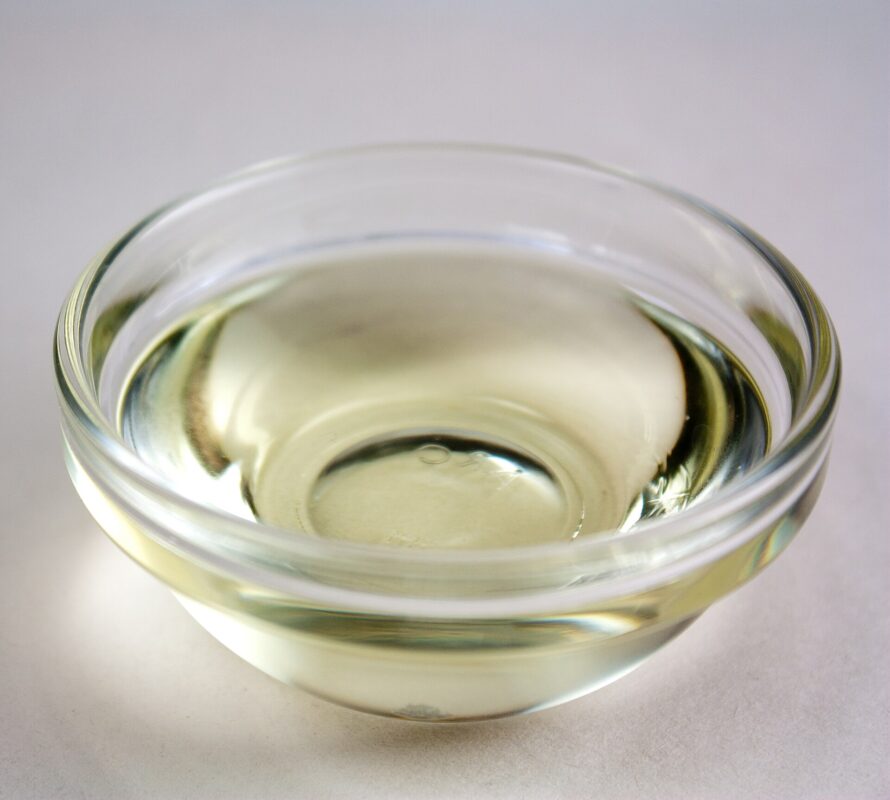
| Appearance at 20 C | Clear, bright, light yellow | Visual |
| Odour and taste | Neutral, free from rancid or foreign notes | Sensory |
| Free fatty acid (as oleic) | 0.05% max | AOCS Ca 5a-40 |
| Peroxide value at loading | 1.0 meq O2/kg max | AOCS Cd 8b-90 |
| Moisture and volatile matter | 0.05% max | AOCS Ca 2c-25 |
| Insoluble impurities | 0.05% max | AOCS Ca 3a-46 |
| Colour (Lovibond 5.25 inch cell) | 1.5 red max | AOCS Cc 13e-92 |
| Iodine value (Wijs) | 105 to 126 | AOCS Cd 1d-92 |
| Saponification value | 182 to 193 mg KOH/g | AOCS Cd 3-25 |
| Unsaponifiable matter | 1.5% max | AOCS Ca 6a-40 |
| Erucic acid | 2.0% max | GC |
| Relative density at 20 C | 0.914 to 0.920 | ISO 6883 |
| Refractive index at 40 C | 1.465 to 1.467 | AOCS Cc 7-25 |
| Cold test at 0 C | Clear after 5.5 hours | AOCS Cc 11-53 |
| Smoke point | About 230 C | AOCS Cc 9a-48 |
| Soap | 50 ppm max | AOCS Cc 17-95 |
| Shelf life | 18 to 24 months sealed, cool and dry |
Some buyers call this grade RBD canola oil, others refined canola oil. In trade they mean the same thing: oil that has been degummed, neutralised, bleached and deodorized. If you buy in bulk for bottling or distribution, see our RBD canola oil wholesale page for packing and pricing.
Why Refined Canola Oil Specifications Matter
Two lots of canola oil can look identical in a glass and behave very differently in use. One will fry well for days, the other will foam, darken and smell after a few shifts. One will sit on a shelf for eighteen months, the other will taste stale in six. The difference shows up in the numbers.
Clear refined canola oil specifications do three jobs for you:
- They tell you the oil is fresh. Low free fatty acid and peroxide value mean the oil was refined well and hasn’t started to break down.
- They tell you it’s really canola. Iodine value, the fatty acid profile and erucic acid confirm the oil is what the label says.
- They give you something to enforce. If the oil doesn’t meet the contract, you have numbers to point to, not just a feeling.
Without written refined canola oil specifications, you have no fair way to settle a quality complaint.
The Refined Canola Oil Specifications, Line by Line
Free fatty acid (FFA)
FFA measures fatty acids that have broken away from the oil molecule. Deodorizing strips almost all of them out, so refined oil should be very low. Our limit is 0.05% max, expressed as oleic acid.
Why it matters: FFA rises every time you fry. Starting low gives you more fry life before the oil needs changing. High FFA in fresh refined oil is a sign of poor deodorizing or old oil.
Peroxide value (PV)
PV measures the first stage of oxidation. Fresh refined oil leaves the deodorizer with a PV close to zero. Our limit is 1.0 meq/kg at loading.
Why it matters: PV tells you how fresh the oil is and how well it was protected from air. It will rise slowly in storage and transit, which is normal, but it should stay well within your own receiving limit. Most food buyers set an arrival limit somewhere between 2 and 5 meq/kg depending on use.
Anisidine value and totox
Anisidine value measures the second stage of oxidation, the compounds that cause stale and painty flavours. Totox combines PV and anisidine value into one figure. These aren’t in every contract, but they’re useful for buyers who care about long shelf life, such as mayonnaise and dressing makers. We’ll add them to your refined canola oil specifications on request.
Moisture and volatile matter
Water speeds up the breakdown of oil. In refined oil it should be very low. Our limit is 0.05% max.
Insoluble impurities
Fine particles left after filtering. Should be close to zero in properly filtered refined oil. Our limit is 0.05% max.
Colour
Refined canola oil should be light yellow. Colour is measured on the Lovibond scale, usually in a 5.25 inch cell, and expressed as red and yellow units. Our limit is 1.5 red max.
Why it matters: bottlers and retail brands care most about colour because the customer sees it. Darker oil can point to poor bleaching or seed problems. Colour also darkens as oil is used for frying, so a pale start helps.
Iodine value
Iodine value shows how unsaturated the oil is. Canola sits at 105 to 126. A number outside that range suggests blending with another oil or a mislabelled product.
Saponification value
This reflects the average size of the fatty acids. For canola, 182 to 193 mg KOH/g. It’s mostly an identity check.
Unsaponifiable matter
The part of the oil that isn’t fat, such as sterols and tocopherols. A high number can point to contamination. Our limit is 1.5% max.
Erucic acid
This is the line that separates canola from old style rapeseed. Canola was bred to have very low erucic acid in the oil, and our refined canola oil specifications cap it at 2.0% max of total fatty acids. Many markets have legal limits for erucic acid in food oils, so this line is important. The Canola Council of Canada explains the history if you’re curious.
Relative density and refractive index
Both are identity checks. They’re quick to test and help confirm the oil is pure canola, not a blend.
Cold test
The cold test shows whether the oil stays clear when chilled. Our oil stays clear for at least 5.5 hours at 0 C. This matters for bottled oil in cold climates and for dressings kept in the fridge.
Smoke point
Around 230 C for good refined canola oil. Higher FFA lowers the smoke point, which is another reason to keep FFA low.
Soap
Residual soap from chemical refining. Should be very low in well refined oil. High soap can cause foaming in fryers and off flavours. Our limit is 50 ppm max.
Typical Fatty Acid Profile
The fatty acid profile is the fingerprint of the oil. These ranges follow the reference values for low erucic acid rapeseed oil published in the Codex Alimentarius standards for named vegetable oils.
| Fatty acid | Typical range (% of total) |
|---|---|
| Palmitic (C16:0) | 2.5 to 7.0 |
| Stearic (C18:0) | 0.8 to 3.0 |
| Oleic (C18:1) | 51 to 70 |
| Linoleic (C18:2) | 15 to 30 |
| Alpha-linolenic (C18:3) | 5 to 14 |
| Arachidic (C20:0) | 0.2 to 1.2 |
| Eicosenoic (C20:1) | 0.1 to 4.3 |
| Behenic (C22:0) | Up to 0.6 |
| Erucic (C22:1) | Not detected to 2.0 |
This profile is why canola has such a good reputation. Low saturated fat, lots of oleic acid and a useful amount of omega 3. The alpha-linolenic acid is also why canola is a little more sensitive to oxidation than oils with no omega 3, which is why PV and storage matter so much.
Extra Lines You Can Add to Refined Canola Oil Specifications
Depending on your market and your product, you might want more than the core list. We test these on request:
- Trans fatty acids, usually well below 1% of total fat in properly refined oil
- 3-MCPD esters and glycidyl esters, process contaminants many food buyers now limit
- Trace metals such as iron and copper, which speed up oxidation
- Heavy metals such as lead and arsenic
- Phosphorus, usually very low in refined oil
- Chlorophyll, which can cause flavour and colour problems
- Pesticide residues against your market’s limits
- Tocopherols, for buyers who want natural antioxidant data
- GMO status with supporting documents
- Halal and kosher certificates
Each extra test adds a little cost and time, so add the lines that matter for your product. Not every buyer needs every line.
Refined Canola Oil Specifications by Application
Different uses lean on different numbers. Here’s how we’d prioritise them.
| Use | Most important lines | Why |
|---|---|---|
| Commercial frying | FFA, smoke point, soap, PV | Fry life, foaming, flavour |
| Bottling for retail | Colour, taste, cold test, PV | What the shopper sees and tastes |
| Mayonnaise and dressings | PV, anisidine value, cold test, taste | Long shelf life in emulsions |
| Bakery and snacks | FFA, PV, trans fat | Shelf life and labelling |
| Food service tins | FFA, PV, packing integrity | Easy handling, steady fry life |
For restaurants and big kitchens, read our guide to canola oil for commercial kitchens. Mayonnaise makers can see canola oil for mayonnaise manufacturing.
How Refining Shapes the Numbers
Every line in the refined canola oil specifications is set by a step in the refinery. Knowing which step controls which number helps you find the cause when something is off.
| Number | Refining step that controls it |
|---|---|
| Free fatty acid | Neutralising and deodorizing |
| Peroxide value | Deodorizing, then storage and packing |
| Colour | Bleaching and seed quality |
| Chlorophyll | Bleaching |
| Odour and taste | Deodorizing |
| Soap and phosphorus | Degumming and neutralising |
| Trace metals | Degumming and bleaching |
| 3-MCPD and glycidyl esters | Deodorizing temperature and pre-treatment |
So if colour is off, look at bleaching or the seed. If taste or FFA is off, look at deodorizing. If PV is high on arrival but was low at loading, look at storage, packing and the voyage.
How to Read a Certificate of Analysis
Every shipment of our refined canola oil comes with a COA. Here’s what to check when you get one.
- Lot or batch number. It should match the containers or tank you received.
- Date of analysis. A recent date means the results reflect the oil that was loaded.
- Lab name. Our own lab, the refinery lab or an independent surveyor.
- Each result next to its limit. Check every line is inside your refined canola oil specifications.
- Test methods. They should match the methods agreed in the contract.
- Signature or stamp. A COA without one isn’t worth much.
If anything on a COA looks odd, ask. A good supplier can explain every number.
Writing Refined Canola Oil Specifications Into Your Contract
A spec sheet only protects you if it’s in the contract. Here’s what to include:
- Product name, grade and origin if it matters to you
- Every specification line with a number, not just words like good quality
- The test method for each line
- Where and when samples are taken, at loading, at discharge or both
- Who tests, our lab, an independent surveyor or your lab
- What happens if the oil is out of spec, such as a price allowance or rejection
- GMO status and certificates you need
Most international labs follow AOCS or ISO methods. Agree which one in advance so results from different labs can be compared fairly.
Red Flags in a Spec Sheet
We’ve seen a lot of spec sheets over the years. These are the ones that make us cautious, and they should make you cautious too.
- No numbers, just words. Premium quality isn’t a specification.
- Ranges that are too wide. An iodine value of 90 to 140 could be almost any oil.
- No erucic acid line. For canola, this should always be there.
- Results that are too perfect. Every line at exactly zero usually means nobody tested.
- No test methods. Without methods, you can’t compare results.
- An old COA. A COA dated months ago tells you nothing about this lot.
Comparing Canola With Other Refined Oils
Buyers often ask how canola’s numbers compare with other refined oils they use.
| Oil | Iodine value | Saturated fat | Main point |
|---|---|---|---|
| Canola | 105 to 126 | Low, about 7% | Light, neutral, some omega 3 |
| Soybean | 124 to 139 | About 15% | Versatile, widely available |
| Sunflower | 118 to 141 | About 10 to 12% | High linoleic, light taste |
| Palm olein | 56 min | About 40 to 45% | Very stable for frying |
For more detail, see canola oil vs sunflower oil and canola oil vs soybean oil. If you also buy soybean oil, our soybean oil price trend 2026 review explains this year’s market.
Sampling: Getting a Sample That Tells the Truth
The best refined canola oil specifications in the world mean nothing if the sample is wrong. A bad sample gives you bad results, and bad results start arguments that nobody wins.
At loading
Samples should be drawn from the actual tank or flexitank being loaded, not from a bottle on a shelf. For bulk, the usual practice is a running sample taken through loading, or top, middle and bottom samples mixed into one composite. The sample is split into several bottles, sealed and labelled. One goes to the lab, one stays with us as a retained sample, and one can go to you or your surveyor.
At arrival
Use the same approach. Take samples at discharge, seal them and label them with the container or tank number, date and time. Test them against the same refined canola oil specifications used at loading, with the same methods.
Sample bottles
Use clean, dry, dark glass or food grade bottles. Fill them almost to the top to keep air out. Keep them cool. A sample left in a hot car for a day will give you a PV result that has nothing to do with the oil in your tank.
What Changes Between Loading and Arrival
Some numbers stay steady on a voyage. Others move a little, and that’s normal. Knowing which is which saves a lot of worry.
| Parameter | Usual change in transit | When to worry |
|---|---|---|
| Free fatty acid | Little or none | A big jump usually means water got in |
| Peroxide value | Rises slowly with time, heat and air | Well above your agreed arrival limit |
| Colour | Usually stable | Darker oil can mean contamination or heat |
| Moisture | Stable if sealed | Any rise points to a leak or condensation |
| Iodine value and fatty acid profile | No change | Any change means a different oil or a blend |
That’s why good refined canola oil specifications give two PV limits, one at loading and one at arrival. A loading limit of 1.0 meq/kg with an arrival limit of 2.0 to 3.0 meq/kg is common for long voyages. Your own limit depends on how long you’ll store the oil and what you’re making with it.
Specifications for Hot and Cold Climates
The same oil can behave differently depending on where it ends up, so climate is worth thinking about when you set your numbers.
Hot climates
Heat speeds up oxidation. In hot markets, buyers often tighten their PV arrival limit, ask for nitrogen blanketing on bulk shipments and choose packing that keeps out light and air. Shorter storage times help too. If your warehouse isn’t air conditioned, plan smaller, more frequent orders rather than one big one.
Cold climates
Cold brings a different problem. Oil can cloud or form crystals if it contains waxes or more saturated fat. That’s what the cold test in our refined canola oil specifications is for. Canola is naturally good in the cold, but if you sell bottled oil in a cold region or make dressings that live in the fridge, keep the cold test line in your contract.
Humid climates
Humidity can cause condensation inside containers and tanks, which adds water to the oil. Keep containers sealed, avoid big temperature swings and check moisture on arrival.
Tell us where the oil is going and how you’ll store it, and we’ll suggest the refined canola oil specifications that make sense for your conditions. It’s a five minute conversation that can save a lot of trouble.
Keeping Oil Within Specification After Delivery
Oil leaves our hands in spec. Keeping it there is a shared job.
- Store it cool, below 25 C if you can, and away from sunlight.
- Keep containers closed. Air is what raises PV.
- Use stainless steel or food grade plastic, never copper or brass.
- Use stock in order, oldest first.
- Don’t mix old and new oil in the same tank.
Our post on shelf life of sunflower, soybean and canola oil has more storage advice.
7 Proven Tips for Using Refined Canola Oil Specifications
1. Pick the lines that matter for your product
A fryer, a bottler and a mayonnaise plant need different lines. Don’t pay for tests you don’t use.
2. Always include erucic acid
It’s the simplest way to confirm you’re buying canola, not old style rapeseed.
3. Set an arrival limit for PV
Loading PV and arrival PV are different. Agree both.
4. Agree the test methods
Results from different methods can differ. Name the method for each line.
5. Use an independent surveyor for big orders
The fee is small. The protection is big.
6. Keep retained samples
If there’s ever a dispute, a sealed retained sample is your best evidence.
7. Review your refined canola oil specifications once a year
Your products, your markets and the rules change. Your spec sheet should keep up.
Frequently Asked Questions
What are the main refined canola oil specifications?
Free fatty acid, peroxide value, moisture and impurities, colour, iodine value, saponification value, erucic acid and the fatty acid profile. Cold test and smoke point are also common.
What FFA should refined canola oil have?
Very low. Our refined canola oil specifications set 0.05% max as oleic acid.
Is refined canola oil the same as RBD canola oil?
Yes, in everyday trade the names are used for the same fully refined, bleached and deodorized oil.
Can you add extra tests to the specification?
Yes. We can add trans fats, 3-MCPD and glycidyl esters, trace metals, pesticide residues and more on request.
Do you send a COA with every shipment?
Yes. Every lot comes with a certificate of analysis against the agreed specification.
Do you sell refined canola oil worldwide?
Yes. We ship refined canola oil worldwide in flexitanks, ISO tanks, drums, tins, jerrycans and bottles.
Can I get a sample before ordering?
Yes. We send samples with a COA so your lab can check the oil against your own refined canola oil specifications.
Order Refined Canola Oil That Meets Your Specification
Send us your spec sheet, or use ours. Tell us your volume, packing, destination port and Incoterm, and we’ll send a written offer for refined canola oil with a matching COA, usually within one working day.
Email info@dthcompanyltd.com, call or WhatsApp +66 91 765 9104, or use our contact page. You can also see our refined canola oil for sale page, our RBD canola oil page, the RBD canola oil specification guide, our crude canola oil importer guide and our full product list.







One thought on “Refined Canola Oil Specifications: Full Spec Sheet, Honest Guide and 7 Proven Tips”