Most buyers who come to us looking for a halal certified cooking oil supplier have been burned once already. Sometimes it’s a certificate from a body their own authority won’t recognise. Sometimes it’s a certificate that expired before the ship docked. Once it was a flexitank that had carried something it shouldn’t have. We sell halal certified refined sunflower oil, palm olein, soybean oil, canola oil and coconut oil worldwide, in bulk and in retail packs, and we’ve built our paperwork around the questions halal importers actually ask.

Below you’ll find the oils we supply, the specs, how halal control works at our plant, which documents come with each load, and how to check any halal certified cooking oil supplier before you put money down.
Table of Contents
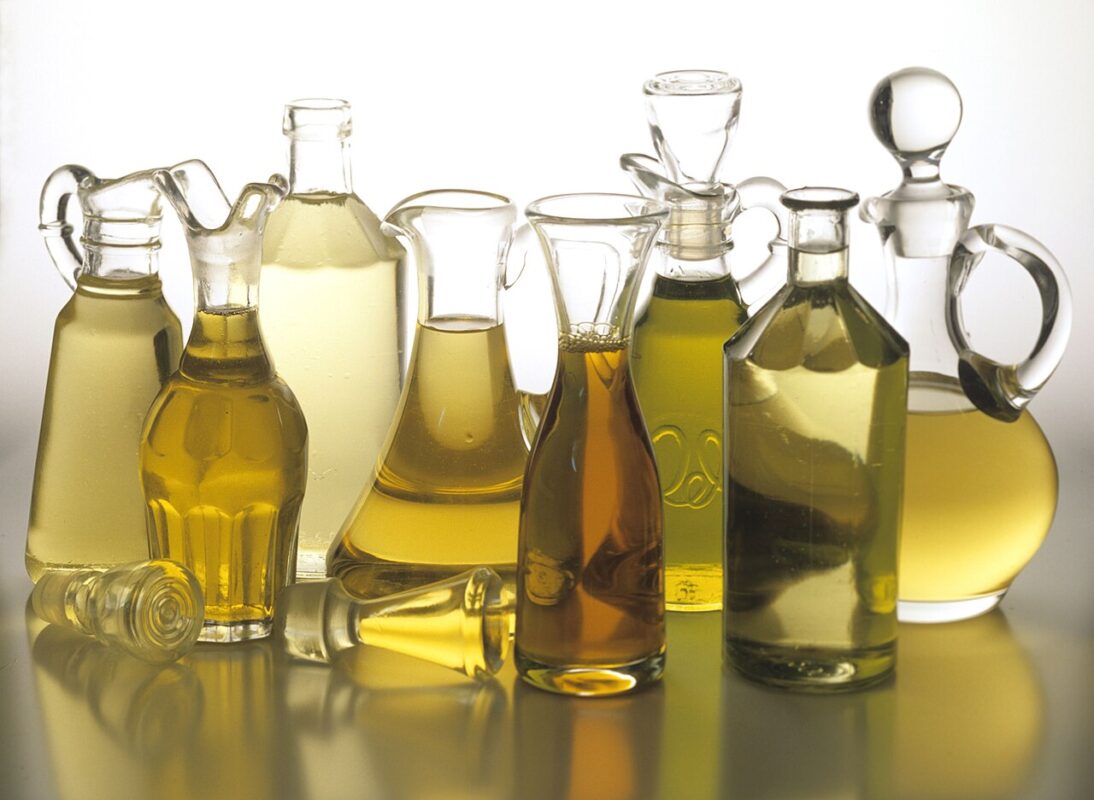
Halal Certified Cooking Oil We Supply
Here is what you can order from us as a halal certified cooking oil supplier.
Every oil in this list is available with a halal certificate covering the product, the plant and the packing line.
| Product | Grades | Typical packing | Typical buyers |
|---|---|---|---|
| Sunflower oil | Refined RBDW, high oleic, deodorized | 1 L to 5 L PET, 20 L jerrycan, flexitank | Retail brands, importers, caterers |
| Palm olein | CP8, CP10, double fractionated | 1 L pouch, 18 L tin, 20 L jerrycan, flexitank | Fryers, food service, noodle plants |
| Soybean oil | Refined, high oleic | 5 L PET, 20 L jerrycan, flexitank | Food factories, restaurants |
| Canola oil | Refined, RBD | 1.5 L to 5 L PET, flexitank | Mayonnaise and sauce makers, retail |
| Coconut oil | RBD | 18 L tin, 20 kg carton, drums | Bakery, confectionery, snack plants |
You can see each product in detail on refined sunflower oil, refined palm oil CP10, refined soybean oil, RBD canola oil and RBD coconut oil. Most halal buyers start with refined sunflower or palm olein, since those two move fastest in Muslim-majority markets.
Why Vegetable Oil Still Needs a Halal Certificate
It’s a fair question. Sunflower seeds are halal. So are palm fruit, soybeans and canola seed. Why does a halal certified cooking oil supplier need a certificate at all?
The answer is the factory, not the plant in the field. Things that can make plain vegetable oil a problem include:
- Shared lines. A refinery that also processes lard or tallow can carry traces through tanks, pipes and deodorisers.
- Processing aids. Some antifoams, emulsifiers and filter aids are made from animal sources.
- Additives. Vitamin premixes for fortified oil, and some antioxidants, need their own halal status.
- Transport. A flexitank or road tanker that last carried a non halal product is a risk.
- Packaging. Some lubricants on filling machines and some can linings use animal derived materials.
A certificate from a recognised halal body means someone has checked all of this. That’s why a serious halal certified cooking oil supplier treats the certificate as a working system, not a piece of paper to print once a year.
How Halal Control Works at Our Plant
Our refinery handles vegetable oils only. No animal fats come through the gate, so there’s no shared line risk on the refining side. On top of that, the plant runs under HACCP, GMP, ISO 22000 and Halal management systems. In practice, that means:
- Every processing aid and additive is on an approved list, with its own halal certificate on file.
- Incoming crude oil arrives in dedicated or certified clean tanks.
- Filling lines use food grade lubricants approved for halal production.
- Flexitanks are new and single use, with a fresh certificate for each one.
- A trained halal officer on site signs off each production batch.
- The halal body audits the plant on schedule and can visit without warning.
This is the part buyers don’t see, but it’s what makes a halal certified cooking oil supplier trustworthy. If you’d like more detail on the food safety side, see our page on HACCP certified cooking oil.
Product Specifications From a Halal Certified Cooking Oil Supplier
Halal status doesn’t change the chemistry. The oil still has to meet the normal quality specs. These are the figures we load to, inside the Codex Alimentarius standard for named vegetable oils.
Halal refined sunflower oil
| Parameter | Specification |
|---|---|
| Appearance | Clear, bright, light yellow |
| Free fatty acid (as oleic) | 0.10% max |
| Peroxide value | 2.0 meq O2/kg max at loading |
| Moisture and volatiles | 0.10% max |
| Iodine value (Wijs) | 118 to 141 |
| Colour (Lovibond 5.25 in) | 3.5 red / 35 yellow max |
| Cold test | 5.5 hours min at 0 °C |
| Smoke point | About 230 °C |
| Halal status | Certified, certificate supplied |
Halal RBD palm olein CP10
| Parameter | Specification |
|---|---|
| Free fatty acid (as palmitic) | 0.10% max |
| Moisture and impurities | 0.10% max |
| Iodine value | 56 min |
| Cloud point | 10 °C max |
| Colour (Lovibond 5.25 in) | 3 red max |
| Halal status | Certified, certificate supplied |
Halal refined soybean and canola oil
| Parameter | Soybean | Canola |
|---|---|---|
| Free fatty acid (as oleic) | 0.10% max | 0.10% max |
| Peroxide value | 2.0 meq/kg max | 2.0 meq/kg max |
| Iodine value | 124 to 139 | 105 to 126 |
| Erucic acid | Not applicable | 2% max |
| Halal status | Certified | Certified |
The refined sunflower oil specification page has the full sheet, and free fatty acid and peroxide value explains what those two numbers tell you about freshness.
Halal Documents With Every Shipment
This is where most problems start, so we’re careful. With each order from us as your halal certified cooking oil supplier you’ll get:
- A current halal certificate naming our company, the plant address, the products and the expiry date
- A shipment-specific halal letter for bulk loads, listing container, seal and flexitank numbers where your authority asks for it
- Certificate of analysis for the exact lot
- Certificate of origin
- Health certificate where needed
- Commercial invoice, packing list and bill of lading
- Flexitank certificate confirming new, single-use, food grade material
Our page on certificate of analysis for edible oil explains how to read the COA, and documents required to import vegetable oil lists what most customs offices want.
Will Your Country Accept the Certificate?
This is the single most important question to ask any halal certified cooking oil supplier. Halal recognition isn’t global. Each importing country decides which certifying bodies it accepts.
Some examples of how it works:
- Malaysia recognises foreign bodies through JAKIM’s list. You can check it on the Malaysian halal portal.
- Gulf countries generally follow GCC standards and lists of accredited bodies.
- Indonesia runs its own mandatory halal regime and recognises selected foreign bodies.
- Many OIC countries reference the standards published by SMIIC, the Standards and Metrology Institute for Islamic Countries.
Before you order, send our certificate to your own authority or your customs broker and ask if they accept it. We do this with every new halal buyer. It takes a few days and saves weeks of trouble. If your market needs a particular body, tell us early. A good halal certified cooking oil supplier can often arrange certification through an accepted body for your lane.
Saudi buyers should also read SFDA registration for imported cooking oil, and UAE buyers our page on halal vegetable oil supply to the UAE.
Packing Options for Halal Markets
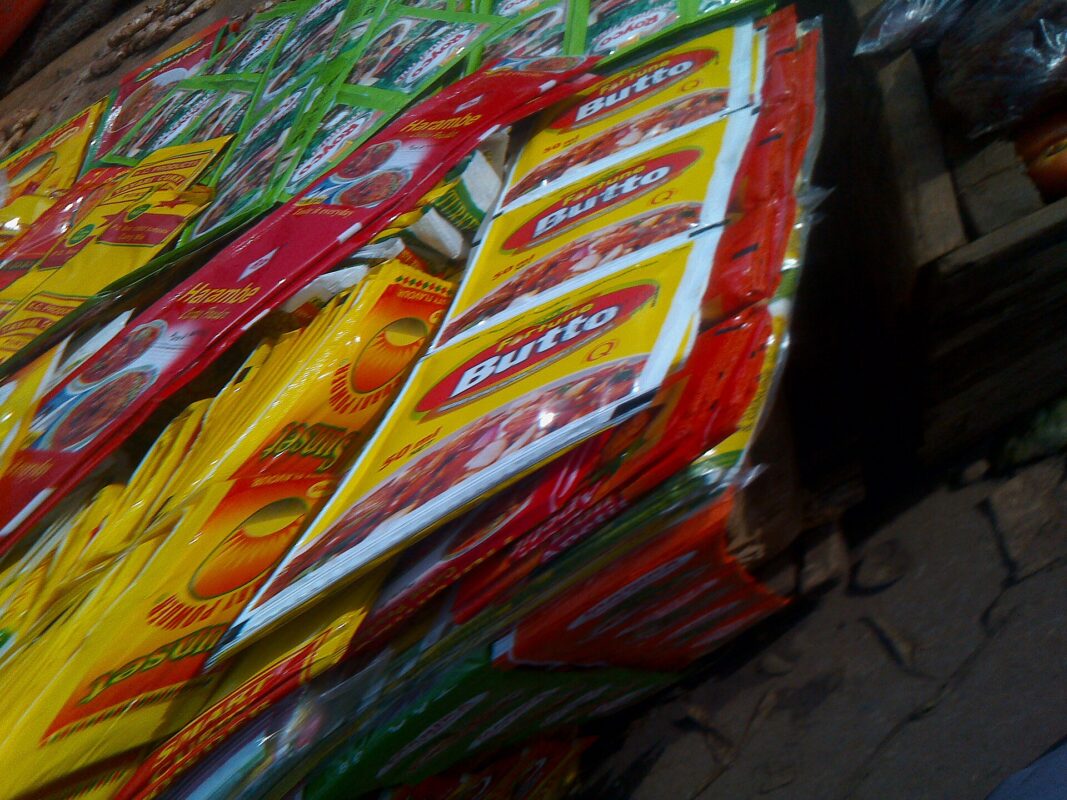
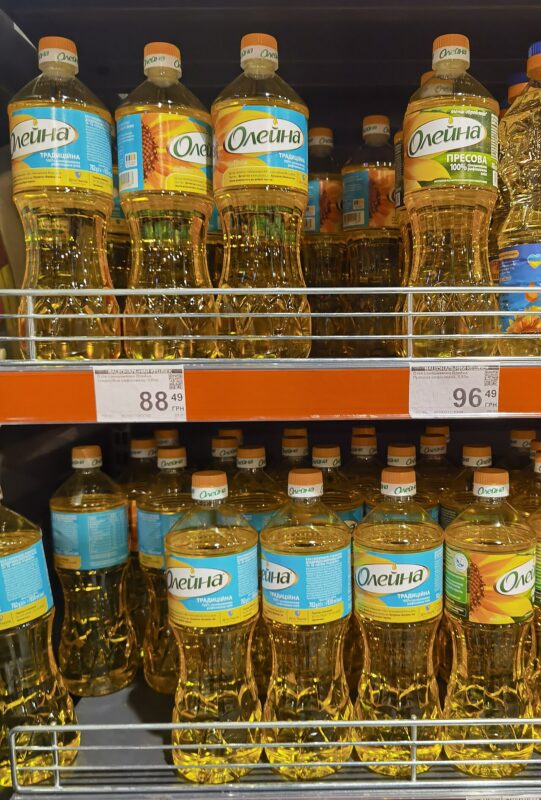
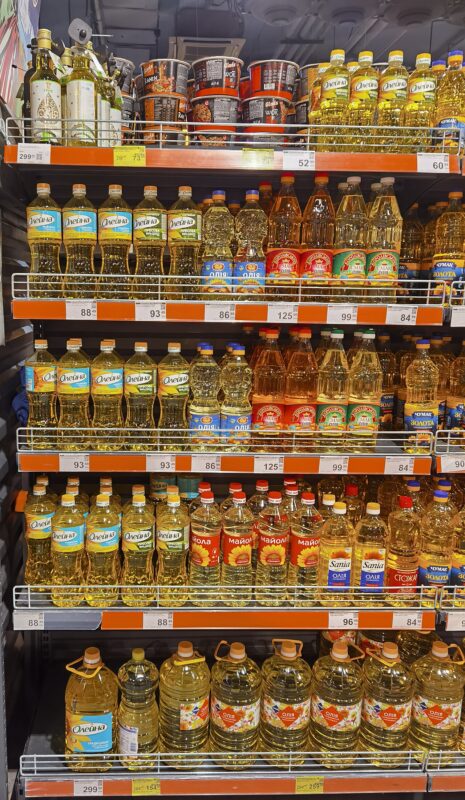
As a halal certified cooking oil supplier, we pack in all the formats halal markets use most.
| Packing | Net per unit | Approx per 20 ft | Approx per 40 ft |
|---|---|---|---|
| PET bottle 1 L x 12 | Carton | 1,500 cartons | 2,100 cartons |
| PET bottle 1.8 L x 6 | Carton | 1,350 cartons | 1,900 cartons |
| PET bottle 5 L x 4 | Carton | 1,000 cartons | 1,380 cartons |
| Jerrycan 20 L | Each | 1,000 cans | 1,250 cans |
| Tin 18 L | Each | 1,000 tins | 1,200 tins |
| Flexitank | 20 to 23 MT | 1 | Not used |
We can print the halal logo of the certifying body on your label, as long as the body’s rules allow it and your certificate covers the product. Private label artwork, Arabic text and local language labels are all fine. See private label cooking oil for how we handle artwork and printing, and 18 litre tins or 20 litre jerrycans for the food service packs.
Halal Oil for Food Manufacturers
If you make food for halal markets, every ingredient needs certification, and oil is often the biggest one by weight. Snacks, instant noodles, biscuits, sauces and canned fish can all be 15 to 40 percent oil. Your own halal auditor will ask for our certificate, our COA and sometimes our list of processing aids. We send all three.
For fryers, palm olein and high oleic sunflower last longest. For mayonnaise and dressings, refined sunflower and canola stay clear in the fridge. Our guides on sunflower oil for mayonnaise and palm oil for instant noodles go into the details. Working with one halal certified cooking oil supplier across several oils also cuts your audit work, since one plant audit covers them all.
Halal Certified Cooking Oil Supplier Pricing
There’s usually no real price difference between halal and non halal oil from the same refinery, since the certification cost is spread over a large volume. What moves the price is the oil itself, the packing and the freight. Ask any halal certified cooking oil supplier to break the quote into oil, packing and freight so you can compare offers fairly. For a sense of market levels, see sunflower oil wholesale price per ton and CIF vs FOB for how the Incoterm changes the number.
Ramadan and Peak Season Planning
Demand for cooking oil jumps in the weeks before Ramadan and again before Eid. Shelves empty fast, and freight rates often rise at the same time. Importers who book six to eight weeks ahead get their oil on time and at a calmer price. Those who wait end up paying more and still risk arriving late.
We suggest booking your Ramadan stock with your halal certified cooking oil supplier at least two months before the first fast. If you buy on a rolling contract, raise the volume for the two months before Ramadan and drop it back after Eid.
7 Proven Tips for Choosing a Halal Certified Cooking Oil Supplier
1. Check the certifying body, not just the logo
A logo on a label means little on its own. Find out which body issued the certificate and whether your country recognises it.
2. Check the expiry date against your shipping date
If the certificate expires before your container clears customs, you may have a problem. Ask for the renewal date and plan around it.
3. Ask what else the refinery processes
A plant that also runs animal fats needs very strict separation. A vegetable-oil-only refinery like ours removes that question.
4. Ask for a shipment-specific halal letter on bulk
For flexitank and ISO tank loads, a letter naming the container and seal numbers gives your authority extra comfort.
5. Make sure the flexitank is new
Only accept new, single-use, food grade flexitanks with a certificate. A halal certified cooking oil supplier should send that certificate before loading.
6. Verify the company itself
Ask for registration documents, a plant address and a video call. Our article on fake vegetable oil suppliers explains the common tricks.
7. Order one container first
A trial load shows you the oil, the documents and how the halal certified cooking oil supplier behaves when something needs fixing.
Halal Problems We’ve Seen Other Buyers Run Into
We hear these stories from new customers all the time. None of them were about the oil itself.
The certificate from the wrong body. An importer in the Gulf bought a full 40 ft of bottled sunflower oil from a trader. The halal certificate was genuine, but it came from a body his country didn’t list. The container sat at port for five weeks while he tried to sort it out. In the end he had to re-export it at a loss. One email to customs before ordering would have saved him.
The expired certificate. Another buyer received a certificate that was valid on the day of loading and expired eleven days later. The vessel took nineteen days. Customs wanted a valid certificate on arrival. His halal certified cooking oil supplier at the time hadn’t renewed in time, and nobody had checked.
The reused flexitank. A bulk buyer found out after delivery that the flexitank wasn’t new. It had been cleaned, but nobody could prove what it had carried before. His own customer, a food plant, refused the oil.
The product not on the certificate. A distributor ordered refined palm olein and refined sunflower oil from the same seller. Only the sunflower was named on the halal certificate. The palm olein, from a different plant, had no cover at all.
Each one is avoidable. Read the certificate, check it with your authority, compare the dates with your shipping schedule, and ask for a new flexitank with paperwork. Any halal certified cooking oil supplier that hesitates over these four checks isn’t one you want.
Halal Fortified and Speciality Oils
Some markets require vitamin A and D in cooking oil, and many government and aid tenders ask for it too. The vitamin premix needs its own halal status, and we only use premixes that carry one. Our page on fortified sunflower oil with vitamin A and D covers the levels and the testing.
We also supply halal certified high oleic sunflower oil for long-life frying and premium retail brands, and organic sunflower oil for buyers who need both organic and halal on the same pack. In each case the halal certificate names the exact grade, so there’s no question at customs about what’s covered.
Halal Oil for Restaurants, Hotels and Caterers
Food service buyers have slightly different needs from retail importers. They care about fry life, foaming, smoke and the size of the pack more than the shelf look. For them, a halal certified cooking oil supplier should offer:
- 18 L tins and 20 L jerrycans, which are easy to pour and stack in a kitchen store room.
- Frying oils that last, such as palm olein CP10 or high oleic sunflower, so the kitchen changes oil less often.
- Steady flavour, so the food tastes the same every day.
- Certificates they can show auditors, since many hotel groups and airline caterers have their own halal checks.
If you’re supplying hotel chains or caterers, ask us for a copy of the certificate in the format their auditors prefer. We can also print a batch-level halal statement on each carton. For frying tips, our guides on the best oil for deep frying chicken and how often to change fryer oil are worth sharing with your kitchen customers. They show why working with a halal certified cooking oil supplier that understands frying can save a busy kitchen real money over a year.
Storage of Halal Oil at Your End
Halal status can be lost after the oil leaves us if it’s handled badly. Keep halal oil in clean tanks that haven’t held non halal products, or document the cleaning if they have. Your halal certified cooking oil supplier can help you write a simple handling note for your warehouse team. Store packed oil in a cool, dry warehouse away from sunlight. Rotate stock first in, first out. Refined sunflower oil keeps around 18 months in PET when stored well. See shelf life of sunflower, soybean and canola oil for more.
How to Order From a Halal Certified Cooking Oil Supplier
- Send us the product, grade, packing, quantity, destination port and the halal body your country recognises.
- We confirm the certificate fits your market and send a written offer.
- We send samples if you want to test first. See how to request edible oil samples.
- Contract, then payment by LC at sight or TT with deposit. Our LC vs TT guide explains both.
- Production, loading, inspection and shipment, with draft documents sent for your check before the originals.
Minimum order is one 20 ft container. Read minimum order quantity for bulk cooking oil for details.
Where We Ship
As a halal certified cooking oil supplier, we ship worldwide from Laem Chabang to the Gulf, the Levant, North and West Africa, East Africa, South Asia, Southeast Asia, Central Asia, Europe and the Americas. Much of our halal oil goes to Muslim-majority markets, but plenty also goes to halal food plants and distributors in Europe, North America and Australia, where halal products are a growing share of the shelf.
Halal Oil in Non-Muslim Markets
You don’t have to sell into a Muslim-majority country to need halal oil. Supermarkets in Europe, North America and Australia now carry whole halal sections, and many mainstream brands certify their products so they can sell to everyone with one pack. Food plants that export snacks or sauces often go halal for the same reason: one recipe, one label, more customers.
For these buyers, the certificate still has to be accepted by the importing customer or retailer, not just by customs. Large retailers and food brands often have their own approved list. Before you bring in oil for that kind of customer, send us their requirements. We’ll tell you straight away whether our certificate fits, and if it doesn’t, what a halal certified cooking oil supplier would need to do to meet it. It’s also worth checking how the halal claim must be written on the label in your country, since rules on wording and logo size vary.
Why Buyers Choose Us
We’re straightforward to deal with. You get one contact person, documents checked before they’re sent, loading photos on the day, and a halal certificate your authority has seen before you pay. That’s what a halal certified cooking oil supplier should offer as standard. Read more on our about us page, or see our wider product range.
Frequently Asked Questions
Is all vegetable oil halal?
The raw oil from plants is halal, but processing aids, shared lines and transport can affect it. That’s why a halal certified cooking oil supplier holds a certificate for the finished product.
Which halal body certifies your oil?
Our certificate is issued by a recognised halal body. Send us your destination country and we’ll confirm whether it’s accepted there, or arrange certification through a body that is.
Can you print the halal logo on my private label?
Yes, where the certifying body allows it and the product is covered by the certificate.
Do you supply kosher too?
Yes, for selected grades. See kosher certified vegetable oil.
Is there a price premium for halal oil?
Usually not. Halal certification is part of our normal production.
Do you supply halal palm oil?
Yes. Read halal certified palm oil supplier for the palm-specific details.
How fast can a halal certified cooking oil supplier like you load?
Packed oil usually loads two to four weeks after payment, bulk sooner.
Get a Quote From Our Halal Certified Cooking Oil Supplier Team
Tell us the oil, grade, packing, quantity, destination and which halal body your market accepts. We’ll check the certificate fits and send a written offer, normally within one working day.
Email info@dthcompanyltd.com, call or WhatsApp +66 91 765 9104, or use our contact page.