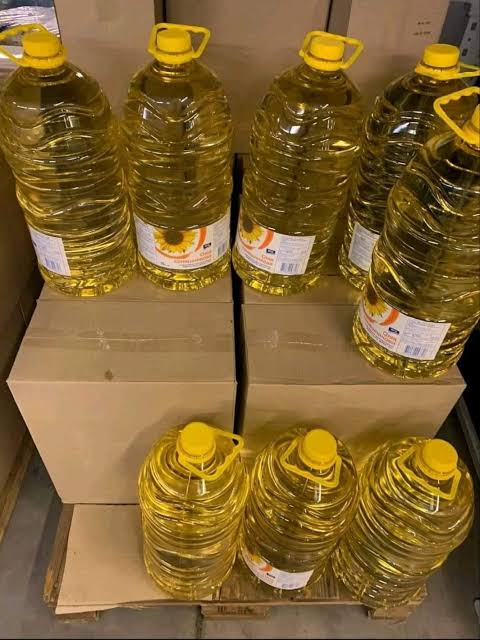
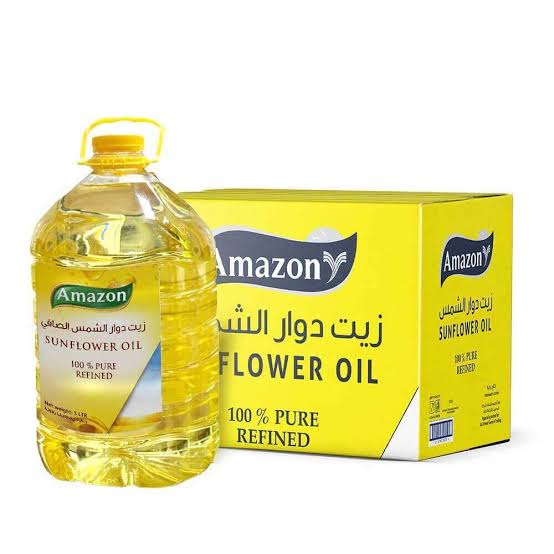
If you need a fortified sunflower oil supplier vitamin A and D compliant for your market, we can help. We sell refined sunflower oil fortified with vitamin A and vitamin D3 to the level your national standard or tender asks for, packed in bottles, pouches, jerrycans or tins, and shipped by the container worldwide. On this page you’ll find how we fortify, the specs we work to, how we test the vitamin levels, which packs protect them best, and what paperwork you get with each lot.

Most buyers who come looking for a fortified sunflower oil supplier vitamin A and D rules are already part of their daily life. Either their country has made fortification mandatory for packaged oil, or they’re bidding on a food aid or school feeding tender that requires it, or their retail customers have started asking for the fortified logo on the shelf. Whatever the reason, the job is the same: put the right amount of vitamin into the oil, keep it there until the bottle is opened, and prove it on paper.
Table of Contents
Why Cooking Oil Gets Fortified
Vitamin A and vitamin D both dissolve in fat, not water. That makes cooking oil an almost perfect carrier. Nearly every household uses it, people use roughly the same amount every day, and the vitamins mix into it evenly. Public health bodies such as the World Health Organization treat fortifying staple foods as one of the most practical ways to reduce vitamin deficiencies across a whole population.
A lot of countries now require it, and many more allow it on a voluntary basis. The rules differ from place to place: the vitamin levels, the allowed vitamin forms, the label wording, the logo, and whether bulk oil is covered or only packaged oil. If you want to check what applies where you sell, the Global Fortification Data Exchange tracks fortification standards country by country. It’s also why more buyers now ask for a fortified sunflower oil supplier vitamin A and D compliant rather than plain oil.
What a Fortified Sunflower Oil Supplier Vitamin A and D Programme Involves
It’s simple to describe and fiddly to do well. A good fortified sunflower oil supplier vitamin A and D programme has five parts:
- Clean base oil. Fully refined sunflower oil, tested before any vitamins go in.
- The right premix. Vitamin A and D3 premix from an approved vitamin manufacturer, with its own certificate.
- Accurate dosing. The premix is metered into the oil at a controlled rate, after refining and once the oil has cooled.
- Proper mixing. Enough mixing time so every bottle gets the same dose, not just the ones at the top of the tank.
- Testing and records. Lab results for each lot, kept on file and sent with the shipment.
Skip any of these and you end up with oil that either fails a market inspection or, worse, passes on paper but does nothing for the people eating it.
The Oil We Fortify
Our base oil is refined sunflower oil, either standard or winterized. We can also fortify high oleic sunflower oil for premium labels. Sunflower oil works well as a carrier. It’s light, it’s neutral in taste, and it already contains natural vitamin E, which helps protect the added vitamin A from oxidation. More on that in sunflower oil vitamin E.
If your standard covers several oils, we can fortify palm olein, soybean and canola oil the same way, and you can mix them in one container. That’s handy if you need one fortified sunflower oil supplier vitamin A and D compliant across a whole range, not just one product.
Specifications for Fortified Sunflower Oil
Here’s the base oil spec, plus the fortification parameters we set per contract:
| Parameter | Specification |
|---|---|
| Free fatty acid (as oleic) | 0.10% max |
| Peroxide value at filling | 2.0 meq/kg max |
| Moisture and volatile matter | 0.05% max |
| Colour (Lovibond 5¼ inch cell) | 3.0 Red max |
| Iodine value (Wijs) | 118 to 141 |
| Vitamin A (as retinyl palmitate) | To your national standard, for example 6 to 9.9 µg RE per gram |
| Vitamin D (as cholecalciferol, D3) | To your national standard, for example 0.11 to 0.16 µg per gram |
| Natural vitamin E | Present naturally, reported on request |
| Odour and taste | Neutral, no off flavour |
| Shelf life, sealed and protected from light | 12 to 18 months depending on pack |
The vitamin figures in the table are the ranges India uses for fortified edible oil, given as an example only. Your country’s numbers may be higher, lower, or written in IU rather than micrograms. Send us your standard and we’ll dose to it. As a rough guide, 1 µg of retinol equivalent is about 3.33 IU of vitamin A, and 1 µg of vitamin D is 40 IU.
The base oil also meets the Codex Alimentarius standard for named vegetable oils. For a full breakdown see refined sunflower oil specification and Codex standard for named vegetable oils.
Vitamin A: Which Form and Why
Vitamin A goes into oil as a retinyl ester, usually retinyl palmitate and sometimes retinyl acetate. Palmitate is the common choice for oil because it dissolves well and holds up reasonably in storage. It comes as an oily premix, often with an antioxidant already blended in to protect it.
Here’s what matters to you as a buyer. Vitamin A is fragile. Light, heat and oxygen break it down. That means the level in the bottle on the day of filling isn’t the level the shopper gets six months later. A fortified sunflower oil supplier vitamin A and D programmes can trust allows for that with a small overage, so the oil is still within the standard at the end of its shelf life, not just at the factory gate.
Vitamin D: Smaller Dose, Same Care
Vitamin D is added as D3, cholecalciferol, at a far lower dose than vitamin A. Because the amounts are tiny, accuracy matters even more. We use a combined A and D premix wherever the standard allows, which keeps the ratio fixed and makes dosing simpler and more reliable. Vitamin D is a little more stable than vitamin A in oil, but it still needs protecting from light and heat.
How We Dose and Mix
For a fortified sunflower oil supplier vitamin A and D dosing is where the real work happens. Our process goes like this:
- The refined oil is tested and released before fortification.
- The oil is cooled after deodorising, because adding vitamins to hot oil destroys some of them straight away.
- The premix is weighed or metered against the batch size, using a calculation sheet that’s kept on file.
- The oil is mixed for a set time so the vitamins are spread evenly.
- Samples are taken from different points in the tank and tested.
- Only then does the oil go to the filling line.
It sounds obvious, but uneven mixing is one of the most common reasons fortified oil fails inspection. The top of the tank tests high, the bottom tests low, and the market inspector picks a bottle from the low end.
Testing and Proof
Vitamin A and D in oil are usually measured by HPLC in a lab. We test each fortified lot and report the results on the certificate of analysis alongside the normal oil quality figures. You also get the premix manufacturer’s certificate, so the chain is clear from vitamin factory to your bottle. That way the fortified sunflower oil supplier vitamin A and D paperwork you hold always matches the oil in the container.
If you want an independent check, appoint SGS, Intertek or another inspection company to sample at loading and test in their own lab. For a first order we’d encourage it. See pre-shipment inspection for edible oil and certificate of analysis for edible oil. For any serious fortified sunflower oil supplier vitamin A and D results should be easy to share and easy to check.
Packaging That Protects the Vitamins
Packaging matters more for fortified oil than for plain oil. Light is the main enemy of vitamin A, so the more light you keep out, the better the vitamin level holds.
| Pack | Light protection | Notes |
|---|---|---|
| Clear PET bottle | Low | Looks good, but vitamin A drops faster on bright shelves |
| Tinted or coated PET bottle | Medium to good | A sensible middle ground for retail |
| 1 litre pouch with light barrier film | Good | Popular in price sensitive markets |
| Coloured HDPE jerrycan | Good | Food service and food aid |
| 18 litre tin | Complete | Best protection, heavier pack |
With any fortified sunflower oil supplier vitamin A and D retention depends heavily on the pack you choose. If you’re the brand owner, this is worth thinking about before you choose your bottle. A clear bottle shows off the oil, but a slightly tinted one keeps your vitamin claim honest for longer. See sunflower oil 1 litre pouch supplier, sunflower oil 18 litre tin supplier and sunflower oil 20 litre jerrycan supplier for those packs.
Labelling Fortified Oil
Most fortification standards set rules for the label. Common requirements include a statement such as “Fortified with Vitamin A and D”, the vitamin content per serving or per 100 g, the national fortification logo where one exists, and the usual oil labelling: product name, net content, ingredients, storage advice, lot number, best before date and the brand owner’s details.
The ingredients list needs to include the added vitamins. Some countries want the vitamin forms named. Some want the logo in a set size or colour. When a fortified sunflower oil supplier vitamin A and D claims go on your label, the COA has to back them up. Check your rules first. If you’re bottling under your own brand, our guide to OEM sunflower oil bottling Thailand walks through the artwork approval process, and we’ll flag anything on the fortification panel that looks off.
Registration and Import Rules
In many markets fortified oil needs product registration before it can be sold, and the vitamin levels are part of that file. Do it before the first shipment. A container held at port because the fortification certificate is missing costs far more than a few weeks of paperwork. Some useful starting points: NAFDAC registration for imported vegetable oil, SFDA registration for imported cooking oil and FDA requirements for importing vegetable oil.
When you work with a fortified sunflower oil supplier vitamin A and D results go into that registration file, so ask for sample COAs early. We send them with the first offer.
Who Buys Fortified Sunflower Oil From Us
- Importers and distributors in countries with mandatory oil fortification
- Supermarket chains that want a fortified store brand
- Tender suppliers for school feeding, hospital and institutional programmes
- Contractors supplying food aid and humanitarian programmes
- Local packers who buy fortified bulk oil to fill themselves
As a fortified sunflower oil supplier vitamin A and D compliant oil from us goes to buyers across Africa, the Middle East, South and Southeast Asia, Latin America and the Caribbean. A few related reads from our blog: vegetable oil supplier West Africa, cooking oil importers in Kenya, edible oil importers Tanzania supplier and cooking oil supplier Philippines.
Fortified Oil for Tenders and Aid Programmes
Food aid and institutional tenders have their own habits. They usually set the vitamin levels, the pack size, the label text and the testing method in the tender documents, and they care about paperwork as much as price. Pack sizes are often 20 litre jerrycans, 18 litre tins or 1 litre and 5 litre bottles.
If you’re bidding, send us the tender specification before you price it. We’ll go through it line by line and tell you honestly where we can comply and where we can’t. For a fortified sunflower oil supplier vitamin A and D tenders leave very little room for error, because a small miss on the vitamin range can disqualify the whole lot.
Fortified Bulk Oil for Local Packers
Some buyers prefer to pack the oil in their own country. We can ship fortified oil in flexitanks or IBCs, so you fill it locally. In that case your filling line, storage tanks and light exposure all affect the final vitamin level, so the overage matters even more. We’ll talk you through it. Our page on sunflower oil for repacking business covers the bulk side, and sunflower oil flexitank supplier covers flexitank shipping.
What Drives the Price
Fortified oil costs a little more than plain oil, but not as much as most people expect. The vitamin premix itself is a small share of the cost per litre. For a fortified sunflower oil supplier vitamin A and D testing is the more noticeable cost, because every lot goes to the lab. The bigger costs are the testing, the dosing equipment, the record keeping and, if you choose it, the better light barrier packaging. Beyond that, the usual factors apply:
- The world sunflower oil price
- Packaging type and print
- Freight to your port
- Order size and frequency
- Exchange rates
For a sense of base oil pricing, see sunflower oil wholesale price per ton. Our minimum is normally one 20 foot container; see minimum order quantity for bulk cooking oil.
Documents With Every Shipment
- Commercial invoice and packing list
- Bill of lading
- Certificate of origin
- Certificate of analysis including vitamin A and D results
- Vitamin premix certificate
- Health certificate
- Halal or kosher certificate on request
- Insurance certificate on CIF terms
See documents required to import vegetable oil for what each one does. Halal certificates are available; see halal vegetable oil supplier.
7 Proven Tips for Choosing a Fortified Sunflower Oil Supplier Vitamin A and D Compliant
1. Send your standard first
Before anyone quotes, they should see your national fortification standard or tender spec. If a supplier quotes without asking for it, be careful.
2. Ask about overage
Ask how they make sure the oil still meets the standard at the end of shelf life. If they don’t understand the question, move on.
3. Ask for real lab results
Ask for a sample COA showing vitamin A and D figures, not just the words “fortified”. Then test a sample yourself.
4. Think about the pack
Clear bottles lose vitamin A faster. Choose packaging with your shelf life in mind.
5. Make sure the supplier is real
Fake oil sellers are common online. Read fake vegetable oil supplier before paying anything.
6. Use safe payment terms
A letter of credit protects both sides. See letter of credit vs TT payment.
7. Store it properly
Keep fortified oil cool and out of the sun after delivery. Heat and light undo good fortification faster than anything. More in shelf life of sunflower oil.
Mistakes We See With Fortified Oil
- Choosing the cheapest clear bottle, then failing a market test six months later.
- Assuming every country uses the same vitamin levels. They don’t.
- Mixing up IU and micrograms on the label.
- Leaving registration until the goods are on the water.
- Storing pallets of fortified oil in a hot, bright warehouse.
None of these are hard to avoid, as long as you agree with your fortified sunflower oil supplier vitamin A and D targets, units and test methods before the first order.
Fortified Sunflower Oil Supplier Vitamin A and D Checklist
Before you sign anything, run through a few questions with whoever you’re buying from. It takes ten minutes and saves a lot of grief later.
- Which vitamin forms do you use, and from which premix producer?
- What overage do you add, and how did you work it out?
- Which lab tests the vitamins, and by what method?
- How many samples do you take from each batch?
- What happens if a lot tests out of range?
When you check a fortified sunflower oil supplier vitamin A and D figures on paper only tell you half the story. Ask how those figures were produced, and ask to see a few past COAs, not just the one for your sample.
Ask about the premix certificate too. For a fortified sunflower oil supplier vitamin A and D premix is the most important raw material after the oil itself. It should come from a recognised vitamin producer with its own batch number and expiry date.
Then ask how premix is stored. Premix left in a hot store loses strength before it ever reaches the oil. A fortified sunflower oil supplier vitamin A and D programmes rely on keeps it cool, sealed and used in date order.
Finally, ask about corrections. With a well run fortified sunflower oil supplier vitamin A and D corrections happen in the tank, before filling. An off spec batch is re dosed, re mixed and re tested. Nothing ships until the numbers are right.
If the answers are vague, keep looking. You want a fortified sunflower oil supplier vitamin A and D work is routine for, not a novelty.
Storing Fortified Oil After Delivery
Once the oil leaves your fortified sunflower oil supplier vitamin A and D protection becomes your job. Keep pallets out of direct sun, away from heaters and generators, and off hot concrete floors. Don’t store cartons next to the warehouse doors where the afternoon sun hits them. Rotate stock first in, first out, and don’t over order. Even the best fortified sunflower oil supplier vitamin A and D results can’t survive a month on a sunny loading dock.
Retailers matter here too. Ask your shops not to stack fortified oil in the window display. It looks nice, but it’s the worst spot in the store for vitamin A.
Testing on Arrival
Many importers send one or two retail samples to a local lab when the container lands. It’s cheap insurance. If your fortified sunflower oil supplier vitamin A and D numbers are honest, the local lab will confirm them within normal testing tolerance.
Keep those results in your import file. When a market inspector visits, being able to show both the fortified sunflower oil supplier vitamin A and D COA and your own test report puts you in the strongest position you can be in. It also gives you a baseline, so you can see if the level drifts in your own storage over time.
Why Buyers Choose Us
- Refined and high oleic sunflower oil, fortified to your standard
- Vitamin A and D results on the COA for every lot
- Packaging options chosen to protect the vitamins
- Private label, tender labels and fortification logos
- Bulk fortified oil for local packers
- Straight answers on what we can and can’t do
Plenty of sellers call themselves a fortified sunflower oil supplier vitamin A and D capable. We’d rather show you lab results than adjectives. More about us on our about us page and the full range on our products page. Global groups such as GAIN also publish useful material on edible oil fortification if you want to read further.
Frequently Asked Questions
Can you fortify to my country’s exact standard?
Yes. Send us the standard and we’ll dose to it, including the vitamin forms and units it specifies.
Can I get vitamin A only, without vitamin D?
Yes. Some standards only require vitamin A. We can fortify with A alone or with A and D together.
Does fortification change the taste?
No. At the levels used, there’s no noticeable change in taste, smell or colour.
How long do the vitamins last?
That depends on the pack and storage. Sealed, cool and away from light, the oil should stay within standard for its stated shelf life, typically 12 to 18 months.
Can you send samples before we order?
Yes. We send oil samples with a COA showing the vitamin levels. Test them locally before you commit. That’s what we’d do if we were buying from a fortified sunflower oil supplier vitamin A and D compliant for the first time.
Do you ship worldwide?
Yes. As a fortified sunflower oil supplier vitamin A and D compliant oil goes out from us to buyers around the world on CIF or FOB terms. Tell us your port.
Get a Quote From a Fortified Sunflower Oil Supplier Vitamin A and D Ready
Send us your fortification standard or tender spec, the pack sizes, quantities, label details and destination port. We’ll reply with a written offer and a sample COA, usually within one working day.
Email info@dthcompanyltd.com, call or WhatsApp +66 91 765 9104, or use our contact page.