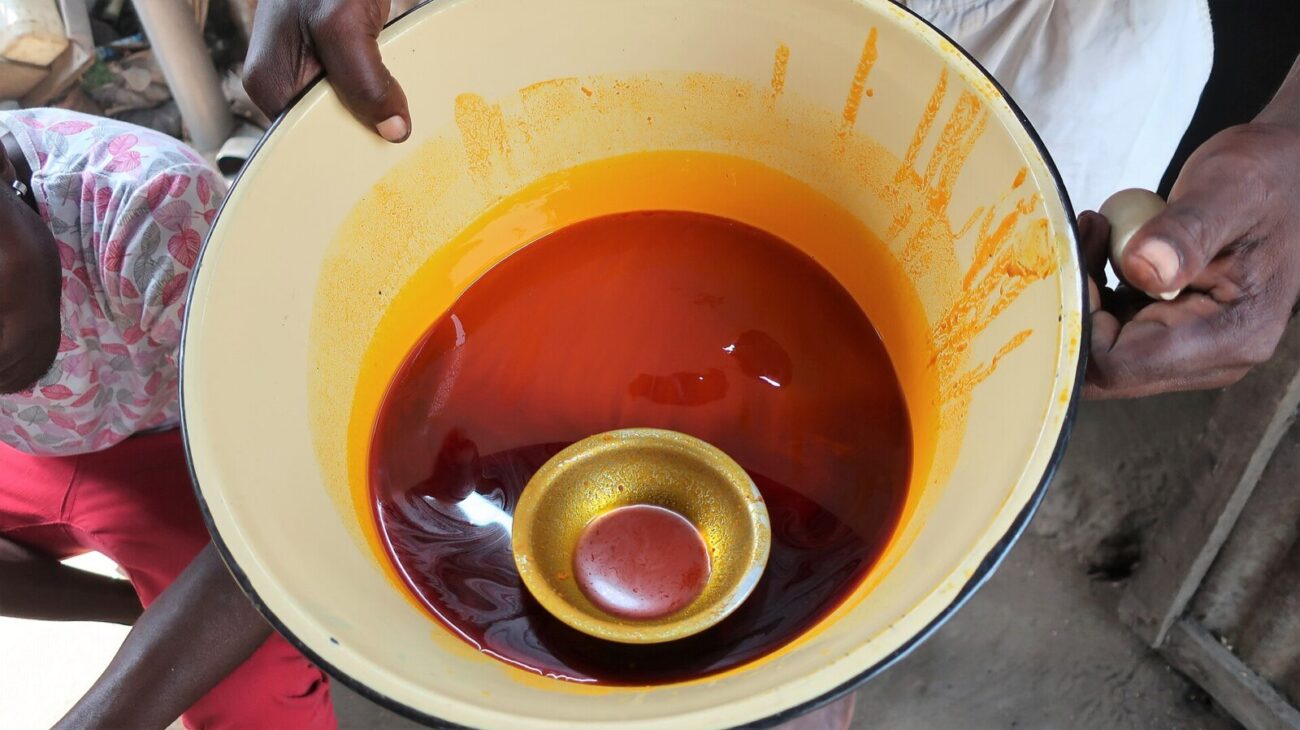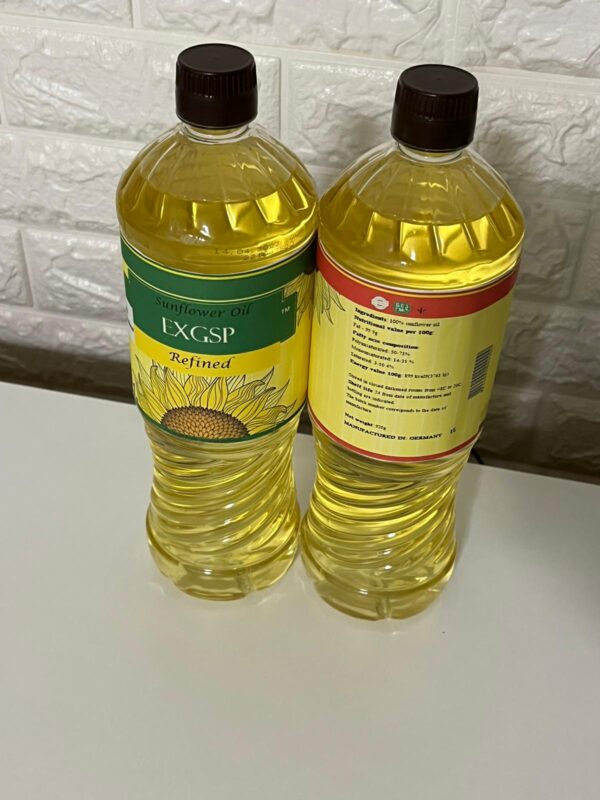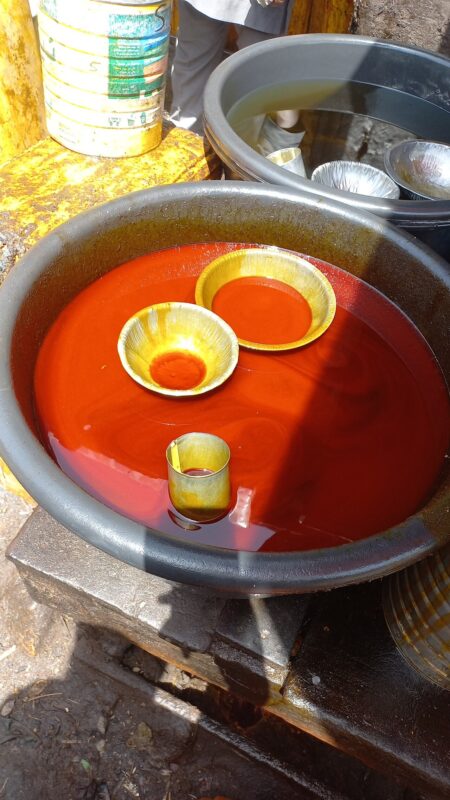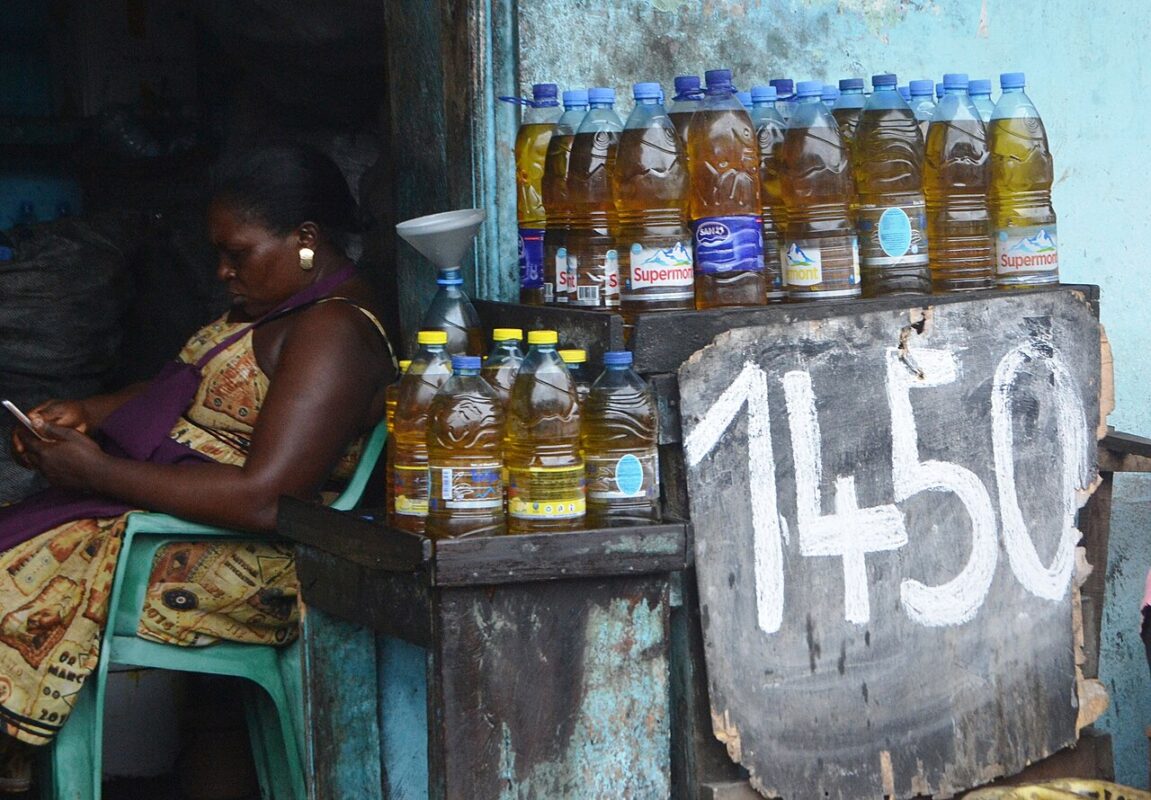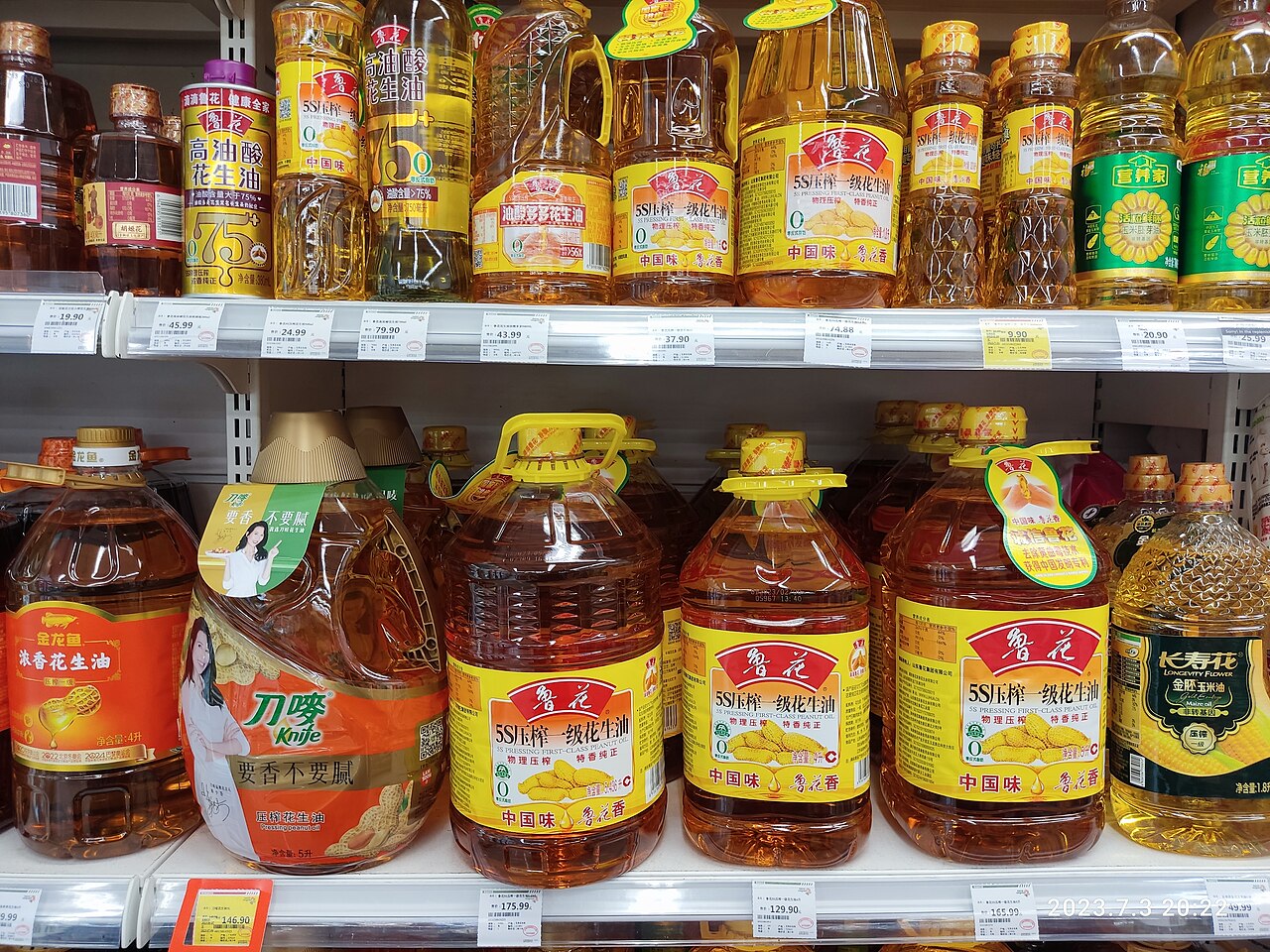
Cooking oil importers in Vietnam feed one of the fastest-growing food markets in Asia. Vietnam’s own oilseed crops cover only a small part of what the country uses, so refiners and packers bring in palm oil, soybean oil, sunflower oil and other oils every week through Cat Lai, Cai Mep and Hai Phong. Demand keeps rising as incomes grow, food processing expands and more people eat out. That’s good news for cooking oil importers in Vietnam.
We’re an edible oil exporter based in Southeast Asia, supplying crude and refined oils to refiners, packers, distributors and food manufacturers in Vietnam and around the world. This guide is written for cooking oil importers in Vietnam, and for anyone planning to start. It covers what the market buys, the specifications we guarantee, packing, the new food safety rules under Decree 46/2026, fortification, duty and Form D, pricing and payment, and how to check a supplier before you pay.
We’re an oil supplier, not a lawyer or customs agent. Vietnamese rules have changed a lot in 2026, and more guidance may follow. Check the current position with your customs broker and the food safety authority before you sign.
Table of Contents
Who the Cooking Oil Importers in Vietnam Are
The trade breaks down into a few groups, and each buys differently:
- Refiners import crude palm oil, crude soybean oil and other crude oils, refine them in Vietnam and sell under their own brands or to packers.
- Packers and brand owners import refined oil in flexitanks or ISO tanks and bottle it locally.
- Distributors bring in ready-packed oil for supermarkets, convenience stores and traditional markets.
- Food manufacturers making instant noodles, snacks, bakery goods and frozen foods buy palm oil, palm olein, shortening and specialty fats.
- Food service suppliers sell jerrycans and tins to restaurants, street food stalls and the fast-growing chain sector.
Instant noodle makers alone use a large share of the palm oil imported into the country. That’s one reason palm products dominate import volumes. Most cooking oil importers in Vietnam handle palm oil first and other oils second.
Why Demand Keeps Growing
A few things keep pushing Vietnam’s oil imports up year after year. Incomes are rising, and families that once bought oil by the ladle in a market now buy branded bottles in convenience stores. The food processing industry is growing fast, both for the home market and for export. And eating out is part of daily life, from street stalls frying spring rolls and banh xeo to fast food chains and bakeries in every city.
Local supply can’t keep up. Vietnam grows some peanuts, sesame and soybeans, and has a small coconut sector, but nowhere near enough to cover what the country uses. Most crude oil for local refineries and most refined oil for packers comes from abroad. That’s why cooking oil importers in Vietnam have become such an important part of the food chain, and why reliable supply matters so much to them.
For a supplier, it also means the market rewards consistency. Buyers here tend to stay with a supplier that delivers the same quality on time, and they drop one quickly after a bad shipment. We’d rather earn a small, steady share of your business for years than chase one big order. That’s how most cooking oil importers in Vietnam prefer to work too.
The Oils We Supply to Vietnam
These are the products most cooking oil importers in Vietnam ask us for:
- RBD palm olein, CP10 and CP8, the main frying oil and the base of many cooking oil blends.
- RBD palm oil and palm stearin for noodles, shortening, margarine and bakery fats.
- Crude palm oil for refiners.
- Refined soybean oil for retail and food service, and crude degummed soybean oil for refiners.
- Refined sunflower and canola oil for the premium end of the supermarket shelf.
- RBD coconut oil for confectionery, bakery and cosmetics.
You can see our product pages for refined palm oil CP10, refined palm oil CP8, crude palm oil, refined soybean oil, refined sunflower oil and refined canola oil.
Specifications We Guarantee
These are our loading specs for the oils cooking oil importers in Vietnam order most. The spec goes into the contract, and your surveyor can check it at loading.
| Parameter | RBD palm olein CP10 | Crude palm oil | Refined soybean oil | Refined sunflower oil |
|---|---|---|---|---|
| Free fatty acid | 0.10% max (as palmitic) | 5.0% max (as palmitic) | 0.10% max (as oleic) | 0.10% max (as oleic) |
| Peroxide value | 2.0 meq O2/kg max | Not specified | 2.0 meq O2/kg max | 2.0 meq O2/kg max |
| Moisture and impurities | 0.10% max | 0.5% max combined | 0.10% max | 0.10% max |
| Colour (Lovibond 5¼ inch) | 3.0 Red max | Not specified | 2.0 Red max | 2.0 Red max |
| Iodine value | 56 min | 50 to 55 | 123 to 139 | 118 to 141 |
| Cloud point / cold test | 10 °C max | Not applicable | 5.5 hours min at 0 °C | 5.5 hours min at 0 °C |
| DOBI | Not applicable | 2.3 min | Not applicable | Not applicable |
| Vitamin A | Fortified on request | Not applicable | Fortified on request | Fortified on request |
For more detail, see our guides to crude palm oil specification, refined soybean oil specification and refined sunflower oil specification. Food manufacturers worried about process contaminants should also read 3-MCPD in palm oil.
Packing Options
Cooking oil importers in Vietnam use the full range of packing:
| Packing | Approximate net per 20 ft container | Typical buyer |
|---|---|---|
| Bulk vessel parcels | Thousands of tons | Large refiners |
| Flexitank | 20 to 22 metric tons | Packers, food factories |
| ISO tank | About 21 to 23 metric tons | Buyers with tank storage |
| Cartons of shortening or stearin | On request | Bakeries, noodle makers |
| Jerrycans 18 to 20 litre | About 17 to 19 metric tons | Restaurants, food service |
| PET bottles 0.4 to 5 litre | About 14 to 17 metric tons | Supermarkets, convenience stores |
Retail packs for Vietnam need Vietnamese labelling. We print private label bottles and cartons with your brand and Vietnamese text. See private label vegetable oil and our comparison of flexitank vs ISO tank.
Food Safety Rules: What Decree 46/2026 Changed
This is the biggest change for cooking oil importers in Vietnam in years. Decree 46/2026, which took effect on 26 January 2026, replaced Decree 15/2018 as the main implementing rule under the Law on Food Safety.
Under the old system, many importers could self-declare their products. The new decree moves to a system where importers file a declaration of applied standards and the authority reviews it before the product goes on sale. Reports on the decree say complete dossiers are reviewed within about 15 working days and are treated as accepted if no changes are requested. In practice, that adds a few weeks to launching a new product, so plan ahead. Cooking oil importers in Vietnam launching new brands should start the declaration early.
A few points that matter for oil:
- Pre-packaged cooking oil for consumers falls under the declaration requirement.
- Raw or semi-finished materials not sold directly to consumers, like crude oil going to a refinery, are generally treated more lightly. Check how your product is classified.
- Import inspection is now risk-based. Document checks are standard. Physical checks and lab tests are triggered by risk factors, such as a new importer or a product with a poor record. Importers with a clean history should see fewer checks over time.
- Documents matter more. Certificates of analysis, health certificates and traceability records help your file go through cleanly.
The Vietnam Food Administration under the Ministry of Health handles food safety. We supply the documents that usually go into a declaration: product specification, certificate of analysis, health certificate, certificate of free sale where needed, label artwork and samples.
Vitamin A Fortification
This is a rule cooking oil importers in Vietnam can’t skip. Vietnam’s rules on food fortification require vegetable oil intended for direct consumption to be fortified with vitamin A. Oil going to food manufacturers as an ingredient is generally treated differently, but retail cooking oil is covered.
For cooking oil importers in Vietnam, that means:
- Tell your supplier the oil is for the Vietnamese retail market before production.
- Agree the vitamin A level, with headroom for losses during shipping and storage.
- Ask for the measured level on the certificate of analysis.
- Make sure the label declares the fortification correctly.
We fortify on request and test before loading. Many cooking oil importers in Vietnam ask for the vitamin A result on every certificate. If you refine and fortify in Vietnam yourself, we’ll ship crude or unfortified oil instead.
Duty, Form D and Trade Agreements
Vietnam is part of ASEAN, so palm oil and many other oils from ASEAN countries can enter at zero or very low duty under the ASEAN Trade in Goods Agreement, with a valid Form D certificate of origin. That’s a big reason most of Vietnam’s palm oil comes from Malaysia, Indonesia and Thailand.
Vietnam also has trade agreements with many other partners, including deals that cover South American, European and other origins, so the duty on soybean or sunflower oil depends on where it comes from and which certificate of origin you hold. Check the current rates with Vietnam Customs or your broker before you buy.
When we ship from an ASEAN origin, we issue Form D. Getting the origin paperwork right is one of the easiest ways to save money, and one of the easiest to get wrong. Cooking oil importers in Vietnam lose more money to missing Form D papers than to almost anything else. Our guides to the palm oil HS code, soybean oil HS code and sunflower oil HS code cover classification.
Ports and Logistics
For most cooking oil importers in Vietnam, the oil lands at one of these ports:
- Ho Chi Minh City (Cat Lai) and Cai Mep–Thi Vai in the south, where many refiners and packers are based.
- Hai Phong in the north, serving Hanoi and the northern provinces.
- Da Nang for central Vietnam.
Transit from Malaysian, Indonesian or Thai ports is short, often under a week to ten days. That keeps freight low and the oil fresh. It’s a big advantage for cooking oil importers in Vietnam buying within ASEAN. Oils from South America or the Black Sea take several weeks longer.
How Pricing Works
Cooking oil importers in Vietnam watch the palm oil market closely, because it sets the tone for almost every oil in Asia. What moves your price:
- Malaysian and Indonesian palm oil prices, including export levies and biodiesel policy in Indonesia.
- Soybean oil prices in the US and South America.
- The dong exchange rate.
- Freight to your port.
- Packing, since bottles cost far more per ton than bulk.
We quote per metric ton, FOB, CFR or CIF your port, usually valid for 48 to 72 hours. For more on what moves palm prices, see palm oil wholesale price factors and crude palm oil price per ton.
Payment Terms
For first orders from cooking oil importers in Vietnam, we work with an irrevocable letter of credit at sight, or a deposit with the balance against copy documents after inspection. Regular customers can move to simpler terms over time. See letter of credit vs TT payment for the trade-offs.
North vs South: Choosing the Right Palm Olein
Vietnam is long, and the weather at each end is very different. Ho Chi Minh City is warm all year, so standard CP10 palm olein stays clear on most shelves. Hanoi and the northern provinces get properly cold in winter, and CP10 olein can turn cloudy or start to set in the bottle. Shoppers often read that as poor quality, even though nothing is wrong with the oil.
That’s why many cooking oil importers in Vietnam who sell in the north choose CP8 palm olein, which has a lower cloud point, or blend palm olein with soybean or sunflower oil for the winter months. Some brands switch blends by season. Cooking oil importers in Vietnam selling nationwide often keep two grades in stock. If you sell nationwide, tell us where the oil is going and we’ll suggest a grade. Our guides to CP8 vs CP10 palm oil and why palm oil solidifies explain the science in plain terms.
Supplying Noodle, Snack and Bakery Makers
Food factories are a big part of the import picture. Instant noodle makers fry huge volumes of noodles and need a fat that’s stable, cheap and consistent from one shipment to the next. Snack and bakery makers need specific melting points for texture. For these buyers we supply RBD palm oil, palm olein and palm stearin to tight specs, with the slip melting point and iodine value written into the contract.
If you’re one of the cooking oil importers in Vietnam serving factories, consistency matters more than anything. A change in fat behaviour can stop a production line. We keep the same refinery and spec for regular customers wherever possible and tell you in advance if anything changes. For more on how palm fractions differ, see palm stearin vs palm olein and refined palm oil applications in food industry.
Where Our Oil Comes From
Most of the palm products we ship to Vietnam are refined in Southeast Asia, just a few days’ sailing away. That keeps freight low, lets us issue Form D, and means the oil arrives fresh. Soybean, sunflower and canola oil come from the major crushing countries for those oils.
We write the origin and producing plant into every contract. For buyers who need certified sustainable palm oil, especially those supplying multinational food brands or exporting finished products to Europe, we can supply RSPO certified sustainable palm oil. Halal-certified oil is available too, which matters if you export food to Muslim-majority markets. See halal certified palm oil supplier.
A Typical Order, Step by Step
Here’s how an order usually runs for cooking oil importers in Vietnam buying from us:
- You send the basics. Product, packing, quantity, port, labelling needs and whether you need vitamin A and Form D.
- We quote, usually the same day, with the spec and offer validity.
- Contract and payment. We send the contract and pro forma invoice. You arrange the letter of credit or deposit.
- Labels and declarations. For retail packs, we send Vietnamese label proofs and the documents you need for your food safety declaration.
- Production and filling. Bulk usually takes two to three weeks. Private label packs take three to four weeks if new labels are printed.
- Inspection and loading. An independent surveyor samples the oil and checks the quantity.
- Documents. Copies go out as soon as the vessel sails, including Form D. Originals follow by courier or through the bank.
- Arrival and clearance. Your broker clears the cargo and handles any inspection.
Storage and Shelf Life
Heat and humidity in the south, and cold winters in the north, both affect cooking oil. Heat speeds up oxidation and shortens shelf life. Cold makes palm-based oil cloudy. A few habits help:
- Clear containers quickly from the port.
- Store oil in a shaded, ventilated warehouse, off the floor and out of direct sun.
- Rotate stock, first in, first out.
- For bulk tanks, avoid copper and brass fittings and keep tanks closed.
Our guide on refined palm oil storage and handling has more detail for tanks and drums.
How Cooking Oil Importers in Vietnam Should Check a Supplier
Fake offers are common in the edible oil trade, and cooking oil importers in Vietnam get their share. Before you pay any new supplier:
- Check the company is real, with a registered name, address, working phones and a track record.
- Ask for a recent certificate of analysis from an actual shipment, with a lab name, date and batch number.
- Insist on independent inspection at loading. See pre-shipment inspection for edible oil.
- Check they understand Form D and Vietnamese labelling. A supplier who doesn’t hasn’t shipped much to Vietnam.
- Be careful with prices far below the market.
Our guide on how to spot a fake vegetable oil supplier explains the usual tricks.
Common Mistakes We See
These come up again and again with cooking oil importers in Vietnam:
Planning under the old rules. Decree 46/2026 changed how pre-packaged food is declared. Importers who assume self-declaration still works can find a launch delayed by weeks.
Missing Form D. ASEAN oil shipped without a proper Form D pays full duty. Check the origin paperwork before the vessel sails.
The wrong grade for the north. CP10 olein sold in Hanoi in January can look cloudy and get returned. Choose CP8 or a blend for cold months.
Unfortified retail oil. Oil for direct consumption needs vitamin A. Agree it in the contract.
Labels that don’t match the oil. If the label says pure soybean oil and the lab finds a blend, you’ll have problems with inspectors and customers.
Frequently Asked Questions
What did Decree 46/2026 change for cooking oil importers in Vietnam?
It replaced Decree 15/2018 from 26 January 2026. Pre-packaged foods now need a declaration of applied standards reviewed by the authority, and import inspection is risk-based.
Does cooking oil in Vietnam have to be fortified?
Vegetable oil for direct consumption must be fortified with vitamin A. Oil used as an industrial ingredient is generally treated differently.
Do you issue Form D?
Yes, for oil shipped from an ASEAN origin, so you can claim the preferential duty rate.
What is your minimum order?
One 20 foot container. Larger parcels are available for refiners.
Can you print Vietnamese labels?
Yes. We print private label bottles and cartons with Vietnamese text and your importer details.
Which ports do you ship to?
Cat Lai, Cai Mep, Hai Phong and Da Nang, among others.
Get a Quote for Your Vietnam Shipment
If you’re one of the cooking oil importers in Vietnam looking for a supplier who puts the spec in writing, handles Form D and prints Vietnamese labels, send us the product, packing, quantity and port. We’ll come back with a price, the full specification and a recent certificate of analysis.
Email info@dthcompanyltd.com, WhatsApp +66 91 765 9104, or use our contact page. You can also look at our products, read about us, or see our guides for a cooking oil supplier Philippines buyers use and EUDR palm oil compliance.