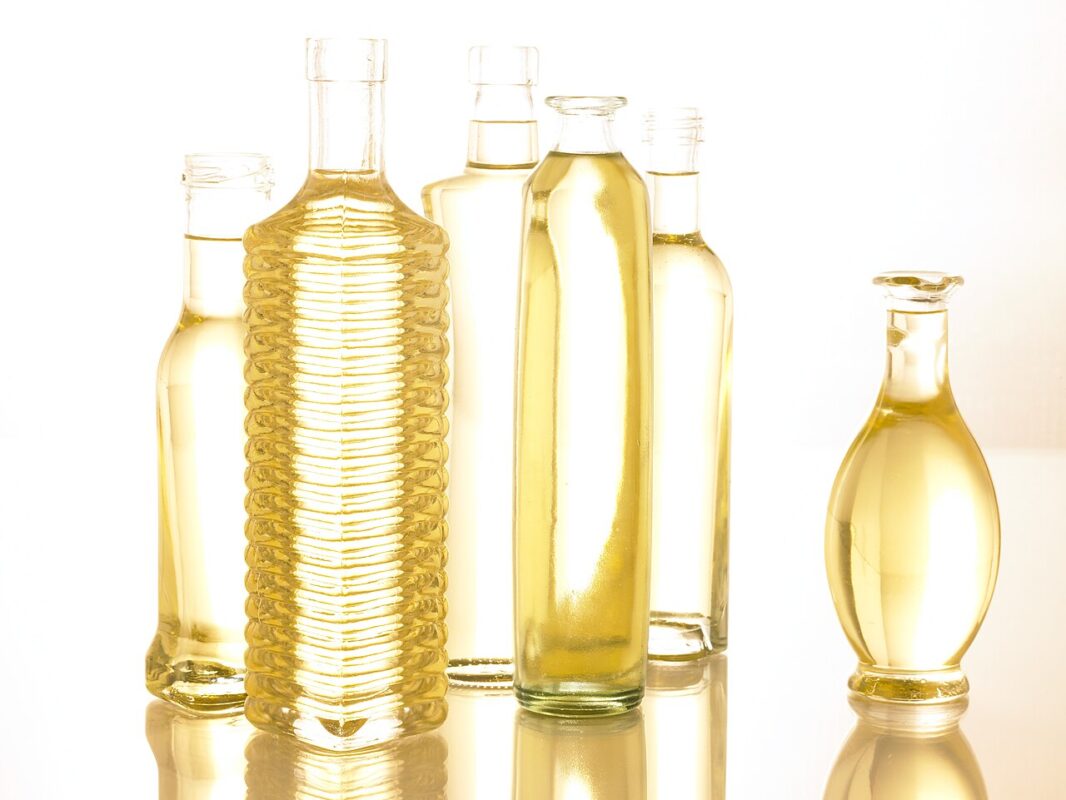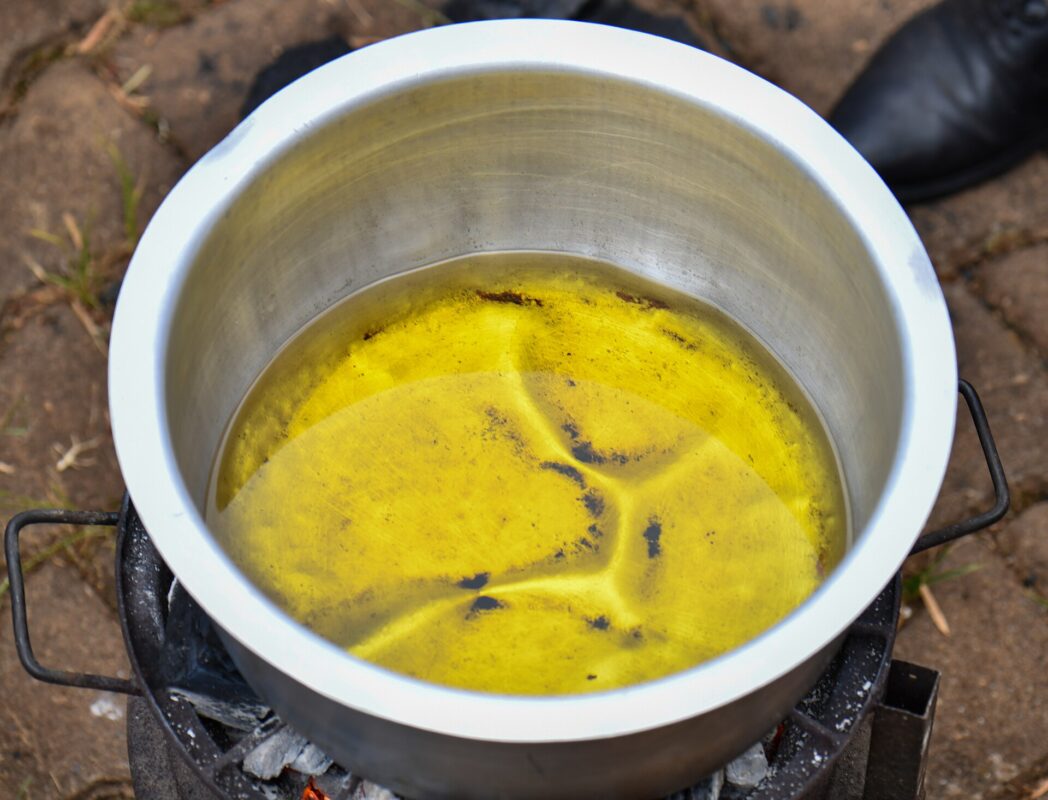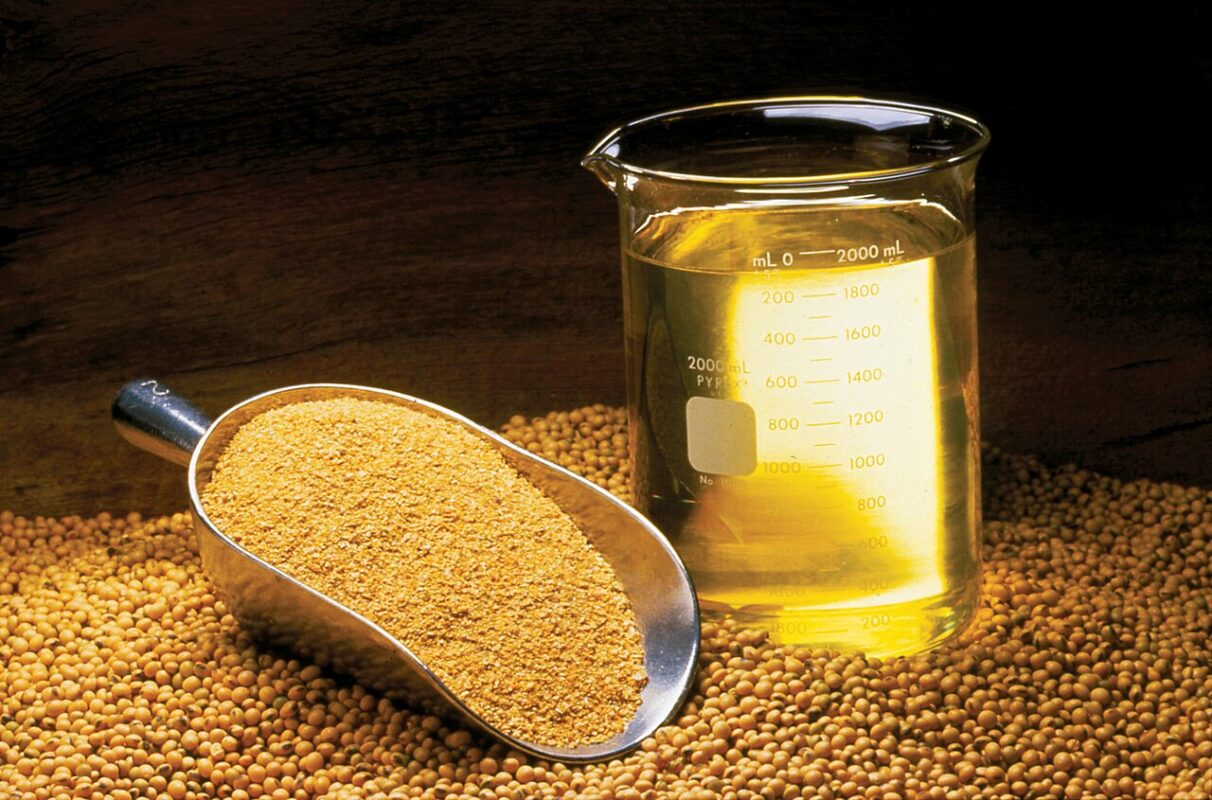
Walk through almost any food factory and you’ll find soybean oil somewhere on the line. It’s in the fryer at the snack plant, the mixer at the mayonnaise plant, the dough at the bakery and the tank at the margarine plant. We supply soybean oil for food processing to factories worldwide, in bulk and in packs, in the grades each application needs. This page is written for production managers, purchasing teams and food technologists who want to know what we sell, the specifications, which grade suits which product, and how supply works.
No hype. Just the details we’d want if we were on your side of the table.

Table of Contents
Why Factories Choose Soybean Oil for Food Processing
There are good reasons soybean oil for food processing is one of the most used ingredients in the industry.
It’s neutral. Properly refined soybean oil has almost no taste or smell, so it doesn’t fight with the flavours you’ve built into your product.
It’s liquid. At room temperature and in a cold store, standard refined soybean oil stays pourable and pumpable. Winterized grades stay clear even in a fridge.
It’s available. Soybeans are the world’s biggest oilseed crop. Supply is deep and steady compared with many other oils, which matters when you’re running a plant 300 days a year.
It’s fairly priced. It’s usually one of the more affordable liquid oils, and it trades in a big, liquid market, so you can plan costs.
It’s flexible. With different grades, regular, winterized, high oleic, or blended, one oil family covers frying, emulsions, baking and blending.
For a quick overview of the oil itself, see our soybean oil page or the soybean oil article on Wikipedia.
Grades of Soybean Oil for Food Processing We Supply
Different products need different oils. Here’s what we offer.
Refined soybean oil (RBD)
Our standard grade. Fully refined, bleached and deodorized. Good for general frying, baking, blending and as a base oil. See refined soybean oil for sale.
Winterized refined soybean oil
Chilled and filtered to remove the small amount of waxes and higher melting fats that can make oil cloudy in the cold. Best for mayonnaise, dressings, sauces and anything stored chilled.
High oleic soybean oil
Bred for 70% plus oleic acid and very low linolenic acid. Much more stable in the fryer and on the shelf. Ideal for snack frying and long shelf life foods. See our high oleic soybean oil page.
Non-GMO refined soybean oil
Identity preserved oil with non-GMO certificates, for brands and markets that need it.
Fortified soybean oil
Vitamin A and D fortified oil, for countries where fortification is required by law, and for food programmes.
Specification of Our Soybean Oil for Food Processing
This is the standard specification for our refined grade. Every lot of soybean oil for food processing ships with a certificate of analysis.
| Parameter | Refined | Winterized | High oleic |
|---|---|---|---|
| Free fatty acid (as oleic) | 0.1% max | 0.1% max | 0.05% max |
| Peroxide value at loading | 2.0 meq/kg max | 2.0 meq/kg max | 1.0 meq/kg max |
| Moisture and volatiles | 0.05% max | 0.05% max | 0.05% max |
| Colour (Lovibond 5.25 inch) | 2.0 R max | 2.0 R max | 1.5 R max |
| Iodine value | 124 to 139 | 124 to 139 | About 80 to 95 |
| Cold test at 0 C | Not specified | 5.5 hours min | Not specified |
| Oleic acid | 17 to 30% | 17 to 30% | 70% min |
| Linolenic acid | 4.5 to 11% | 4.5 to 11% | 3% max |
| Smoke point | About 230 C | About 230 C | About 230 to 240 C |
| Odour and taste | Bland | Bland | Bland |
Our numbers sit within the Codex standard for soybean oil, which you can find on the Codex Alimentarius site. For a deeper look at each parameter, read the refined soybean oil specification guide.
Matching the Grade to Your Product
Here’s how we’d match soybean oil for food processing to the most common factory uses. Treat it as a starting point; your own trials should have the final word.
| Application | Recommended grade | Why |
|---|---|---|
| Mayonnaise and dressings | Winterized refined | Stays clear and stable in the fridge |
| Potato chips and extruded snacks | High oleic | Long fry life, longer shelf life |
| Instant noodles | Refined, often blended with palm | Neutral, cost effective |
| Bakery doughs and cakes | Refined | Neutral, liquid, easy to dose |
| Doughnut frying | High oleic or refined | Stability and clean taste |
| Margarine and spreads (liquid phase) | Refined or high oleic | Blends well with hard stocks |
| Canned fish and vegetables | Refined | Neutral filling oil |
| Frozen par fried foods | High oleic | Fry stability, less rancidity in storage |
| Sauces and ready meals | Refined | Neutral, cost effective |
| Spray oil on crackers | High oleic | Resists rancidity on the shelf |
If you’d like more depth on any of these, our article on soybean oil uses in food manufacturing goes product by product.
Soybean Oil for Food Processing in Frying Lines
Frying is where most soybean oil for food processing ends up. In a continuous fryer, oil is absorbed into the product and topped up all the time, so the turnover is high and the oil stays fairly fresh. In batch fryers the oil works longer and has more time to break down.
Regular refined soybean oil works well where turnover is high and shelf life is short. Where the oil has to work long hours, or the product has to stay fresh for months, high oleic oil usually pays for itself. We’ve written about this in high oleic soybean oil for commercial frying and best oil for potato chips manufacturing. The cooking oil smoke point chart is also handy for your QA team.
Soybean Oil for Food Processing in Emulsions
Mayonnaise, salad dressings and many sauces are oil in water emulsions, often 65 to 80% oil. The oil has to be clear, bland, and stable in the cold. Winterized soybean oil is the standard choice. Without winterization, a jar of mayonnaise in a fridge can show a grainy texture or even break as small crystals form.
We also supply sunflower and canola oils for emulsions, so if you’re comparing, see sunflower oil for mayonnaise manufacturing and canola oil for mayonnaise manufacturing.
Soybean Oil for Food Processing in Bakery
Bakeries use liquid oil in cakes, muffins, breads, some cookies, and as a release or pan oil. Refined soybean oil is easy to pump and dose, and its neutral taste suits sweet and savoury products. For laminated doughs like croissants and puff pastry you’ll still need a solid fat, and for some biscuits palm or coconut gives better texture. If that’s you, see our guide on coconut oil for bakery and confectionery.
Soybean Oil for Food Processing in Margarine and Blends
Margarine and shortening makers blend liquid oil with harder fats like palm stearin or interesterified fats. Soybean oil is a common liquid phase because it’s affordable, neutral and plentiful. High oleic soybean oil is gaining ground here too, because it improves stability without adding saturated fat. Our pages on refined palm oil and refined palm oil applications cover the hard stock side.
Packing Options for Factories
How you receive soybean oil for food processing depends on your plant.
| Packing | Typical quantity | Best for |
|---|---|---|
| Flexitank | 20 to 22 MT per 20ft | Factories with bulk storage tanks |
| ISO tank | 20 to 24 MT | Regular deliveries, food grade lanes |
| IBC totes | About 900 to 950 kg | Plants without bulk tanks |
| Drums | About 190 kg | Small lines, R&D, pilot plants |
| Jerrycans and bag in box | 18 to 20 L | Small kitchens, central kitchens |
If you’re unsure, read flexitank vs ISO tank. For load planning, how much oil fits in a 20ft container helps.
Soybean Oil for Food Processing in Noodles, Canning and Ready Meals
Instant noodle plants fry noodle blocks at high speed, and the oil makes up a big share of the finished weight. Many plants use palm olein for this, but a lot of them blend in refined soybean oil to soften the texture, lower saturated fat on the label, or manage cost when palm prices jump. Our article on palm oil for instant noodle manufacturing covers the palm side; soybean fits in as the liquid partner.
Canneries use soybean oil for food processing as the filling oil in tuna, sardines and some vegetables. Here the oil has to be bland, clear and stable through retort heating, and it has to stay that way for years in the can. A fresh, low peroxide refined oil matters more here than almost anywhere else, because any off flavour gets locked in.
Ready meal and sauce factories use it for sautéing, as an ingredient in sauces and as a carrier for spices. It’s rarely the star of the recipe, but a stale or tainted oil will ruin the whole batch, so consistency counts.
Blending Soybean Oil With Other Oils
Plenty of factories don’t use a single oil. They blend. Soybean oil for food processing often goes into blends with palm olein for frying, with sunflower or canola for dressings, or with hard fats for margarine. Blending lets you balance cost, stability, texture and the nutrition panel.
We can supply blended oils made to your recipe, or deliver each oil separately so you blend in your own plant. Separate oils give you more control; pre blended oil saves tank space. Because we also supply refined sunflower oil, refined canola oil and palm grades, it’s easy to put a mixed programme together under one contract. If you’re comparing soybean oil with its main rivals, read soybean oil vs sunflower oil and canola oil vs soybean oil.
Handling Soybean Oil for Food Processing Inside the Plant
Good oil can still be spoiled inside the factory. Most of the problems we’re asked about trace back to handling, not to the oil itself. A few habits make a real difference:
- Clean tanks and lines. Old oil left in a tank or pipe will oxidize and taint fresh oil. Drain and clean before a new delivery goes in.
- No copper or brass. These metals speed up oxidation. Use stainless steel wherever oil touches metal.
- Protect from air and light. Keep tanks closed. Large tanks benefit from a nitrogen blanket.
- Moderate temperature. Soybean oil doesn’t need heating in most climates. Don’t store it next to ovens or boilers.
- First in, first out. Use the oldest oil first and don’t top up an old tank with new oil if you can avoid it.
- Sample and record. Keep a sample from each delivery and note which batches of product it went into. If a customer complains, you can trace it.
These steps cost almost nothing and they protect every ton of soybean oil for food processing you buy.
Quality Problems Factories Run Into
Here are the problems production teams call us about most, and what usually causes them.
Cloudy oil in cold storage. Usually the oil wasn’t winterized. If your product is chilled, order the winterized grade.
Fishy or painty smell after frying. Typical of linolenic acid breaking down in a hot fryer, especially if the oil is used too long. Better fryer management helps; switching to high oleic oil fixes it for good.
Foaming in the fryer. Usually a sign the oil is worn out, or that soap or detergent residue got in during cleaning. Rinse fryers well after cleaning.
Short product shelf life. Often linked to high peroxide at the start, or to oil that sat too long in a warm store. Check the COA on arrival and store properly.
Dark colour in fried food. Old oil, too much food debris, or a fryer running too hot. Filter daily and keep the temperature in range.
When a problem does come up, send us the lot number, a photo, and a sample if you can. We’ll compare it with our retained sample and tell you straight what we think happened.
Documents With Every Delivery
Every shipment of soybean oil for food processing comes with a full document set:
- Certificate of analysis for the lot
- Commercial invoice, packing list and bill of lading
- Certificate of origin
- Health certificate where required
- Halal certificate, and kosher on request
- Non-GMO certificate when ordered
- Independent inspection report if you appoint a surveyor
For country specific requirements, our list of documents required to import vegetable oil is a good checklist.
Why Source Soybean Oil for Food Processing From Thailand
Thailand is one of Asia’s main food processing hubs, and its refineries are built to supply factories that are audited by global brands. That culture carries over into export: proper COAs, retained samples, food safety certificates and clean paperwork are normal. Thai ports have frequent sailings across Asia, the Middle East, Africa, Oceania and further afield. And because we supply several oils, a factory can source its soybean, palm, sunflower, canola and coconut oil through one partner. More on that in edible oil manufacturer Thailand.
Food Safety and Certification
Food factories are audited, so their suppliers need to be ready for audits too. The refineries behind our soybean oil for food processing hold food safety certificates such as GMP, HACCP, ISO 22000 or FSSC 22000, along with halal certification. Kosher is available on request.
We also support your supplier approval process: questionnaires, allergen statements, GMO statements, specifications, safety data sheets, and contaminant test results such as heavy metals, pesticide residues, PAH, and 3-MCPD and glycidyl esters. If your customers are retail chains with strict standards, tell us early so we can send the right paperwork. More background in ISO 22000 certified edible oil exporter and HACCP certified cooking oil manufacturer.
A Note on Allergens
Food technologists often ask us about allergens before approving soybean oil for food processing in a new product. Highly refined soybean oil is generally treated differently from soy protein in allergen rules, because refining removes almost all of the protein. In several major markets, including the EU and the US, fully refined soybean oil is exempt from soy allergen labelling. Rules still vary by country, and cold pressed or unrefined soybean oil is not covered by those exemptions. Check your own labelling law, and if you need an allergen statement from us, ask.
Pricing Soybean Oil for Food Processing
Soybean oil prices follow the world market every day, so we quote on request rather than listing prices. Things that shape a quote for soybean oil for food processing:
- Grade (refined, winterized, high oleic, non-GMO)
- Packing (flexitank is cheapest per ton; IBCs and drums cost more)
- Volume and contract length
- Destination and Incoterm, see the ICC Incoterms rules
- Payment terms
For a general idea, read soybean oil price per ton. Many factories prefer a contract with a monthly price review or a price linked to a market index, so they can budget without surprises.
How We Supply Food Factories
Factories need consistency more than anything, and that’s the real test of any supplier of soybean oil for food processing. One off spec delivery can stop a line or spoil a batch. Here’s how we work to avoid that:
- We agree a written specification with your QA team before the first order.
- We send a sample from the lot we plan to load.
- Every delivery has its own COA, checked against your spec before loading.
- Retained samples from every lot are kept for at least six months.
- We plan a delivery schedule around your production and storage.
- If something goes wrong, you deal with one contact who has the authority to fix it.
7 Proven Tips for Buying Soybean Oil for Food Processing
1. Match the grade to the job
Don’t pay for high oleic where refined will do, and don’t save money on refined where high oleic would last twice as long.
2. Write your QA spec into the contract
FFA, peroxide, colour, cold test, fatty acid profile. Put the numbers in writing.
3. Test samples in your own process
Fry, emulsify or bake with the sample. Check taste after heating and after storage. Here’s how to request edible oil samples.
4. Check every delivery
Take a sample on arrival and compare it with the COA. Our guide on the certificate of analysis for edible oil shows what to look for.
5. Store oil properly
Even the best soybean oil for food processing goes off in a bad store. Clean, sealed tanks, away from heat and light. First in, first out. Read shelf life of soybean oil for storage tips.
6. Watch for adulteration
Cheap oil can be mixed or recycled. See how to detect adulterated cooking oil.
7. Build a relationship, not just a purchase order
A supplier who knows your plant will flag problems before they reach you. We’ve supplied some factories for years, and the best results always came from talking regularly: about next quarter’s volumes, about new products in development, about anything that changed on the line. If you’re launching a new product, involve us early. We can suggest the right grade of soybean oil for food processing, send trial samples, and make sure supply is lined up before launch day rather than after.
Frequently Asked Questions
Which soybean oil for food processing is best for frying?
For heavy, long frying or long shelf life products, high oleic. For high turnover frying with short shelf life, refined soybean oil is fine.
Is your soybean oil food grade?
Yes. All our refined grades are food grade and meet Codex standards.
Can you supply non-GMO soybean oil for food processing?
Yes, with identity preserved documents. See GMO vs non-GMO soybean oil.
What is the minimum order?
One 20ft container. See minimum order quantity for bulk cooking oil.
Do you ship worldwide?
Yes, to most main ports in Asia, the Middle East, Africa, Europe, the Americas and Oceania.
Can you send a specification and SDS for supplier approval?
Yes. We send full specifications, SDS and certificates on request.
Order Soybean Oil for Food Processing
Tell us your product, grade, monthly volume, packing, destination port and Incoterm. We’ll send a written offer for soybean oil for food processing, a COA and the documents your QA team needs, usually within one working day. You can read more about us or see our full product list.
Email info@dthcompanyltd.com, call or WhatsApp +66 91 765 9104, or use our contact page.