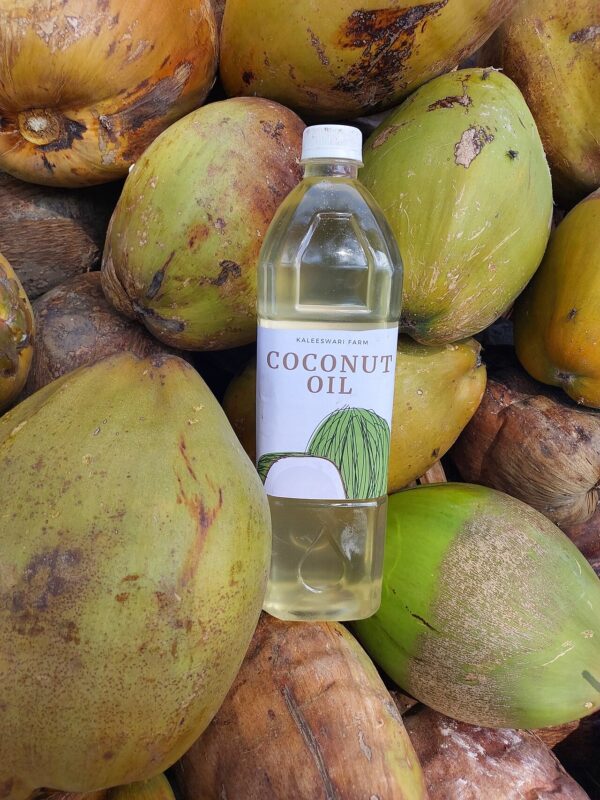
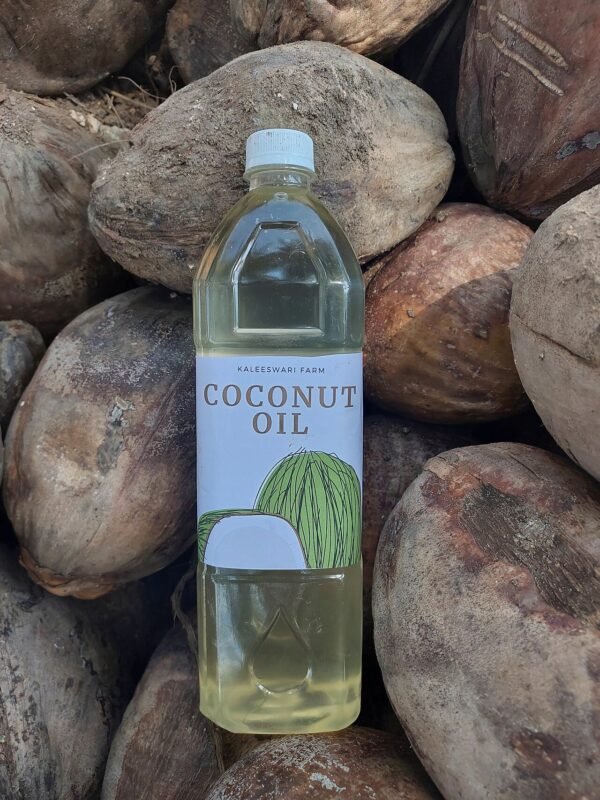
If you buy coconut oil by the container, you’ve probably noticed that a lot of good oil comes out of Thailand. We’re part of that. Thai coconut oil export is a big piece of what we do at DTH Company, and this page is our offer to importers, refiners, food factories, cosmetic makers and distributors anywhere in the world. Below you’ll find the grades we sell, the full specs, how we pack and ship, what drives the price, and the checks we’d tell any buyer to make before wiring money to a supplier, us included.
We’ve written it the way we’d explain it on a call. No fluff. If something here doesn’t answer your question, email us and we’ll answer it properly.
Table of Contents
Why Buyers Look at Thai Coconut Oil Export First
Thailand isn’t the biggest coconut grower in the world. The Philippines and Indonesia produce more. So why do so many buyers start with Thai coconut oil export when they shop around?
A few plain reasons. Thai mills and refineries tend to be modern and well run. Food safety systems like GMP, HACCP and ISO 22000 are normal here, not a special request. Ports like Laem Chabang and Bangkok are busy and well connected, so finding space on a vessel to Europe, the Middle East, Africa, the Americas or the rest of Asia isn’t usually a fight. And Thai paperwork, from the phytosanitary side to the certificate of origin, is predictable. When you’ve had a shipment stuck at your port because one document had the wrong HS code, predictable starts to look very attractive.
There’s also the taste and smell side. Coconuts from the southern provinces, around Prachuap Khiri Khan, Chumphon and Surat Thani, give a clean, sweet oil when they’re handled properly. That matters a lot for virgin coconut oil, and it still shows up in a well refined RBD oil.
So that’s the case for Thai coconut oil export in general. If you want background on the oil itself, the coconut oil overview on Wikipedia is a decent start. The rest of this page is about what we, specifically, can load for you.
Coconut Oil Grades We Sell for Export
We supply three main grades. Most buyers need one of them; some take two.
RBD coconut oil
Refined, bleached and deodorized. It’s white when solid, water clear when melted, and has almost no smell or taste. This is the workhorse grade for food factories, bakeries, confectionery, non dairy creamers, frying fats, soap and a lot of personal care. If you aren’t sure which grade you need, it’s usually this one. We have a dedicated page for our RBD coconut oil for sale if you want the short version.
Virgin coconut oil (VCO)
Pressed from fresh coconut meat, not dried copra, and never refined. It keeps the coconut aroma and flavour. Buyers use it for health food brands, retail jars, premium cosmetics, hair oil and some specialty baking. It costs more than RBD, and for good reason; the process is slower and the yield is lower. See our virgin coconut oil page and our longer guide on virgin coconut oil wholesale from Thailand.
Crude coconut oil (CNO)
Pressed from copra and shipped as it is, yellow to brownish, with higher free fatty acids. It’s the smallest part of our Thai coconut oil export volume, but an important one. Refiners and oleochemical plants buy it as feedstock. If you run your own refinery, crude is usually the cheapest way in. More on that on our crude coconut oil page.
Specifications for Our Thai Coconut Oil Export Grades
Here are the numbers we load against. Every Thai coconut oil export lot we ship goes out with a certificate of analysis from the refinery lab, and you can have an independent surveyor test it too.
| Parameter | RBD coconut oil | Virgin coconut oil | Crude coconut oil (CNO) |
|---|---|---|---|
| Free fatty acid (as lauric) | 0.1% max | 0.2% max | 4.0% max (lower on request) |
| Moisture and impurities | 0.1% max | 0.1% max | 0.5% max |
| Peroxide value | 1.0 meq/kg max at loading | 3.0 meq/kg max | Not specified |
| Iodine value (Wijs) | 7 to 11 | 4 to 11 | 7 to 12 |
| Saponification value | 248 to 265 mg KOH/g | 250 to 265 mg KOH/g | 248 to 265 mg KOH/g |
| Colour (Lovibond 5.25 inch cell) | 1.5 Red max | Water white to clear | 11 Red max |
| Melting point | 24 to 26 C | 24 to 26 C | 24 to 26 C |
| Odour and taste | Bland, neutral | Mild fresh coconut | Typical crude |
And the fatty acid profile, which is what makes coconut oil behave like coconut oil:
| Fatty acid | Typical range |
|---|---|
| Caproic C6:0 | 0.4 to 0.6% |
| Caprylic C8:0 | 5 to 9% |
| Capric C10:0 | 5 to 8% |
| Lauric C12:0 | 45 to 53% |
| Myristic C14:0 | 16 to 21% |
| Palmitic C16:0 | 7.5 to 10% |
| Stearic C18:0 | 2 to 4% |
| Oleic C18:1 | 5 to 8% |
| Linoleic C18:2 | 1 to 2.5% |
These ranges sit inside the Codex standard for named vegetable oils. If you want to read the standard yourself, the Codex Alimentarius site has it, and we’ve also written a plain English summary of the Codex standard for named vegetable oils. The high lauric acid level is the reason coconut oil lathers so well in soap and sets so cleanly in confectionery. We go into that in our piece on lauric acid in coconut oil.
For the full RBD sheet, see our RBD coconut oil specification. For VCO, there’s a separate virgin coconut oil specification, and crude buyers can check the crude coconut oil specification.
Packing Options for Thai Coconut Oil Export
How the oil travels matters as much as what’s in it. Coconut oil goes solid below about 24 C, so packing has to suit both the trip and your unloading set up.
| Packing | Net per unit | Approx. per 20ft container | Best for |
|---|---|---|---|
| Flexitank | 20 to 22 MT | 20 to 22 MT | Refiners, big food plants with heating |
| ISO tank | Up to about 22 MT | One tank | Repeat bulk, food grade lanes |
| Steel or HDPE drums | 185 to 190 kg | 80 drums, about 15 MT | Cosmetic and mid sized factories |
| IBC totes | 900 to 950 kg | 18 to 20 totes | Plants with forklifts, no heating tank |
| Jerrycans | 18 to 20 L | Depends on stacking | Bakeries, distributors |
| Retail jars and bottles | 250 ml to 1 L | Depends on pack | Private label, supermarkets |
Flexitanks for coconut oil normally come with a heating pad so the oil can be warmed and pumped out at your end. If you’ve never unloaded a flexitank, our guide on flexitank vs ISO tank covers the practical side, and how much cooking oil fits in a 20ft container helps with load planning.
One honest tip. If your plant has no heating, don’t take a flexitank to save a few dollars per ton. Take drums or IBCs. We’ve seen buyers spend more on improvised heating than they saved on freight.
What Drives the Price of Thai Coconut Oil Export
We can’t give you one fixed price on a web page. Coconut oil moves with the copra market, and that moves with weather, harvests in the Philippines and Indonesia, and demand from the oleochemical industry. What we can tell you is what goes into a Thai coconut oil export quote, so you can compare offers fairly.
- Grade. VCO costs the most, then RBD, then crude.
- Packing. Bulk flexitank is the cheapest per ton. Drums, IBCs and retail packs add cost for the container and the filling.
- Volume and frequency. A contract for one container a month gets a better price than a single spot load.
- Incoterm. FOB Thai port, CFR or CIF your port. Freight to West Africa is not the same as freight to Rotterdam or Los Angeles.
- Certificates. Organic, halal and kosher are available, and some add small costs.
- Payment terms. LC terms and TT terms are priced a little differently because of bank costs and risk.
For a feel of the market, read our breakdown of coconut oil price per ton and the crude coconut oil price per ton. If you’re not sure which Incoterm suits you, the ICC Incoterms rules are the reference, and our article on CIF vs FOB for vegetable oil puts it in plain terms.
Who Buys Our Thai Coconut Oil Export
Our Thai coconut oil export customers fall into a handful of groups. Seeing where you fit helps us quote faster.
Food manufacturers. Biscuit and cracker plants, chocolate and compound coating makers, ice cream and frozen dessert producers, non dairy creamer plants, instant noodle factories and snack makers. They mostly take RBD in flexitank or drums, and a steady Thai coconut oil export contract keeps their lines running. Our guide to coconut oil for bakery and confectionery goes deeper.
Soap and cosmetics. Soap noodle plants, bar soap makers, shampoo, lotion and balm producers. They want RBD or VCO with tight FFA and a clean smell. See coconut oil for soap making and coconut oil for cosmetics manufacturing.
Refiners and oleochemicals. They buy crude coconut oil and turn it into refined oil, fatty acids, fatty alcohols and glycerine.
Distributors and private label brands. Wholesalers who sell to bakeries and restaurants, and brands who want VCO or RBD in their own jars. We bottle and label too. Our private label cooking oil page has the details.
Documents That Come With Every Thai Coconut Oil Export Shipment
A Thai coconut oil export shipment that arrives without the right papers is a problem shipment, however good the oil is. Here’s what we send with Thai coconut oil export cargo as standard:
- Commercial invoice and packing list
- Bill of lading
- Certificate of analysis from the refinery
- Certificate of origin (Form A, Form E, Form D or the general form, depending on where it’s going)
- Phytosanitary or health certificate where your country asks for it
- Fumigation certificate for wooden pallets, if used
- Halal, kosher or organic certificates when ordered
- Independent inspection report (SGS, Bureau Veritas, Intertek or another surveyor you name)
Every country adds its own extras to a Thai coconut oil export file. Some want a pre-registration, some want a free sale certificate, some want the label approved in advance. Tell us your country early. Our list of documents required to import vegetable oil covers the common ones, and the HS code side is explained in coconut oil HS code. Short version: crude coconut oil is 1513.11, and refined or virgin is 1513.19.
How a Thai Coconut Oil Export Order Works With Us
People like to know the steps before they commit to a Thai coconut oil export deal. Here’s how it normally goes.
- Enquiry. You tell us grade, quantity, packing, destination port, Incoterm and how often you buy.
- Offer. We send a written offer with price, validity, a recent COA and our standard terms. Usually within one working day.
- Sample. If you’re new, we send a sample by courier. Test it in your lab and, if you can, in your actual product.
- Contract. We sign a sales contract with the spec written into it. Not just “RBD coconut oil”, but the actual numbers.
- Payment. LC at sight, or TT with a deposit and balance against documents. We’ll talk through what suits you.
- Production and loading. We book the vessel, fill the flexitank or drums, and your inspector can attend loading.
- Documents. We send copies for you to check before the originals go out. That step alone has saved many buyers a headache at customs.
- Arrival. You clear the goods and unload. We stay on the line in case anything comes up.
A first Thai coconut oil export order, from signed contract to loading, usually takes two to four weeks. Transit time depends on your port.
7 Proven Tips for Buying Thai Coconut Oil Export Safely
We sell coconut oil, so of course we want your order. But we’d rather you buy smart, even if that means you check us harder. These are the things experienced buyers do every time.
1. Ask for a recent COA, not a brochure
A sheet with “typical values” tells you nothing about the oil in the tank today. That goes for any Thai coconut oil export supplier, not only us. Ask for a certificate of analysis from a lot produced in the last few weeks. Our article on the certificate of analysis for edible oil explains what to look for on one.
2. Test a sample in your own product
Lab numbers can all pass and the oil can still behave differently in your line. Run it through your actual process before the first container. Here’s how to go about requesting edible oil samples without wasting time.
3. Write the spec into the contract
FFA, moisture, peroxide value, colour, iodine value, melting point. Put the numbers into your Thai coconut oil export contract. If there’s ever a dispute, that’s what you’ll both look at.
4. Use pre-shipment inspection on the first loads
An independent surveyor at loading costs little compared with a rejected container. Our guide to pre-shipment inspection for edible oil shows how it works.
5. Choose payment terms that protect both sides
A letter of credit protects you. TT is quicker and cheaper. Many buyers start with LC and move to TT once they trust the supplier. Compare them in letter of credit vs TT payment.
6. Check the company is real
Ask for the company registration, export licence, the refinery address and a video call from the plant. Real suppliers say yes without fuss. Fake ones get vague. We’ve listed the warning signs in how to spot a fake vegetable oil supplier.
7. Think about the tenth container, not just the first
The first load is easy for anyone. What you want is the same oil every month. Ask how the supplier handles off spec lots, delays and price changes over a long Thai coconut oil export contract.
Storage and Shelf Life After Arrival
RBD coconut oil from a Thai coconut oil export load keeps well. Stored cool, dry and out of the light, it lasts 18 to 24 months. VCO is similar if it’s kept sealed. Crude coconut oil should be refined within a few months because FFA keeps creeping up.
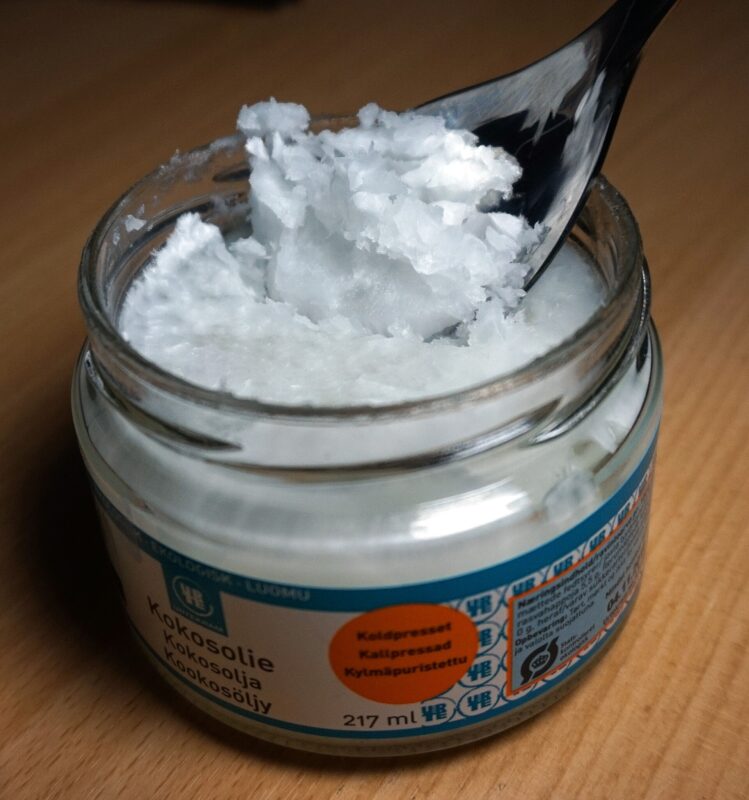
In cool countries the oil will be solid when it arrives. That’s normal and doesn’t hurt it. Warm it gently to around 35 to 40 C to melt it, and don’t overheat. Hot spots damage the oil and raise the peroxide value. If you want more on this, our post on coconut oil melting point covers handling in cold climates.
RBD, Virgin or Crude: Which One Should You Buy?
This question comes up in almost every first call about Thai coconut oil export, so here’s the short answer.
- You make food or soap and want a neutral oil at a fair price: RBD.
- You sell a premium product where coconut smell and the word “virgin” on the label matter: VCO.
- You run your own refinery or oleochemical plant: crude.
If you’re still torn between the first two, read RBD vs virgin coconut oil difference. It lays out cost, flavour, use and shelf life side by side.
Coconut Oil Next to Other Oils We Export
Some buyers come to us for coconut oil and end up filling the same container or the same programme with other oils. That’s fine with us. Thai coconut oil export is our main coconut line, and we also supply palm oil, soybean oil, sunflower oil and canola oil. If you’re comparing coconut against palm for a fat blend, our piece on coconut oil vs palm oil is a good place to start. And if your customers ask about MCT, MCT oil vs coconut oil explains the difference without the marketing hype.
Sustainability and Where the Coconuts Come From
More buyers now ask where the coconuts are grown and how farmers are treated. Fair question. Thai coconut oil export is built mostly on smallholder farms in the south of the country, and a lot of Thai processors also bring in copra and coconuts from neighbouring countries when local supply runs short. We tell you the origin of the oil in your lot. If you need traceability documents or an organic chain of custody, ask before you order so we can match the right supply.
We’d also say this plainly: if a supplier promises unlimited “100% Thai origin” coconut oil at a price far under the market, be careful. Good oil from real coconuts costs what it costs.
Why Work With DTH Company for Thai Coconut Oil Export
We’re a Thai company. We’re close to the mills and refineries, we know the people who run them, and we load the containers ourselves. That lets us do a few things a pure trading desk can’t:
- Send you photos and video of your actual lot before it’s loaded
- Arrange your inspector at the plant on short notice
- Fix document wording before it becomes a customs problem
- Combine coconut oil with other oils for buyers who want mixed programmes
Our Thai coconut oil export cargo goes worldwide, to Europe, the Middle East, Africa, the Americas, Australia and the rest of Asia. You can read more about us, browse our coconut oil range or see everything on the products page. If you’re comparing several Thai exporters, our overview of vegetable oil export from Thailand gives you useful background.
Frequently Asked Questions
What is the minimum order for Thai coconut oil export?
One 20ft container. That’s about 20 to 22 MT in a flexitank or around 15 MT in drums. Smaller mixed loads can sometimes be worked out. See our note on minimum order quantity for bulk cooking oil.
Do you ship coconut oil worldwide?
Yes. Every Thai coconut oil export offer we send can be FOB Thailand, or CFR and CIF to almost any main port.
Is your coconut oil halal and kosher?
Halal is standard for our RBD and VCO. Kosher is available on request. Organic VCO is available when certified stock is free.
How long does shipping take?
Loading usually happens two to four weeks after the contract. Sea transit is roughly one to six weeks depending on your port.
Why does my coconut oil look solid or cloudy?
Coconut oil melts at about 24 to 26 C. Below that it turns white and solid. Warm it gently and it goes clear again. Nothing is wrong with it.
Can you pack coconut oil under our brand?
Yes. We fill jars, bottles and jerrycans with your label. Minimums depend on the pack.
Get a Thai Coconut Oil Export Offer
Send us the grade, quantity, packing, destination port, Incoterm and how often you plan to buy. We’ll come back with a written Thai coconut oil export offer, a recent COA and our document list, usually within one working day.
Email info@dthcompanyltd.com, call or WhatsApp +66 91 765 9104, or use the form on our contact page.