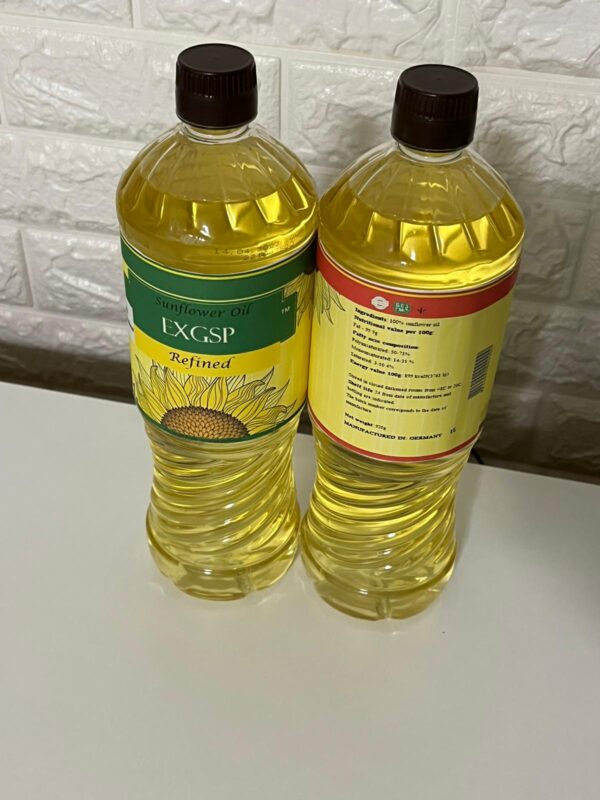
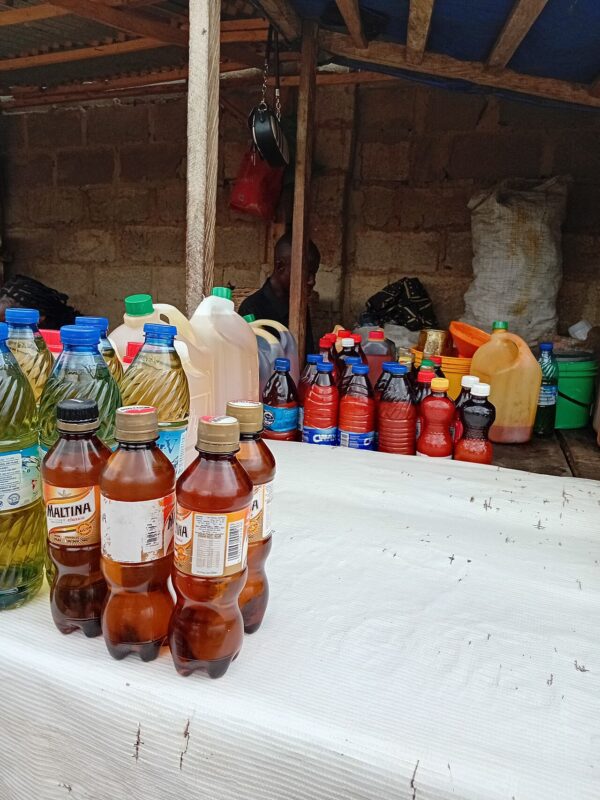
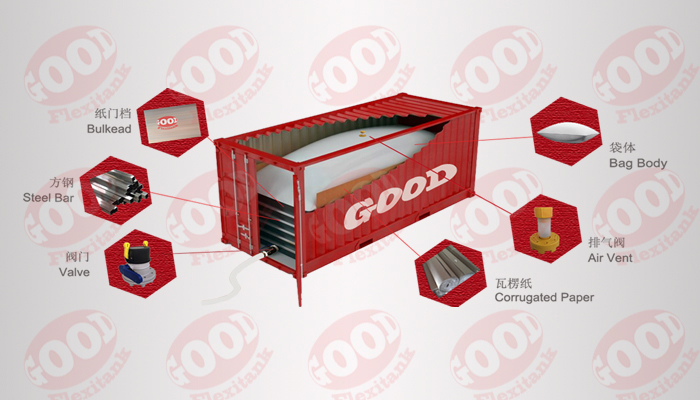
If you’re a vegetable oil importer New Zealand based, buying for food manufacturing, food service, retail or your own brand, we’d like to be on your supplier list. We ship refined sunflower oil, high oleic sunflower oil, canola oil, soybean oil and RSPO certified palm olein into Auckland, Tauranga, Lyttelton, Napier and Port Chalmers. We supply in flexitanks, IBCs, drums, 20 litre food service cubes and retail bottles. This page covers what we sell, the specs, packing, how a landed price comes together, the MPI and labelling side, and what we’ve learned working with importers down there.
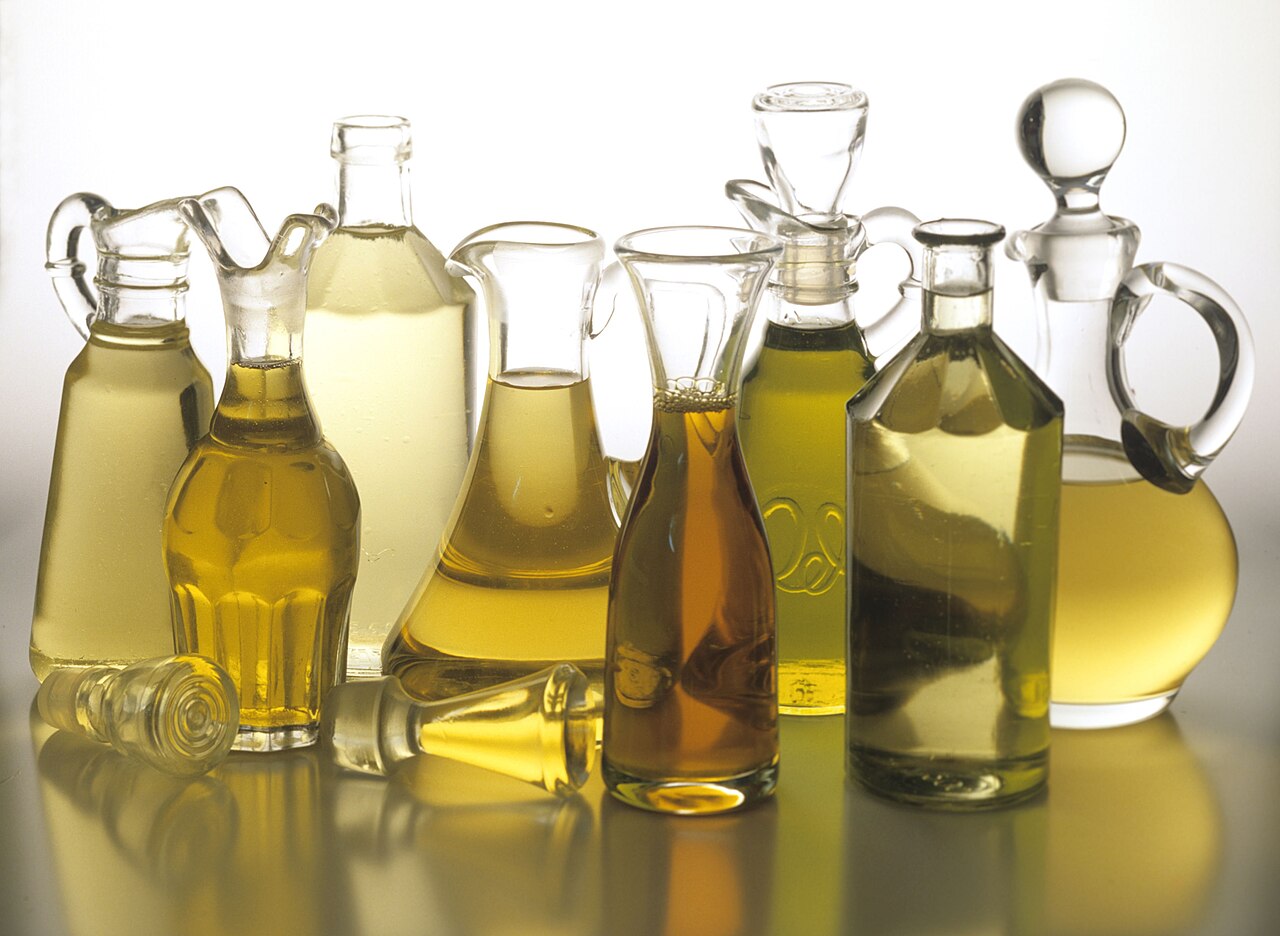
New Zealand grows very little oilseed for cooking oil, which is why the vegetable oil importer New Zealand trade exists at all. There’s some canola and a bit of olive and avocado oil, but nowhere near enough to cover bakeries, fryers, food factories and supermarket shelves. Almost all of it is imported. That makes the job of a vegetable oil importer New Zealand side quite specific: long shipping routes, strict biosecurity, demanding customers and a small market where reputation travels fast. You need a supplier who understands all of that.
Table of Contents
What We Supply to a Vegetable Oil Importer New Zealand Buyers Trust
These are the oils we ship most often to every vegetable oil importer New Zealand side that buys from us:
- Refined sunflower oil, winterized, for retail and food service. See refined sunflower oil.
- High oleic sunflower oil for long fry life and clean label products. See high oleic sunflower oil.
- Refined canola oil, the everyday oil in many Kiwi kitchens. See refined canola oil and RBD canola oil.
- Refined soybean oil for food manufacturing and blends. See refined soybean oil.
- RSPO certified palm olein for fryers and food factories. See refined palm oil CP10.
- Coconut oil, refined or virgin, for bakery and health food lines. See RBD coconut oil.
The full list is on our products page.
Refined Sunflower Oil Specifications
| Parameter | Specification |
|---|---|
| Free fatty acid (as oleic) | Max 0.1% |
| Peroxide value | Max 2.0 meq O2/kg at loading |
| Moisture and volatile matter | Max 0.05% |
| Colour (Lovibond 5.25 inch cell) | Max 1.5 Red / 15 Yellow |
| Iodine value (Wijs) | 118 to 141 |
| Cold test | Clear after 5.5 hours at 0°C |
| Smoke point | Min 230°C |
For a vegetable oil importer New Zealand side, winterizing matters more than it does in the tropics. A South Island winter will cloud an un-winterized oil in a few days. Ours stays clear.
Refined Canola Oil Specifications
| Parameter | Specification |
|---|---|
| Free fatty acid (as oleic) | Max 0.1% |
| Peroxide value | Max 2.0 meq O2/kg at loading |
| Moisture and volatile matter | Max 0.05% |
| Erucic acid | Max 2% of fatty acids |
| Iodine value (Wijs) | 105 to 126 |
| Cold test | Clear after 5.5 hours at 0°C |
For more on canola grades see RBD canola oil specification and canola oil vs sunflower oil.
RSPO Palm Olein Specifications
| Parameter | Specification |
|---|---|
| Free fatty acid (as palmitic) | Max 0.1% |
| Moisture and impurities | Max 0.1% |
| Iodine value (Wijs) | Min 56 |
| Cloud point | Max 10°C (CP8 available) |
| Colour (Lovibond 5.25 inch cell) | Max 3 Red |
| Certification | RSPO Mass Balance or Segregated |
Palm oil is a sensitive subject for many New Zealand shoppers, so almost every vegetable oil importer New Zealand side we work with only takes certified sustainable palm. The RSPO explains the supply chain models, and we cover them in RSPO certified sustainable palm oil.
Who Buys Through a Vegetable Oil Importer New Zealand Side
The end users an importer supplies shape what they order from us:
- Fish and chip shops and takeaways. They want a stable frying oil in 20 litre cubes, delivered weekly.
- Bakeries. Pies, doughnuts and bread all use oil or oil based fats.
- Food manufacturers. Snacks, sauces, dressings, ready meals and frozen foods.
- Supermarkets and private label. Retail bottles under the store’s brand or the importer’s own.
- Cafes, restaurants and hotels. Through food service distributors.
- Health food brands. High oleic, coconut and specialty oils.
If you’re a vegetable oil importer New Zealand customers rely on, you probably serve several of these. We can help you cover them from one supplier with mixed containers.
Packing Options for New Zealand
| Packing | Typical use | Per 20ft container (approx.) |
|---|---|---|
| Flexitank | Bulk for packers and factories | 20 to 22 metric tons |
| ISO tank | Bulk with heating | About 20 to 21 metric tons |
| 1,000 litre IBC | Food factories | 18 to 20 IBCs |
| 200 litre drum | Smaller factories | About 80 drums |
| 20 litre cube or jerrycan | Takeaways, bakeries, food service | About 900 to 1,000 units |
| 1 to 4 litre PET bottles | Retail, private label | About 18,000 litres |
Wood pallets must be ISPM 15 treated and stamped, or MPI will stop the container and the vegetable oil importer New Zealand side ends up paying for it. We use treated pallets or plastic pallets on all New Zealand loads. If you’re choosing between bulk formats, see flexitank vs ISO tank and how much cooking oil fits in a 20ft container.
Shipping Routes and Transit Times
For a vegetable oil importer New Zealand side buying from Southeast Asia, containers usually go direct or through Singapore or Port Klang to Auckland or Tauranga. Transit is roughly two and a half to four weeks depending on the service. South Island buyers can go into Lyttelton or Port Chalmers, though there are fewer direct sailings, so it’s sometimes cheaper to land in the north and rail or truck south. We quote CFR or CIF any main New Zealand port. If you need a refresher on terms, the ICC Incoterms rules are the standard reference, and our CIF vs FOB guide covers the practical side.
How a Landed Price Is Built
Every vegetable oil importer New Zealand side works out landed cost a bit differently, but the parts are the same:
- Oil price. Follows world markets for the oil you choose, and changes daily.
- Packing. Bulk is cheapest per litre. Retail bottles are the most expensive.
- Ocean freight and insurance. New Zealand is a long haul, and rates shift with shipping lines’ capacity.
- Duty and GST. Many edible oils enter at low or zero duty, and Thai origin goods can qualify for free trade agreement rates. GST is charged on import. Check the exact position with your customs broker.
- Biosecurity and clearance costs. MPI fees, inspections if required, broker fees.
- Local cartage and storage.
Our offers to a vegetable oil importer New Zealand side are firm for 48 to 72 hours. For a sense of base prices, see bulk vegetable oil price CIF and our cooking oil price forecast.
MPI, Food Standards and Customs
If you import food for sale, as any vegetable oil importer New Zealand side does, you generally need to be a registered food importer with the Ministry for Primary Industries. The MPI food import pages set out the current rules. Edible oils are usually treated as lower risk foods, but you still need to show the food is safe and suitable, and keep records that let you trace and recall it. Labelling and composition follow the joint Australia New Zealand Food Standards Code, and New Zealand Food Safety has the details. Entries, tariffs and GST go through New Zealand Customs.
A normal document set from us includes:
- Commercial invoice and packing list
- Bill of lading
- Certificate of origin, including the free trade agreement form if you want preferential duty
- Certificate of analysis from an independent lab
- Specification sheet and allergen statement
- Non-GMO or identity preserved certificates where ordered
- RSPO certificate for palm products
- Packaging declaration and ISPM 15 pallet confirmation
- Insurance certificate for CIF shipments
We test to Codex Alimentarius standards, and we can add extra tests your customers ask for. For more, read documents required to import vegetable oil and certificate of analysis for edible oil.
7 Proven Tips for a Vegetable Oil Importer New Zealand Side
We’ve learned these over many shipments to the Pacific, working with more than one vegetable oil importer New Zealand side.
1. Get your MPI registration sorted first
Don’t book your first container until you’re registered and know what records you need to keep.
2. Check pallets and packaging
Untreated wood is the fastest way to a biosecurity hold. Ask your supplier to confirm ISPM 15 or plastic pallets in writing.
3. Ask for winterized oil
If any of your stock goes south of Taupo in winter, un-winterized oil will cloud. Winterized costs a little more and saves complaints.
4. Get specs and allergen statements up front
New Zealand food manufacturers will ask for them before they buy from you. Have them on file.
5. Sample from the real batch
Not a display sample. See how to request edible oil samples.
6. Don’t pay everything upfront to someone new
Use a deposit and balance against documents, or a letter of credit. More in letter of credit vs TT payment. And check our notes on fake vegetable oil suppliers.
7. Plan around long transit
You can’t top up stock in a week. Keep six to eight weeks of cover and order ahead of summer, when takeaway trade peaks.
Problems We’ve Seen and How to Avoid Them
Biosecurity holds. A single untreated pallet or a dirty container floor can trigger inspection and cleaning charges. We inspect containers before loading.
Cloudy oil in winter. Common with cheaper un-winterized sunflower or palm blends. Order the right grade.
Label errors. New Zealand labels need the right name, ingredients, net quantity, date marking, storage, supplier details and allergen information if any. We send artwork for approval before printing.
Missing traceability. If a customer asks where a batch came from and you can’t answer, it hurts. We give batch level traceability for every shipment.
Non-GMO and Sustainability Questions
Every vegetable oil importer New Zealand side gets asked about GMO status and sustainability. We can supply non-GMO soybean and canola oil with identity preserved certificates, and RSPO certified palm olein. Sunflower oil is naturally non-GMO. Our post on GMO vs non-GMO soybean oil explains the difference, and palm oil free vegetable oil is useful if your customers avoid palm entirely.
Fish and Chip Shops and Fry Life
The takeaway trade is a big part of the market for any vegetable oil importer New Zealand side. Fish and chip shops fry for hours a day, and the oil they use decides how the food tastes and how often they have to throw oil out. A lot of shops have moved from beef dripping and plain palm to canola, high oleic sunflower or palm olein blends. High oleic sunflower costs more per litre but lasts longer in the fryer and gives a cleaner taste. Palm olein is cheaper and very stable but needs to be certified sustainable for most customers. Canola is the middle ground.
If you’re selling to takeaways, it pays to talk to them about fry life, not just price. A shop that changes oil every four days instead of every three saves real money. Our guides on how often to change fryer oil, high oleic sunflower oil for frying and the cooking oil smoke point chart make good sales material.
Building a Private Label Range
Many importers want their own brand rather than reselling someone else’s. We pack retail bottles and food service cubes under your name, with New Zealand compliant labels, your bottle shape and your cap colour. A typical starter range might be canola and sunflower in 1 litre and 4 litre bottles, plus 20 litre cubes for food service. The minimum is usually one 20ft container per oil, and you can split pack sizes inside it. For a vegetable oil importer New Zealand side, a private label range means better margins and customers who come back to your brand, not ours. Our page on private label vegetable oil explains how we work.
Bulk Oil for Packers and Factories
If you have a filling line or supply factories, bulk is where the savings are. A flexitank holds 20 to 22 tons and costs far less per litre than packed goods. You’ll need a clean receiving tank, a pump and a plan for discharge within a few days of arrival. Palm olein and coconut oil may need gentle heating in a New Zealand winter. IBCs are a good middle step for buyers not ready for a full flexitank, because they stack, store and dispense easily. Our guide on unloading palm oil from a flexitank covers the practical side.
Storage and Handling After Arrival
Keep oil cool, dark and sealed. Retail bottles should be stored away from windows and heaters. Bulk tanks need to be clean, closed and ideally blanketed with nitrogen if you hold oil for months. Rotate stock first in, first out. Refined oils stored well keep 12 to 18 months from production, but you’ll want to sell well inside that. Our post on shelf life of sunflower, soybean and canola oil has more.
Running a Term Contract From Asia
Because transit is long, most vegetable oil importer New Zealand businesses we work with move to term contracts after a few loads. A term contract usually covers one to four containers a month for six or twelve months, priced against the world market on an agreed date before each loading. You get regular arrivals you can plan around, and we get a production and freight plan, which keeps costs down. It also means specs, labels and documents stay the same each time, so MPI and customs clearance gets routine.
Questions a Vegetable Oil Importer New Zealand Side Should Ask a New Supplier
Before you sign with anyone, ask:
- Can you show me a recent certificate of analysis from an independent lab?
- Will you put the full spec in the contract?
- Do you use ISPM 15 or plastic pallets, and will you confirm it in writing?
- Can you supply allergen statements, non-GMO certificates and RSPO certificates?
- How do you handle a quality claim?
- Who will I deal with, and will they answer the phone?
If the answers are vague, keep looking. A good supplier will answer all of these without fuss.
Selling Into Australia and the Pacific Islands
Some of our customers in New Zealand also supply Fiji, Samoa, Tonga and the Cook Islands, or run a business across the Tasman. We can ship mixed containers or split loads, and we already supply Australian importers, so we know the paperwork both sides. If you’re a vegetable oil importer New Zealand side with Pacific customers, ask us about consolidating orders to save on freight.
Why New Zealand Importers Work With Us
We’re a Thailand based exporter with a good spread of oils and short supply lines into Southeast Asian refineries. But what keeps importers with us is simpler. The oil matches the spec. The pallets don’t get stopped by MPI. The documents come before the ship. And when there’s a problem, we sort it out. For a vegetable oil importer New Zealand customers depend on, that’s what a supplier should be.
How to Order
- Tell us the oil, packing, quantity and port.
- We send a firm offer with spec, price and loading window, usually within one working day.
- You approve samples, specs and labels.
- We sign the contract and agree payment.
- We produce, pack, inspect the container and arrange documents.
- We load, send documents and track the vessel to arrival.
If you also buy for Australia, see our pages on bulk sunflower oil supply to Australia and coconut oil bulk supply to Australia. If soybean oil is your main line, our page for a bulk soybean oil supplier New Zealand side has the full specs. More about us is on our about us page.
Frequently Asked Questions
What’s the smallest order for a vegetable oil importer New Zealand side?
One 20ft container. You can mix oils and pack sizes inside it.
Which ports do you ship to?
Auckland, Tauranga, Napier, Wellington, Lyttelton and Port Chalmers.
Can you supply private label bottles?
Yes, with your artwork and New Zealand compliant labels.
Do you supply RSPO certified palm?
Yes, Mass Balance or Segregated, with certificates.
How long from order to arrival?
Two to four weeks to load, then roughly three to four weeks at sea.
Can you supply halal or kosher oil?
Yes. Halal is standard. Kosher is available on request, see our kosher certified vegetable oil page.
Talk to Us About Supplying Your Business
If you’re a vegetable oil importer New Zealand side looking for a steady, honest supplier, tell us what you need. We’ll send a clear offer with specs and a loading date, usually within one working day.
Email info@dthcompanyltd.com, call or WhatsApp +66 91 765 9104, or use our contact page. We trade on FOSFA terms when buyers prefer them.