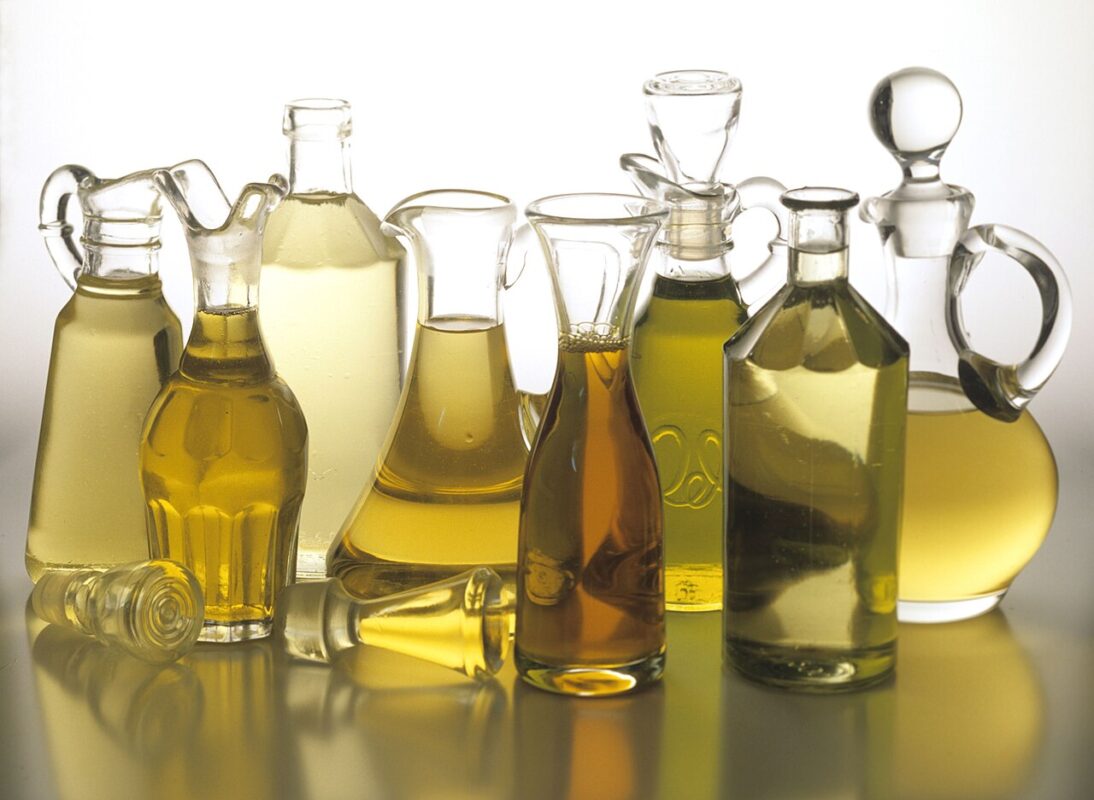
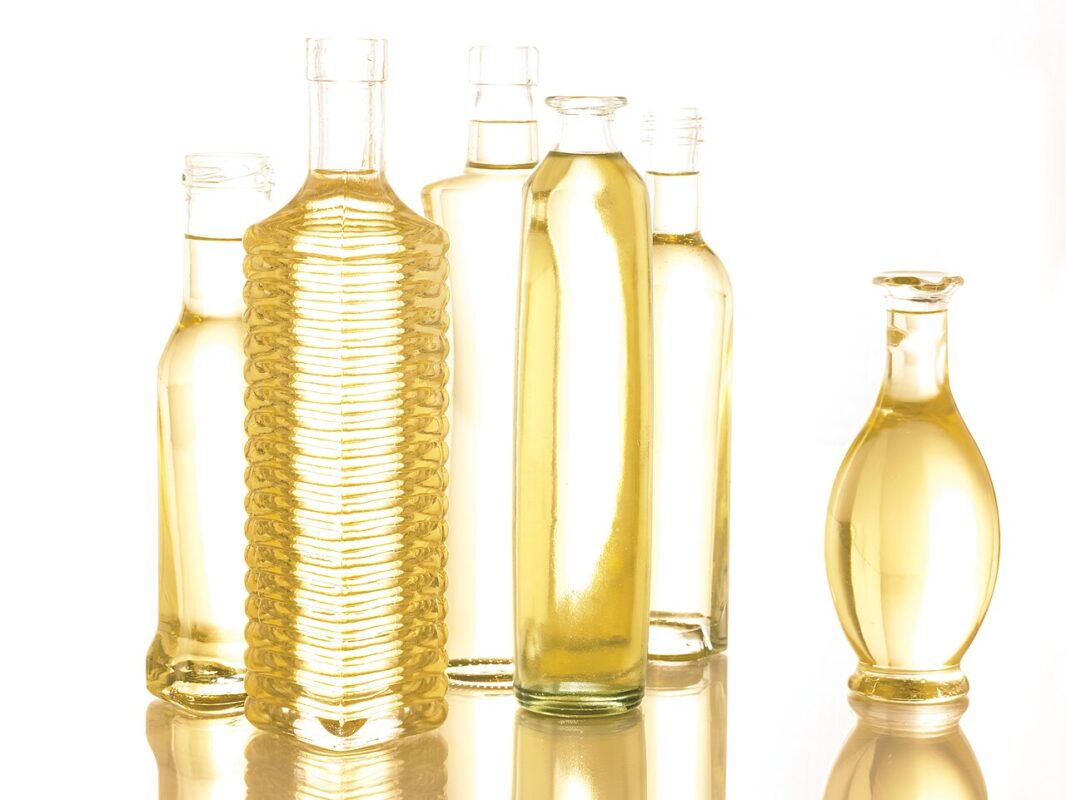
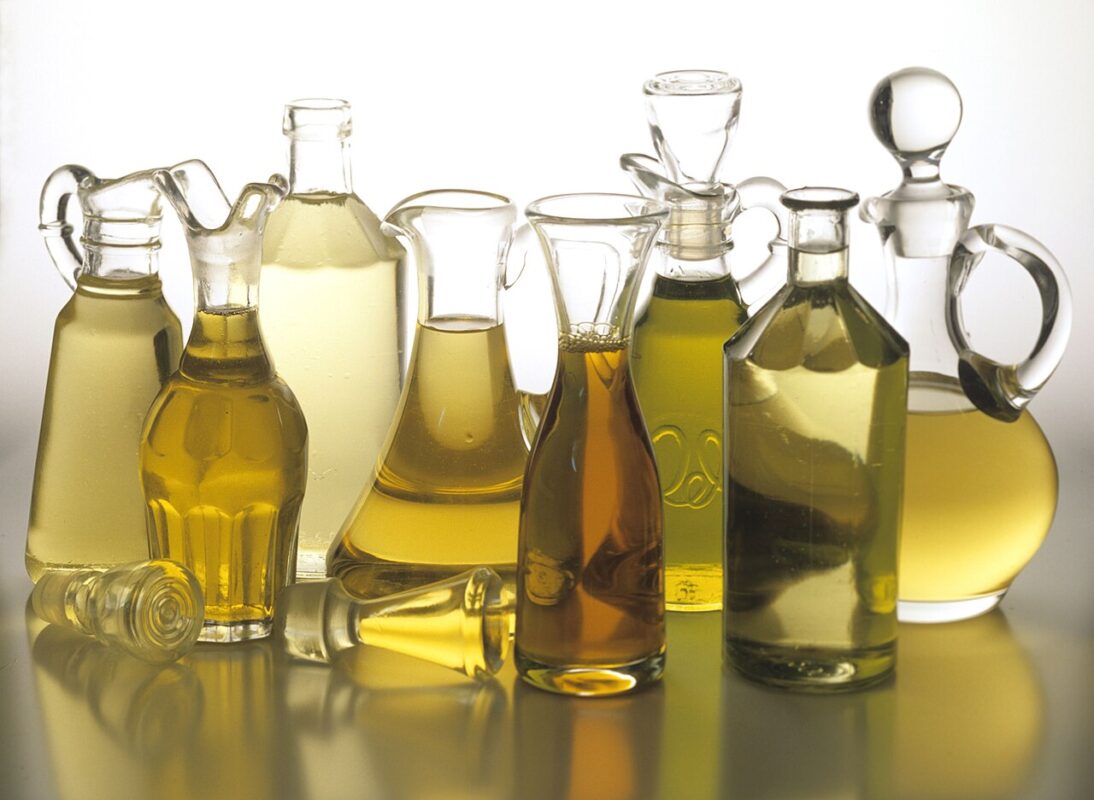
If you need a vegetable oil exporter to Iraq that can actually deliver on time, with clean papers and Arabic labels done right, that’s the work we do every month. We ship refined sunflower oil, refined soybean oil, RBD palm olein and canola oil to importers, wholesalers, supermarket chains and food factories in Basra, Baghdad, Erbil, Sulaymaniyah and Mosul. Most cargo goes by sea into Umm Qasr. Some goes overland through Jordan or Turkey for buyers in the north. Below you’ll find what we sell, the specs, the packing, how the price is built and what we’ve learned from Iraqi shipments over the years.
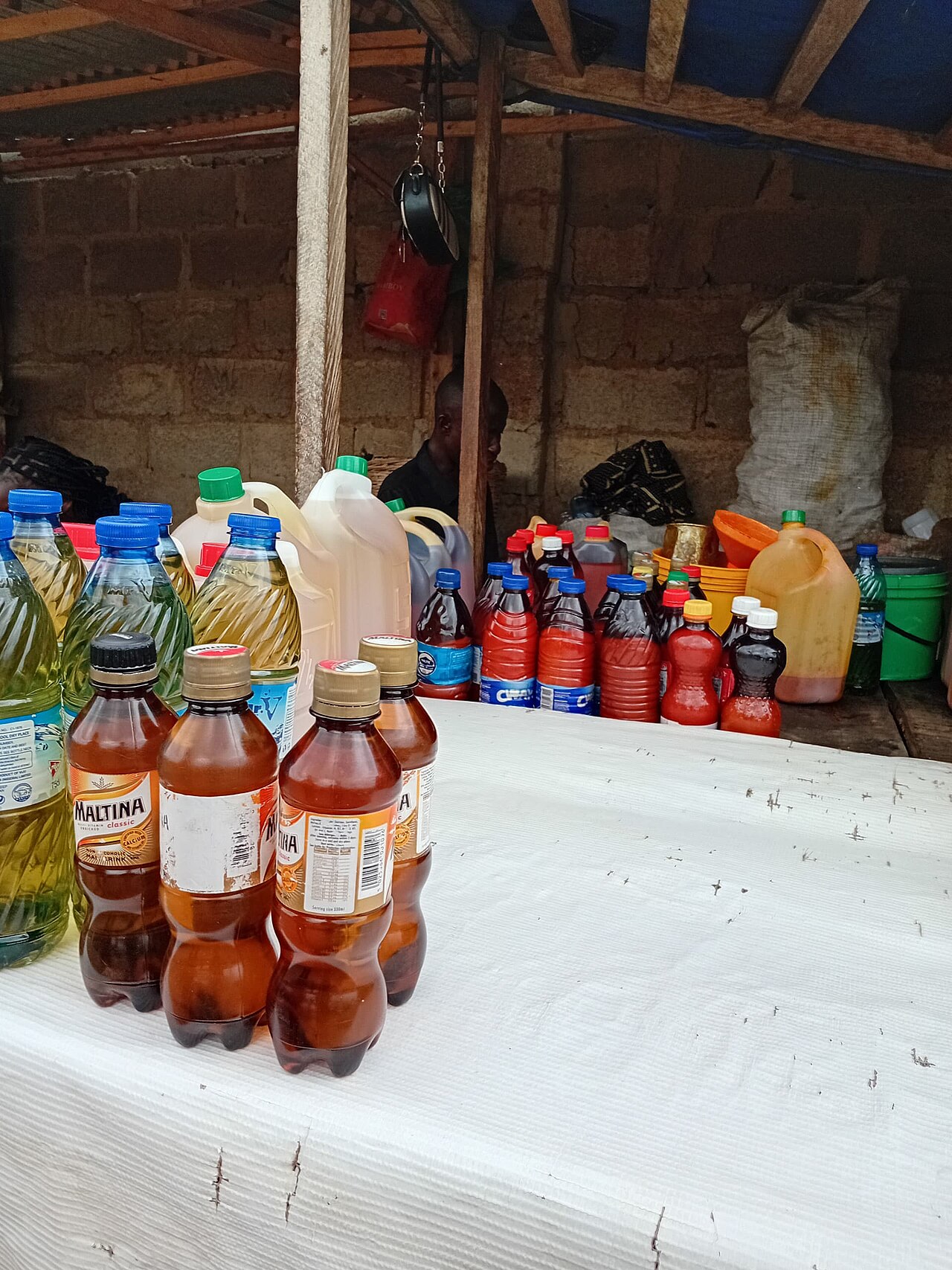
Iraq eats a lot of fried food. Falafel shops, samoon bakeries, sweets makers, restaurants, and every household cooking rice and stews. The country refines and packs some oil locally, but nowhere near enough, so most of what’s on the shelf is imported. On top of the private market, the Ministry of Trade buys large tonnages for the public ration system through tenders. That means a steady, big market, but also a demanding one. Buyers here have seen plenty of suppliers come and go, and they remember who delivered and who didn’t.
Table of Contents
What We Sell as a Vegetable Oil Exporter to Iraq
We keep the range tight so we can stay good at it. As a vegetable oil exporter to Iraq, these are the grades we ship most:
- Refined sunflower oil in bottles, tins, jerrycans and flexitanks. See our refined sunflower oil page for the full product sheet.
- Refined soybean oil for packers, restaurants and food factories. Details on our refined soybean oil page.
- RBD palm olein CP8 and CP10 for frying, snacks and blends. See refined palm oil CP10 and CP8.
- Refined canola oil for buyers who want a lighter oil. See refined canola oil.
- Blended vegetable oil such as sunflower and palm olein, mixed to your price point.
Everything we sell is listed on our products page. If you want something that isn’t there, ask. We often can.
Refined Sunflower Oil Specifications
Sunflower is the oil most Iraqi families reach for first, and it is the biggest line we ship as a vegetable oil exporter to Iraq. It’s light, it doesn’t change the taste of food and it looks good in a clear bottle. This is the spec we load against:
| Parameter | Specification |
|---|---|
| Free fatty acid (as oleic) | Max 0.1% |
| Peroxide value | Max 2.0 meq O2/kg at loading |
| Moisture and volatile matter | Max 0.05% |
| Colour (Lovibond 5.25 inch cell) | Max 1.5 Red / 15 Yellow |
| Iodine value (Wijs) | 118 to 141 |
| Cold test | Clear after 5.5 hours at 0°C (winterized) |
| Smoke point | Min 230°C |
| Odour and taste | Neutral, bland |
| Additives | None, unless you ask for vitamin A and D |
If you want to compare this against the standard, our refined sunflower oil specification guide walks through each line.
Refined Soybean Oil Specifications
| Parameter | Specification |
|---|---|
| Free fatty acid (as oleic) | Max 0.1% |
| Peroxide value | Max 2.0 meq O2/kg at loading |
| Moisture and volatile matter | Max 0.05% |
| Colour (Lovibond 5.25 inch cell) | Max 2.0 Red / 20 Yellow |
| Iodine value (Wijs) | 124 to 139 |
| Cold test | Clear after 5.5 hours at 0°C |
| Smoke point | Min 230°C |
Soybean oil is usually a little cheaper than sunflower, so it is a useful second line from any vegetable oil exporter to Iraq. A lot of restaurants and packers in Baghdad use it on its own or blended.
RBD Palm Olein Specifications
| Parameter | CP10 | CP8 |
|---|---|---|
| Free fatty acid (as palmitic) | Max 0.1% | Max 0.1% |
| Moisture and impurities | Max 0.1% | Max 0.1% |
| Iodine value (Wijs) | Min 56 | Min 58 |
| Colour (Lovibond 5.25 inch cell) | Max 3 Red | Max 3 Red |
| Cloud point | Max 10°C | Max 8°C |
| Melting point | Max 24°C | Max 22°C |
Palm olein makes sense for frying in commercial kitchens and for snack makers. In winter, Baghdad and the north can get cold enough at night for CP10 to go cloudy. If you sell into the north in December or January, CP8 is the safer pick. We explain the difference in CP8 vs CP10 palm oil.
Why Iraqi Buyers Import Cooking Oil
There are a few reasons the market leans on imports, and they shape how a good vegetable oil exporter to Iraq should work:
- Local oilseed growing is small, so there’s little raw material for crushing.
- Domestic refining and packing plants run, but they also depend on imported crude oil.
- The ration system needs large, regular volumes on fixed dates.
- Consumers want a range of brands, bottle sizes and prices, and imports fill that.
In practice a vegetable oil exporter to Iraq deals with two kinds of buyers. Big importers and packers take bulk oil in flexitanks or ISO tanks and pack it locally. Distributors and supermarket groups take finished bottles and tins with their own brand or ours. We supply both, and the paperwork for each is a bit different.
Packing Options for Iraq
This is where a lot of deals are won or lost. Iraqi shoppers are particular about bottle size and label language, and any vegetable oil exporter to Iraq has to get both right. Here’s what we load:
| Packing | Typical use | Per 20ft container (approx.) |
|---|---|---|
| 1 litre PET bottle | Retail, supermarkets | About 18,000 to 19,000 litres |
| 1.8 litre PET bottle | Retail, popular in Iraq | About 18,000 litres |
| 3 litre and 5 litre PET | Families, small shops | About 18,500 litres |
| 16 to 18 litre tin | Restaurants, sweets makers | About 1,100 to 1,200 tins |
| 20 litre jerrycan | Restaurants, wholesalers | About 900 to 1,000 jerrycans |
| Flexitank | Local packers | 20 to 22 metric tons |
| ISO tank | Packers, factories | About 20 to 21 metric tons |
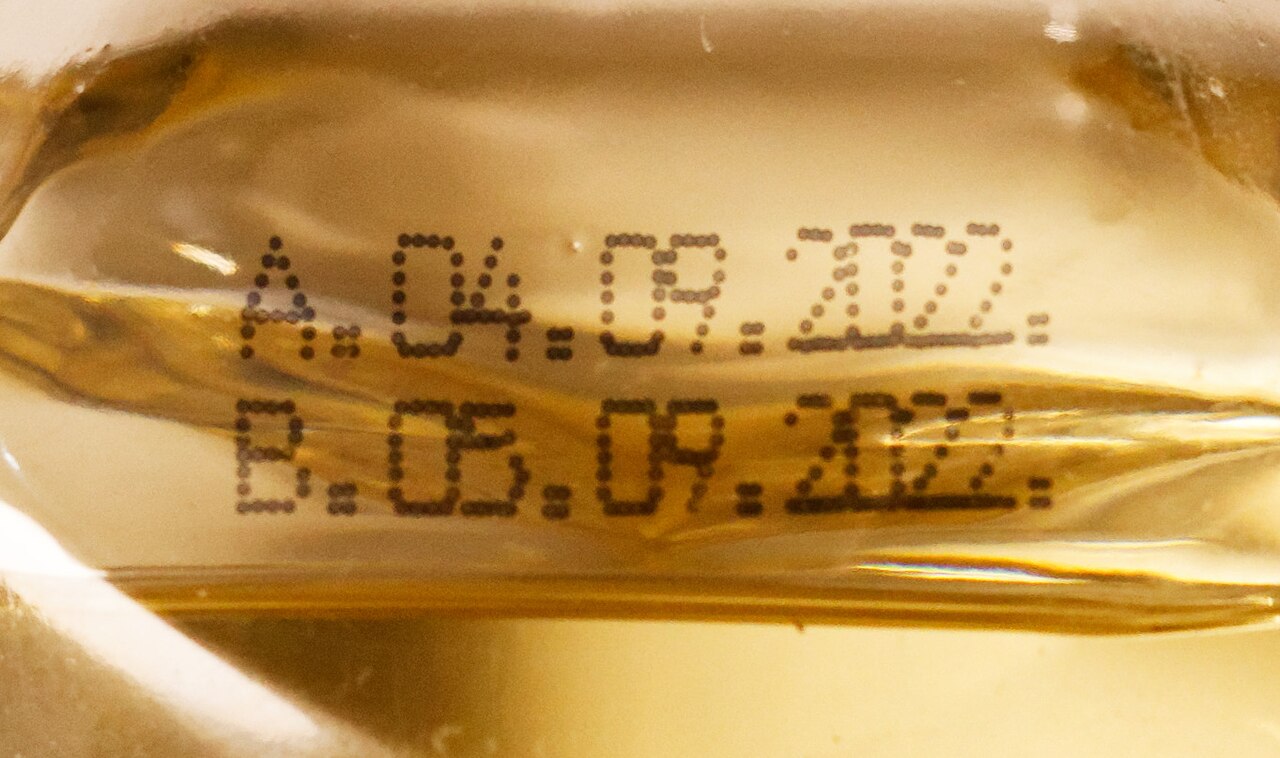
All retail packs carry Arabic labels with the product name, ingredients, net volume, production date, expiry date and the importer’s details. We can add Kurdish if you sell into the Kurdistan region. If you’re still deciding between formats, our note on PET bottle vs jerrycan packaging helps, and so does flexitank vs ISO tank for bulk.
Shipping Routes Into Iraq
There are three main ways in, and an experienced vegetable oil exporter to Iraq will tell you which one fits your city:
- By sea to Umm Qasr. This is the main route for southern and central Iraq. Containers often transship through Jebel Ali or Khor Fakkan. From Southeast Asia, plan on roughly three to five weeks door to port, depending on the connection.
- Through Aqaba in Jordan. Cargo lands at Aqaba and goes by truck to Baghdad and the west. Some buyers prefer it when Umm Qasr is congested.
- Through Mersin in Turkey. Cargo for Erbil, Duhok and Sulaymaniyah often goes this way and crosses at Ibrahim Khalil.
We quote CFR or CIF Umm Qasr as standard, and we can quote CIF Aqaba or CIF Mersin when you ask. If you need a refresher on terms, the ICC Incoterms rules are the reference everyone works from, and we cover the practical side in CIF vs FOB for vegetable oil.
How a Vegetable Oil Exporter to Iraq Prices an Offer
People sometimes ask why two offers from a vegetable oil exporter to Iraq for the same oil can be 60 or 80 dollars a ton apart. Here’s what goes into ours:
- The oil itself. This follows the world market for sunflower, soy or palm and moves every day.
- Refining and packing. Bottles, caps, labels and cartons can add more than you’d think, especially for 1 litre packs.
- Freight. Rates to Umm Qasr swing with fuel prices and Gulf demand.
- Insurance. Gulf routes sometimes carry extra war risk premium.
- Inspection and certificates. Iraq’s conformity programme adds a cost per shipment.
Our offers as a vegetable oil exporter to Iraq are valid for a short window, usually 48 to 72 hours, because the oil market moves. If a vegetable oil exporter to Iraq gives you a fixed price for a month with no conditions, ask how they’re covering that risk. Usually they aren’t. For a wider look at how CIF prices work, read bulk vegetable oil price CIF, and for where prices are heading see our cooking oil price forecast.
Paperwork and Quality Control for Iraq
Iraq checks imported food closely. The standards body is the Central Organization for Standardization and Quality Control (COSQC), and goods generally need a certificate of conformity issued by an approved inspection company before they ship. A serious vegetable oil exporter to Iraq builds that step into the timeline instead of treating it as an afterthought.
A normal document set from us includes:
- Commercial invoice and packing list
- Bill of lading
- Certificate of origin, legalised if your buyer or bank needs it
- Certificate of analysis from an independent lab
- Health certificate
- Halal certificate
- Certificate of conformity under Iraq’s inspection programme
- Insurance certificate for CIF shipments
We test against the oil standards set by Codex Alimentarius, which is what most labs and buyers use as the baseline. Our guide to documents required to import vegetable oil goes into more detail, and what a certificate of analysis should show is worth reading before your first order.
Shelf life matters too. Iraqi buyers usually want plenty of shelf life left when the goods arrive, so we load fresh production and print clear dates. If you sell to the ration system, check the tender rules, they are often stricter than the private market.
7 Proven Tips for Choosing a Vegetable Oil Exporter to Iraq
We’ve been on both sides of bad deals, as buyers of packaging and as sellers watching competitors fail. These are the things that actually matter.
1. Ask for a sample from the actual production
Not a showroom bottle. Ask for oil from the tank or batch that will be loaded. Our article on requesting edible oil samples covers how to do it properly.
2. Get the Arabic label approved before printing
A spelling mistake or a missing expiry date can hold a container at the port. We send label artwork for sign off before a single bottle is filled.
3. Check they understand the conformity programme
If the vegetable oil exporter to Iraq you’re talking to doesn’t know how the certificate of conformity works, your cargo is going to sit.
4. Use independent inspection at loading
A third party surveyor checking quality and quantity at loading saves arguments later. See our note on pre-shipment inspection for edible oil.
5. Don’t pay 100% up front to someone new
A deposit and balance against documents, or a letter of credit, protects you. We explain both in letter of credit vs TT payment.
6. Watch for fake offers
Oil prices far below market, pressure to pay fast and no real address are the usual signs. Read how to spot a fake vegetable oil supplier before you wire anything.
7. Start with one container
A good vegetable oil exporter to Iraq will be happy to start small. Once the first load lands clean, scaling up is easy. Our minimum order guide explains what one container holds.
Mistakes We’ve Seen on Iraq Shipments
A few problems come up again and again for any vegetable oil exporter to Iraq. None of them are about the oil.
Heat in Basra. Summer at Umm Qasr can pass 50°C. A container sitting in the sun for two weeks will warm the oil and push the peroxide value up. We load fresh oil, use good caps and push for quick clearance in summer.
Labels that don’t match the documents. If the label says 1.8 litres and the packing list says 1.75, someone will ask why. We cross check every line.
Demurrage. When papers are late, the container waits and the bill grows. We send document drafts before the vessel arrives so your clearing agent is ready.
Wrong grade for the season. CP10 palm olein in Erbil in January can look cloudy on the shelf. Shoppers think it’s spoiled even when it isn’t. Our post on why palm oil solidifies explains it.
Sunflower, Soybean or Palm Olein for Iraq?
It depends who you sell to, and a good vegetable oil exporter to Iraq will ask before quoting. For retail families, sunflower oil is the easiest sell. For restaurants and falafel shops that fry all day, palm olein or a sunflower and palm blend lasts longer in the fryer and costs less. Soybean oil sits in the middle on price and works well for packers making blends. If you’re not sure, we can send samples of all three. Our comparison of sunflower oil vs palm oil and soybean oil vs sunflower oil may help you decide. Frying buyers can also check our smoke point chart.
Payment Terms for Iraqi Buyers
Most customers who buy from us as their vegetable oil exporter to Iraq pay in one of three ways:
- Letter of credit, often through a Dubai bank or an Iraqi bank with a confirming bank
- 30% deposit by TT and 70% against copy documents
- Payment through a trading company in Dubai that handles the import
Whatever you choose, we’re happy to work through it with your bank. A vegetable oil exporter to Iraq who refuses every option except full advance payment is not one we’d trust either.
Private Label for Iraqi Brands
A lot of Iraqi distributors want their own brand on the shelf, and that is one of the services we offer as a vegetable oil exporter to Iraq. We can pack under your name in PET bottles or tins, with your artwork, your bottle colour and your carton print. The minimum is usually one 20ft container per design. If you’re building a brand, our pages on private label vegetable oil and starting a cooking oil distribution business are worth a look.
How to Order From Us
- Send us the grade, packing, quantity and destination (Umm Qasr, Aqaba or Mersin).
- We send a firm offer with specs, price and a loading window, usually within one working day.
- You approve the sample and the Arabic label.
- We sign the contract and agree payment terms.
- We produce, pack and arrange the conformity inspection.
- We load, send draft documents and track the vessel until it arrives.
If you’d like to know more about who we are, our about us page has the background. Buyers elsewhere in the region can also read about our work as a halal vegetable oil supplier in the UAE and our refined cooking oil for Saudi Arabia.
What Iraqi Restaurants and Sweets Makers Ask Us For
The food service side of Iraq is its own market. A shawarma place in Karrada goes through a 20 litre jerrycan in a couple of days. A sweets maker in Mosul frying zalabia and making dough needs oil that stays clean through long shifts. When they deal with a vegetable oil exporter to Iraq, these buyers ask about three things: how long the oil lasts in the fryer, whether it foams, and whether the price holds for a few months.
For heavy frying we usually suggest palm olein or a sunflower and palm olein blend. It breaks down slower than plain sunflower and costs less per litre. For lighter cooking, rice and salads, straight sunflower oil is the better fit. If you run a kitchen, our guide on how often to change fryer oil will help you work out real costs, not just the price per tin.
Storing Imported Oil in Iraq’s Climate
Iraq’s summer is hard on cooking oil. Keep cartons and tins out of direct sun, off the floor and away from walls that heat up during the day. Rotate stock so the oldest batch goes out first. For bulk oil in tanks, keep the lid closed and limit air contact. We give every customer a short storage note with the first shipment, because it’s cheaper to prevent a quality complaint than to argue about one. Shelf life for the main oils is covered in shelf life of sunflower, soybean and canola oil.
Working With a Vegetable Oil Exporter to Iraq on a Term Contract
Once the first few containers go well, most of our Iraqi buyers move to a term contract. That usually means a set number of containers a month for six or twelve months, with price fixed per shipment against the market on an agreed date. It gives you steady supply and gives us a production plan. A term deal with a vegetable oil exporter to Iraq also makes it easier to keep labels, cartons and conformity paperwork consistent, which speeds up every clearance after the first.
If Ramadan is your busiest season, tell us early. Demand in Iraq jumps in the weeks before, and freight space gets tight. We plan production two to three months ahead for regular buyers.
Checking the Oil When It Lands in Umm Qasr
When your container arrives, open a few cartons from different parts of the load. Check the caps, the fill level and the dates. For bulk oil, take a sample from the flexitank before discharge and send it to a local lab for free fatty acid and peroxide value. Our article on free fatty acid and peroxide value explains what the numbers mean. If anything looks wrong, photograph it and tell us the same day. Any decent vegetable oil exporter to Iraq will want to hear about a problem early rather than after the goods are sold.
For flexitank cargo, the discharge itself needs a bit of care, especially with palm olein in cool weather. Our post on unloading palm oil from a flexitank covers heating and pumping.
Why Buyers Pick Us as Their Vegetable Oil Exporter to Iraq
We don’t claim to be the cheapest every week. What we offer is a vegetable oil exporter to Iraq that answers the phone, sends real samples, gets the Arabic label right and doesn’t disappear when there’s a problem. Our customers in Basra and Baghdad have stayed with us for years because the oil arrives as described and the papers clear. That’s the whole pitch.
We also understand the region. We ship to Kuwait, the UAE, Saudi Arabia and Jordan, so we know the routes, the transshipment hubs and the paperwork that goes with them. For buyers who want to compare suppliers properly, our guide to HACCP certified cooking oil manufacturers lists what a good factory should be able to show you.
Frequently Asked Questions
Is your oil halal certified?
Yes. Every shipment from us as a vegetable oil exporter to Iraq comes with a halal certificate.
Which Iraqi ports and cities do you deliver to?
We ship to Umm Qasr by sea and can arrange cargo to Baghdad, Erbil and other cities through Aqaba or Mersin.
What’s the smallest order?
One 20ft container. You can mix bottle sizes in that container if they are the same oil.
How long does delivery take?
Usually two to four weeks to load after contract, then three to five weeks at sea depending on the route.
Can you supply the ration system tenders?
Yes, we can quote against Ministry of Trade tender specs. Send us the tender document and we’ll check it.
Do you offer flexitanks for local packers?
Yes. Most Iraqi packers who buy bulk from us use flexitanks of 20 to 22 tons.
Get a Quote From a Vegetable Oil Exporter to Iraq You Can Trust
Tell us what you need and where it’s going. We’ll come back with a clear offer, real specs and a loading date. No pressure and no games.
Email info@dthcompanyltd.com, call or WhatsApp +66 91 765 9104, or use our contact page. You can also browse our sunflower oil, soybean oil and palm oil ranges, and see the trade body rules we follow at FOSFA.