

If you need an unrefined sunflower oil bulk supplier who actually stocks the stuff, rather than one who quotes refined oil and hopes you won’t notice, you’re in the right place. We sell cold pressed and crude sunflower oil by the container to food factories, refineries, cosmetic makers and distributors all over the world. Below you’ll find the grades we ship, the specs we load to, the packing options, what moves the price, and how to order.

I’ve been loading edible oil for a long time, and people buying unrefined oil tend to ask the same handful of questions. Rather than answer them one email at a time, I’ve put it all here. Jump to whatever part you need. Everything here comes from our daily work as an unrefined sunflower oil bulk supplier, so it is the practical stuff.
Table of Contents
What Unrefined Sunflower Oil Actually Is
Unrefined sunflower oil is oil that has been pressed from sunflower seed and then mostly left alone. It’s filtered, sometimes settled, and that’s about it. No bleaching earth, no deodorising at 240 °C, no caustic wash. What you get is a golden to amber oil that smells and tastes of sunflower seeds.
There are two things people mean when they say unrefined. The first is cold pressed oil, sometimes sold as virgin sunflower oil. The seed is pressed mechanically, the press stays under about 50 °C, and the oil is filtered and packed. The second is crude sunflower oil. That’s the oil straight off a commercial expeller or solvent plant before it goes to a refinery. Crude is unrefined too, but it isn’t meant to be eaten as it is. Refineries buy it as feedstock.
Any honest unrefined sunflower oil bulk supplier should ask you which one you mean in the first email. They’re different products with different prices and different buyers. If a seller doesn’t ask, ask them.
The Unrefined Grades We Supply
This is what we can load right now. As an unrefined sunflower oil bulk supplier we work mainly with regular (linoleic) seed, but high oleic is available if you plan ahead.
| Grade | How it’s made | Typical use | Edible as is? |
|---|---|---|---|
| Cold pressed virgin sunflower oil | Mechanical press under 50 °C, filtered | Salad oil, retail bottles, health food, cosmetics | Yes |
| Cold pressed high oleic sunflower oil | Same process, high oleic seed | Premium retail, natural snacks, skin care | Yes |
| Organic cold pressed sunflower oil | Certified organic seed, pressed and filtered | Organic food brands and shops | Yes |
| Crude sunflower oil (expeller) | Hot pressed, filtered | Refinery feedstock | No, needs refining |
| Crude degummed sunflower oil | Expeller or solvent, water degummed | Refinery feedstock, biodiesel | No, needs refining |
If you’re buying for a refinery, have a look at crude sunflower oil for sale and our crude sunflower oil exporter guide. For certified organic oil, the organic sunflower oil page has the certificate details.
Cold Pressed Unrefined Sunflower Oil Specifications
These are the numbers we load cold pressed oil to. Every lot leaves with a certificate of analysis showing the actual results, not just the limits.
| Parameter | Specification |
|---|---|
| Appearance | Clear to slightly hazy, golden yellow to amber |
| Odour and taste | Typical of sunflower seed, no rancid or foreign notes |
| Free fatty acid (as oleic) | 1.0% max |
| Acid value | 2.0 mg KOH/g max |
| Peroxide value at loading | 10 meq O2/kg max |
| Moisture and volatile matter | 0.1% max |
| Insoluble impurities | 0.05% max |
| Iodine value (Wijs) | 118 to 141 |
| Relative density at 20 °C | 0.918 to 0.923 |
| Saponification value | 188 to 194 mg KOH/g |
| Unsaponifiable matter | 1.5% max |
| Vitamin E (total tocopherols) | Usually 450 to 700 mg/kg |
The Codex standard lets virgin and cold pressed oils run up to an acid value of 4.0 and a peroxide value of 15. We load well inside that, because oil keeps ageing on the water and you want headroom when it lands. The Codex Alimentarius standard for named vegetable oils (CXS 210) is worth reading if you’re writing your own spec. Any unrefined sunflower oil bulk supplier you deal with should be able to show you where their numbers sit against it.
Crude Sunflower Oil Specifications
Crude trades on a looser spec, because the refinery is going to clean it up anyway. What matters is that it refines well and doesn’t cost you too much in losses.
| Parameter | Specification |
|---|---|
| Free fatty acid (as oleic) | 2.0% max, basis 1.5% |
| Moisture and volatile matter | 0.2% max |
| Insoluble impurities | 0.1% max |
| Phosphorus | 200 ppm max (degummed grade 50 ppm max) |
| Wax content | Reported, not guaranteed |
| Iodine value (Wijs) | 118 to 141 |
| Colour | Amber to dark amber |
| Flash point | Over 250 °C |
Refiners watch phosphorus and FFA closely, since both eat into yield. If those numbers are new to you, free fatty acid and peroxide value explains them in plain terms, and crude vs refined sunflower oil covers what happens to the oil inside the refinery. When we quote crude as an unrefined sunflower oil bulk supplier, we state the FFA basis and the price adjustment for every 0.1% above it, so there is no argument later.
Fatty Acid Profile
Regular unrefined sunflower oil is high in linoleic acid, the main omega 6 fat. High oleic seed flips that around. Typical ranges for what we ship:
| Fatty acid | Regular (linoleic) | High oleic |
|---|---|---|
| Palmitic C16:0 | 5 to 7% | 3 to 5% |
| Stearic C18:0 | 3 to 6% | 2 to 5% |
| Oleic C18:1 | 18 to 35% | 75 to 90% |
| Linoleic C18:2 | 55 to 70% | 3 to 15% |
| Linolenic C18:3 | 0.3% max | 0.3% max |
More detail on where these ranges come from is in sunflower oil fatty acid composition. If you’re torn between the two seed types, high oleic vs regular sunflower oil sets out the trade offs. Whichever profile you need, tell your unrefined sunflower oil bulk supplier early, since the seed has to be booked before crushing.
How We Make It
For cold pressed oil the process is short. Seed comes in, gets cleaned and checked for moisture, then goes through screw presses run slowly so the oil stays cool. The oil settles in tanks for a day or two and then goes through plate filters. Some buyers want it filtered twice so it looks brighter in the bottle. We can do that.
Crude oil is pressed hotter and faster to get more oil out of the seed. The press cake often goes on to solvent extraction. The two oils are blended, filtered, sometimes water degummed, and pumped to storage.
The thing I’d stress is seed quality. Unrefined oil can’t hide bad seed. If the seed was stored damp or heated up in the silo, the oil comes out with high FFA and a sour smell, and no filter fixes that. A good unrefined sunflower oil bulk supplier controls the seed first and the oil second. We buy seed by moisture and oil content, and we turn away loads that smell wrong.
Who Buys From an Unrefined Sunflower Oil Bulk Supplier
Our unrefined customers fall into a few groups:
- Refineries buying crude as feedstock, usually by flexitank or in bulk parcels.
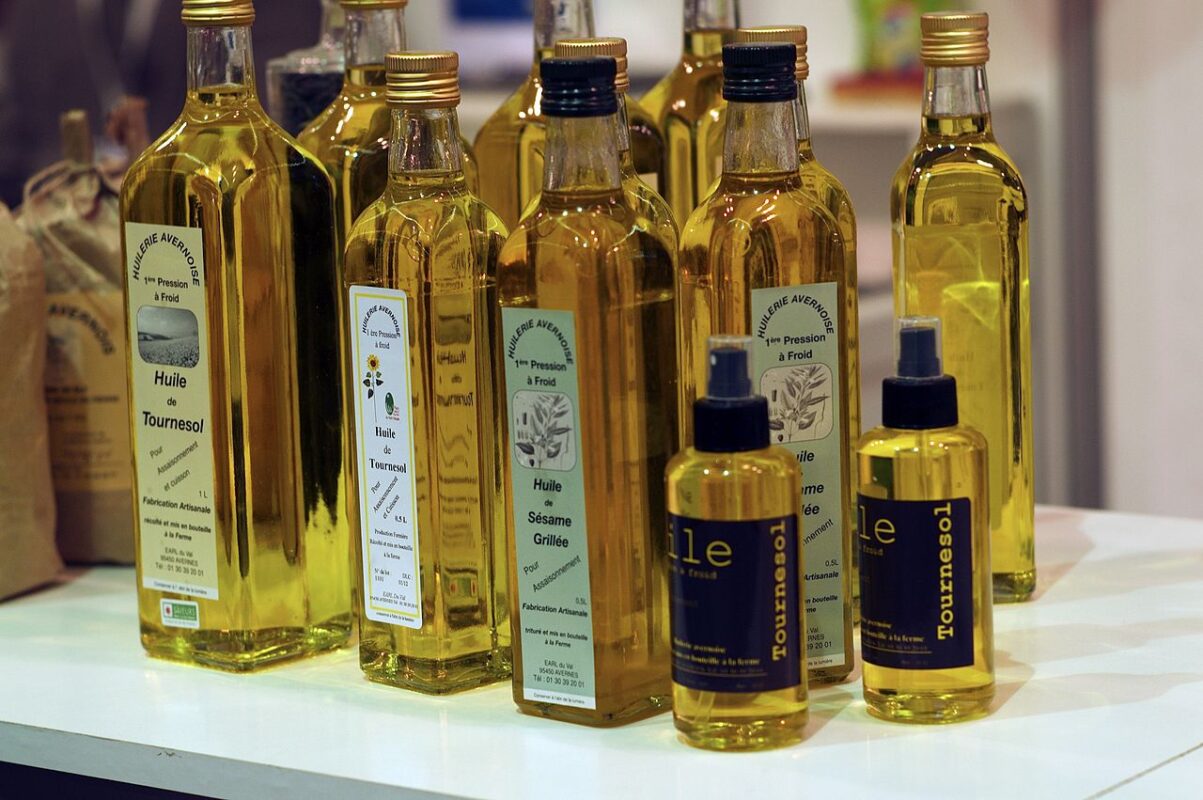
- Bottlers and health food brands filling cold pressed oil into glass or PET for retail.
- Snack and bakery makers who want a clean label and don’t mind a sunflower taste.
- Cosmetic and soap makers who like the vitamin E and the way it feels on skin. Our page on sunflower oil for soap making goes into that.
- Feed and pet food plants, which often take crude or off spec lots.
- Distributors and importers who split containers for smaller buyers in their area.
Each group wants something slightly different from an unrefined sunflower oil bulk supplier. Refiners want low phosphorus and a fair FFA basis. Bottlers want fresh oil and clean flavour. Cosmetic buyers want low peroxide and paperwork. Tell us which you are and we’ll quote the right grade.
If you’re starting a bottling line, read cooking oil repackaging business and sunflower oil for repacking business before you buy equipment.
Packing Options
Unrefined oil is more sensitive to light and air than refined, so packing matters more than most people expect. Ask any unrefined sunflower oil bulk supplier how they protect the oil from light and air in transit. The answer tells you a lot.
| Format | Net oil per unit | Per 20 ft container | Notes |
|---|---|---|---|
| Flexitank | One bag | 20 to 22 tonnes | Cheapest per tonne, needs a pump and tank at your end |
| IBC tote, 1,000 L | About 920 kg | 18 to 20 totes, 17 to 18 tonnes | Easy to move with a forklift |
| Steel drum, 200 L | About 184 kg | 80 drums, about 14.7 tonnes | Good for small plants, nitrogen flushed on request |
| Jerrycan, 20 L | About 18.4 kg | 1,000 to 1,150 cans | Traders and food service |
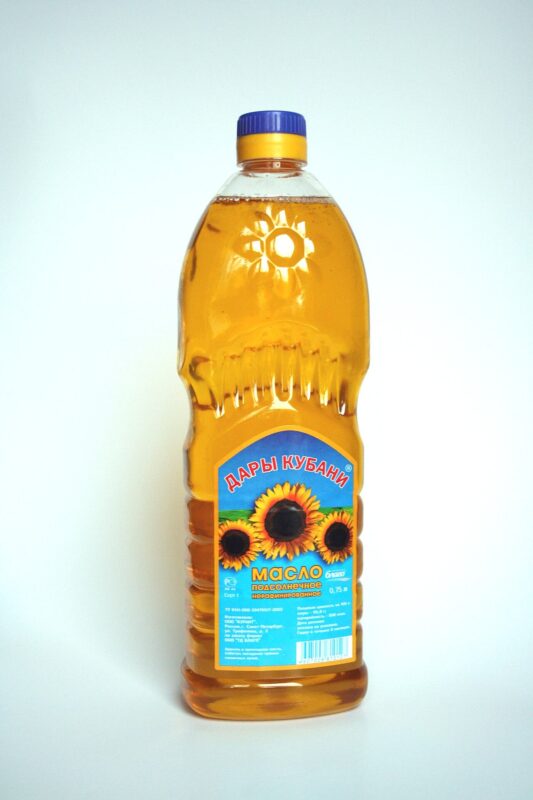
| Dark PET or glass bottles | 250 ml to 5 L | Depends on pack | Private label available |
For flexitank loads, sunflower oil flexitank supplier explains loading and discharge, and flexitank vs ISO tank compares the two. If you’d like your own brand on the bottle, see private label vegetable oil.
How Much Fits in a Container
Most buyers ship unrefined oil in 20 foot containers. Oil is heavy, and a 20 foot box hits the road weight limit long before it’s full. A 40 foot box doesn’t carry much more oil by weight, it just costs more to ship. Bottled oil is the exception, since light cartons can fill a 40 foot box before it gets too heavy. Ask your unrefined sunflower oil bulk supplier for a load plan before you book, so there are no surprises at the weighbridge. How much cooking oil fits in a 20ft container has the full breakdown, and how many liters in a ton of vegetable oil helps if your customers buy by the litre.
Shelf Life and Storage
Unrefined oil doesn’t keep as long as refined. That’s the trade off for leaving the natural compounds in. Roughly:
- Cold pressed oil in sealed drums or bottles, kept cool and dark: 9 to 12 months.
- Crude oil in a clean tank: 3 to 6 months before FFA starts climbing enough for your refinery to notice.
- Opened cold pressed oil: use it within a few weeks.
Keep it under 25 °C, out of the sun, and away from copper or brass fittings, which speed up oxidation. Nitrogen blanketing on bulk tanks helps a lot. Shelf life of sunflower oil, soybean and canola goes deeper on storage. If your warehouse runs hot, tell us. As an unrefined sunflower oil bulk supplier we would rather pack for your conditions than deal with a complaint later.
What Drives the Price
Everyone asks for a price per tonne first. Fair enough. But the price you get from an unrefined sunflower oil bulk supplier depends on a few things that move every week:
- Seed price. Sunflower seed from the Black Sea, the EU and Argentina sets the tone for the whole market.
- Grade. Cold pressed costs more than crude because a slow press gets less oil out of each tonne of seed. Organic and high oleic add another premium on top.
- Packing. Flexitank is cheapest. Drums and bottles add packaging and labour.
- Freight. Ocean freight to your port can swing the delivered price a lot, especially on long routes.
- Volume and contract length. A 12 month contract for monthly containers gets a sharper price than one spot load.
As a rough guide, cold pressed oil sells at a clear premium over crude, and crude tracks the international refined price minus the refining margin. For current figures, ask us for an offer or look at sunflower oil wholesale price per ton and sunflower oil price forecast 2027. When you compare quotes, check they’re on the same Incoterm. CIF vs FOB vegetable oil shows why that matters.
Unrefined vs Refined: When Each Makes Sense
Unrefined oil is the right pick when flavour, colour and a natural label are the point. Dressings, dips, cold dishes, health food shelves and cosmetics all fit. It’s the wrong pick for deep frying. The smoke point of cold pressed sunflower oil is around 107 °C, far below refined oil, and it’ll smoke and taste burnt in a fryer.
For frying you want refined sunflower oil or high oleic sunflower oil. Our post on refined vs cold pressed sunflower oil puts them side by side, and refined oil vs unrefined oil covers the wider picture across oils. There’s useful background on the different types of sunflower oil on Wikipedia too.
A lot of our customers buy both. They take refined oil for the kitchen and cold pressed for the shelf. Using one unrefined sunflower oil bulk supplier for both keeps the paperwork simple and lets you mix them in one container.
Quality Checks Before Loading
Every lot is sampled from the tank before packing and again during loading. We test FFA, peroxide value, moisture and impurities in house, and send a retained sample to an independent lab when the buyer asks. For export, SGS, Intertek or Bureau Veritas are welcome to attend loading. Pre-shipment inspection for edible oil shows what a surveyor checks.
We keep retained samples for at least 12 months. If there’s ever a dispute about a lot, that sample settles it. I’d be wary of any unrefined sunflower oil bulk supplier who doesn’t keep them.
Documents With Every Shipment
You’ll get:
- Commercial invoice and packing list
- Bill of lading
- Certificate of analysis for the lot
- Certificate of origin
- Phytosanitary or health certificate where needed
- Halal and kosher certificates when ordered
- Inspection certificate if a surveyor was used
Your country may ask for more. Check documents required to import vegetable oil and, for the US, FDA requirements for importing vegetable oil. A proper certificate of analysis for edible oil lists results, not just limits. A serious unrefined sunflower oil bulk supplier will send draft documents for you to check before the vessel sails.
Shipping Worldwide
We ship to buyers across Asia, the Middle East, Africa, Europe, the Americas and the Pacific. Transit runs from about a week for nearby Asian ports to five or six weeks for the Americas. We can book freight on CIF or CFR terms, or you can use your own forwarder on FOB. Vegetable oil shipping worldwide explains how it works. Being an unrefined sunflower oil bulk supplier that ships to so many ports means we’ve usually handled your destination’s paperwork before.
7 Proven Tips for Choosing an Unrefined Sunflower Oil Bulk Supplier
These come from watching buyers get it right, and get it wrong.
1. Ask where the seed came from
An unrefined sunflower oil bulk supplier should know where the seed was grown and when it was crushed. If they can’t tell you, they’re probably a trader reselling someone else’s oil, and they won’t be able to help when something goes wrong.
2. Get a real COA, not a spec sheet
A spec sheet shows limits. A certificate of analysis shows the results for one actual lot. Ask for a recent COA from a real shipment.
3. Check the crush date
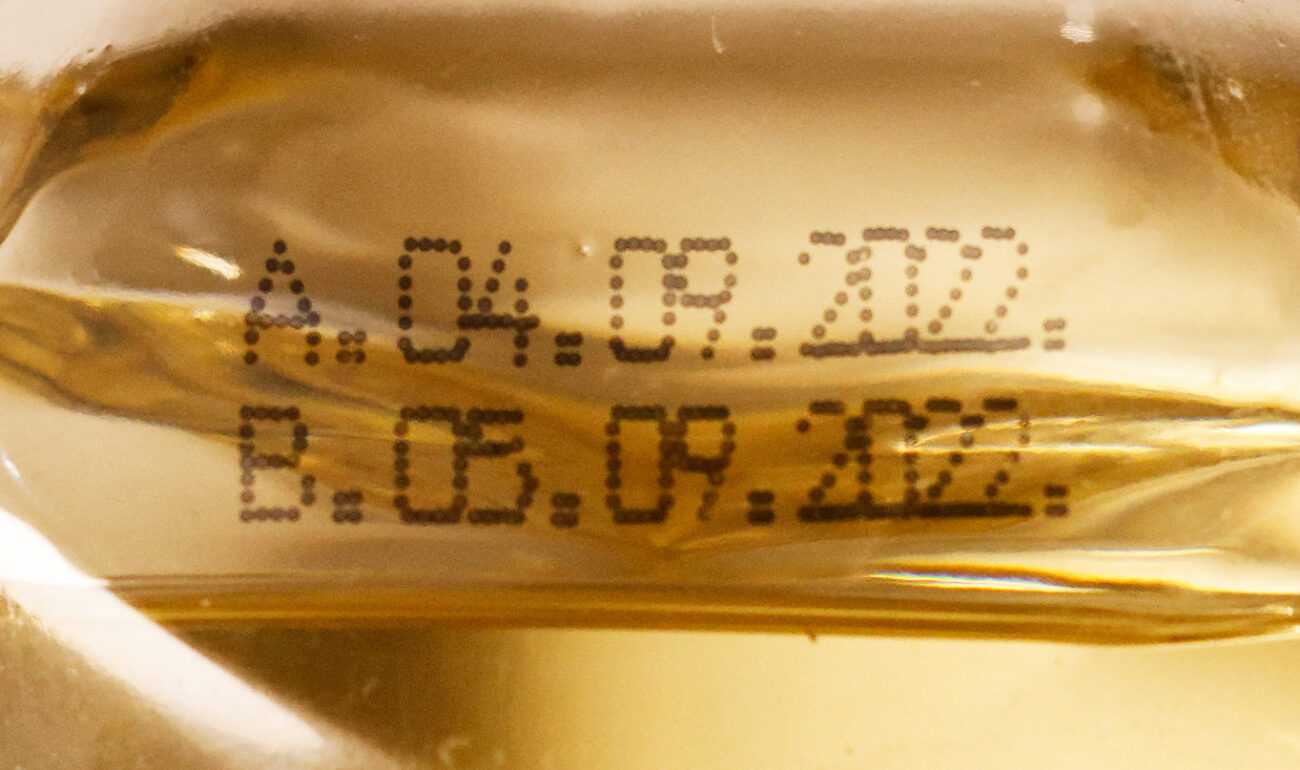
Cold pressed oil is best fresh. Ask when it was pressed. Oil that sat in a tank for six months before it got to you has already lost a good part of its shelf life.
4. Order a sample first
Taste it. Smell it. Warm a little in a pan and see how it behaves. How to request edible oil samples explains what to ask for.
5. Agree on packing for the route
Long, hot voyages are hard on unrefined oil. For long routes, ask your unrefined sunflower oil bulk supplier for nitrogen flushed drums or a flexitank with a liner made for edible oil.
6. Watch for scams
If the price is way under the market, it isn’t a bargain. Read fake vegetable oil supplier before paying anyone you haven’t checked out.
7. Start with one container
Even if you plan to take 20 containers a year, start with one. See how the oil arrives, how the documents look, and how the unrefined sunflower oil bulk supplier handles your questions. Then sign the longer contract.
Mistakes I See Buyers Make
The big one is buying crude oil and expecting it to taste like cold pressed. They’re not the same thing, and crude isn’t fit to eat until it’s refined. Second is storing cold pressed oil in a hot warehouse with sun on the drums. It goes rancid fast. Third is comparing a FOB price with a CIF price and deciding one seller is cheaper. Fourth is skipping the sample because the deadline is tight. That last one costs the most. Pick an unrefined sunflower oil bulk supplier who pushes you to test first. It is a good sign.
Payment Terms
With new buyers we usually work on a confirmed letter of credit, or a TT deposit with the balance against a copy of the bill of lading. Once we know each other, terms can loosen. Letter of credit vs TT payment lays out the pros and cons of each. Be careful with any unrefined sunflower oil bulk supplier asking a first time buyer for 100% up front.
Minimum Order
Our minimum is one 20 foot container. For bottled cold pressed oil you can mix pack sizes in one container. There’s more in minimum order quantity for bulk cooking oil. Smaller buyers often team up with a local distributor who already takes containers from an unrefined sunflower oil bulk supplier like us.
Why Buyers Pick Us as Their Unrefined Sunflower Oil Bulk Supplier
We’re not the biggest exporter around and we don’t pretend to be. What we do well is answer fast, load what we say we’ll load, and tell you straight when something can’t be done. Our plant runs under HACCP and we can supply halal and kosher certified oil. To learn more about who we are, read about us.
If you’re new to the crop itself, the National Sunflower Association is a solid independent source. For nutrition figures, the USDA’s FoodData Central database is free and reliable.
Frequently Asked Questions
Is unrefined sunflower oil the same as cold pressed?
Cold pressed oil is unrefined, but not all unrefined oil is cold pressed. Crude is unrefined too, and it’s pressed hot. Ask which one you’re being offered.
Can I fry with unrefined sunflower oil?
Light sautéing, yes. Deep frying, no. The smoke point is too low.
Does unrefined oil go cloudy in the cold?
It can. Sunflower seed has natural waxes that cloud the oil under about 10 °C. It’s harmless and clears when warmed. If clarity matters to you, ask about winterized sunflower oil, though winterizing is a refining step.
What’s the lead time?
Usually two to three weeks from a signed contract for flexitank or drums. Private label bottles take longer because of artwork and packaging. Any unrefined sunflower oil bulk supplier quoting under a week for private label is probably skipping steps.
Can you supply high oleic unrefined oil?
Yes, cold pressed high oleic is available. Supply is tighter than regular, so book early.
Do you ship to my country?
Almost certainly. Send us your port and we’ll check freight.
How do I know you’re a real unrefined sunflower oil bulk supplier?
Ask for a video call, company documents, a recent COA and a sample. We’re happy to provide all of them before you pay anything.
What should I send an unrefined sunflower oil bulk supplier to get an accurate quote?
Send the grade (cold pressed or crude), the packing, the quantity, your destination port and the Incoterm you want. With those five details, an unrefined sunflower oil bulk supplier can give you a firm price instead of a rough range.
Can one unrefined sunflower oil bulk supplier handle both crude and cold pressed?
Yes, if they own the press and the tanks. We do, so you can buy both from one unrefined sunflower oil bulk supplier and keep one set of contracts and documents.
Get a Quote for Unrefined Sunflower Oil in Bulk
If you’re after an unrefined sunflower oil bulk supplier and have a rough idea of grade, packing, quantity and port, send it over. We’ll reply with a written offer, normally within one working day. Not sure which grade suits you? Tell us what the oil is for and we’ll suggest one.
Email info@dthcompanyltd.com, call or WhatsApp +66 91 765 9104, or use our contact page. You can also browse all products.







One thought on “Unrefined Sunflower Oil Bulk Supplier: Trusted Exporter Specs, Prices and 7 Proven Buying Tips”