

Mid oleic sunflower oil sits in a sweet spot that a lot of buyers don’t know about. It fries longer than regular sunflower oil, costs less than high oleic, and still tastes clean and light. We sell mid oleic sunflower oil in flexitanks, ISO tanks, drums, IBCs, 20 litre jerrycans and retail bottles, and we ship it worldwide on CIF or FOB terms. Below you’ll find the specs, the fatty acid profile, what it’s good for, how we pack it and how pricing works.
We get a lot of emails from people who’ve heard the name but aren’t quite sure what they’d be buying. Fair enough. Most of the sunflower oil traded around the world is the regular type, and high oleic gets most of the marketing. Mid oleic sunflower oil tends to get squeezed in between. So this page tries to explain it properly, the way we’d explain it to a buyer on the phone.
Table of Contents
What Is Mid Oleic Sunflower Oil?
Sunflower oil comes in three main types, and the difference is the fatty acid profile. Regular sunflower oil (sometimes called linoleic sunflower oil) is high in linoleic acid, a polyunsaturated fat. High oleic sunflower oil is mostly oleic acid, a monounsaturated fat. Mid oleic sunflower oil is in the middle, with roughly 55 to 75% oleic acid and 15 to 35% linoleic acid.
It was developed in the United States in the 1990s, largely through work backed by the National Sunflower Association. The goal was practical. Food companies wanted a frying oil that was stable without hydrogenation, because hydrogenation creates trans fats. Mid oleic sunflower oil gave them that, and it went on to become the standard sunflower oil in much of the US snack industry. You’ll still see it sold under the trade name NuSun.
It’s not a GMO product. The higher oleic level comes from conventional plant breeding, not genetic modification. That matters for buyers selling into markets with strict GMO labelling rules.
Mid Oleic Sunflower Oil vs Regular and High Oleic
Here’s a simple comparison of the three types. The ranges are typical and vary a little by crop year and origin.
| Fatty acid | Regular (linoleic) | Mid oleic sunflower oil | High oleic |
|---|---|---|---|
| Oleic acid (C18:1) | 14 to 39% | 55 to 75% | 75 to 91% |
| Linoleic acid (C18:2) | 48 to 74% | 15 to 35% | 2 to 17% |
| Saturated fat (total) | About 10 to 12% | Under 10% | About 7 to 10% |
| Frying stability | Fair | Good | Very good |
| Relative price | Lowest | Middle | Highest |
So mid oleic sunflower oil is a compromise, but a useful one. You get a big jump in stability over regular oil without paying the full high oleic premium. And you keep a meaningful amount of linoleic acid, which some nutrition teams like because it’s an essential fatty acid.
If you want to go deeper, read our pages on high oleic vs regular sunflower oil and sunflower oil fatty acid composition. The international reference for all three types is the Codex Alimentarius standard for named vegetable oils, which lists mid oleic sunflower oil as its own category.
Our Mid Oleic Sunflower Oil Specifications
These are the values we contract on for refined, bleached, deodorized and winterized mid oleic sunflower oil. Each shipment comes with a certificate of analysis from the refinery.
| Parameter | Specification |
|---|---|
| Oleic acid (C18:1) | 55 to 75% |
| Linoleic acid (C18:2) | 15 to 35% |
| Saturated fatty acids | 10% max |
| Free fatty acid (as oleic) | 0.10% max |
| Peroxide value at loading | 2.0 meq/kg max |
| Moisture and volatile matter | 0.05% max |
| Insoluble impurities | 0.05% max |
| Colour (Lovibond 5¼ inch) | 2.0 Red max |
| Iodine value (Wijs) | About 95 to 120 |
| Cold test (winterized) | 5.5 hours min, clear |
| Smoke point | About 230 °C |
| Odour and taste | Bland, neutral |
| Shelf life | 18 to 24 months in sealed packing |
If you need a narrower oleic band, for example 60 to 70%, tell us before we quote. It can be done, but it affects which lots we can use. Our guide to free fatty acid and peroxide value explains what those two numbers tell you about freshness, and iodine value of vegetable oils explains the IV figure.
Why Buyers Choose Mid Oleic Sunflower Oil
From the buyers we deal with, the reasons come down to a handful of things.
- Longer fry life than regular sunflower oil. Fewer oil changes in a busy kitchen or snack line.
- Lower cost than high oleic. Often the deciding factor for big volume users.
- No trans fat. No hydrogenation is needed to get the stability.
- Clean flavour. It doesn’t mask the taste of the food.
- Non GMO. Bred conventionally.
- Good label story. Lower in saturated fat than palm oil, and it reads well on an ingredient list.
That last point is why a lot of brands move from palm olein to mid oleic sunflower oil. They want a cleaner label without a big jump in cost. Our page on sunflower oil vs palm oil lays out the trade offs honestly.
Where Mid Oleic Sunflower Oil Works Best
Snack and chip manufacturing
This is the biggest use. Potato chips, corn chips, extruded snacks and nuts. The oil holds up through long frying runs and gives a clean finish on the product. See our guide to the best oil for potato chips manufacturing.
Restaurants and food service
Fryers in quick service restaurants run hot for hours. Mid oleic sunflower oil lasts noticeably longer than standard sunflower oil in that setting. How long exactly depends on your filtering and food mix. Our article on how often to change fryer oil gives practical rules.
Bakery and spray oil
Used for release sprays, crackers and cookies where you want a liquid oil with decent shelf stability.
Dressings and sauces
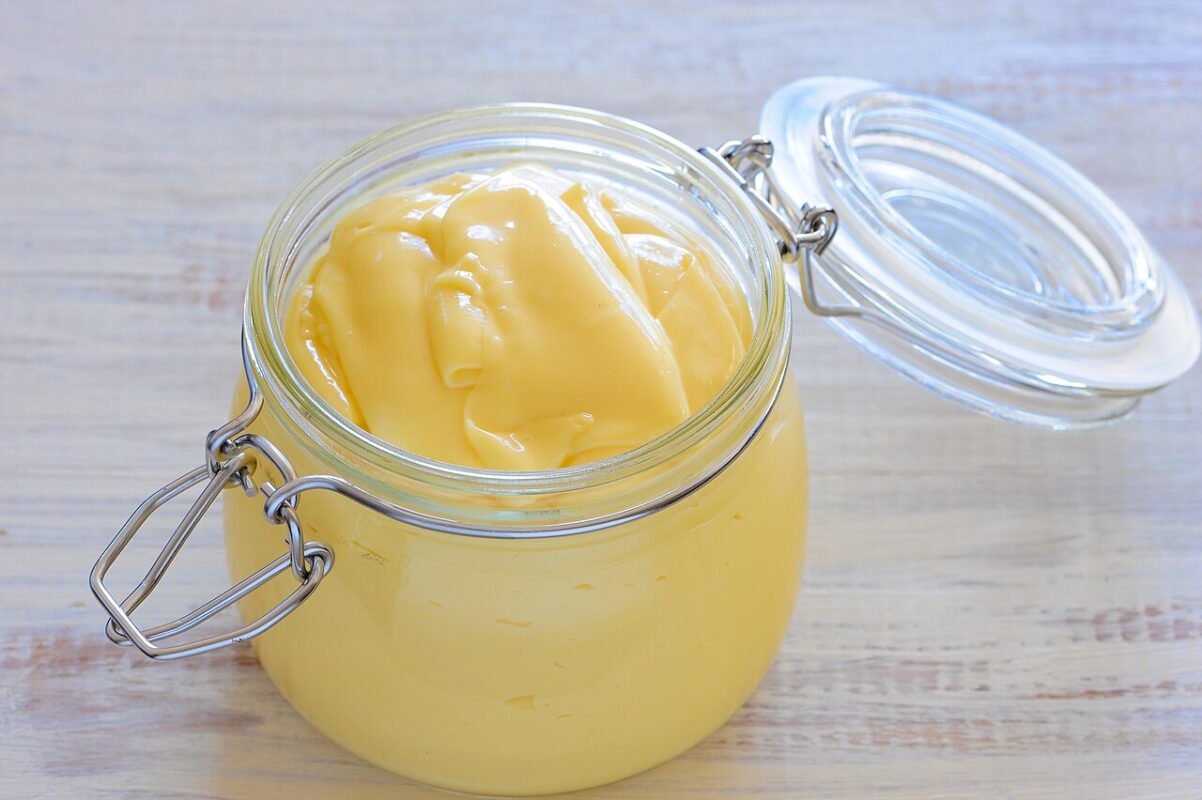
Winterized mid oleic sunflower oil stays clear in the fridge, so it works in mayonnaise, dressings and cold sauces.
Retail bottles
Some brands sell it as a premium everyday cooking oil, positioned between regular sunflower oil and olive oil.
Packing Options
We pack mid oleic sunflower oil to suit the buyer, not the other way round.
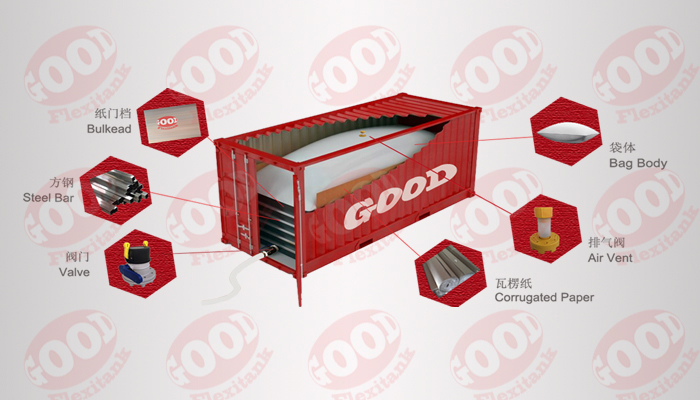
- Flexitank: 20 to 22 metric tons per 20 foot container. The cheapest way to move bulk.
- ISO tank: For buyers who need a sealed, reusable tank. Our page on flexitank vs ISO tank helps you choose.
- Drums: 190 to 200 kg, nitrogen flushed if you want.
- IBC totes: 1,000 litre.
- 20 litre jerrycans: Food grade HDPE for restaurants and smaller users.
- PET bottles: 1, 2, 3 and 5 litre for retail, under your label or ours.
For bulk we usually recommend nitrogen blanketing, because it slows oxidation during the voyage. If bulk is your main interest, see our sunflower oil flexitank supplier page.
Supply and Availability
Here’s something worth knowing. Mid oleic sunflower oil is grown and crushed in smaller volumes than regular sunflower oil. That means supply can get tight, especially near the end of a crop year. Buyers who need steady volumes do best with a contract that covers several months, not spot orders one at a time.
We source from crushers and refiners in the main sunflower growing regions, and we’re upfront about origin on every contract. If one origin is short, we’ll tell you and offer an alternative rather than going quiet.
How Pricing Works
Mid oleic sunflower oil normally trades at a premium to regular sunflower oil and at a discount to high oleic. The gap moves with the crop. Things that push the price around:
- The size of the sunflower harvest in the main producing countries
- How much of the crop is planted to mid and high oleic seed
- Prices of competing oils like palm and soybean
- Freight rates and insurance
- Packing type and order size
- Exchange rates
We quote mostly CIF your port, so you see the real landed cost before duty. For a sense of where sunflower prices sit, our page on sunflower oil wholesale price per ton and the high oleic sunflower oil wholesale price guide are good starting points.
Documents With Every Shipment
- Commercial invoice and packing list
- Bill of lading
- Certificate of origin
- Certificate of analysis, including fatty acid profile
- Non GMO statement or certificate where available
- Health certificate
- Halal or kosher certificate on request
- Safety data sheet
Our page on documents required to import vegetable oil goes through each one. If you need the safety data sheet in particular, see our sunflower oil MSDS guide.
7 Proven Tips for Buying Mid Oleic Sunflower Oil
1. Ask for the fatty acid profile, not just the name
Anyone can write “mid oleic” on an invoice. What counts is the oleic and linoleic numbers on the COA. Make the oleic range part of the contract.
2. Test it in your own fryer
Lab numbers are useful, but nothing beats a trial on your own line. Request samples and run them side by side with what you use now. Here’s how to request edible oil samples.
3. Check if you need it winterized
For frying, winterizing doesn’t matter much. For bottled oil or dressings stored cold, it does. See winterized sunflower oil.
4. Lock in volume early
Because supply is smaller, the buyers who contract early get better prices and fewer surprises.
5. Use independent inspection
A surveyor at loading can check quality, quantity and the fatty acid profile. See pre-shipment inspection for edible oil.
6. Watch out for blends
Some sellers blend regular and high oleic oil and call it mid oleic. It’s not always dishonest, but you should know what you’re buying. A fatty acid test will show it. Our guide on how to detect adulterated cooking oil is useful here.
7. Verify the supplier
Fake sunflower oil offers are common online, often with prices that look too good. Read how to spot a fake vegetable oil supplier before paying any deposit.
Nutrition Notes
We’re oil suppliers, not dietitians, so we’ll keep this short. Mid oleic sunflower oil is lower in saturated fat than palm oil and coconut oil, has no trans fat, and is a natural source of vitamin E. Its omega 6 content is lower than regular sunflower oil, which some buyers see as a plus. Nutrient data for sunflower oils is published in the USDA FoodData Central database if your team needs reference values for labels.
More on this in our pages on sunflower oil vitamin E, omega 6 to omega 3 ratio in cooking oils and trans fat in vegetable oil.
Storage and Handling
Store mid oleic sunflower oil in clean, closed containers, out of direct sun, ideally between 15 and 25 °C. Keep it away from copper and brass fittings, which speed up oxidation. In bulk tanks, a nitrogen blanket helps. Rotate stock first in, first out. Handled like this, it keeps well for 18 to 24 months in sealed packing.
For bulk handling, our article on shelf life of sunflower oil, soybean and canola has more detail, and sunflower oil density helps when you’re converting between litres and tons.
Switching From Another Oil
A lot of our mid oleic sunflower oil customers are switching from something else. Usually palm olein, regular sunflower oil or soybean oil. A few practical points:
- Run a trial on one fryer or one production line first.
- Track oil changes, product colour and taste over a couple of weeks.
- Check your label wording before the switch goes live.
- Tell your customers if you’re making a “no palm oil” or “lower saturated fat” claim, and make sure the claim is accurate under your local rules.
If you’re moving away from palm, you might also like our page on palm oil free vegetable oil.
Who We Supply
Our mid oleic sunflower oil goes to snack makers, restaurant chains, food distributors, bakeries, private label brands and oil packers. Some buy flexitanks every month. Others buy a mixed container with bottles, jerrycans and drums. We ship worldwide, including Europe, the Middle East, Africa, Asia, the Americas and the Caribbean.
We also supply the other sunflower grades, so you can buy everything from one place. See refined sunflower oil, high oleic sunflower oil, organic sunflower oil and crude sunflower oil.
How It’s Made
The process is the same as for any refined sunflower oil. What’s different is the seed. Farmers plant sunflower hybrids bred for a higher oleic content. After harvest, the seed is cleaned, dehulled in part, pressed and solvent extracted to get crude oil. That crude oil then goes through the usual refining steps:
- Degumming to remove phospholipids.
- Neutralising to take out free fatty acids.
- Bleaching with clay to remove colour and traces of metals.
- Winterizing to remove natural waxes so the oil stays clear when cold.
- Deodorizing under vacuum and steam to remove odour and flavour.
The result is a clear, pale, neutral oil. If you want the long version, our page on crude vs refined sunflower oil covers what refining removes and why.
What Buyers Tell Us About Fry Life
We get a lot of feedback from kitchens and snack lines that switch to mid oleic. The pattern is fairly consistent. Compared with regular sunflower oil, the oil darkens more slowly, foams less and smells cleaner late in the day. Most users report that they top up more and change less. How much longer it lasts in your fryer depends on the food, the temperature, how well you filter and how much fresh oil goes in each day, so we never promise a fixed number.
A good habit is to keep frying temperatures at or below about 180 °C, filter the oil daily, and keep salt and breading crumbs out of the fryer. Those steps help any oil, and they help mid oleic sunflower oil show its full advantage. Our page on high oleic sunflower oil for frying applications covers the same ideas in more detail.
Mid Oleic for Retail Brands
Not every buyer is frying chips. Some are building a cooking oil brand for supermarket shelves. Mid oleic sunflower oil gives them a story that sounds good and is true: lower saturated fat than palm, more stable than regular sunflower, and no hydrogenation. We fill 1, 2, 3 and 5 litre PET bottles under your label. If you’re planning a brand, read how to choose the best sunflower oil brand to see what shoppers actually look at.
Common Mistakes When Buying
- Paying high oleic prices for mid oleic oil. Check the COA. If oleic is around 65%, it’s mid oleic, whatever the invoice says.
- Buying on the name alone. Without an oleic range in the contract, you have nothing to claim against.
- Skipping the winterizing question. Bottled oil that clouds on a cold shelf looks bad, even if it’s perfectly fine.
- Ordering too late in the season. Supply of mid oleic sunflower oil is smaller, so it runs short first.
- Comparing CIF to FOB. Make sure every quote you compare is on the same terms. See CIF vs FOB vegetable oil.
Contract Options
We offer three ways to buy:
- Spot: one container at today’s price, valid for a few days.
- Fixed price contract: several shipments at a set price, usually covering one to three months.
- Formula contract: monthly shipments priced against a market reference plus an agreed premium.
For a regular user, the formula contract often works best. You get guaranteed volume without betting on the market. Payment can be by letter of credit or TT. See letter of credit vs TT payment for the trade offs.
Shipping and Lead Times
Once a contract is signed and payment terms are in place, loading usually happens within two to four weeks, depending on stock and vessel space. Transit time depends on your port. Europe and the Middle East are generally quicker, while the Caribbean, West Africa and South America often involve a transshipment. We’ll give you the actual vessel schedule when we book, along with draft documents for your broker.
We quote CIF by default. If you’d rather use your own forwarder, FOB is fine. For flexitank orders, we arrange the flexitank, the heating pad if you need one for cold climates, and the fitting, so your team just has to connect a hose at the other end.
Quality Control on Our Side
Every lot of mid oleic sunflower oil we ship is tested at the refinery before loading, and the fatty acid profile is printed on the COA. Bulk cargo is loaded into clean, inspected flexitanks or tanks. Packed oil is coded with the batch number and date so any question can be traced. The refineries we work with run HACCP and ISO 22000. You’re also welcome to appoint SGS, Intertek or Bureau Veritas to sample at loading. See pre-shipment inspection for edible oil and our HACCP certified cooking oil page.
Organic and Non GMO Options
Because the higher oleic level comes from conventional breeding, most mid oleic oil is non GMO by nature. Some buyers want more than that and ask for a non GMO certificate or an organic certified product. Non GMO paperwork is usually available. Organic mid oleic is much harder to find, and when it is available it carries a clear premium. If you need either, tell us at the start so we can check what’s possible for the season rather than promising something we can’t deliver. Our page on organic sunflower oil wholesale covers the organic side.
Frequently Asked Questions
Is mid oleic sunflower oil the same as NuSun?
NuSun is a trade name for mid oleic sunflower oil from the US. The oil we sell meets the same general profile, but we describe it by its specification rather than a brand name.
Is mid oleic sunflower oil good for deep frying?
Yes. It’s one of the main reasons people buy it. It lasts longer than regular sunflower oil in the fryer and doesn’t need hydrogenation.
What’s the minimum order?
One 20 foot container. You can mix packing types in it. See minimum order quantity for bulk cooking oil.
Can you supply it under my brand?
Yes. We fill bottles and jerrycans with your label. See private label vegetable oil.
What’s the HS code?
Refined sunflower oil normally falls under HS 1512.19. Check with your broker for your country’s full tariff line. Our sunflower oil HS code page has more.
Get a Quote for Mid Oleic Sunflower Oil
Tell us the quantity, packing, oleic range, destination port and how often you buy. We’ll send a clear written offer for mid oleic sunflower oil, usually within one working day.
Email info@dthcompanyltd.com, call or WhatsApp +66 91 765 9104, or use our contact page.






6 thoughts on “Mid Oleic Sunflower Oil: Trusted Bulk Supplier Specs and 7 Proven Buying Tips”